Proclus
 62
62

Proclus


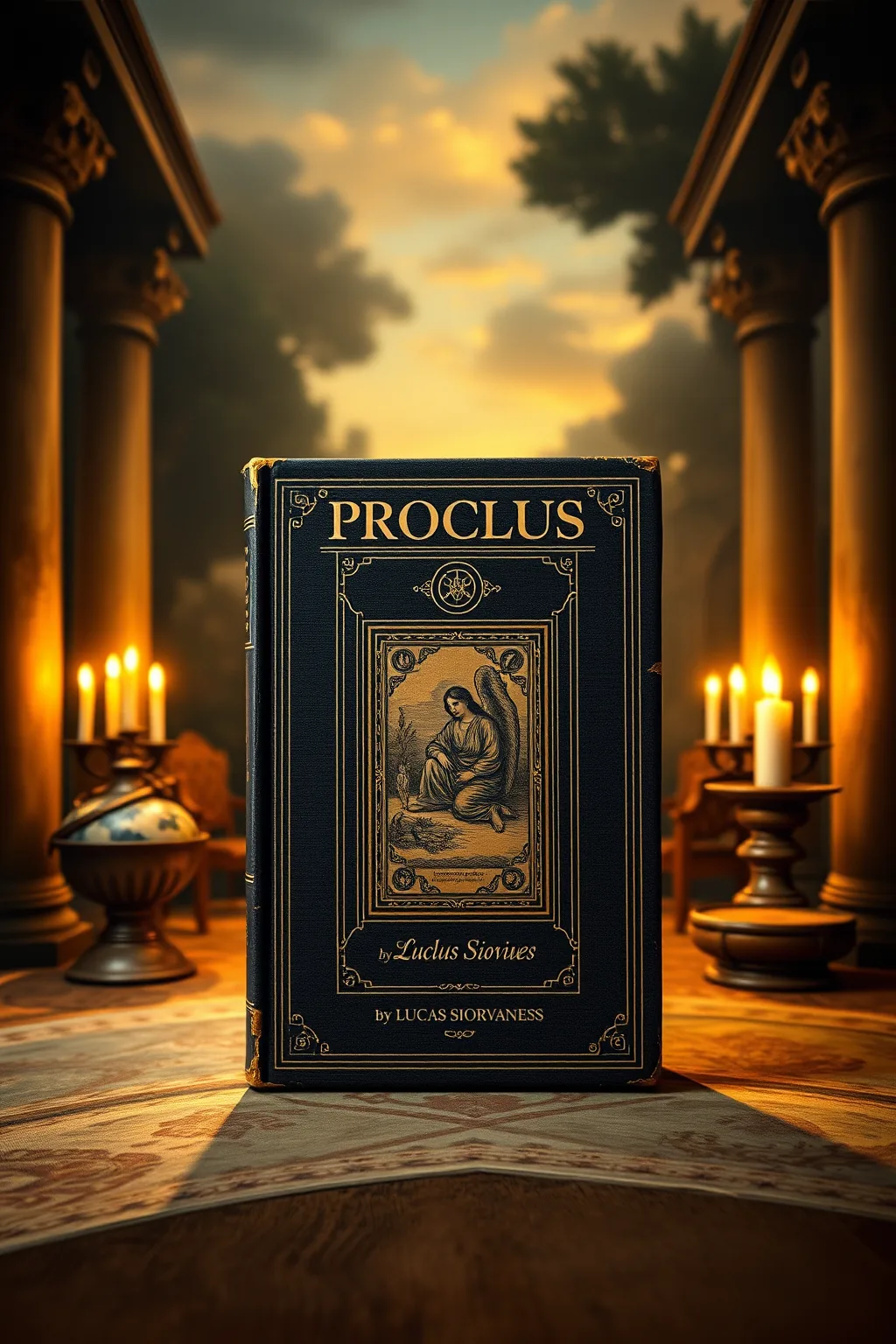
In 'Proclus,' Lucas Siorvanes masterfully navigates the intricate web of Neoplatonic thought, presenting readers with a profound exploration of ancient metaphysical wisdom. This book is a must-read for those drawn to the mystical and esoteric, offering deep insights into the philosophical significance of Proclus Lycius' teachings. Siorvanes' authoritative tone and meticulous research make this work an invaluable resource for scholars and practitioners alike. The esoteric insights are particularly enlightening, shedding light on the hidden knowledge that has shaped Western occult traditions. This is a book that will resonate with anyone seeking to deepen their understanding of the mystical and the metaphysical.
📝 Description
62
Lucas Siorvanes' 1996 book 'Proclus' examines the philosopher's complex metaphysical system.
This study focuses on Proclus Lycius, a fifth-century philosopher who significantly shaped Neoplatonism. Siorvanes details Proclus's hierarchical cosmology, his views on divine intellect and soul, and his theories of henads and theurgy. The book explains how Proclus integrated Platonic ideas with earlier philosophical traditions, creating a comprehensive system intended to lead the soul back to the divine. Siorvanes makes Proclus's intricate thought accessible, showing its influence on later esoteric thought and its relevance to understanding ancient philosophical debates.
The author presents Proclus's philosophical framework, emphasizing its role in late antique intellectual life. The work covers Proclus's commentaries on Plato, his theological treatises, and his contributions to the development of Platonic theology. It is a guide to understanding the philosophical underpinnings of Neoplatonic practices and beliefs, particularly those concerning the ascent of the soul and the structure of reality.
Proclus was a central figure in the final flourishing of ancient Greek philosophy, particularly Neoplatonism. His work synthesized Platonic doctrines with Aristotelian and Stoic elements, aiming for a comprehensive philosophical system that could explain the cosmos and guide the human soul toward its divine source. This tradition often involved complex metaphysical hierarchies and practices like theurgy, which sought to effect union with the divine through ritual. Siorvanes' book situates Proclus within this intellectual milieu, highlighting the philosopher's systematic approach and his substantial impact on subsequent philosophical and esoteric currents.
💡 Why Read This Book?
Read 'Proclus' to unlock the secrets of Neoplatonic philosophy and gain a deeper understanding of the esoteric traditions that have influenced Western thought. Ideal for seekers of hidden knowledge, scholars of ancient philosophy, and practitioners of occult arts, this book offers a rich tapestry of metaphysical insights that will enrich your spiritual journey. Discover the profound symbolism and metaphysical teachings that have captivated minds for centuries.
⭐ Reader Reviews
Honest opinions from readers who have explored this book.
❓ Frequently Asked Questions
What is the main focus of 'Proclus'?
The main focus of 'Proclus' is the exploration of the mystical teachings of Proclus Lycius, a key figure in Neoplatonic philosophy. The book delves into the esoteric insights and metaphysical wisdom that have influenced Western occult traditions.
Who is the intended audience for this book?
The intended audience includes spiritual seekers, metaphysical enthusiasts, students of ancient philosophy, and practitioners of occult arts. It is ideal for anyone interested in exploring the depths of esoteric knowledge.
What makes this book unique?
'Proclus' stands out for its rich exploration of Neoplatonic thought and its focus on the esoteric teachings of Proclus Lycius. The book offers a unique blend of historical context, philosophical analysis, and mystical insights, making it a valuable resource for both scholars and seekers.
How does this book contribute to the study of esoteric traditions?
This book contributes significantly to the study of esoteric traditions by providing a comprehensive exploration of Neoplatonic philosophy and its influence on Western occult thought. It offers deep insights into the symbolic and metaphysical teachings that have shaped these traditions.
Can beginners benefit from reading this book?
While 'Proclus' is a rich and complex work, beginners with an interest in esoteric traditions can benefit from its clear explanations and historical context. It serves as an excellent introduction to the mystical teachings of Proclus Lycius and the broader world of Neoplatonic philosophy.
🔮 Key Themes & Symbolism
Neoplatonic Philosophy
Study the profound teachings of Neoplatonic philosophy, which emphasize the interconnectedness of all existence and the transcendence of the physical realm. This theme explores the mystical insights that have shaped Western occult thought and offers a deeper understanding of the metaphysical principles that underpin these teachings.
Esoteric Symbolism
Discover the detailed symbolism that permeates Neoplatonic thought and its influence on esoteric traditions. This theme explores the hidden meanings and mystical interpretations that have captivated scholars and seekers for centuries, revealing the depth and complexity of ancient wisdom.
Metaphysical Insights
Uncover the metaphysical insights that lie at the heart of Proclus Lycius' teachings. This theme explores the profound philosophical questions and esoteric knowledge that have shaped Western occult traditions, offering a unique perspective on the nature of reality and the spiritual journey.
💡 Key Ideas
Editorial paraphrase of the work's core concepts — not direct quotes.
The soul is a divine spark that transcends the limitations of the physical world.
This quote underscores the Neoplatonic belief in the divine nature of the soul and its ability to connect with higher domains of existence.
Symbolism is the language of the divine, revealing hidden truths to those who seek them.
This passage highlights the importance of esoteric symbolism in understanding the mystical teachings of Proclus Lycius.
The path to enlightenment is a journey of self-discovery and spiritual awakening.
This quote emphasizes the transformative power of Neoplatonic philosophy and its potential to guide seekers on their spiritual journey.
The universe is a harmonious whole, where every element is interconnected and interdependent.
This passage underscores the Neoplatonic belief in the interconnectedness of all existence and the unity of the cosmos.
Mystical insights are the keys that unlock the doors to higher domains of consciousness.
This quote highlights the transformative potential of esoteric knowledge and its ability to elevate the spiritual seeker.
🌙 Esoteric Significance
Tradition
Proclus' teachings belong to the Neoplatonic tradition, which is deeply rooted in Hermetic and Gnostic thought. This tradition emphasizes the transcendence of the physical world and the quest for spiritual enlightenment through esoteric knowledge and mystical experiences. Neoplatonism has had a profound influence on Western occult traditions, shaping the development of alchemy, astrology, and other esoteric practices.
Symbolism
Key symbols in Proclus' teachings include the One, the Intellect, and the Soul, which represent the hierarchical structure of reality and the path to spiritual ascent. These symbols are imbued with profound metaphysical meanings, revealing the interconnectedness of all existence and the potential for divine union. Other significant symbols include the Chariot of the Soul, the Cave Allegory, and the concept of Emanation, which illustrate the journey of the soul towards enlightenment.
Modern Relevance
Proclus' teachings remain relevant today, as modern practitioners of esoteric traditions continue to draw on his insights. His emphasis on the interconnectedness of all existence and the potential for spiritual transformation speaks to contemporary seekers of hidden knowledge. Many modern occultists, mystics, and spiritual seekers study Proclus' works to deepen their understanding of the metaphysical principles that underpin their practices.
👥 Who Should Read This Book
Beginners interested in esoteric traditions will find 'Proclus' to be an accessible and enlightening introduction to Neoplatonic philosophy. Scholars of ancient philosophy will appreciate the depth of research and the authoritative analysis of Proclus Lycius' teachings. Spiritual seekers will be inspired by the mystical insights and metaphysical wisdom that permeate the text. Practitioners of occult arts will benefit from the detailed symbolism and esoteric knowledge that can enhance their spiritual journey.
📜 Historical Context
Proclus Lycius, also known as the Successor, lived in the 5th century CE, a time of significant cultural and intellectual exchange in the Eastern Roman Empire. His teachings emerged during a period of synthesis between Greek philosophy, Egyptian mysticism, and Christian theology. This era saw the blossoming of Neoplatonic thought, which sought to reconcile the diverse spiritual and philosophical traditions of the ancient world. Proclus' work was instrumental in preserving and transmitting these esoteric teachings, influencing subsequent generations of philosophers, theologians, and mystics. His writings continue to resonate today, offering timeless insights into the nature of reality and the spiritual journey.
📔 Journal Prompts
Reflect on the concept of the soul as a divine spark. How does this idea influence your understanding of your own spiritual journey?
Explore the significance of esoteric symbolism in your life. What symbols hold deep meaning for you, and how do they guide your spiritual path?
Consider the interconnectedness of all existence. How does this concept manifest in your daily life and interactions with others?
Study the metaphysical insights presented in 'Proclus.' How do these ideas challenge or affirm your current beliefs about reality?
Imagine the journey of the soul towards enlightenment. What steps can you take in your own life to facilitate this spiritual ascent?
🗂️ Glossary
Neoplatonism
A philosophical tradition that emerged in the 3rd century CE, combining elements of Plato's teachings with other spiritual and mystical traditions. It emphasizes the transcendence of the physical world and the quest for spiritual enlightenment.
Proclus Lycius
A prominent Neoplatonic philosopher of the 5th century CE, known for his extensive commentaries on Plato's works and his contributions to esoteric thought. He is often referred to as the Successor.
Emanation
The process by which the divine, or the One, expresses itself through a series of hierarchical levels, ultimately creating the physical world. This concept is central to Neoplatonic philosophy.
The One
The ultimate principle or source of all existence in Neoplatonic thought. It is often described as the transcendent, unknowable, and indescribable origin of the cosmos.
Metaphysical Insights
Deep philosophical and spiritual truths that transcend the physical realm, offering a deeper understanding of the nature of reality and the human experience.
This book appears in 2 collections
🔮 Readers Also Liked
Browse all →









More by Lucas Siorvanes
All books →
From the “Neoplatonism” Collection
View all →
![Archetypal principles and hierarcheis [sic]](/img/thumb/archetypal-principles-and-hierarcheis-sic-john-peter-anton.webp)





More Free Alchemy & Hermeticism Books
View all →