✍️ Author Biography
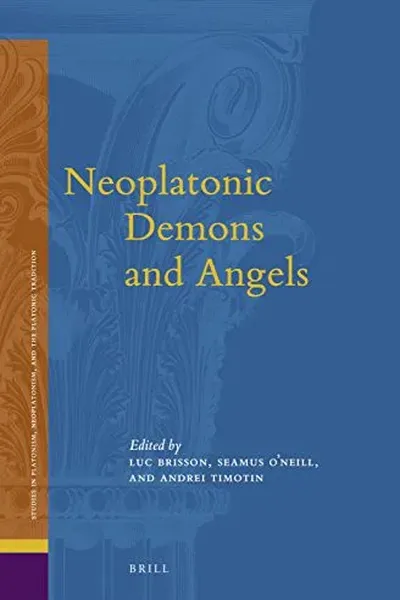
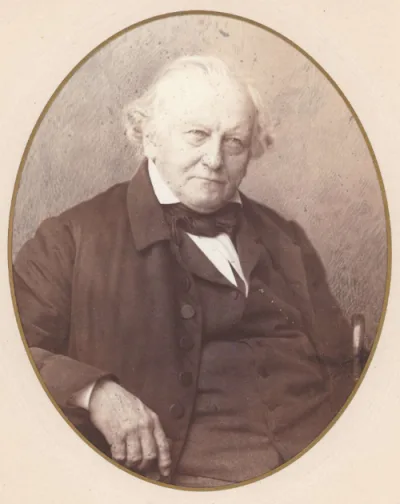
Luc Brisson
📅 1946
🌍 Canadian
📚 4 free books
⭐ Known for: Theogony (Hesiod)
Nyx, the Greek personification of Night, is a primeval deity central to various cosmogonies, often depicted as the mother of primordial forces and negative personifications.
Nyx, the Greek goddess and personification of Night, holds a significant place in ancient mythology and philosophy, particularly in early cosmogonies. Originating from Chaos, she is frequently portrayed as one of the first deities to exist. In Hesiod's Theogony, Nyx is the mother of Aether and Hemera (Day) by Erebus (Darkness), and by herself, she gives birth to numerous personifications of abstract concepts, many of them negative, such as Doom, Death, Sleep, and Strife. Her dwelling is often described as being at the edges of the world, sometimes near the entrance to the underworld, and she is depicted as a dark-robed figure traveling in a chariot.
Her role and lineage vary across different traditions. In some Orphic accounts, she is the first deity, while in others, she is the daughter and consort of Phanes. Roman authors referred to her as Nox, with similar genealogies and offspring attributed to her. Across various poets and philosophers, Nyx's power is acknowledged, with even Zeus shown to hold her in awe. Her association with primordial forces and abstract concepts makes her a key figure in understanding early Greek philosophical and mystical thought regarding the origins of the cosmos.
Primordial Origins and Offspring
In Hesiod's Theogony, Nyx emerges from Chaos and, alongside Erebus, produces Aether and Hemera. More significantly, she is depicted as giving birth independently to a multitude of personified abstract concepts. These include Moros (Doom), Thanatos (Death), Hypnos (Sleep), the Oneiroi (Dreams), Nemesis (Retribution), and Eris (Strife), among others. These figures, though abstract, represented potent forces in the Greek worldview. Later authors and Roman traditions, such as Cicero and Hyginus, expanded on these genealogies, attributing a vast array of children to Nox (the Roman equivalent), encompassing concepts like Love, Fear, Old Age, and Discord. These varied accounts highlight Nyx's fundamental role as a source of both light and darkness, order and chaos.
Cosmogonic Significance
Nyx is frequently positioned as one of the very first beings to exist in various early cosmogonies. In some Orphic traditions, she precedes all other deities, being the primordial source from which the cosmos unfolds. Other accounts describe her as the offspring of Chaos and the mother of Uranus and Gaia, or even the consort and daughter of Phanes. The philosopher Epimenides suggested that Air and Night were the initial principles from which everything else was formed. This placement at the beginning of existence underscores her fundamental importance in understanding the ancient Greek conception of the universe's creation and the inherent dualities within it.
Mythological Portrayals and Influence
Across ancient literature, Nyx is often depicted as a majestic, dark-robed figure who travels across the sky in a chariot, her presence associated with the deep, mysterious nature of night. The Iliad notes that even Zeus respects and fears displeasing her, illustrating her profound power. Hesiod places her dwelling at the western edges of the world, a shadowy abode shared with her children Hypnos and Thanatos. This imagery reinforces her connection to the liminal spaces and the forces that govern sleep, death, and the end of the day, contributing to her mystique within esoteric traditions.
Key Ideas
- Primordial deity of Night
- Mother of abstract personifications (often negative)
- One of the first beings in cosmogonies
- Associated with the edges of the world and the underworld
- Figure of awe and power, even for Zeus