The Esoteric Library invites you to explore the profound and transformative world of Christian Mysticism, a spiritual tradition dedicated to the direct, experiential knowledge of God. Far from being a dry theological study, this path represents a vibrant journey of the soul, seeking intimate union with the Divine through contemplation, prayer, and radical self-surrender. For centuries, seekers have found in this tradition a powerful means to transcend the ordinary and touch the sacred, discovering a depth of faith beyond dogma.
At its heart, this mysticism is the pursuit of theosis, or deification – the process of becoming more like God through grace, often described as an ontological participation in the divine nature. It's a journey typically described in stages, from purification (the purging of sin and attachment) and illumination (the reception of divine light and understanding) to the ultimate unitive state, where the soul experiences profound communion with God. Early Christian mystics like the Desert Fathers and figures such as Pseudo-Dionysius the Areopagite laid crucial theological foundations, emphasizing apophatic theology, the idea that God can only be known by what He is not, acknowledging the ultimate unknowability of the Divine. This approach, also known as the via negativa, guides the mystic to transcend human concepts to approach truth.
The medieval period saw a flourishing of this spiritual tradition with figures like Meister Eckhart, whose teachings on the "Godhead" and the "birth of God in the soul" were revolutionary, and Hildegard of Bingen, whose vivid prophetic visions and spiritual insights continue to inspire. The Spanish Golden Age brought forth towering figures such as St. Teresa of Ávila, whose "Interior Castle" maps the soul's journey through seven mansions to divine union, and St. John of the Cross, whose "Dark Night of the Soul" describes the painful yet necessary purifications on the mystical path. These writings remain cornerstones of the tradition, guiding countless souls through the arduous yet rewarding quest for divine love. The English mystics, including Julian of Norwich, also contributed significantly with their profound visions of God's unconditional love.
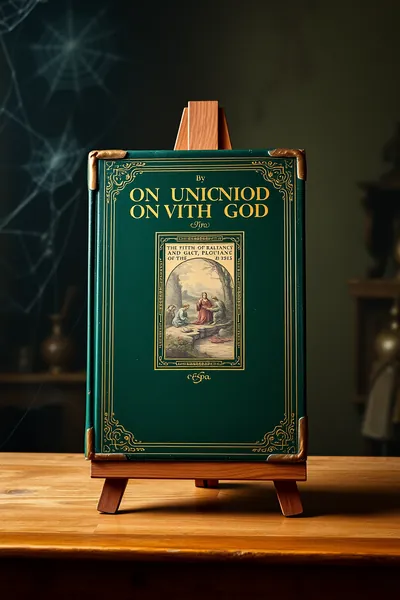
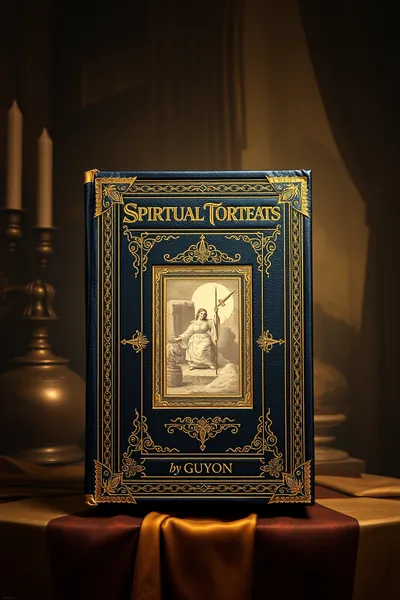
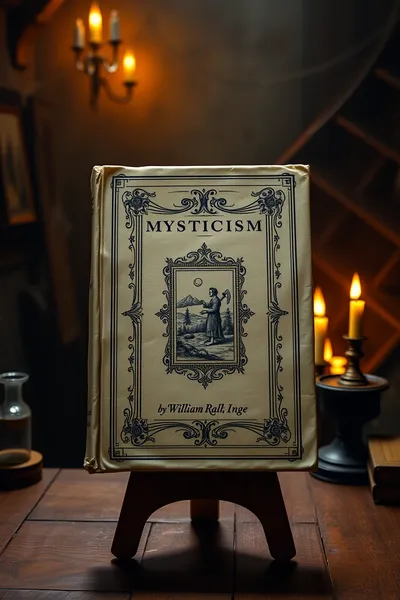
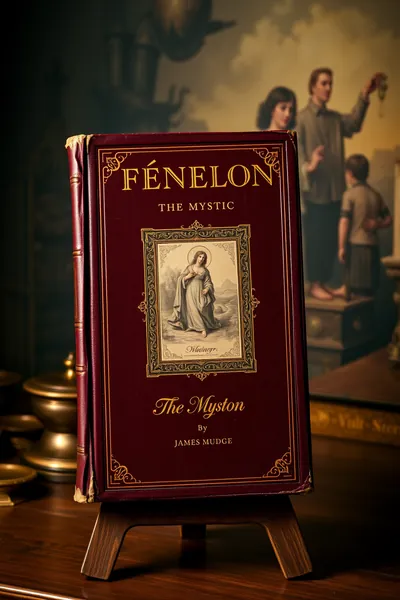
This collection offers an unparalleled opportunity to engage with the diverse expressions of Christian Mysticism. You'll find seminal works that define the tradition, as well as texts that explore its various facets and influences. For instance, William Ralph Inge's "Christian Mysticism" provides a scholarly overview, tracing its historical development and core tenets. Other works, like "On Union with God," offer direct guidance on achieving the ultimate goal of this spiritual quest. The path isn't always linear; some texts, like Jeanne Marie Bouvier de la Motte Guyon's "Spiritual Torrents," explore the challenging yet liberating doctrine of Quietism, advocating for passive abandonment to God's will and emphasizing the importance of inner silence. Her contemporary, Fénelon, is also explored in "Fénelon: The Mystic" by James Mudge, shedding light on this crucial period of intense spiritual debate within the tradition.
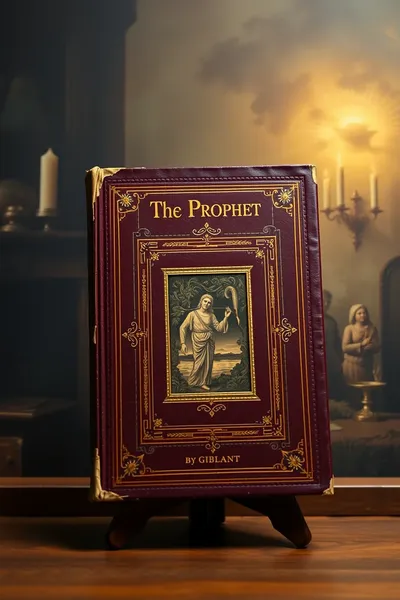
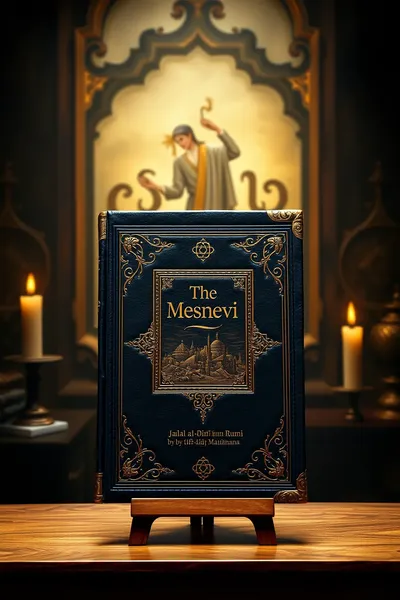
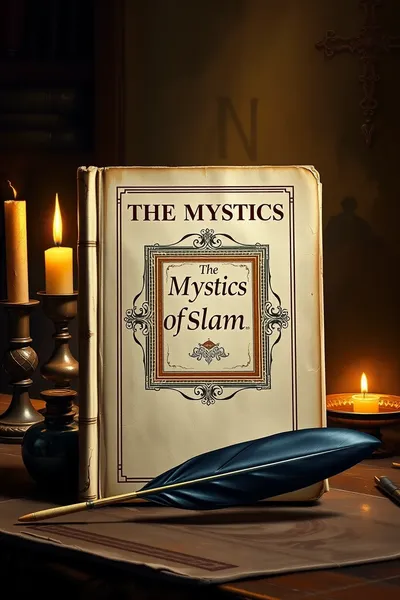
While our focus here is on Christian Mysticism, it's important to recognize its place within the broader tapestry of spiritual seeking. You may find fascinating parallels and contrasts with other collections such as Jewish Mysticism (represented by texts like "THE ZOHAR," which explores the esoteric dimensions of Judaism), Islamic Mysticism (with works like Jalal al-Din Rumi's "The Mesnevi" and Reynold Alleyne Nicholson's "The Mystics of Islam," both offering profound insights into Sufi divine love), and Eastern Mysticism (including "The Upanishads," which delves into the unity of the individual soul with the universal spirit). These traditions, while distinct in their theological frameworks, often share a common yearning for direct communion with the Divine, exploring similar themes of inner transformation, self-transcendence, and ultimate reality. Even works like Kahlil Gibran's "The Prophet" resonate with universal mystical insights, demonstrating the interconnectedness of spiritual paths and the perennial philosophy that underlies them all.
Our Esoteric Library provides these precious public domain resources for free, allowing you to freely explore the rich heritage of Christian Mysticism. Whether you are seeking a deeper personal connection with the divine, studying the history of religious thought, or simply curious about the esoteric dimensions of faith, this collection offers a wealth of knowledge and inspiration. Dive into the profound teachings, personal accounts, and theological explorations that define this tradition and embark on your own journey towards spiritual illumination. Discover how the pursuit of Christian Mysticism can transform your understanding of faith and existence, offering a pathway to profound spiritual experience.