Wicca
 74
74

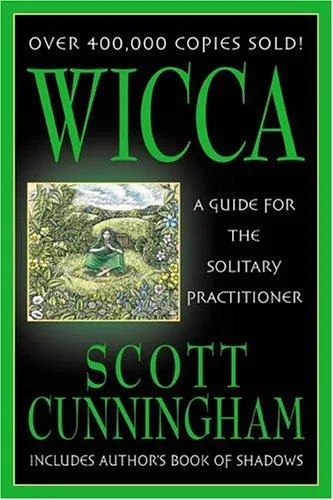
Wicca


Scott Cunningham's 'Wicca' stands as a beacon for those drawn to the gentle, nature-based spirituality of modern witchcraft. As a Senior Editor at Esoteric Library, I find Cunningham's approach uniquely accessible, stripping away arcane jargon to reveal the profound philosophical underpinnings of Wicca. He masterfully articulates the ethics, rituals, and cosmology, making this tradition comprehensible and inviting. This volume is an indispensable resource for beginners seeking a clear and compassionate introduction, while also offering seasoned practitioners a grounding in core principles. Its strengths lie in its clarity, its emphasis on personal empowerment, and its harmonious integration of magic and everyday life. A truly essential read for any serious student of esoteric arts.
📝 Description
74
Scott Cunningham's 1988 book, Wicca, presents a gentle, accessible introduction to the Craft.
Published in 1988, Scott Cunningham's Wicca aims to demystify witchcraft for a modern audience. The book explains the religion not as a sinister force, but as a practice that honors life, the universe, and the divine spark within individuals. Cunningham details the central beliefs and ethical guidelines of Wicca, clarifying its rituals and practices. He covers the importance of seasonal festivals, the efficacy of focused intent, and the connection between humans and the natural world's energies.
The text invites those interested in spiritual paths, pagan history, or deepening their own practice. It aims to evoke a sense of the sacred, promoting feelings of calm, self-reliance, and spiritual insight. Readers will find explanations of Wiccan symbolism, from ritual tools to invoking elements, encouraging personal connection with this ongoing spiritual path.
This work fits within the modern pagan revival, specifically Neopagan witchcraft as it developed in the late 20th century. Cunningham's approach is largely solitary, focusing on personal practice and a direct relationship with nature and the divine, rather than highly structured coven-based traditions. It draws from earlier figures like Gerald Gardner but emphasizes accessibility and a non-dogmatic, personal experience of the sacred, aligning with broader trends in esotericism that sought more individualized spiritual paths.
💡 Why Read This Book?
For seekers yearning for a deeper connection with nature and the divine, 'Wicca' by Scott Cunningham offers a clear, gentle, and empowering introduction. It demystifies witchcraft, revealing its focus on personal growth, ethical living, and celebrating life's cycles. Ideal for beginners, spiritual explorers, and those curious about nature-based magic, this book provides a solid foundation for understanding and potentially practicing Wicca.
⭐ Reader Reviews
Honest opinions from readers who have explored this book.
❓ Frequently Asked Questions
Is Wicca a religion?
Yes, Wicca is recognized as a modern, nature-based pagan religion that reveres the divine in both masculine and feminine aspects, often symbolized by the God and Goddess. It emphasizes spiritual connection through nature and personal ethical responsibility.
What are the core beliefs of Wicca?
Core beliefs often include the divinity of nature, the reverence for the Earth and its cycles, the concept of reincarnation, and the Wiccan Rede, which states 'An it harm none, do what ye will.'
What is the difference between Wicca and witchcraft?
Wicca is a specific religion that practices witchcraft, but not all witchcraft is Wiccan. Witchcraft encompasses a broader range of magical practices, while Wicca is a defined spiritual path with its own distinct beliefs and traditions.
Do Wiccans worship the devil?
No, Wiccans do not worship the devil. The concept of a devil is rooted in Abrahamic religions. Wiccans revere the Goddess and the God, and their practices are focused on life affirmation and harmony with nature.
Is Wicca a secretive or exclusive practice?
While some traditions may have initiatory levels, Wicca is generally an inclusive and accessible path. Many individuals practice solitary or form open covens, and the emphasis is on personal spiritual growth and understanding.
🔮 Key Themes & Symbolism
The Sacredness of Nature
Cunningham eloquently portrays the profound reverence for the natural world at the core of Wicca. This theme explores the interconnectedness of all living things, the worship of the Earth as a divine entity, and the celebration of nature's cycles—solstices, equinoxes, and lunar phases—as sacred events. It highlights how Wiccan practice is deeply rooted in observing and harmonizing with the Earth's rhythms, finding spiritual wisdom in the rustling leaves, flowing water, and celestial movements. This perspective offers a powerful antidote to modern disconnection, inviting readers to rediscover their own primal bond with the planet.
Empowerment Through Ritual and Intent
This theme looks at the practice of Wiccan ritual as a tool for personal empowerment and manifestation. Cunningham explains the often-misunderstood concept of spellcasting, framing it as the focused application of will and energy, guided by ethical principles. The text illuminates how rituals, whether elaborate ceremonies or simple meditations, serve to connect the practitioner with the divine, harness elemental forces, and shape personal reality. The emphasis is on internal power, the ability to effect positive change within oneself and one's environment, fostering a sense of agency and spiritual sovereignty.
Ethics and the Wiccan Rede
Central to Wiccan philosophy is its ethical framework, most notably encapsulated in the Wiccan Rede: 'An it harm none, do what ye will.' This theme explores the wide implications of this guiding principle, emphasizing personal responsibility and the understanding that actions have consequences, often amplified by the Law of Threefold Return. Cunningham presents an ethical system that is both liberating and conscientious, encouraging practitioners to act with awareness, compassion, and respect for all beings and the Earth itself. It underscores that true magic lies not just in power, but in its wise and benevolent application.
💬 Memorable Quotes
Direct passages from the work, attributed to the author.
“Magic is the art of changing things according to will.”
— This definition highlights the active, intentional nature of magic within Wicca, emphasizing the practitioner's role in consciously directing energy to effect transformation and manifest desired outcomes.
“Nature is the great teacher.”
— This profound statement underscores the fundamental Wiccan belief in learning directly from the natural world, seeing its cycles, elements, and creatures as sources of wisdom and spiritual insight.
“The only dogma is to love.”
— This powerful sentiment points to the compassionate and inclusive ethical core of Wicca, suggesting that love, in its broadest sense, is the paramount guiding principle for all actions and spiritual pursuits.
“The power is within you.”
— This empowering declaration shifts the focus of spiritual and magical potential from external sources to the inherent capabilities of the individual practitioner, fostering self-reliance and inner strength.
💡 Key Ideas
Editorial paraphrase of the work's core concepts — not direct quotes.
The God and Goddess are not outside us, but within.
This quote expresses the immanent divinity central to Wicca, suggesting that the divine is not an external force to be worshipped from afar, but an intrinsic aspect of our own being and the universe around us.
🌙 Esoteric Significance
Tradition
Wicca, as presented by Cunningham, is a modern esoteric tradition rooted in ancient pagan and earth-centered spiritualities. It draws upon shamanistic practices, the veneration of natural forces, and archetypal deities, particularly the Goddess and God. Its esoteric nature lies in its focus on inner transformation, direct experience of the divine through nature, and the harnessing of subtle energies for personal and collective well-being. It offers a path to reconnecting with the sacred in everyday life and within oneself, transcending materialistic paradigms.
Symbolism
Key symbols in Wicca, as explored by Cunningham, include the Pentacle (representing the five elements and protection), the Athame (a ritual knife symbolizing will and intent), the Chalice (representing the divine feminine and receptivity), and the elements themselves (Earth, Air, Fire, Water, and Spirit). The Wheel of the Year, with its eight sabbats, symbolizes life's cycles and the continuous dance of creation and destruction. These symbols are not mere adornments but active conduits of energy and meaning, facilitating connection with the divine and the forces of the cosmos.
Modern Relevance
In an era often characterized by disconnection from nature and spiritual materialism, Wicca's emphasis on ecological reverence, personal empowerment, and ethical living holds profound modern relevance. Cunningham's accessible approach provides a framework for individuals seeking a spiritual path that fosters well-being, self-discovery, and a sense of belonging within the natural world. It offers practical tools for stress reduction, mindfulness, and cultivating positive intention, making its ancient wisdom applicable to contemporary challenges and the universal human yearning for meaning and connection.
👥 Who Should Read This Book
This book is an essential read for anyone curious about modern witchcraft and nature-based spirituality. Beginners will find it an exceptionally clear and compassionate introduction, offering a solid foundation without overwhelming jargon. Spiritual seekers yearning for a deeper connection with the Earth and the divine will resonate with its emphasis on natural cycles and immanent divinity. Scholars of comparative religion and esotericism will appreciate its insightful overview of Wiccan beliefs and practices. Experienced practitioners may find it a valuable resource for grounding themselves in core principles and re-examining the foundational ethics of their path.
📜 Historical Context
Scott Cunningham's 'Wicca' emerged in the latter half of the 20th century, a period marked by a resurgence of interest in paganism, witchcraft, and alternative spiritualities. Following the repeal of witchcraft laws in the UK in the 1950s, figures like Gerald Gardner and Doreen Valiente had already begun to shape modern Wicca. Cunningham's work, however, arrived at a time when the New Age movement was gaining momentum, creating a fertile ground for his accessible and nature-focused interpretation. His writings offered a gentle, non-dogmatic approach, distinguishing Wicca from earlier, more secretive traditions and making it palatable to a wider audience seeking a spiritual path that honored the Earth and personal empowerment. This book became instrumental in popularizing Wicca as a benevolent, nature-reverent religion, influencing countless individuals and contributing significantly to the growing visibility of modern paganism.
📔 Journal Prompts
Reflect on your personal connection to the natural world. What elements or cycles resonate most deeply with you, and why?
Consider the concept of 'An it harm none, do what ye will.' How can this principle guide your daily decisions and interactions?
Explore your inner sense of divinity. In what ways do you perceive the 'God and Goddess' within yourself and the world around you?
Describe a ritual or practice from your own life (religious, secular, or personal) that brings you a sense of peace or empowerment.
How can you incorporate more intentionality and focused will into your daily activities to achieve positive change?
🗂️ Glossary
Wicca
A modern, nature-based pagan religion characterized by the worship of a Goddess and God, reverence for nature's cycles, and the practice of witchcraft as a spiritual path.
Witchcraft
The practice of magical skills, often involving the use of intention, energy, and ritual to bring about change. In Wicca, it is a spiritual discipline.
Coven
A group or coven of Wiccans, typically consisting of thirteen members or fewer, who gather for religious services and rituals.
Pentacle
A five-pointed star, often enclosed in a circle, symbolizing the five elements (Earth, Air, Fire, Water, Spirit) and representing protection and balance in Wicca.
Wiccan Rede
The primary ethical code in many Wiccan traditions, famously stating: 'An it harm none, do what ye will,' emphasizing personal responsibility and the avoidance of harm.
This book appears in 3 collections
🔮 Readers Also Liked
Browse all →




More by Scott Cunningham
All books →


From the “Ritual Magic” Collection
View all →





More Free Magic & Ritual Books
View all →