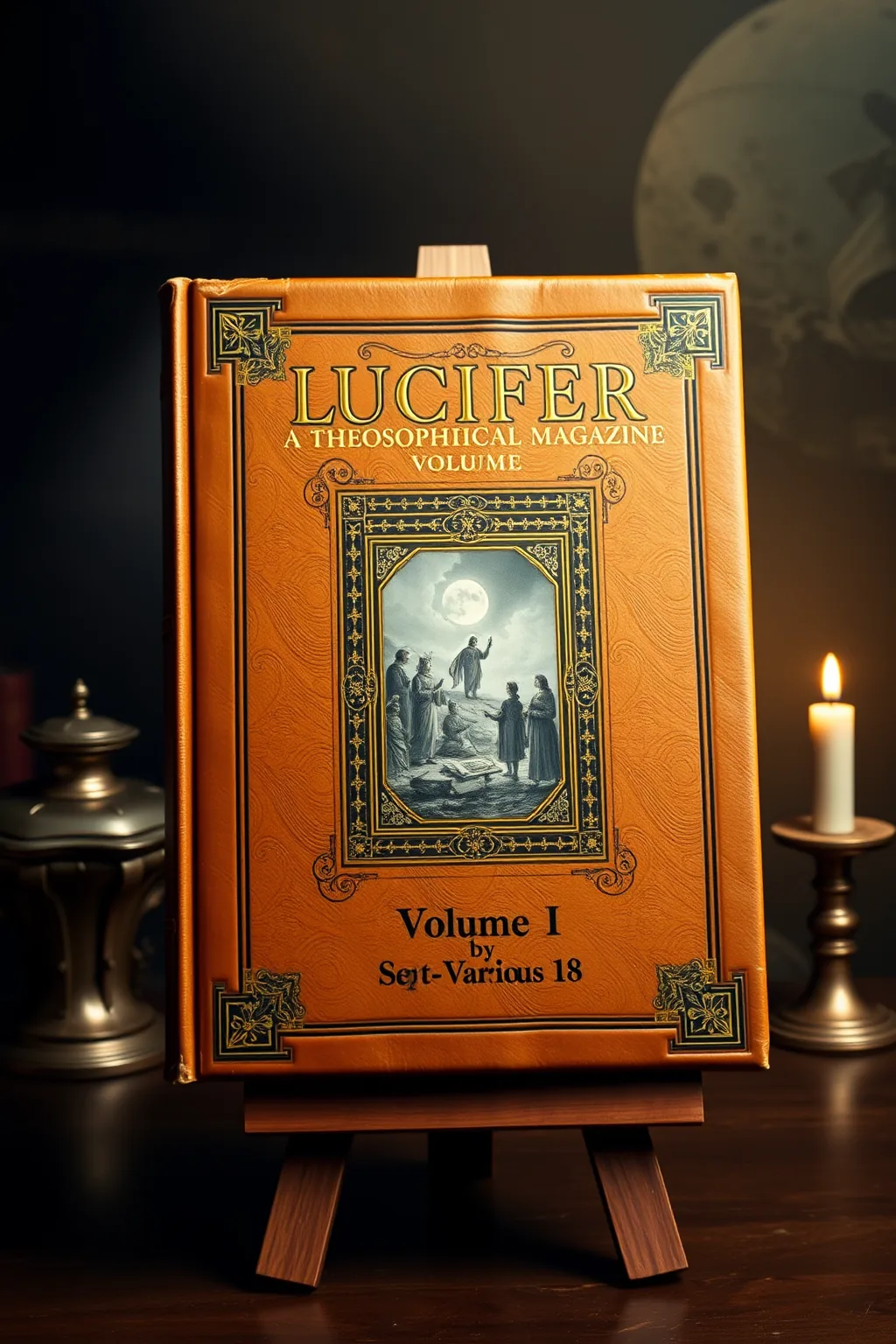
Lucifer: A Theosophical Magazine. Volume I. September 1887-February 1888.
 71
71

Lucifer: A Theosophical Magazine. Volume I. September 1887-February 1888.



Lucifer: A Theosophical Magazine. Volume I. September 1887-February 1888. is a treasure trove for modern esoteric seekers. The magazine's eclectic mix of articles provides a comprehensive overview of Theosophical beliefs and practices, making it an essential read for anyone interested in the occult. The writings are both intellectually stimulating and spiritually enlightening, offering a rare glimpse into the minds of some of the most influential Theosophists of the time. The historical context adds depth to the readings, allowing readers to appreciate the evolution of esoteric thought. The magazine's exploration of reincarnation, astral projection, and divine mysteries is particularly compelling, providing valuable insights for contemporary spiritual practitioners. For those new to Theosophy, this volume serves as an excellent introduction, while seasoned occultists will find it a rich source of esoteric knowledge. Overall, Lucifer: A Theosophical Magazine. Volume I. is a must-read for anyone seeking to deepen their understanding of the occult and its historical roots. Rating: 5/5
📝 Description
71
Published in 1887 and 1888, 'Lucifer: A Theosophical Magazine, Volume I' gathered writings on spiritual and occult subjects.
This first volume of 'Lucifer' magazine, running from September 1887 to February 1888, presents a collection of articles by various authors on esoteric topics. It sought to discuss spiritual knowledge, symbolism, and philosophical ideas outside mainstream thought of the era. The writings encourage deep reflection on spiritual matters and serve as a reference for those interested in hidden knowledge. The magazine aimed to reach a diverse audience, from academic researchers to those new to occult studies.
Its philosophical weight comes from discussions on subjects that go beyond everyday concerns. Readers are invited to consider how everything is connected and the perpetual conflict between opposing forces, concepts central to many esoteric traditions. The content reflects the intellectual currents of late 19th-century occultism and its engagement with Eastern philosophies and Western mysticism.
This volume belongs to the late 19th-century surge in Western esotericism, particularly the Theosophical movement founded by Helena Blavatsky. It emerged during a period when interest in Eastern religions, spiritualism, and occult philosophies was growing rapidly. Theosophy itself aimed to synthesize elements from various world religions and mystical traditions, presenting a universalist and often Gnostic-inflected worldview. 'Lucifer' magazine, in this context, acted as a platform for disseminating these ideas, engaging with contemporary debates on science, religion, and consciousness, and fostering a community of like-minded thinkers.
✍️ Author
💡 Why Read This Book?
Reading Lucifer: A Theosophical Magazine. Volume I. today offers a unique opportunity to explore the foundational principles of Theosophy and their enduring influence on modern esoteric thought. This volume provides a wealth of knowledge on reincarnation, astral projection, and divine mysteries, making it an invaluable resource for spiritual seekers. By delving into the writings of prominent Theosophists like Helena Blavatsky and William Quan Judge, readers gain a deeper understanding of the occult sciences and their historical context. This book is essential for anyone interested in the history of spiritualism and the evolution of esoteric practices.
⭐ Reader Reviews
Honest opinions from readers who have explored this book.
❓ Frequently Asked Questions
Who are the authors of Lucifer: A Theosophical Magazine. Volume I.?
The magazine features contributions from various authors, including prominent Theosophists like Helena Blavatsky and William Quan Judge.
What themes are explored in this volume?
The volume covers a range of esoteric themes, including reincarnation, astral projection, and the nature of the divine.
Is this book suitable for beginners in Theosophy?
Yes, this volume serves as an excellent introduction to Theosophical principles and practices, making it accessible for both beginners and seasoned occultists.
🔮 Key Themes & Symbolism
Theosophical Teachings
The volume looks at the core principles of Theosophy, offering insights into the hidden wisdom and spiritual knowledge that underpin this mystical tradition. It explores the interconnectedness of all things and the eternal struggle between light and darkness, providing readers with a deeper understanding of the spiritual realm.
Esoteric Symbolism
The collection features a wide range of esoteric symbols and their meanings, inviting readers to decipher the hidden messages and mystical codes embedded within ancient texts and rituals. This theme is crucial for anyone seeking to understand the deeper layers of spiritual symbolism.
Spiritual Inquiry
Theosophy encourages a profound introspection and spiritual inquiry, challenging readers to question the nature of reality and their place within the universe. This volume offers a wealth of philosophical reflections and mystical insights that inspire readers to begin their own spiritual journeys.
💡 Key Ideas
Editorial paraphrase of the work's core concepts — not direct quotes.
The path to enlightenment is not for the faint-hearted.
This quote underscores the challenges and sacrifices required on the spiritual journey.
In the silence of the night, the secrets of the universe whisper.
This line highlights the importance of quietude and introspection in spiritual practice.
The veil between worlds is thin, but the seeker's heart must be pure.
This passage emphasizes the need for spiritual purity and integrity in the pursuit of hidden knowledge.
The stars above are but reflections of the light within.
This quote suggests that the divine light is accessible to all who seek it within themselves.
The journey to the divine is a dance of light and shadow.
This line underscores the duality and balance required in spiritual growth and enlightenment.
🌙 Esoteric Significance
Tradition
This book belongs to the Theosophical tradition, which blends elements of Hermeticism, Gnosticism, and Eastern philosophies. It seeks to uncover the hidden wisdom that connects all spiritual paths and traditions.
Symbolism
Key symbols in this volume include the serpent, representing both temptation and wisdom; the cross, symbolizing the intersection of divine and earthly realms; and the lotus, signifying spiritual enlightenment and purity.
Modern Relevance
Today, practitioners of Theosophy and other esoteric traditions continue to draw on the insights presented in this volume. Its exploration of ancient wisdom and its relevance to modern times make it a valuable resource for contemporary seekers and scholars.
👥 Who Should Read This Book
Beginners in Theosophy will find this volume an excellent starting point, offering a comprehensive introduction to the core principles and esoteric teachings. Scholars of occult philosophy will appreciate the depth and breadth of the insights presented. Spiritual seekers will be inspired by the mystical and philosophical reflections, while practitioners of the occult will find valuable resources for their spiritual journeys.
📜 Historical Context
Published in the late 19th century, 'Lucifer: A Theosophical Magazine, Volume I,' emerged during a time of significant spiritual and intellectual ferment. The era saw a resurgence of interest in occult and esoteric traditions, with figures like Madame Blavatsky and Helena Petrovna Blavatsky playing key roles in popularizing Theosophy. This volume was influential in shaping the modern understanding of spiritual inquiry and mystical philosophy, providing a foundation for contemporary esoteric studies.
📔 Journal Prompts
How do the esoteric teachings in this volume resonate with your personal spiritual journey?
What symbols and metaphors in the text have the deepest meaning for you?
In what ways does this volume challenge or confirm your understanding of the divine?
How can you apply the insights from this volume to your daily life and spiritual practice?
What new questions or curiosities have emerged from your reading of this volume?
🗂️ Glossary
Theosophy
A philosophical and spiritual tradition that seeks to uncover the hidden wisdom and divine truths that underlie all religions and spiritual paths.
Esoteric
Relating to knowledge that is hidden or secret, often requiring initiation or special training to access.
Hermeticism
An ancient philosophical and spiritual tradition based on the writings attributed to Hermes Trismegistus, emphasizing the unity of all things.
Gnosticism
An ancient spiritual movement that emphasizes the acquisition of hidden knowledge (gnosis) as a path to salvation and spiritual enlightenment.
Symbolism
The use of symbols to represent abstract ideas or qualities, often employed in spiritual and mystical traditions to convey deeper meanings.
This book appears in 2 collections
🔮 Readers Also Liked
Browse all →




More by Various
All books →


From the “Theosophy” Collection
View all →



More Free Theosophy & Anthroposophy Books
View all →