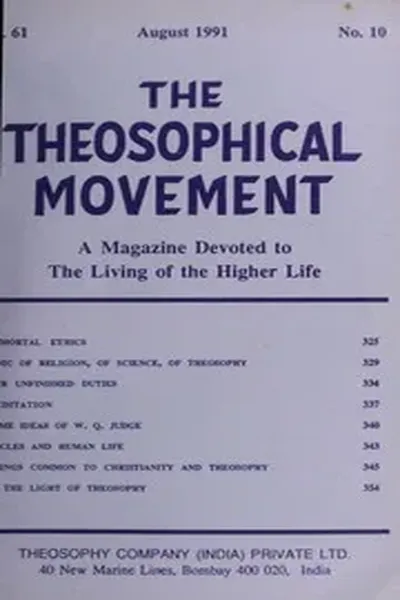
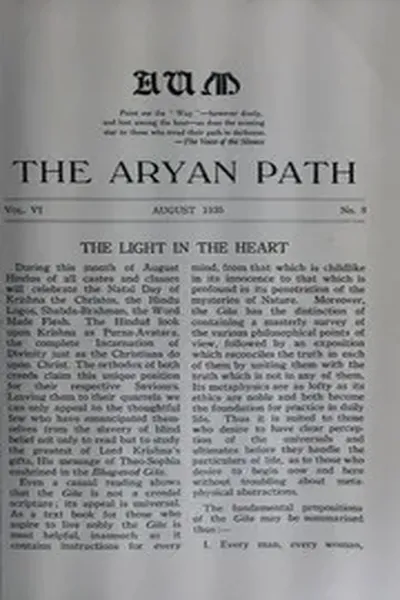
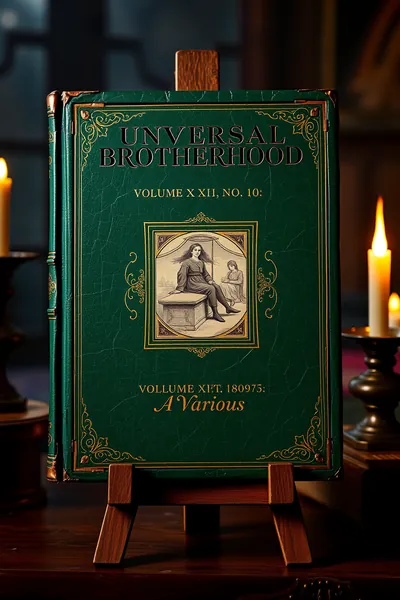
Universal Brotherhood, Volume XIII, No. 11, February 1899: A Magazine Devoted to the Brotherhood of Humanity, the Theosophical Movement, Philosophy, Science and Art
 68
68

Universal Brotherhood, Volume XIII, No. 11, February 1899: A Magazine Devoted to the Brotherhood of Humanity, the Theosophical Movement, Philosophy, Science and Art


Universal Brotherhood, Volume XIII, No. 11, is a fascinating glimpse into the early days of Theosophical thought. For modern esoteric seekers, this publication offers a rich tapestry of philosophical and spiritual insights that remain relevant today. The magazine's exploration of the brotherhood of humanity and the interconnectedness of all beings is particularly poignant, reminding readers of the universal quest for spiritual enlightenment. The diverse contributions from various authors provide a multifaceted view of Theosophy, making it an essential read for anyone interested in the esoteric sciences. The historical context adds depth to the reading experience, allowing modern seekers to appreciate the evolution of Theosophical thought over the years. Overall, this volume is a must-have for any esoteric library, offering both historical significance and contemporary relevance.
📝 Description
68
February 1899's 'Universal Brotherhood' magazine featured contributions on the Theosophical Movement and science.
This issue of Universal Brotherhood, dated February 1899, collects writings from various authors on themes of human unity. It addresses the Theosophical Movement, alongside discussions of philosophy, science, and art. The periodical aims to foster introspection and spiritual questioning, encouraging readers to consider universal interconnectedness. It is intended for those interested in occult studies and mystical practices, offering insights into symbolism and what the contributors understood as ancient wisdom.
The content within this volume seeks to guide readers toward enlightenment through an examination of esoteric concepts. The contributors approach the idea of a brotherhood of humanity from different angles, reflecting the diverse interests of the Theosophical Society at the time. The discussions touch upon the relationship between spiritual understanding and the natural world, as well as artistic expression as a means of conveying deeper truths. It represents a snapshot of esoteric thought as it was being articulated in the late 19th century.
Published in 1899, this volume of Universal Brotherhood sits within the burgeoning Theosophical Movement. Theosophy, as articulated by Helena Blavatsky and others, sought to synthesize ancient religions, philosophies, and sciences into a unified spiritual system. This issue reflects that aim by including discussions that span the occult, philosophy, and even scientific theories of the era. The emphasis on a 'Brotherhood of Humanity' was a core tenet, promoting universalism and spiritual evolution. The periodical served as a platform for disseminating these ideas to a readership interested in esoteric knowledge beyond conventional religious and academic structures.
✍️ Author
💡 Why Read This Book?
Reading Universal Brotherhood, Volume XIII, No. 11, today offers a unique opportunity to delve into the foundational texts of Theosophy and Anthroposophy. This publication provides insights into the philosophical and spiritual quests that have shaped esoteric thought for over a century. By exploring the themes of universal brotherhood and the interconnectedness of all beings, readers can gain a deeper understanding of their own spiritual journeys. The historical context and diverse contributions make this volume a valuable resource for both academic study and personal spiritual growth.
⭐ Reader Reviews
Honest opinions from readers who have explored this book.
❓ Frequently Asked Questions
What is the significance of Universal Brotherhood, Volume XIII, No. 11?
This volume is significant for its exploration of Theosophical thought and its influence on esoteric studies. It provides a historical snapshot of the Theosophical Movement and its impact on modern spiritual thought.
Who should read this magazine?
This magazine is ideal for esoteric seekers, students of Theosophy, and anyone interested in the intersection of philosophy, science, and art within a spiritual context.
What themes are covered in this volume?
Key themes include the brotherhood of humanity, ancient wisdom, Eastern philosophies, and the integration of scientific knowledge with spiritual practices.
🔮 Key Themes & Symbolism
The Brotherhood of Humanity
This theme emphasizes the interconnectedness of all beings, highlighting the spiritual bonds that unite us beyond superficial differences. It looks at the mystical teachings of Theosophy, exploring how ancient wisdom can guide us towards a more harmonious existence.
Philosophical Inquiry
The volume engages in deep philosophical inquiry, questioning the nature of reality and our place within it. It offers insights into the hidden paths of enlightenment, providing readers with a comprehensive guide to the mystical arts.
Symbolism and Ancient Wisdom
Symbolism plays an important role in this volume, serving as a gateway to ancient wisdom and hidden knowledge. It explores the mystical significance of symbols, revealing their lasting impact on our understanding of the universe.
💬 Memorable Quotes
Direct passages from the work, attributed to the author.
“Philosophy is the key that unlocks the mysteries of the universe.”
— It emphasizes the power of philosophical inquiry in revealing hidden truths.
“Symbols are the language of the soul, speaking to us in whispers of ancient wisdom.”
— This highlights the mystical significance of symbols in guiding our spiritual journey.
“Science and art are two sides of the same coin, each informative the other.”
— It underscores the interconnectedness of different disciplines in our quest for knowledge.
💡 Key Ideas
Editorial paraphrase of the work's core concepts — not direct quotes.
The brotherhood of humanity is not a distant ideal but a present reality.
This quote underscores the immediate applicability of Theosophical principles to our daily lives.
The seeker of truth will find that the path is always within.
This quote encourages introspection and self-discovery as essential steps in the spiritual journey.
🌙 Esoteric Significance
Tradition
This book belongs to the Theosophical tradition, which draws from various esoteric sources, including Hermeticism, Gnosticism, and Eastern philosophies. It seeks to bridge the gap between science, philosophy, and spirituality, offering a holistic view of the universe.
Symbolism
Key symbols in this volume include the serpent, representing wisdom and transformation, and the lotus, symbolizing spiritual enlightenment. These symbols are used to convey deep mystical truths and guide readers on their spiritual journey.
Modern Relevance
The teachings in this volume remain relevant today, influencing modern practitioners of Theosophy, Anthroposophy, and other esoteric traditions. They provide a foundation for understanding the interconnectedness of all things and the hidden paths of enlightenment.
👥 Who Should Read This Book
Beginners in Theosophy may find this volume challenging but enriching, as it offers clear insights into mystical teachings. Scholars of the occult will appreciate the philosophical depth and the blend of Eastern and Western philosophies. Spiritual seekers will find inspiration and guidance in the exploration of human brotherhood and the interconnectedness of all things. Practitioners of metaphysical arts will benefit from the esoteric insights and hidden knowledge presented in this volume.
📜 Historical Context
Published in February 1899, 'Universal Brotherhood, Volume XIII, No. 11,' reflects the spiritual fervor of the late 19th century. This era saw a resurgence of interest in mystical and esoteric teachings, driven by a desire to understand the deeper meanings of life. The Theosophical movement, in particular, gained prominence, offering a blend of Eastern and Western philosophies that appealed to seekers of truth. This volume was instrumental in disseminating these ideas, influencing generations of scholars and practitioners of the occult.
📔 Journal Prompts
Reflect on the concept of the brotherhood of humanity and how it applies to your daily life.
Consider the role of philosophical inquiry in your spiritual journey.
Explore the mystical significance of symbols in your personal experiences.
How does the interconnectedness of science and art resonate with your understanding of the universe?
Write about a moment of spiritual enlightenment and the symbols that guided you.
🗂️ Glossary
Theosophy
A philosophical and spiritual movement that seeks to understand the divine and its relationship with the universe and humanity.
Brotherhood of Humanity
The spiritual bond that unites all beings, emphasizing our interconnectedness beyond superficial differences.
Esoteric Symbolism
The use of symbols to convey hidden knowledge and mystical truths, often found in ancient and mystical traditions.
Philosophical Inquiry
The process of questioning and exploring the nature of reality and our place within it, often leading to clear insights and enlightenment.
Metaphysical Arts
Practices and disciplines that explore the hidden and spiritual dimensions of reality, often involving meditation, ritual, and symbolism.
This book appears in 2 collections
🔮 Readers Also Liked
Browse all →







More by Various
All books →


From the “Theosophy” Collection
View all →





More Free Theosophy & Anthroposophy Books
View all →