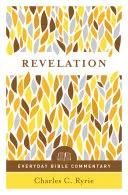
Revelation (Everyday Bible Commentary series)
 76
76

Revelation (Everyday Bible Commentary series)
Ryrie’s "Revelation" offers a welcome antidote to the often sensationalist or overly speculative readings of the Apocalypse. He wisely grounds his interpretation in the historical context of the late 1st century, arguing for a primary fulfillment of many prophecies within that era, a perspective often overlooked in popular eschatology. His strength lies in patiently untangling the dense symbolism, such as his clear explanation of the "beast" in chapter 13, linking it to Roman imperial power rather than a futuristic individual. However, the commentary occasionally feels constrained by its commitment to a specific dispensationalist framework, which may not satisfy readers from other theological traditions seeking a more pan-historical or purely symbolic reading. A particular passage that exemplifies Ryrie's directness is his treatment of the "seals," which he systematically interprets through a historical lens. While thorough, the prose can sometimes be dry, sacrificing narrative flow for academic precision. Ultimately, this is a reliable, if somewhat conservative, guide for those who wish to understand Revelation without succumbing to interpretive extremes.
📝 Description
76
Charles C. Ryrie's 1991 commentary demystifies Revelation's complex imagery.
Charles C. Ryrie's "Revelation" is part of the Everyday Bible Commentary series. It seeks to clarify the challenging apocalyptic visions John recorded. The book breaks down the symbolic language, hybrid figures like the beast with seven heads and ten horns, and the connection between historical context and future prophecy. Ryrie's aim is to bring understanding to a text often seen as confusing, making its messages more accessible.
This commentary is written for readers who find the Book of Revelation intimidating. It suits both those new to these visions and those with more experience looking for a grounded interpretation. Ryrie provides a systematic method for understanding difficult theological and prophetic material. The focus is on the core message, moving past sensational interpretations.
Ryrie's work, written in the 20th century, addresses a long history of eschatological discussion. The Book of Revelation itself dates to the late 1st century CE, a time of significant Roman persecution for early Christians. Ryrie considers this historical backdrop, including the political and religious environment of the Roman Empire. He situates his commentary within this historical context, recognizing the various ways Revelation has been interpreted throughout Christian history.
While placed within a Christian commentary series, "Revelation" touches upon themes often found in esoteric traditions due to its focus on apocalyptic literature and symbolic interpretation. Apocalyptic texts, by their nature, often contain coded messages, visions of hidden realities, and complex symbolism that require careful decoding. Ryrie's effort to explain the significance of numbers, colors, and figures like the Dragon and the Lamb engages with the very process of deciphering symbolic language that is central to many esoteric paths seeking deeper spiritual meaning beyond literal readings.
💡 Why Read This Book?
• Gain a clearer understanding of Revelation's symbolic language, such as the "seven churches" mentioned in chapters 2-3, moving beyond guesswork to informed interpretation. • Grasp the historical context of the Book of Revelation, first published in its canonical form around the late 1st century CE, which Ryrie anchors his analysis to. • Learn to distinguish between literal and figurative elements in apocalyptic literature, enabling you to critically engage with prophecy concerning events like the "New Jerusalem" described in chapter 21.
⭐ Reader Reviews
Honest opinions from readers who have explored this book.
❓ Frequently Asked Questions
What is the primary interpretive approach used in Ryrie's "Revelation" commentary?
Ryrie primarily employs a historical-preterist approach, suggesting many prophecies in Revelation found their initial fulfillment in the 1st century CE, particularly during the Roman Empire's era.
Who is Charles C. Ryrie and what is his background?
Charles C. Ryrie (1925-2016) was a prominent American theologian and author, known for his extensive work in systematic theology and biblical studies, particularly from a dispensationalist perspective.
When was Charles C. Ryrie's "Revelation" commentary first published?
This specific commentary, part of the Everyday Bible Commentary series, was first published on June 5, 2018.
What makes the Book of Revelation difficult to interpret?
Revelation is challenging due to its highly symbolic language, apocalyptic imagery (like the four horsemen), visions of hybrid creatures, and the complex interplay between historical events and future prophecy.
Does Ryrie's commentary discuss the Beast and the Mark of the Beast?
Yes, Ryrie's commentary addresses these significant symbols, interpreting the "Beast" within its 1st-century Roman context and discussing the implications of the "Mark of the Beast."
Is this commentary suitable for beginners?
Yes, the Everyday Bible Commentary series, including this volume on Revelation, is designed for laypeople and aims to provide clear, accessible explanations of complex biblical texts.
🔮 Key Themes & Symbolism
Symbolic Bestiary
The commentary meticulously examines the often-bizarre creatures described in Revelation, such as the locusts with scorpion tails (9:7-10) and the dragon with seven heads (12:3). Ryrie argues for understanding these not as literal entities but as symbolic representations of spiritual forces, political powers, and corrupting influences relevant to the original audience in the Roman Empire.
Theological Framework
Ryrie situates Revelation within a dispensationalist theological framework, emphasizing a distinction between Israel and the Church, and a future literal millennium. This perspective shapes his interpretation of events like the "Great Tribulation" and the "New Jerusalem" (21:1-4), viewing them through a lens of historical progression and future fulfillment.
Historical Fulfillment
A central theme is the argument for the primary fulfillment of many of Revelation's prophecies within the 1st century CE. Ryrie connects the visions to the historical context of the Roman Empire, identifying figures and events from that era as the original referents for John’s apocalyptic pronouncements.
Divine Sovereignty
Underpinning the often chaotic visions is the theme of God's ultimate control and sovereignty over history. Ryrie emphasizes that despite appearances of evil and persecution, Revelation assures believers of God's plan unfolding according to His will, culminating in the ultimate triumph of Christ and the establishment of His eternal kingdom.
💬 Memorable Quotes
“The book is difficult, but not impossible.”
— This statement encapsulates Ryrie's approach: acknowledging the complexity of Revelation while asserting that through careful study and sound methodology, its meaning can be apprehended by the dedicated reader.
“Revelation is predictive prophecy.”
— Ryrie views the core of Revelation as prophetic, focusing on future events, though he integrates historical context to understand the initial meaning and application of these predictions.
“The symbolism of the beast and its mark.”
— Ryrie interprets the 'beast' (chapters 13, 17) primarily as a symbol of oppressive governmental power, specifically linking it to the Roman Empire and its emperors during the time John wrote.
“The importance of understanding the historical context.”
— He stresses that ignoring the 1st-century setting, including Roman idolatry and persecution, leads to misinterpretations of symbols like the Mark of the Beast (13:16-18).
“The ultimate victory of God's people.”
— Despite visions of conflict and suffering, Ryrie highlights the book's overarching message of God's assured triumph and the final redemption and eternal dwelling of believers with God (21:3-4).
🌙 Esoteric Significance
Tradition
While Ryrie's commentary operates within mainstream evangelical Christianity, the Book of Revelation itself has been a fertile ground for esoteric interpretation across various traditions. Its visionary nature, symbolic language, and apocalyptic themes have attracted Gnostic, Kabbalistic, and Hermetic scholars seeking hidden meanings. Ryrie's work, by contrast, focuses on a literal and historical-prophetic reading, often distancing itself from esoteric approaches that see allegory or mystical correspondences.
Symbolism
The Book of Revelation is replete with symbols that have resonated within esoteric circles. The "seven stars" and "seven lampstands" (1:20) have been interpreted in mystical traditions as representing spiritual hierarchies or centers of divine energy. The "New Jerusalem" descending (21:2) is often seen as an archetype of a perfected spiritual state or a higher plane of existence, a concept explored in Theosophy and Rosicrucianism.
Modern Relevance
Contemporary esoteric thinkers and practitioners continue to draw inspiration from Revelation's archetypal imagery. While Ryrie's commentary aims for a specific theological clarification, modern esotericists might explore the "Dragon" (12:3) as a symbol of primal chaos or unconscious forces, or the "Woman clothed with the sun" (12:1) as an emblem of the divine feminine. Practices in ceremonial magic sometimes incorporate elements or interpretations derived from the book's visionary content.
👥 Who Should Read This Book
• Students of biblical prophecy seeking a structured, historical-critical approach to Revelation, particularly those interested in the dispensationalist perspective Ryrie represents. • Lay readers of the Bible who find Revelation's symbolism confusing and desire a guide that clarifies apocalyptic imagery and historical context. • Theologians and scholars of religion interested in examining a prominent evangelical interpretation of Revelation, contrasting it with other interpretive traditions.
📜 Historical Context
Charles C. Ryrie's "Revelation" commentary was published in 2018, engaging with over two millennia of Christian eschatological thought. The Book of Revelation itself, traditionally attributed to the Apostle John, emerged around 95 CE during a period of intense Roman persecution. This context of imperial power, emperor worship, and early Christian resistance profoundly shaped its apocalyptic imagery. Throughout history, interpretations have varied wildly, from the literalist readings of Joachim of Fiore in the 12th century to the more symbolic approaches favored by some Gnostic traditions. Ryrie's work, however, primarily engages with 19th and 20th-century dispensationalist theology, a movement influential in American evangelicalism. His commentary stands in dialogue with figures like John Nelson Darby, a key proponent of dispensationalism. While Ryrie acknowledges historical context, his primary aim is to elucidate the text through a specific theological lens, often contrasting with historicist or continuous-gap interpretations.
📔 Journal Prompts
The symbolic beast with seven heads and ten horns: what contemporary powers or systems does it represent?
Reflection on the prophetic nature of Revelation: how does understanding its predictive elements influence your worldview?
John's vision of the "New Jerusalem" (Rev. 21): what spiritual or eschatological hope does this imagery evoke?
The challenge of interpreting Revelation: how do Ryrie's methods aid in discerning literal from figurative language?
Consider the "Woman clothed with the sun" (Rev. 12): what archetypal feminine principles might this figure embody?
🗂️ Glossary
Apocalyptic Literature
A genre of literature characterized by symbolic imagery, visions, and prophecy, often concerning divine revelation about the end times or cosmic conflict between good and evil.
Dispensationalism
A theological system that interprets biblical history as divided into distinct periods or 'dispensations,' emphasizing a sharp distinction between Israel and the Church, and a future literal millennium.
Preterism
An eschatological viewpoint that interprets biblical prophecies, particularly those in Revelation, as having been fulfilled in the past, typically during the 1st century CE.
Symbolism
The use of objects, figures, or colors to represent abstract ideas or concepts. In Revelation, symbols like numbers (seven, twelve) and creatures convey deeper theological meaning.
Eschatology
The branch of theology concerned with the final destiny of the soul and the end of the world, often involving the study of prophecy and the end times.
The Beast
A symbolic figure in Revelation (e.g., chapters 13, 17) often interpreted as representing oppressive political power, idolatry, or anti-God systems, frequently linked to the Roman Empire in historical interpretations.
Patmos
A Greek island in the Aegean Sea where the Apostle John was exiled and received the visions recorded in the Book of Revelation.