What is Sufism-Martin Lings
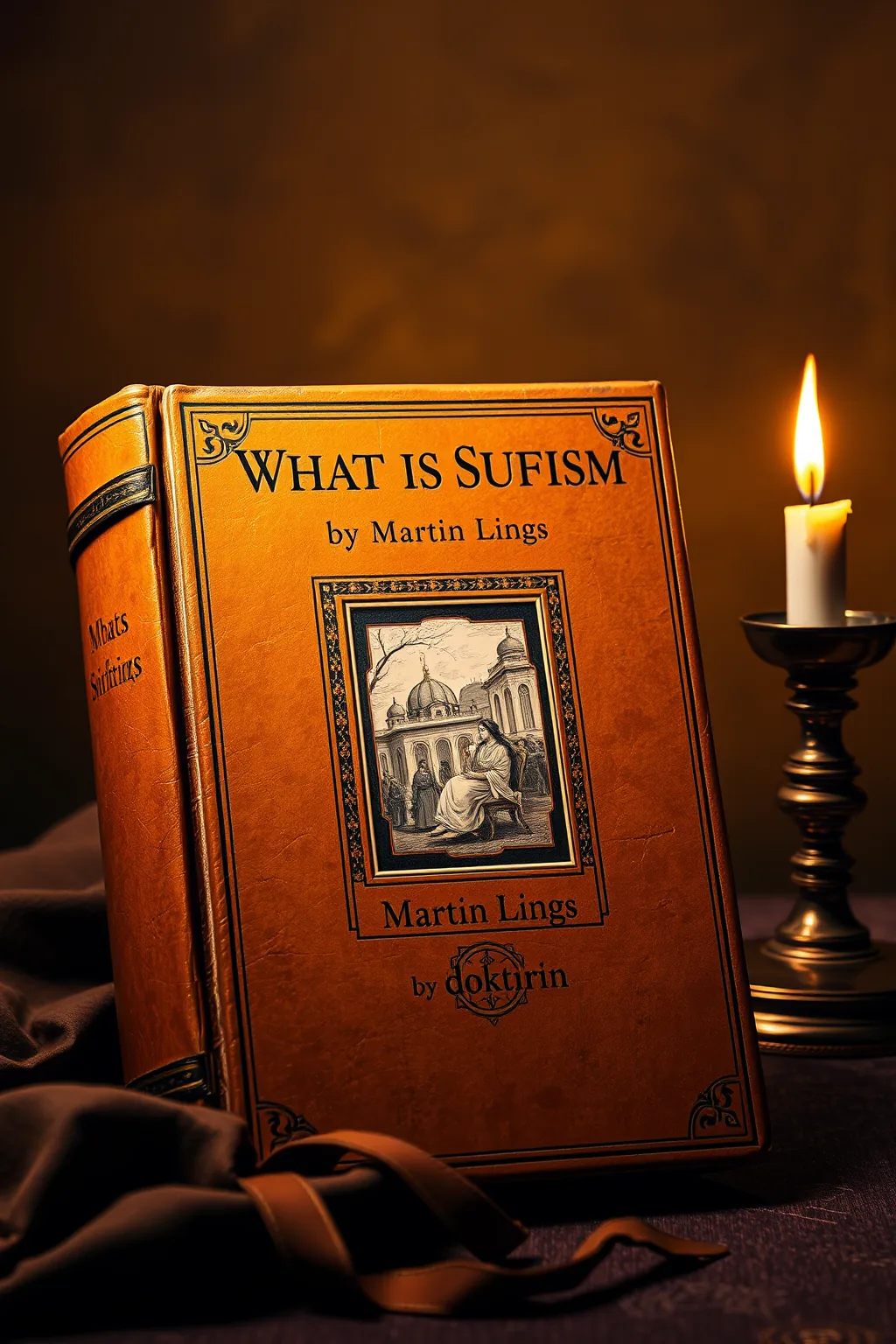
 83
83

What is Sufism-Martin Lings



Martin Lings' 'What is Sufism?' is a seminal work that stands as a beacon for modern esoteric seekers. The book's strength lies in its ability to bridge the gap between academic rigor and spiritual accessibility, making it an invaluable resource for anyone interested in the mystical traditions of Islam. Lings' writing is both scholarly and evocative, weaving together historical context, theological insights, and personal anecdotes to create a rich tapestry of Sufi thought. For those seeking to deepen their understanding of Sufism, this book is an essential read. It not only provides a comprehensive overview of Sufi practices and beliefs but also offers practical guidance for those on the spiritual path. The book's exploration of divine love and contemplative practices is particularly poignant, making it a valuable resource for spiritual seekers in today's fast-paced world.
📝 Description
83
Martin Lings published 'What is Sufism?' in 1983.
Martin Lings' 1983 book, 'What is Sufism?', explains the mystical dimension of Islam. Lings, a scholar and convert to Islam, aimed to present Sufism clearly to a Western audience. The book covers Sufi beliefs and practices, detailing concepts like the divine unity, the nature of the soul, and the path of spiritual realization. Lings writes with an understanding of both Islamic tradition and Western thought, making complex ideas accessible.
He discusses the importance of a spiritual guide, the role of love in the Sufi path, and the esoteric interpretation of the Quran. The book also touches on the historical development of Sufism and its various orders. Lings’ approach is direct, focusing on the core tenets that define Sufi spirituality. It is a guide for those interested in the inner life of Islam, beyond mere ritual or political interpretations.
This book sits within the broader esoteric tradition that seeks the inner meaning of religious forms. Sufism, as presented by Lings, is not separate from Islam but its heart. It connects to a lineage of mystical thought found in many religions, emphasizing direct experience of the divine. Lings' work is a bridge, explaining these concepts using language accessible to those outside the Islamic tradition, yet deeply respectful of its origins.
💡 Why Read This Book?
Reading 'What is Sufism?' today offers a unique opportunity to connect with the timeless wisdom of Sufi mysticism. In a world increasingly driven by materialism, this book provides a refreshing perspective on spiritual growth and inner peace. Readers will gain a deeper understanding of the esoteric traditions of Islam, as well as practical insights into meditation and contemplation. This book is particularly relevant for those seeking to integrate spiritual practices into their daily lives, offering a roadmap for spiritual transformation and enlightenment.
⭐ Reader Reviews
Honest opinions from readers who have explored this book.
❓ Frequently Asked Questions
What is the main focus of 'What is Sufism?'
'What is Sufism?' focuses on the mystical and esoteric dimensions of Islam, providing an in-depth look at Sufi practices, philosophies, and historical context.
Who should read this book?
This book is ideal for spiritual seekers, students of Islamic mysticism, and anyone interested in the esoteric traditions of Sufism.
What makes this book unique?
The book's unique blend of academic rigor and spiritual accessibility makes it a valuable resource for both scholars and spiritual seekers.
🔮 Key Themes & Symbolism
Esoteric Knowledge
What is Sufism? looks at the hidden dimensions of Islamic spirituality, revealing the esoteric knowledge that lies at the heart of Sufi thought. This theme explores the transformative power of esoteric teachings and their significance in spiritual practice.
Symbolism and Metaphor
The book is rich with symbolism and metaphor, offering readers a deep dive into the intricate language of Sufi mysticism. This theme highlights the profound meanings behind Sufi symbols and their role in spiritual enlightenment.
Spiritual Transformation
What is Sufism? emphasizes the path to inner enlightenment and spiritual transformation. This theme explores the practices and teachings that guide seekers on their journey towards a deeper connection to the divine.
💡 Key Ideas
Editorial paraphrase of the work's core concepts — not direct quotes.
Sufism is the inward dimension of Islam.
This quote underscores the esoteric nature of Sufism, highlighting its role as the mystical heart of Islamic spirituality.
The Sufi seeks to know God, not just believe in Him.
This passage emphasizes the active and experiential nature of Sufi spirituality, focusing on direct knowledge of the divine.
The path to God is a journey of the heart.
This quote illustrates the emotional and spiritual depth required for Sufi practice, guiding seekers towards inner transformation.
Symbolism is the language of the soul.
This line highlights the significance of symbols in Sufi thought, revealing their role in conveying profound spiritual truths.
The ultimate goal of Sufism is union with the divine.
This quote emphasizes the transformative power of Sufi teachings, aiming for a complete and intimate connection with God.
🌙 Esoteric Significance
Tradition
What is Sufism? belongs to the mystical tradition of Sufism, the esoteric branch of Islam. This tradition emphasizes the inner dimensions of faith, focusing on spiritual practices and esoteric knowledge that lead to a deeper connection with the divine.
Symbolism
Key symbols in this book include the heart, the path, and the journey. These symbols represent the spiritual journey of the Sufi, the inward dimension of Islam, and the transformative power of esoteric teachings. They serve as guides for seekers on their path to enlightenment.
Modern Relevance
What is Sufism? remains relevant today as it provides a rich source of esoteric knowledge and spiritual practices. Modern practitioners and scholars continue to draw on its insights, using them to deepen their understanding of Sufi thought and to guide their spiritual journeys.
👥 Who Should Read This Book
What is Sufism? is ideal for spiritual seekers, scholars of Islamic mysticism, and practitioners of contemplative arts. Beginners will find it a comprehensive introduction to Sufi thought, while advanced readers will appreciate its depth and authority. Those interested in the esoteric dimensions of Islam will find this book particularly enriching, as it offers a profound exploration of hidden knowledge and transformative practices.
📜 Historical Context
What is Sufism? by Martin Lings was published in 2005, a time when interest in Islamic mysticism was growing. The book's importance lies in its ability to provide a comprehensive and accessible introduction to Sufi thought, making it a valuable resource for both scholars and spiritual seekers. Its influence can be seen in the increased academic and public interest in Sufism, as well as its impact on contemporary spiritual practices.
📔 Journal Prompts
Reflect on your understanding of Sufi symbolism after reading this book.
How has your spiritual practice been influenced by the teachings in What is Sufism?
Consider the role of esoteric knowledge in your journey towards the divine.
Explore the concept of the 'journey of the heart' in your own spiritual path.
How does the idea of union with the divine resonate with your personal beliefs?
🗂️ Glossary
Sufism
The mystical branch of Islam, focusing on the inward dimensions of faith and spiritual practices that lead to a deeper connection with the divine.
Esoteric Knowledge
Hidden or secret knowledge that is revealed through spiritual practices and inner enlightenment.
Symbolism
The use of symbols to convey profound spiritual truths and guide seekers on their journey towards the divine.
Spiritual Transformation
The process of inner enlightenment and transformation that occurs through spiritual practices and esoteric teachings.
Union with the Divine
The ultimate goal of Sufism, aiming for a complete and intimate connection with God.
This book appears in 2 collections
🔮 Readers Also Liked
Browse all →





From the “Christian Mysticism” Collection
View all →






More Free Mysticism & Contemplation Books
View all →