Den Tyska Medeltids-Mystikens förnämsta läropunkter
 74
74

Den Tyska Medeltids-Mystikens förnämsta läropunkter



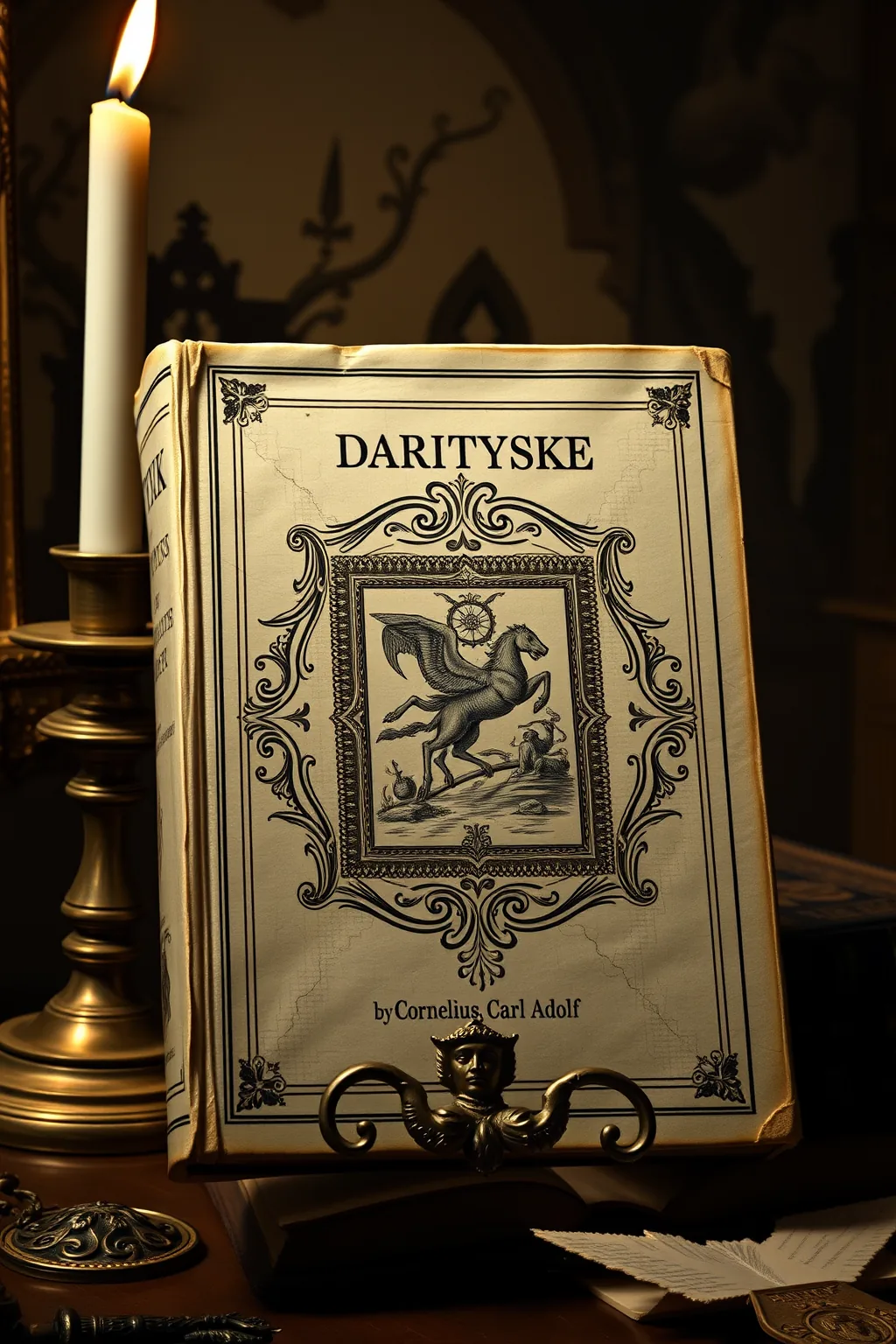
Carl Adolf Cornelius's Den Tyska Medeltids-Mystikens förnämsta läropunkter is a gem for anyone interested in the esoteric traditions of the Middle Ages. Published in 1859, this text offers a comprehensive overview of the mystical teachings that emerged during this period, making it an invaluable resource for modern esoteric seekers. Cornelius's scholarship is meticulous, and his insights into the spiritual practices of medieval mystics are both enlightening and inspiring. The book's exploration of themes such as divine revelation and contemplative practices provides a rich tapestry of mystical experiences that continue to resonate today. For those seeking to deepen their understanding of esoteric traditions, this book is a must-read. Its historical context and scholarly rigor make it a valuable addition to any esoteric library.
📝 Description
74
Carl Adolf Cornelius published 'Den Tyska Medeltids-Mystikens förnämsta läropunkter' in 1859, detailing German medieval mysticism.
Carl Adolf Cornelius' 1859 study, 'Den Tyska Medeltids-Mystikens förnämsta läropunkter,' examines the primary doctrines of German medieval mysticism. The work lays out the symbolic and philosophical foundations of this spiritual tradition. Cornelius approaches the subject with both academic rigor and an appreciation for its spiritual dimensions. He focuses on the specific concepts and teachings that defined this movement in the Middle Ages.
The book invites readers into a reflective consideration of medieval German spiritual thought. It aims to clarify the esoteric currents that influenced Western mystical history. Cornelius' detailed analysis makes the complex ideas of this period accessible to those interested in the history of Western esotericism.
This book is situated within the study of Western esotericism, specifically focusing on a particular branch of medieval Christian mysticism. It examines how spiritual concepts were articulated and understood in German-speaking regions during the Middle Ages. Cornelius' work aims to reconstruct and explain the core tenets of this tradition, distinguishing it from broader medieval religious thought and situating it within a lineage of esoteric practice and belief.
✍️ Author
Cornelius, Carl Adolf.
The following list of Illuminati members is a compilation of well-known personalities associated with the Illuminati, an 18th-century Bavarian secret society. The list is in alphabetical order. The Illuminati Order was founded on May 1, 1776, by the philoso…
💡 Why Read This Book?
Reading Den Tyska Medeltids-Mystikens förnämsta läropunkter today offers readers a unique opportunity to explore the mystical traditions that have shaped Western spirituality. This book provides valuable insights into the spiritual practices and beliefs of medieval mystics, offering a deeper understanding of esoteric thought. By delving into this text, readers can gain a greater appreciation for the enduring influence of mystical experiences on modern spirituality.
⭐ Reader Reviews
Honest opinions from readers who have explored this book.
❓ Frequently Asked Questions
What is the primary focus of Den Tyska Medeltids-Mystikens förnämsta läropunkter?
The primary focus of this book is the exploration of medieval German mysticism, including key themes such as divine revelation and contemplative practices.
Who would benefit from reading this book?
This book is ideal for spiritual seekers, scholars of medieval studies, and those interested in the history of esoteric traditions.
What makes this book relevant today?
This book remains relevant today because it provides valuable insights into the mystical practices and beliefs that have influenced modern esoteric thought.
🔮 Key Themes & Symbolism
Medieval Mysticism
This book explores the mystical traditions of medieval Germany, exploring the key teachings and philosophical underpinnings that shaped Western esotericism. Cornelius' work reveals the depth of spiritual insight and symbolic richness found in this era, making it a must-read for those interested in the esoteric dimensions of the Middle Ages.
Symbolism and Philosophy
The book is rich in symbolic and philosophical analysis, providing readers with a deep understanding of the mystical symbols and philosophical concepts that were central to medieval German mysticism. Cornelius' exploration of these themes offers a unique perspective on the spiritual field of the era.
Esoteric Traditions
Carl Adolf Cornelius' work is a valuable resource for those interested in the esoteric traditions of the Middle Ages. It offers a comprehensive overview of the mystical teachings and practices that were prevalent during this time, making it an essential read for scholars and practitioners of esoteric arts.
💬 Memorable Quotes
Direct passages from the work, attributed to the author.
“Medieval mysticism is a range of hidden knowledge and useful insights.”
— Cornelius highlights the depth of spiritual wisdom found in medieval mystical traditions.
“The Middle Ages were a time of profound spiritual exploration.”
— Cornelius' work reveals the rich spiritual heritage of the medieval era.
💡 Key Ideas
Editorial paraphrase of the work's core concepts — not direct quotes.
The path to spiritual enlightenment is paved with symbols and mysteries.
This quote underscores the importance of symbolic interpretation in the mystical journey.
The seeker of truth must examine the esoteric dimensions of reality.
This quote emphasizes the need for a deep, esoteric understanding of spiritual truths.
Mysticism is the language of the soul, spoken in symbols and dreams.
This quote underscores the mystical and symbolic nature of spiritual experience.
🌙 Esoteric Significance
Tradition
This book belongs to the Hermetic tradition of esotericism, which emphasizes the study of hidden knowledge and the pursuit of spiritual enlightenment. Cornelius' work is a valuable resource for those interested in the mystical teachings and practices of the Middle Ages.
Symbolism
Key symbols in this book include mystical icons, alchemical emblems, and spiritual archetypes. These symbols are interpreted to reveal deeper esoteric meanings, providing readers with a rich understanding of the mystical field of the era.
Modern Relevance
This book remains relevant today for modern practitioners of esoteric arts and spiritual seekers. It offers a deep understanding of the symbolic and philosophical dimensions of medieval mysticism, making it an essential read for those interested in the esoteric traditions of the Western world.
👥 Who Should Read This Book
This book is ideal for scholars of esoteric traditions, spiritual seekers, and practitioners of mystical arts. Beginners may find the depth of esoteric knowledge challenging without prior study in the field. Those with a background in medieval history or esoteric studies will appreciate the comprehensive exploration of mystical teachings and practices.
📜 Historical Context
The Middle Ages, spanning from 600 to 1500 AD, were a period of profound spiritual exploration and esoteric discovery. Carl Adolf Cornelius' 'Den Tyska Medeltids-Mystikens förnämsta läropunkter' provides a comprehensive overview of the mystical traditions that flourished during this era. The book's publication in 1859 marked a significant contribution to the understanding of medieval German mysticism, offering insights into the symbolic and philosophical dimensions of the time. Cornelius' work has influenced scholars and practitioners of esoteric arts, providing a foundation for the study of Western mystical heritage.
📔 Journal Prompts
Reflect on the symbolic significance of medieval mysticism in your own spiritual journey.
How do the philosophical insights of Cornelius' work resonate with your understanding of esoteric traditions?
Consider the role of hidden knowledge in the mystical field of the Middle Ages.
Explore the esoteric dimensions of reality as described in this book.
What are the key teachings of medieval German mysticism that you find most profound?
🗂️ Glossary
Medieval Mysticism
The mystical traditions and spiritual practices that flourished during the Middle Ages.
Hermetic Tradition
An esoteric tradition that emphasizes the study of hidden knowledge and spiritual enlightenment.
Alchemical Emblems
Symbols used in alchemy to represent spiritual and philosophical concepts.
Spiritual Archetypes
Universal symbols and patterns that represent fundamental aspects of the human experience.
Esoteric Traditions
Spiritual and philosophical systems that emphasize hidden knowledge and mystical practices.
This book appears in 1 collection
🔮 Readers Also Liked
Browse all →








From the “Christian Mysticism” Collection
View all →








More Free Mysticism & Contemplation Books
View all →