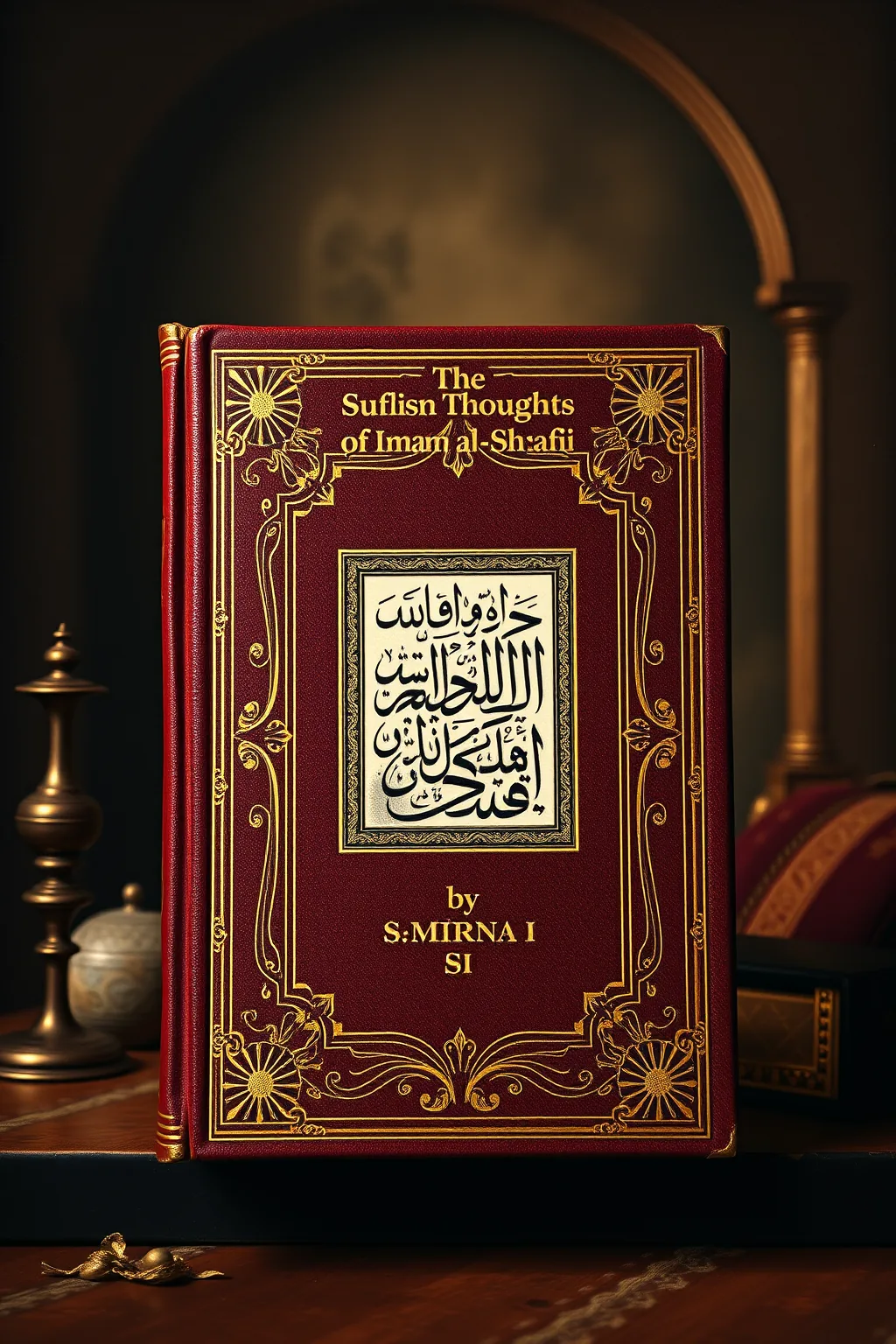
The Sufism Thoughts of Imam al-Shafii
 78
78

The Sufism Thoughts of Imam al-Shafii



By Aurelia Blackwood (Occult Philosophy Critic) — Smirna Si's 'The Sufism Thoughts of Imam al-Shafii' is a revelation, peeling back the layers of orthodoxy to expose the luminous core of al-Shafii's mystical heart. Si masterfully deciphers the esoteric allusions within the Diwan, presenting al-Shafii not merely as a jurist, but as a profound mystic whose verses echo with the timeless pursuit of the Divine. The author's scholarly yet accessible approach grants readers profound insights into Sufi cosmology, the nature of spiritual longing, and the subtle art of divine communion. This is an indispensable text for serious students of esoteric Islam and anyone seeking to understand the universal language of the soul's quest for transcendence.
📝 Description
78
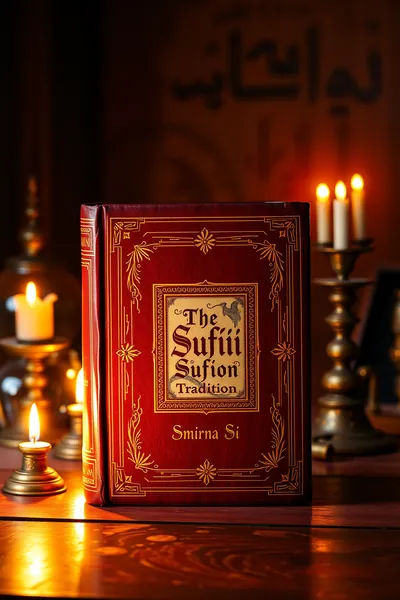
Smirna Si's 2018 book examines Imam al-Shafii's poetry for its Sufi dimensions.
Smirna Si's work analyzes the spiritual content within Imam al-Shafii's Diwan. Often recognized for his legal scholarship, al-Shafii also expressed deep mystical sentiments in his poetry. Si focuses on these contemplative aspects, which are frequently overlooked. She highlights al-Shafii's expressed desire for closeness to God and his views on the soul's spiritual progression. The book details the symbolic language al-Shafii used to convey these ideas, suggesting that his verses contain layers of meaning pointing toward spiritual truth and the process of purification.
This study is for those interested in the internal aspects of Islamic faith. It aims to clarify the mystical influences present in early Islamic intellectual history. The book also connects readers to a historical current of devotion and spiritual knowledge within Islam. Si's writing creates a space for reflection, encouraging a greater understanding of the philosophical basis of Sufi practices.
This book situates Imam al-Shafii within the early development of Sufism, the esoteric tradition within Islam. While al-Shafii is primarily known as a jurist who codified Islamic law, this study uncovers his contributions to mystical thought. It examines how his poetry expresses a personal yearning for God and a sophisticated understanding of the soul's journey toward the divine. The work connects al-Shafii's personal expressions of faith to the broader intellectual currents that shaped early Islamic mysticism, revealing a less-discussed aspect of his legacy.
💡 Why Read This Book?
Uncover the hidden mystical dimensions of Imam al-Shafii, moving beyond his legalistic reputation. 'The Sufism Thoughts' offers a deep dive into esoteric Islamic philosophy, revealing profound truths about divine love, spiritual ascent, and the symbolism of the soul's journey. Ideal for seekers of hidden wisdom, scholars of comparative mysticism, and practitioners of contemplative traditions.
⭐ Reader Reviews
Honest opinions from readers who have explored this book.
❓ Frequently Asked Questions
Is this book a biography of Imam al-Shafii?
No, this book is a critical analysis of the mystical and esoteric themes present in Imam al-Shafii's poetry, specifically his Diwan, rather than a biographical account.
What specific esoteric tradition does this book explore?
The book delves into the early development of Islamic mysticism, known as Sufism, as expressed through the poetic works of Imam al-Shafii.
Do I need prior knowledge of Islam or Sufism to read this book?
While prior knowledge can enhance understanding, the author provides clear explanations, making it accessible to those new to the subject but eager to learn about Islamic mysticism.
What is the 'Diwan al-Shafii'?
The Diwan al-Shafii refers to the collection of poetry attributed to Imam al-Shafii, which serves as the primary source for the mystical interpretations presented in this book.
How does this book connect Imam al-Shafii's legal thought to his mystical thought?
The book argues that al-Shafii's legal framework was informed by a deep spiritual consciousness, and it explores how his contemplative insights informed his understanding of divine law and human conduct.
🔮 Key Themes & Symbolism
The Veiled Heart of Gnosis
This theme explores the concept of gnosis (ma'rifa) as a central pillar of al-Shafii's contemplative thought. It looks at how his verses act as keys to unlocking direct, intuitive knowledge of the Divine, transcending mere intellectual understanding. The text illuminates the esoteric pathways to this profound realization, emphasizing the purification of the heart and the dissolution of ego as prerequisites for experiencing divine presence. It highlights the symbolic language used to convey the ineffable nature of spiritual awakening and the ultimate union with the Absolute.
The Ascent of the Soul
This section meticulously examines the stages of the soul's journey towards God as depicted in al-Shafii's poetry. It unpacks the symbolism of spiritual struggle, purification (tazkiyah), and the gradual shedding of worldly attachments. The text reveals al-Shafii's nuanced understanding of the inner battles faced by the spiritual aspirant and the transformative power of divine love in facilitating this ascent. Readers will gain insight into the esoteric architecture of the soul's evolution, mirroring the Sufi concept of the 'seven heavens' of the heart.
Symbolism of Divine Love and Longing
Here, the focus is on the profound expression of divine love ('ishq) and yearning (shawq) that permeates al-Shafii's verses. Smirna Si unravels the collection of metaphors and allegories used to articulate this ecstatic devotion. The text explores how al-Shafii employs natural imagery, human relationships, and cosmic phenomena to symbolize the soul's insatiable desire for the Beloved. This theme highlights the subjective experience of divine presence and the transformative power of love as the ultimate catalyst for spiritual realization.
💬 Memorable Quotes
Direct passages from the work, attributed to the author.
“In the silence, the Divine whispers its secrets.”
— Emphasizes the importance of contemplative quietude for receiving divine guidance and understanding profound spiritual truths.
“Each tear shed in longing is a drop of pure essence.”
— Highlights the purifying and refining power of sincere spiritual yearning, transforming sorrow into a divine offering.
“The path is walked not with feet, but with the soul.”
— Underscores that spiritual progress is an internal journey of the spirit, independent of physical movement or worldly endeavors.
“To know the Beloved is to lose oneself.”
— Refers to the Sufi concept of annihilation of the ego (fana) as a necessary step towards true union and intimate knowledge of the Divine.
💡 Key Ideas
Editorial paraphrase of the work's core concepts — not direct quotes.
The heart, once illuminated, sees beyond the veil.
This quote signifies that true spiritual insight comes from an inner awakening, allowing one to perceive realities hidden from the ordinary senses.
🌙 Esoteric Significance
Tradition
This book is deeply rooted in the early development of Islamic mysticism, known as Sufism. It specifically examines the esoteric dimensions within the theological and legal tradition established by Imam al-Shafii, revealing how the pursuit of inner spiritual realization (tazkiyah and ma'rifa) was interwoven with the outward practice of Islamic law. It offers a bridge between orthodox scholarship and the mystical path, showcasing the universal human yearning for divine connection that transcends specific religious formulations.
Symbolism
Key symbols explored include the heart as the locus of divine perception, light (nur) representing divine illumination, and the Beloved (al-Habib) symbolizing God. The poetry often uses metaphors of nature, travel, and intoxication to convey states of spiritual ecstasy, longing, and the annihilation of the ego. The Diwan's verses act as allegorical maps, guiding the reader through the inner range of the soul's journey towards unity with the Divine.
Modern Relevance
In an age often characterized by materialism and spiritual seeking, 'The Sufism Thoughts of Imam al-Shafii' offers clear insights into the enduring human need for connection with the transcendent. It provides a timeless perspective on cultivating inner peace, understanding the nature of divine love, and working through the spiritual path through contemplative practices. For modern seekers, it illuminates the universality of mystical experience and the potential for profound self-discovery within diverse spiritual traditions.
👥 Who Should Read This Book
This clear work is essential for seekers of esoteric knowledge and those interested in the spiritual dimensions of Islam. Scholars of comparative religion and Islamic studies will find it an invaluable resource for understanding the nuanced relationship between law and mysticism. Practitioners of Sufism and other contemplative disciplines will discover fresh perspectives on core concepts like divine love, spiritual ascent, and gnosis. Beginners to Islamic mysticism will find a clear and accessible entry point into the profound wisdom of Imam al-Shafii, presented through an engaging and scholarly lens.
📜 Historical Context
Imam al-Shafii (767-820 CE) lived during a key era in Islamic intellectual history, a period of burgeoning legal scholarship and the nascent development of Sufi thought. While renowned for establishing one of the four major Sunni legal schools, his era also saw a growing emphasis on inner spiritual experience and the quest for direct knowledge of God. The Diwan al-Shafii, his collection of poetry, offers a unique window into the contemplative and mystical leanings of a figure often primarily associated with jurisprudence. This period was characterized by a deep engagement with the Quran and Sunnah, seeking not only to codify religious practice but also to understand its profound spiritual and ethical implications. Smirna Si's work situates al-Shafii's mystical thoughts within this rich intellectual milieu, demonstrating how the pursuit of divine proximity was an integral, albeit often less publicized, aspect of early Islamic scholarship.
📔 Journal Prompts
Reflect on a moment when you felt a profound sense of divine presence. What symbols or feelings did you experience?
How does the concept of 'losing oneself' to find the Beloved resonate with your personal journey?
Consider the 'veiled heart' – what aspects of yourself or the world are obscured from your perception, and how can you seek illumination?
What does 'spiritual ascent' mean to you, and what are the 'steps' you are taking or can take on your inner path?
Explore the idea of divine love (ishq) as a transformative force in your life. How does it manifest, or how could it?
🗂️ Glossary
Sufism
The mystical dimension of Islam, focused on the inward journey of the soul and the direct experience of God through love, devotion, and asceticism.
Ma'rifa
Gnosis or intuitive spiritual knowledge of God, often attained through direct experience rather than intellectual reasoning.
Diwan
A collection of poems, particularly in Arabic and Persian literature, often organized by rhyme or meter.
Tazkiyah
Spiritual purification or self-cleansing, the process of refining the soul from negative traits and cultivating virtues.
'Ishq
Passionate, divine love; a central concept in Sufism representing the soul's intense longing and devotion for God.
This book appears in 2 collections
🔮 Readers Also Liked
Browse all →







More by Smirna Si
All books →


From the “Christian Mysticism” Collection
View all →









More Free Mysticism & Contemplation Books
View all →