The Hymns of Hermes
 83
83

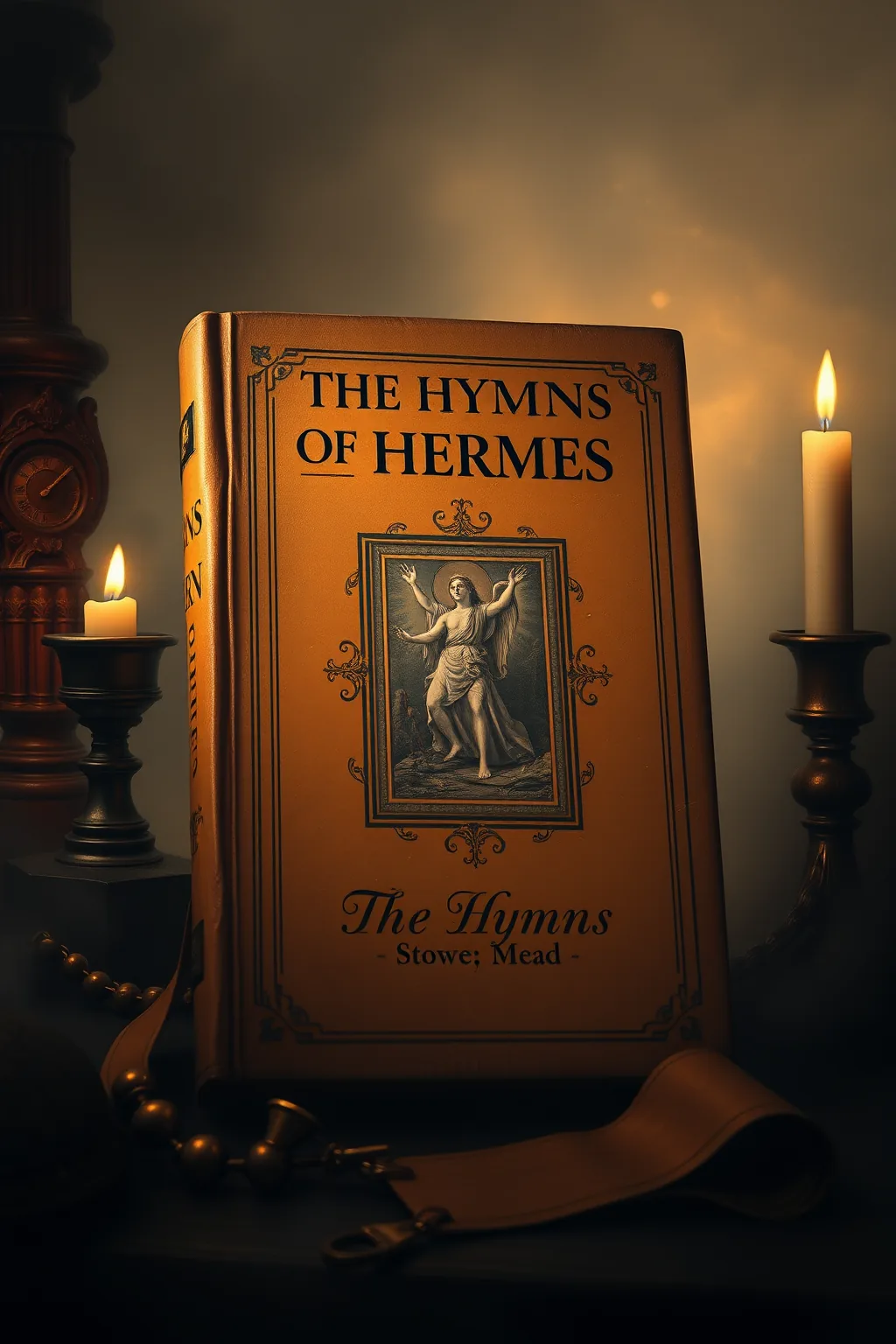
The Hymns of Hermes



Lorelei Sage, Contemplative Literature Editor: G.R.S. Mead's 'The Hymns of Hermes' is a radiant gem within the esoteric canon. Mead's translation and presentation of these devotional texts offer a potent pathway to the heart of Gnostic spirituality. The lyrical quality of the hymns, coupled with their profound philosophical underpinnings, creates an atmosphere conducive to deep meditation and spiritual awakening. Each verse resonates with an ancient wisdom, guiding the reader towards self-realization and divine union. This collection is an indispensable resource for serious students of mysticism and anyone seeking to cultivate a more intimate connection with the divine essence. Its strength lies in its accessibility and its direct appeal to the soul's innate longing for Gnosis.
📝 Description
83
George Robert Stowe Mead published 'The Hymns of Hermes' in 1907 as the second volume in his 'Echoes from the Gnosis' series.
This collection presents devotional and mystical verses from the Gnostic tradition, translated and interpreted by G.R.S. Mead. The book includes hymns such as 'The Service of Song' and 'A Song of Praise for the Aeon.' Mead aimed to provide texts that could serve as a direct conduit to spiritual understanding, moving beyond mere poetic recitation. He framed these hymns as keys to inner contemplation, meant to facilitate a personal connection with divine principles. The intention was to guide the sincere seeker toward a more direct experience of the spiritual, emphasizing insight over established doctrines. The work cultivates an atmosphere of peace and reverence, encouraging an intellectual and spiritual awakening for those pursuing a deeper understanding of Gnosis.
Published in 1907, 'The Hymns of Hermes' emerged from the Theosophical milieu and G.R.S. Mead's specific interest in Gnosticism. Mead sought to revive and make accessible the teachings of early Christian and Hellenistic mystical movements. This volume is part of his larger effort, 'Echoes from the Gnosis,' to present primary Gnostic texts with commentary for a modern audience. It sits within a broader late 19th and early 20th-century revival of interest in esoteric traditions, including Hermeticism, alchemy, and various forms of Western mysticism. Mead's work provided a distinct interpretation of these ancient spiritual paths.
✍️ Author

George Robert Stowe Mead
George Robert Stowe Mead was an English author and scholar of Gnosticism and early Christian mysticism.
Esoteric Writer
💡 Why Read This Book?
Embark on a journey of spiritual discovery with 'The Hymns of Hermes.' This collection offers a direct conduit to ancient Gnostic wisdom, fostering deep contemplation and inner peace. Ideal for seekers of truth, students of mysticism, and practitioners of meditative arts, it provides luminous verses designed to awaken the soul and cultivate a profound connection with the divine. Experience the transformative power of sacred poetry.
⭐ Reader Reviews
Honest opinions from readers who have explored this book.
❓ Frequently Asked Questions
What is Gnosis, as presented in these hymns?
Gnosis, in this context, refers to intuitive, experiential knowledge of the divine, a direct apprehension of spiritual truths rather than mere intellectual understanding. The hymns serve as a means to attain this inner knowing.
Who was G.R.S. Mead and why is his work significant?
George Robert Stowe Mead was a prominent English Theosophist and scholar of ancient religions. His work, particularly 'Echoes from the Gnosis,' is crucial for making Hermetic and Gnostic texts accessible to a modern audience, preserving their profound spiritual insights.
What kind of devotional practice do these hymns encourage?
The hymns encourage a personal, intimate devotional practice focused on contemplation, praise, and the aspiration for direct spiritual insight (Gnosis). They are meant to be recited or meditated upon.
Are these hymns related to the Hermetic Corpus?
Yes, these hymns are deeply inspired by and in the spirit of the Hermetic tradition, drawing from its mystical philosophy and its emphasis on divine wisdom and self-knowledge, often attributed to Hermes Trismegistus.
Can beginners benefit from reading 'The Hymns of Hermes'?
Absolutely. While rich in esoteric meaning, the hymns are presented in a way that invites sincere reflection. Beginners will find a gentle yet profound introduction to mystical concepts and devotional practices.
🔮 Key Themes & Symbolism
The Ascent to Gnosis
This theme explores the path of spiritual enlightenment as a journey of inner discovery and direct apprehension of divine truth. The hymns act as guides, useful the steps and stages of this ascent, emphasizing the importance of inner awakening and the realization of one's divine nature. It speaks to the innate human desire to transcend the material world and connect with the luminous source of all being, fostering a sense of profound, personal revelation.
Divine Communion and Devotion
Central to these hymns is the profound act of communion with the divine. They are expressions of heartfelt devotion, praise, and supplication directed towards the All-Father and the cosmic principles. This theme highlights the transformative power of sincere prayer and contemplative worship, fostering a deep, personal relationship with the sacred. The verses create an atmosphere of reverence, encouraging the reader to open their heart to the divine presence and experience its loving embrace.
The Sacredness of Creation
The hymns celebrate the inherent divinity woven into the fabric of existence. They reveal the cosmos as a manifestation of the divine, imbued with sacred energy and profound meaning. This theme encourages a shift in perception, urging the reader to see the divine spark in all things and to recognize the interconnectedness of life. Through lyrical praise, the texts elevate the natural world and the unfolding of cosmic cycles (Aeons) as expressions of divine wisdom and order.
💬 Memorable Quotes
Direct passages from the work, attributed to the author.
“In song we find the traces of the divine.”
— This highlights the power of sacred utterance and devotional expression as a means to connect with higher spiritual realities and resonate with cosmic harmony.
“Gnosis is the key to liberation.”
— This points to intuitive spiritual knowledge as the ultimate means of freeing the soul from the limitations of ignorance and material bondage.
“The Aeon unfolds in cycles of grace.”
— This refers to the cosmic unfolding of time and spiritual epochs, seen as divinely ordained periods of revelation and divine influence upon the world.
“Seek the silence where wisdom resides.”
— This encourages introspection and inner stillness as the primary pathway to accessing profound spiritual insights and divine guidance.
💡 Key Ideas
Editorial paraphrase of the work's core concepts — not direct quotes.
The Light of the All-Father shines within.
This quote emphasizes the immanent divine presence within each individual, suggesting that spiritual illumination is an internal discovery, not an external acquisition.
🌙 Esoteric Significance
Tradition
These hymns are deeply rooted in the Hermetic and Gnostic traditions, which flourished in the early centuries of the Common Era. They embody the Gnostic quest for direct, experiential knowledge of the divine (Gnosis) and the Hermetic pursuit of wisdom through understanding the cosmos and the self. The emphasis on inner illumination, the divine spark within humanity, and the journey of the soul towards its divine source are hallmarks of these ancient esoteric schools.
Symbolism
Key symbols include 'Light' representing divine consciousness and truth, the 'All-Father' as the ultimate, transcendent source of all existence, and the 'Aeon' symbolizing cosmic cycles and divine epochs. 'Song' and 'Hymn' represent sacred utterance and devotional practice, while 'Gnosis' itself is the central symbol of liberating, intuitive knowledge. These symbols are employed to convey profound spiritual concepts and guide the reader towards inner realization.
Modern Relevance
In an age often characterized by materialism and intellectual detachment, 'The Hymns of Hermes' offers a potent reminder of the inner spiritual dimension of existence. Its emphasis on personal revelation, direct communion with the divine, and the cultivation of inner peace resonates strongly with contemporary seekers. The hymns provide a timeless framework for contemplative practice and a source of inspiration for those seeking meaning beyond the mundane.
👥 Who Should Read This Book
This collection is an invaluable treasure for a diverse range of spiritual explorers. For the **beginner seeker**, it offers an accessible yet profound entry point into mystical thought and devotional practice. **Scholars of comparative religion and esoteric history** will appreciate Mead's scholarly approach and the preservation of these ancient voices. **Practitioners of meditation and contemplative prayer** will find rich material for deepening their inner work and fostering direct spiritual experience. Ultimately, anyone with a sincere yearning for self-knowledge and a connection to the divine will find 'The Hymns of Hermes' to be a guiding light on their spiritual path.
📜 Historical Context
Published in 1906, 'The Hymns of Hermes' emerged during a period of intense spiritual and philosophical inquiry in the West. The late Victorian and Edwardian eras witnessed a resurgence of interest in ancient wisdom traditions, mysticism, and Eastern philosophies, partly fueled by movements like Theosophy. G.R.S. Mead, a prominent figure in Theosophy, sought to bridge the gap between classical esoteric texts and the modern reader. His 'Echoes from the Gnosis' series aimed to present the core teachings of early mystical movements, including Gnosticism and Hermeticism, in an accessible yet reverent manner. This era was characterized by a spiritual seeking that often ran counter to established religious dogma, making Mead's work a vital resource for those exploring alternative paths to spiritual understanding and direct experience.
📔 Journal Prompts
Reflect on a time you felt a profound sense of connection to something larger than yourself. How did that feel?
What does the concept of 'Gnosis' mean to you personally? How might you cultivate this inner knowing?
Consider the 'All-Father' as a concept. What qualities does this archetype evoke for you?
Write a short hymn of praise for an aspect of nature or creation that inspires you.
How can the practice of contemplation help you read through the challenges of modern life?
🗂️ Glossary
Gnosis
In esoteric traditions, Gnosis refers to intuitive, experiential knowledge of divine truths, a direct apprehension of spiritual realities beyond intellectual understanding. It is often considered the ultimate goal of spiritual seeking.
Aeon
In Gnostic and Hermetic cosmology, an Aeon represents a divine or cosmic period, epoch, or a spiritual emanation from the supreme deity. It signifies a vast cycle of time or a specific spiritual age.
All-Father
A term used to denote the supreme, transcendent, and ultimate source of all existence, often representing the divine principle from which all creation emanates. It signifies a paternal, all-encompassing divine entity.
Theosophy
A philosophical and religious movement founded in the late 19th century, seeking to synthesize wisdom from various religious, mystical, and philosophical traditions, emphasizing the divine nature within humanity and the cosmos.
Hermeticism
An ancient esoteric tradition based on the writings attributed to Hermes Trismegistus, emphasizing spiritual wisdom, the interconnectedness of the macrocosm and microcosm, and the pursuit of divine knowledge through understanding universal laws.
This book appears in 3 collections
🔮 Readers Also Liked
Browse all →






More by George Robert Stowe Mead
All books →





From the “Meditation” Collection
View all →






More Free Mysticism & Contemplation Books
View all →