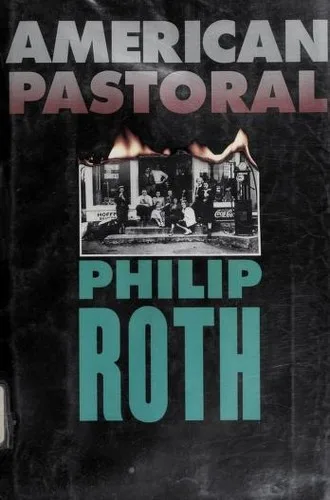
American Pastoral
 72
72

American Pastoral



Celeste Moreau (Divination & Symbolism Reviewer) — Philip Roth's 'American Pastoral' is a profound incantation, weaving a narrative that resonates with esoteric underpinnings. The novel’s exploration of the American dream's unraveling, particularly through the lens of the Swede's seemingly destined downfall, echoes archetypal patterns of hubris and fate found in ancient mythologies. Roth’s prose conjures an atmosphere of foreboding, hinting at unseen forces guiding human lives, much like the divinatory arts seek to interpret cosmic currents. The book offers a compelling study for those interested in the collective unconscious and the symbolic weight of historical events. Its strength lies in its ability to transform a personal tragedy into a universal allegory of shattered ideals. Highly recommended for scholars of cultural symbolism and readers fascinated by the interplay of destiny and free will.
📝 Description
72
Delve into the disquieting tapestry of Philip Roth's 'American Pastoral,' a novel that transcends mere historical fiction to explore the arcane undercurrents of the American dream. Beneath the veneer of suburban idyll lies a profound exploration of fate, destiny, and the subtle, often unseen forces that shape individual lives and national destinies. The narrative, framed by the narrator's youthful awe of 'The Swede,' a figure imbued with an almost mythical aura, uncovers the potent magic of aspiration and the destructive potential of unfulfilled desires. Roth masterfully dissects the disillusionment following the Vietnam War, presenting it not just as a political event, but as a seismic shift that fractured the collective psyche, exposing the fragility of established orders and the hidden rituals of societal transformation. This work is for the discerning reader who seeks to understand the symbolic language of history, the veiled influences of cultural mythology, and the profound psychological landscapes where personal tragedy intertwines with the grand narrative of a nation wrestling with its identity. It is a potent spell cast in prose, revealing the hidden anxieties and secret desires that lie at the heart of the American experience.
✍️ Author
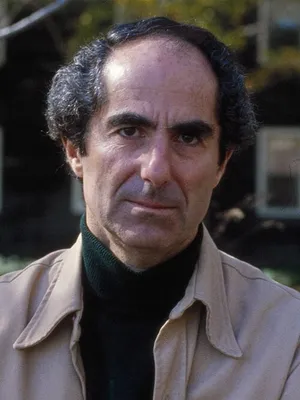
Philip Roth
Philip Milton Roth (; March 19, 1933 – May 22, 2018) was an American novelist and short-story writer. Roth's fiction—often set in his birthplace of Newark, New Jersey—is known for its intensely autobiographical character, for philosophically and formally blurring the distinction between reality and fiction, for its "sensual, ingenious style" and for its provocative explorations of Jewish and American identity.
💡 Why Read This Book?
Uncover the hidden currents of fate and disillusionment that shaped post-war America. 'American Pastoral' offers a profound meditation on the American dream's elusive nature and the symbolic weight of historical upheaval. Ideal for seekers of hidden knowledge, scholars of cultural mythology, and practitioners who understand that societal shifts carry potent, often unseen, energies. Discover the arcane forces at play within seemingly ordinary lives.
⭐ Reader Reviews
Honest opinions from readers who have explored this book.
❓ Frequently Asked Questions
What esoteric tradition does 'American Pastoral' most closely align with?
The novel echoes themes found in Stoicism and Gnosticism, exploring the illusion of control, the power of fate, and the search for meaning amidst societal chaos and personal suffering.
How does the novel explore the concept of 'magic' in American life?
Roth portrays 'magic' not through overt spells, but through the potent allure of aspiration, the symbolic power of celebrity (like 'The Swede'), and the transformative, often destructive, energies unleashed by societal shifts and personal choices.
What historical events serve as catalysts for the novel's esoteric themes?
The Vietnam War, the counter-culture movement, and the lingering anxieties of the post-war era act as potent forces that shatter illusions and reveal the hidden vulnerabilities within the American psyche.
Is 'American Pastoral' a book for beginners in esoteric studies?
While accessible, its depth rewards readers familiar with symbolism and philosophical inquiry. It serves as an excellent bridge, illustrating esoteric concepts within a powerful narrative framework.
What is the philosophical significance of the 'pastoral' element in this context?
The 'pastoral' setting becomes ironic, highlighting the corruption and disillusionment that can infiltrate even idealized landscapes, symbolizing a lost innocence and the difficult journey towards understanding reality's complexities.
🔮 Key Themes & Symbolism
The Illusion of Control and the Inevitability of Fate
Roth masterfully portrays the human struggle against predetermined destinies. The characters, particularly 'The Swede,' are depicted as individuals caught in currents larger than themselves, their aspirations and actions ultimately serving a grander, often tragic, cosmic design. This theme resonates deeply with fatalistic philosophies, suggesting that while we believe we steer our own ships, unseen forces or the weight of historical circumstance may chart the course.
The Alchemy of American Identity and Disillusionment
The novel acts as an alchemical text, transforming the pure gold of the post-war American dream into leaden disillusionment. The rapid societal shifts, particularly the impact of the Vietnam War and the rise of radicalism, are presented as potent catalysts that break down established norms and reveal the hidden anxieties beneath the surface. This process of deconstruction and transformation mirrors esoteric practices of breaking down base elements to forge something new, albeit here, often something broken.
The Mysticism of Aspiration and the Price of the Dream
The initial 'magic' attributed to 'The Swede' by the narrator signifies the potent, almost mystical, power of aspiration in the American psyche. This narrative explores how the relentless pursuit of the American dream, often built on idealized notions and a rejection of heritage, can lead to profound personal and societal fragmentation. It questions the very nature of this dream, suggesting it carries an inherent, perhaps occult, cost for those who fully embrace its promise.
💬 Memorable Quotes
“The Swede was a legend.”
— This simple declaration speaks to the almost mythical status 'The Swede' held, symbolizing the potent allure of idealized figures and the collective yearning for heroes in a changing world.
“This is what happened.”
— A chillingly simple assertion of inevitability, suggesting that the narrative unfolds not by chance, but as a predetermined sequence of events, hinting at a hidden script.
“The past was a foreign country.”
— This poignant line reflects the profound sense of alienation and disconnection from one's roots, a common theme in esoteric thought concerning the loss of tradition.
“He was the American dream.”
— This encapsulates the novel's core exploration of national identity and aspiration, presenting 'The Swede' as a living embodiment of a powerful, yet ultimately fragile, ideal.
“And then the war came.”
— A stark demarcation point, signifying a cataclysmic event that shattered the pastoral idyll and unleashed hidden forces of destruction and transformation.
🌙 Esoteric Significance
Tradition
The novel resonates with themes found in fatalistic philosophies and archetypal psychology, particularly Jungian concepts of the collective unconscious and the shadow self. It explores how national narratives and historical events can manifest as powerful, often destructive, archetypes that influence individual lives, echoing the ancient understanding of cosmic forces shaping human destiny.
Symbolism
Roth employs potent symbolism, transforming the idyllic 'pastoral' setting into a stage for moral decay and shattered ideals. 'The Swede' himself becomes a symbol of the unattainable American dream, his fall representing the nation's own loss of innocence. The contrast between inherited Jewish identity and the pursuit of seamless Americanization also carries symbolic weight, representing a struggle with authenticity and belonging.
Modern Relevance
In an era still grappling with political polarization, cultural fragmentation, and the enduring power of national myths, 'American Pastoral' offers a prescient exploration of how idealism can curdle into disillusionment. Its examination of hidden societal tensions and the personal costs of historical trauma remains profoundly relevant for understanding contemporary anxieties and the persistent quest for meaning.
👥 Who Should Read This Book
This novel is essential for those who view literature as a conduit for understanding deeper truths. **Seekers** will find a compelling narrative that mirrors the search for meaning amidst chaos. **Scholars** of American history, culture, and literature will appreciate its nuanced dissection of a pivotal era. **Practitioners** of esoteric studies may find resonance in its exploration of fate, destiny, and the hidden forces that shape human lives. Even **beginners** drawn to profound storytelling will be captivated by its evocative prose and enduring philosophical questions.
📜 Historical Context
Philip Roth's 'American Pastoral' is deeply embedded in the turbulent landscape of the late 1960s and early 1970s. The novel grapples with the profound societal schisms caused by the Vietnam War, the rise of radical political movements, and the erosion of traditional American values. This era was marked by a pervasive sense of disillusionment, a questioning of authority, and a dramatic shift in cultural norms. The narrative reflects the anxieties of a nation grappling with its identity, caught between the promise of post-war prosperity and the stark realities of social upheaval and moral ambiguity. The backdrop of suburban conformity juxtaposed with the radicalism of the era creates a potent tension, highlighting the hidden fault lines within the American psyche.
📔 Journal Prompts
Reflect on a time when an individual or event seemed to possess an almost mythical aura in your community. How did this perception influence your own views?
Consider the concept of the 'American Dream' as presented in the novel. What are its inherent promises and its potential hidden costs?
Explore the idea of 'fate' versus 'free will' as depicted through 'The Swede's' life. To what extent do external circumstances dictate our paths?
How does the narrative suggest that societal upheaval (like war) can act as a catalyst for profound personal and collective transformation, even if destructive?
Analyze the symbolic significance of the 'pastoral' setting in the novel. How does its corruption reflect broader themes of disillusionment?
🗂️ Glossary
The Swede
A nickname for the protagonist, Seymour Levov, imbued with near-mythical status in the narrator's memory, representing an idealized figure of American success and integration.
Pastoral fiction
A genre that idealizes rural life and simplicity, often contrasting it with the complexities and corruption of urban settings or societal change.
Ghetto
A section of a city, especially a densely populated area, inhabited predominantly by a minority group, often due to social or economic restrictions.
Americanization
The process by which immigrants or minority groups adopt American customs, values, and behaviors, often to assimilate into the dominant culture.
Disillusionment
A feeling of disappointment resulting from the discovery that something is not as good as one believed it to be; a loss of idealization.