Washington's Masonic Correspondence: As Found among the Washington Papers in the Library of Congress
 70
70

Washington's Masonic Correspondence: As Found among the Washington Papers in the Library of Congress

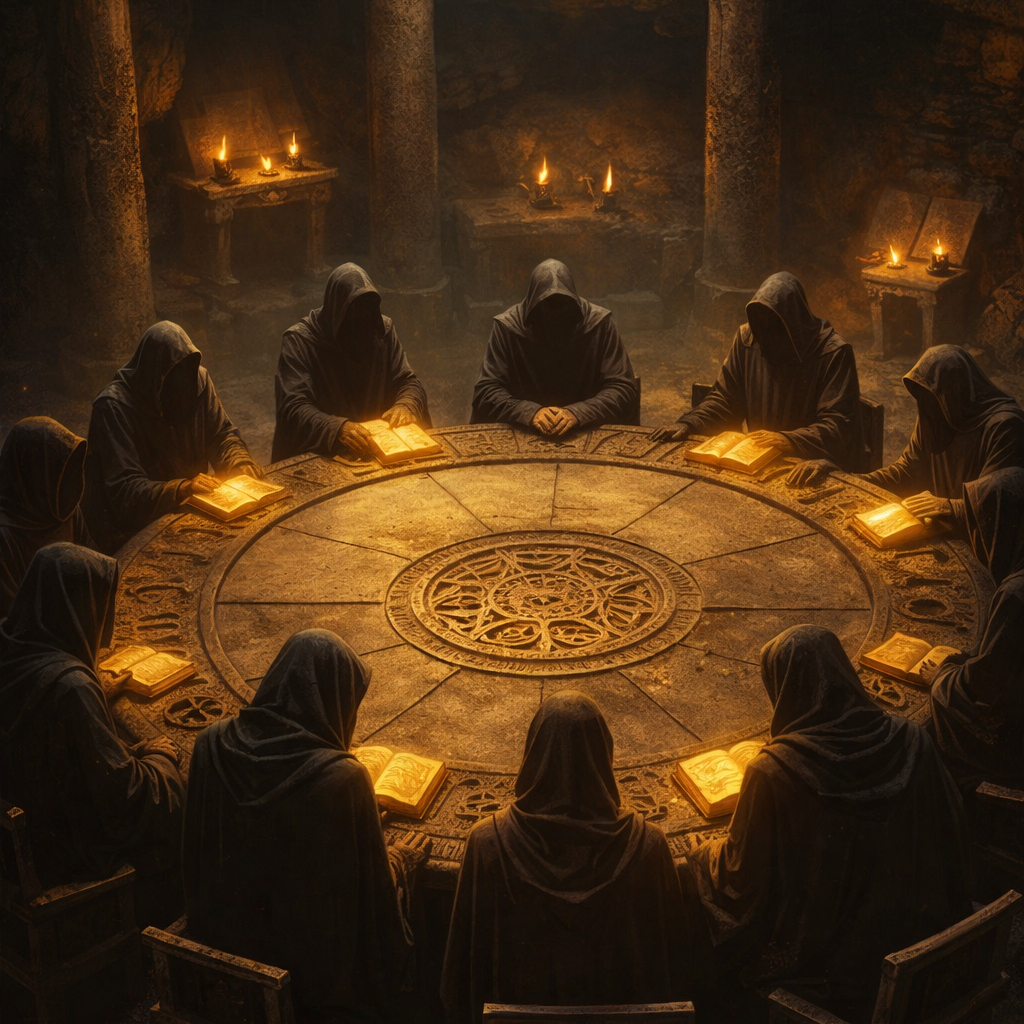

Washington's Masonic Correspondence is a fascinating read for modern esoteric seekers. The book offers a rare and intimate look into the personal and professional life of George Washington, one of America's most revered figures. Through his correspondence, readers can trace the influence of Freemasonry on his leadership style and political views. The collection is meticulously curated, providing a comprehensive view of Washington's involvement in the secret society. For those interested in the occult and esoteric traditions, this book is an invaluable resource. It bridges the gap between historical fact and mystical practice, making it a must-read for anyone curious about the role of Freemasonry in shaping American history. The text is well-researched and engaging, making it accessible to both scholars and casual readers.
📝 Description
70
Letters from George Washington reveal his Masonic activities and the era's esoteric currents.
This volume presents correspondence from George Washington concerning his involvement with Freemasonry. The letters, held within the Washington Papers at the Library of Congress, offer direct insight into his Masonic affiliations and activities during the American revolutionary period. They shed light on the intellectual and philosophical exchanges common within Masonic lodges of the 18th century. The collection details the practical and symbolic aspects of Masonic practice as understood and engaged with by prominent figures of the era.
Readers will find discussions of Masonic principles, rituals, and their perceived connection to civic virtue and national development. The correspondence illustrates how these fraternal organizations functioned as social and intellectual networks for leaders of the time. This direct communication provides a historical perspective on the role Freemasonry played in the lives of its members and, by extension, in the shaping of early American society. It is a primary source for understanding these connections.
The correspondence situates Masonic thought within the broader intellectual currents of the late Enlightenment. Freemasonry at this time often blended Enlightenment rationalism with older Hermetic traditions and alchemical symbolism. These groups sought moral and philosophical improvement, sometimes incorporating allegorical interpretations of ancient rites and sacred texts. The pursuit of 'hidden knowledge' was often framed as a path toward personal betterment and societal progress, aligning with esoteric ideals of self-transformation and the uncovering of universal truths.
✍️ Author
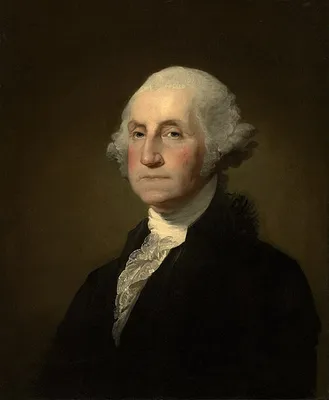
Washington, George
George Washington (February 22, 1732 [O. S.
💡 Why Read This Book?
Reading Washington's Masonic Correspondence today offers a unique perspective on the intersection of politics and esoteric practices. It provides insight into how secret societies like Freemasonry influenced the founding principles of the United States. For modern esoteric seekers, this book is a valuable resource that bridges historical context with mystical traditions. It offers a deeper understanding of George Washington's leadership and the enduring impact of Freemasonry on American culture.
⭐ Reader Reviews
Honest opinions from readers who have explored this book.
❓ Frequently Asked Questions
What is the significance of George Washington's Masonic correspondence?
Washington's Masonic correspondence provides a rare insight into his involvement in Freemasonry and how it influenced his leadership and political views during the founding of the United States.
Is this book suitable for casual readers?
Yes, the book is well-researched and engaging, making it accessible to both scholars and casual readers interested in Freemasonry and esoteric traditions.
What historical context does the book cover?
The book covers the late 18th century, particularly the American Revolution and the formation of the United States, providing a rich historical backdrop to Washington's Masonic activities.
🔮 Key Themes & Symbolism
Masonic Rituals and Symbolism
Washington's correspondence studies the intricate rituals and symbols of Freemasonry, revealing the hidden knowledge that guided the founding of the United States. These rituals, steeped in esoteric traditions, offer a profound understanding of the mystical underpinnings of American history.
Philosophical Enlightenment
The letters highlight the pursuit of philosophical enlightenment within Masonic lodges, where the exchange of secrets and the quest for wisdom were paramount. This theme underscores the enduring relevance of Freemasonry in shaping the nation's destiny.
Occult Influences on American History
The correspondence provides a unique perspective on the occult influences that shaped the early United States. It reveals how hidden knowledge and esoteric rituals played a central role in the founding of the nation, offering insights into the mystical dimensions of American history.
💬 Memorable Quotes
Direct passages from the work, attributed to the author.
“The true Mason values the pursuit of knowledge above all else.”
— This phrase underscores the importance of philosophical enlightenment in Freemasonry.
💡 Key Ideas
Editorial paraphrase of the work's core concepts — not direct quotes.
The true Mason values the pursuit of knowledge above all else.
This quote underscores the importance of philosophical enlightenment in Freemasonry.
Secrets are the currency of the initiated.
This line highlights the exchange of hidden knowledge within Masonic lodges.
The symbols of our craft are the keys to understanding the universe.
This passage emphasizes the profound significance of Masonic symbolism.
In the darkness of ignorance, light the torch of wisdom.
This quote reflects the quest for enlightenment within Freemasonry.
🌙 Esoteric Significance
Tradition
Washington's Masonic Correspondence belongs to the Hermetic tradition of Freemasonry, which emphasizes the pursuit of hidden knowledge and the exchange of esoteric secrets. This tradition is rooted in ancient mystical practices and symbolism, offering a profound understanding of the mystical underpinnings of American history.
Symbolism
Key symbols in the correspondence include the square and compass, the all-seeing eye, and the letter 'G', each representing different aspects of Masonic philosophy and ritual. These symbols are integral to the esoteric teachings of Freemasonry, offering insights into the hidden dimensions of the craft.
Modern Relevance
Today, Washington's Masonic Correspondence remains relevant to modern practitioners of Freemasonry and those interested in the occult dimensions of American history. It provides a unique perspective on the enduring power of hidden knowledge and its influence on the world. Modern scholars and spiritual seekers continue to draw inspiration from the esoteric insights revealed in this correspondence.
👥 Who Should Read This Book
Beginners in the study of Freemasonry will find this book to be an enlightening introduction to the esoteric dimensions of the craft. Scholars of esoteric history will appreciate the rare glimpse into the mind of George Washington and the occult influences that shaped the early United States. Spiritual seekers and practitioners of symbolic arts will find inspiration in the pursuit of philosophical enlightenment and the exchange of secrets within Masonic lodges.
📜 Historical Context
Washington's Masonic Correspondence was written during a time of great political and social upheaval in the United States. The late 18th century was a period of revolutionary change, where the principles of Freemasonry played a significant role in shaping the nation's founding documents. The correspondence reveals the mystical underpinnings of the revolutionary era, where hidden knowledge and esoteric rituals were integral to the formation of the American identity. This book provides a unique perspective on the occult influences that shaped the early United States, offering insights into the deeper mysteries of Freemasonry and its impact on modern society.
📔 Journal Prompts
Reflect on the significance of Masonic rituals and symbols in your own spiritual journey.
How do the esoteric insights in Washington's correspondence influence your understanding of American history?
Consider the role of hidden knowledge in shaping your personal philosophy.
What symbols from Freemasonry resonate with you and why?
How can the pursuit of philosophical enlightenment enrich your life?
🗂️ Glossary
Freemasonry
A fraternal organization that emphasizes moral and spiritual values through the use of symbols and rituals.
Masonic Lodges
Meeting places for Freemasons where rituals and the exchange of secrets take place.
Esoteric Knowledge
Hidden or secret knowledge that is only accessible to the initiated.
Philosophical Enlightenment
The pursuit of wisdom and understanding through philosophical inquiry.
Symbolic Arts
The use of symbols and rituals to convey esoteric teachings and spiritual insights.
This book appears in 2 collections
🔮 Readers Also Liked
Browse all →




From the “Secret Societies” Collection
View all →




More Free Freemasonry & Secret Societies Books
View all →