The California Digest Of Masonic Law 1867

 82
82

The California Digest Of Masonic Law 1867

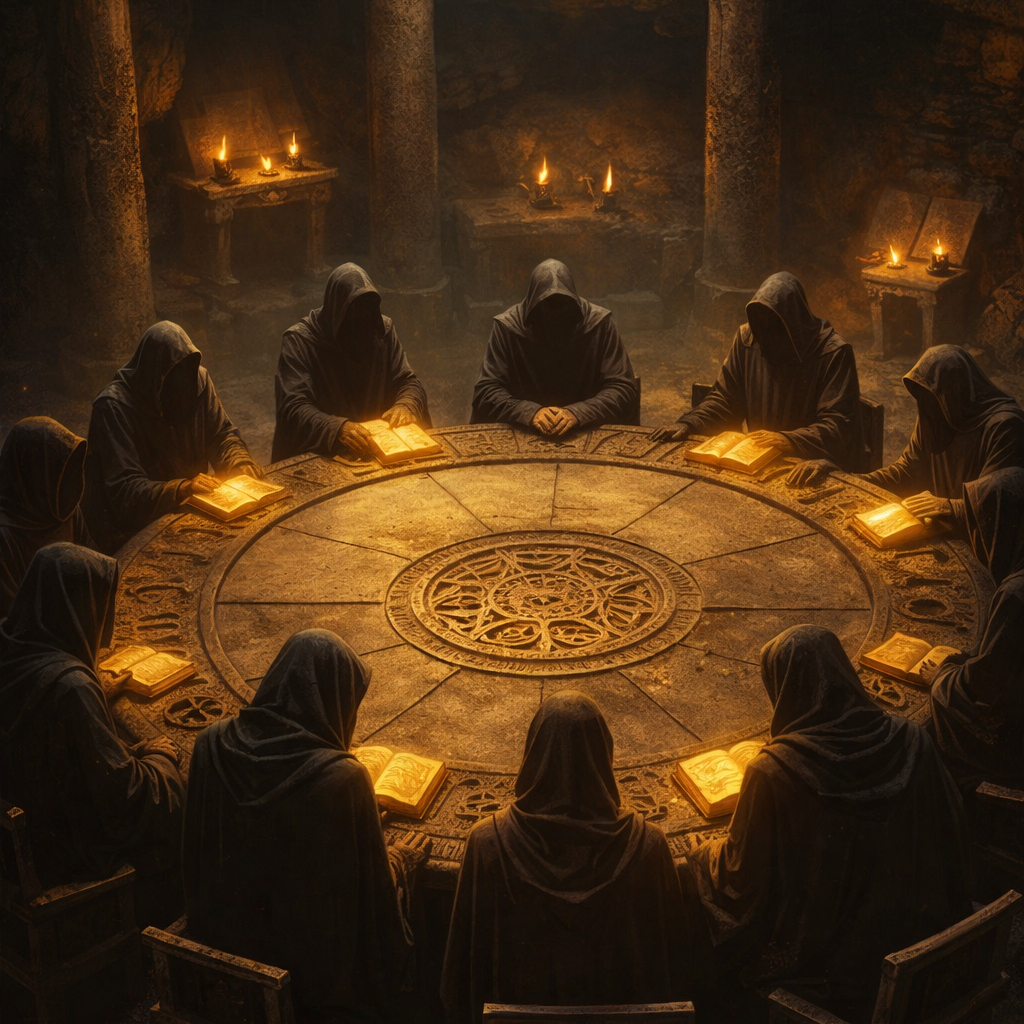

By Silas Hawthorne (Hermetic Studies Editor) — 'The California Digest Of Masonic Law 1867' is more than a historical legal text; it is a Rosetta Stone for understanding the practical application of esoteric principles within Freemasonry. Its pages reveal the structured framework through which moral philosophy and symbolic instruction were integrated into the daily life of the Craft. This digest offers unparalleled insight into the early Californian Masonic experience, highlighting the enduring influence of ancient traditions on nascent fraternal orders. Essential for scholars of Hermeticism, Masonic history, and anyone seeking to comprehend the deeper currents of organized esoteric practice.
📝 Description
82
Published in 1867, 'The California Digest of Masonic Law' details the legal and symbolic framework of Freemasonry on the American frontier.
This volume, compiled in 1867, codifies the regulations governing Masonic Lodges in California during a period of significant fraternal growth. It goes beyond simple legal statutes to illustrate the symbolic language and moral instruction embedded within Masonic practice. The text details the structure and rules by which initiates were guided in their ethical and personal development within the fraternity.
Each section reflects the esoteric principles that informed the Craft, clarifying concepts of brotherhood, truth, and virtue. This digest is a significant resource for those interested in the specific legal and philosophical architecture of Freemasonry as it was practiced in the American West. It provides insight into the thought processes of the individuals who shaped and maintained this fraternal order.
This digest emerges from a tradition where Masonic ritual and governance were deeply intertwined with symbolic systems and moral philosophy. It reflects a historical moment when fraternal organizations often served as conduits for transmitting esoteric teachings, blending practical regulation with allegorical instruction. The text shows how Masonic law was understood not merely as civil code but as a reflection of deeper, often hidden, principles concerning human conduct and spiritual aspiration.
💡 Why Read This Book?
Delve into the historical bedrock of Masonic governance, uncovering the symbolic framework that underpins its laws. This digest is essential for understanding the evolution of Masonic jurisprudence and its esoteric underpinnings. Ideal for historians, ritualists, and seekers of ancient wisdom seeking to connect with the foundational principles of the Craft.
⭐ Reader Reviews
Honest opinions from readers who have explored this book.
❓ Frequently Asked Questions
What is the primary purpose of 'The California Digest Of Masonic Law 1867'?
Its primary purpose is to codify and present the established laws and regulations governing Masonic Lodges in California during 1867, serving as a guiding manual for brethren and officers.
Is this book suitable for those new to Freemasonry?
While it presents foundational laws, its dense legal and historical context may be more accessible to those with some prior familiarity with Masonic principles and terminology.
What makes this digest 'esoteric'?
The digest is esoteric in its inherent connection to Masonic symbolism, ritual, and the philosophical underpinnings of the Craft, which are woven into the very fabric of its legal structure.
Are there any interpretations of Masonic symbols within the text?
While not a primary focus, the laws often reflect and reinforce the symbolic meanings and moral lessons central to Masonic teachings, indirectly illuminating symbolism.
Who was the author of this digest?
The authorship is officially unknown, adding to its mystique and presenting it as a collective embodiment of Masonic wisdom from that era.
🔮 Key Themes & Symbolism
Jurisprudence and Esoteric Governance
This digest is a profound exploration of how legalistic structures in Freemasonry are intrinsically linked to esoteric principles. It elucidates how established laws and statutes were designed not merely for order, but as conduits for moral instruction and the cultivation of virtue, reflecting the Craft's commitment to self-improvement and ethical development. The very act of codifying these laws served to ritualize and preserve the symbolic understanding of brotherhood, truth, and justice, ensuring their transmission across generations.
Symbolic Language in Masonic Law
The 'California Digest' reveals the subtle yet pervasive presence of symbolic language within the legal framework of Freemasonry. Each regulation, each decree, can be viewed through the lens of allegory and metaphor, reflecting deeper philosophical truths. The text implicitly guides the reader to understand that Masonic law is not merely a set of rules, but a symbolic system designed to teach profound lessons about character, duty, and the pursuit of light, mirroring the symbolic journey of the initiate.
The Frontier Lodge and Ancient Wisdom
This volume offers a unique perspective on the transplantation and adaptation of ancient Masonic traditions to the dynamic environment of 19th-century California. It illustrates how the established tenets of Freemasonry, steeped in centuries of esoteric lore, provided a stable and guiding framework for communities on the frontier. The digest showcases the enduring power of these ancient principles to foster unity, ethical conduct, and intellectual pursuit even in a rapidly evolving world.
💬 Memorable Quotes
Direct passages from the work, attributed to the author.
“To know the law is to walk the path.”
— This aphorism suggests that understanding Masonic legal principles is synonymous with actively engaging in the spiritual and moral journey prescribed by the fraternity.
“Order is the silent architect of illumination.”
— This highlights the belief that adherence to structure and regulation, both internal and external, is a prerequisite for spiritual awakening and the attainment of higher knowledge.
“Brotherhood's decree is truth's foundation.”
— Emphasizes that the core tenets of Masonic law are rooted in the principles of fraternal unity and the unwavering pursuit of honesty and integrity.
“The Square guides the Hand, the Compass guides the Heart.”
— A classic Masonic sentiment, illustrating how external laws (Square) govern actions, while internal principles (Compass) direct one's moral and ethical compass.
“Within the Lodge, shadows yield to reasoned light.”
— Suggests that the structured environment of the Masonic Lodge, governed by its laws, is a place where ignorance and confusion are dispelled by the pursuit of wisdom and understanding.
🌙 Esoteric Significance
Tradition
This digest is deeply rooted in the Western Esoteric Tradition, specifically within the framework of Freemasonry, which itself draws from Hermeticism, Kabbalah, and ancient mystery schools. It represents the practical application of these esoteric philosophies into a structured system of governance and moral instruction, demonstrating how abstract spiritual principles are translated into tangible codes of conduct and ritualistic practice.
Symbolism
The laws presented within the digest are imbued with Masonic symbolism, acting as a subtle language that reinforces core tenets. Symbols like the Square, Compass, Level, and Plumb Rule, while governing physical actions and dimensions, also represent moral virtues: justice, temperance, equality, and integrity. The digest implicitly uses these symbols to guide the initiate's understanding of their duties to the Craft, their community, and themselves.
Modern Relevance
Despite its historical origins, 'The California Digest Of Masonic Law 1867' remains relevant for its articulation of enduring ethical principles and the historical evolution of fraternal law. For contemporary Freemasons, it offers a connection to their heritage and a deeper understanding of the foundational ideas that continue to shape the Craft. For scholars of esoteric traditions, it provides invaluable insight into the practical manifestation of symbolic systems and the historical development of organized fraternalism.
👥 Who Should Read This Book
This digest is an essential read for Masonic scholars and historians seeking to understand the legal and philosophical underpinnings of early Californian Freemasonry. Dedicated practitioners of the Craft will find it useful for gaining a deeper appreciation of their order's historical governance and the symbolic weight of its laws. For general seekers of esoteric knowledge and those interested in the history of secret societies, it offers a unique window into the structured application of ancient wisdom in a tangible, legalistic form.
📜 Historical Context
Published in 1867, 'The California Digest Of Masonic Law' emerges from a period of significant expansion and standardization for Freemasonry in the United States. The mid-19th century saw the fraternity solidify its organizational structures and codify its practices, moving from more fluid, often unwritten traditions to formalized constitutions and regulations. California, a rapidly growing state with a diverse population drawn by the Gold Rush and westward expansion, represented a fertile ground for fraternal organizations. This digest reflects the need for a clear, authoritative legal framework to govern Lodges in this new territory, ensuring uniformity and upholding the integrity of the Craft as it established its presence. It is a proof of the enduring appeal of Masonic ideals of brotherhood, morality, and self-improvement during a transformative era in American history.
📔 Journal Prompts
How does the concept of 'law' in this digest relate to personal moral development?
Identify a specific law and explore its potential symbolic meaning beyond its literal interpretation.
Consider the challenges of establishing Masonic law in a frontier environment. What does this reveal about the Craft's adaptability?
Reflect on the 'unknown author' aspect. What does anonymity suggest about the intention behind this compilation?
How might the principles outlined in this digest be applied to modern societal challenges?
🗂️ Glossary
Jurisprudence
The theory and philosophy of law. In a Masonic context, it refers to the body of laws, rules, and principles governing the Craft and its various bodies.
Codify
To arrange laws or rules into a systematic code. This process brings order and clarity to existing regulations.
Fraternalism
The practice of brotherhood or fellowship, particularly within organizations like Freemasonry, emphasizing mutual support and shared ideals.
Initiate
A person who has undergone the first degree or ceremony of admission into a society or order, such as Freemasonry.
Allegory
A story, poem, or picture that can be interpreted to reveal a hidden meaning, typically a moral or political one. Masonic ritual often employs allegory.
This book appears in 2 collections
🔮 Readers Also Liked
Browse all →






From the “Secret Societies” Collection
View all →





More Free Freemasonry & Secret Societies Books
View all →