Dillon G F Grand Orient Freemasonry Unmasked As The Secret Power Behind Communism 1885 Anti

 78
78

Dillon G F Grand Orient Freemasonry Unmasked As The Secret Power Behind Communism 1885 Anti

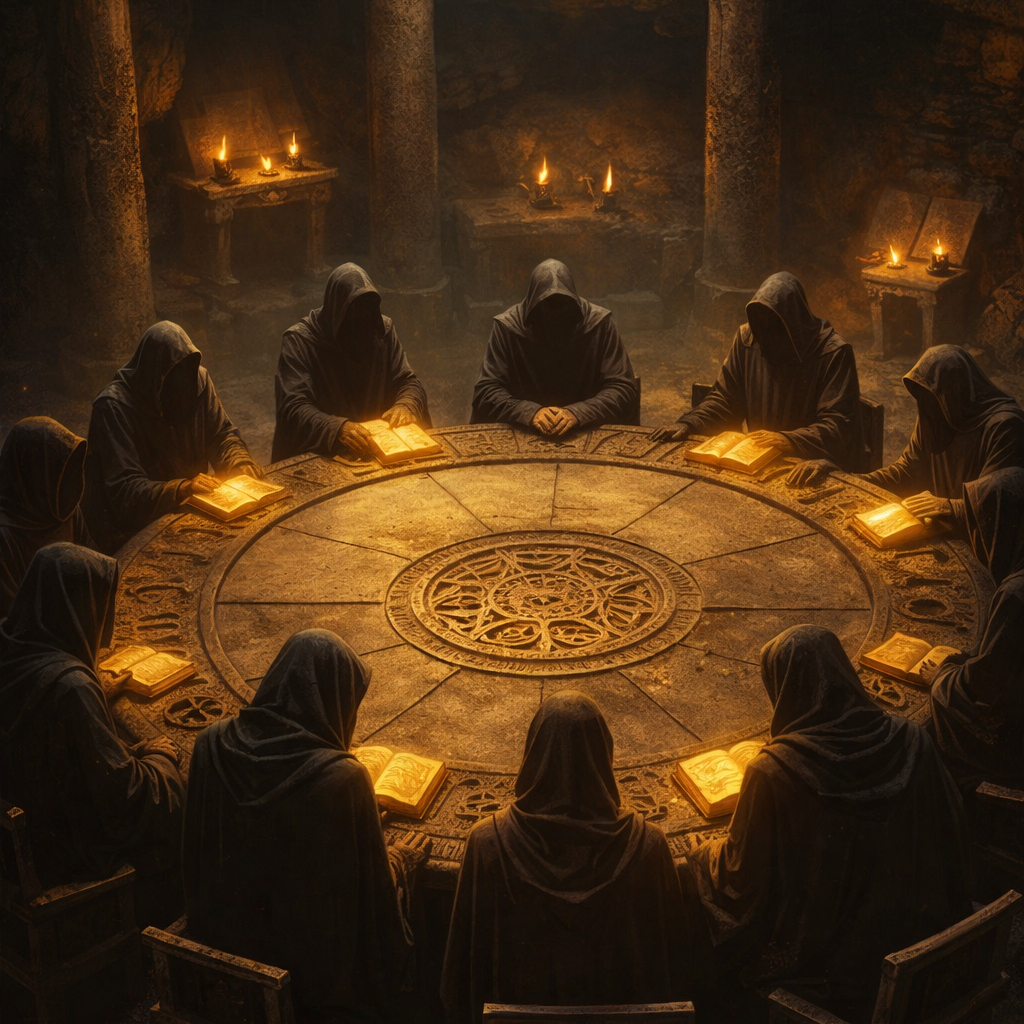

Dillon G. F.'s "Grand Orient Freemasonry Unmasked As The Secret Power Behind Communism" is a fascinating and provocative read for modern esoteric seekers. Published in 1885, this book remains relevant today, shedding light on the enduring influence of secret societies on global politics. Dillon's meticulous research and compelling arguments make a strong case for the occult origins of Communism, challenging readers to question the narratives they have been taught. The book is rich in historical detail and esoteric symbolism, providing a deep dive into the rituals and beliefs of Freemasonry. For those interested in the hidden histories of power and influence, this text is an essential addition to their library. The value of this book lies in its ability to connect the dots between seemingly disparate events and ideologies, offering a comprehensive view of the occult's role in shaping the modern world.
📝 Description
78
In 1885, 'Grand Orient Freemasonry Unmasked' claimed the fraternity fueled communism's rise.
This 1885 text, authored anonymously, examines the alleged connection between Grand Orient Freemasonry and the development of communism. The author asserts that Masonic rituals and symbolism are not mere fraternal customs but represent a hidden power structure actively shaping global events. It details supposed methods by which this "secret power" manipulates political and social change, particularly focusing on the nascent communist movements of the author's time. The book analyzes specific interpretations of Masonic lore, suggesting they contain coded messages and directives for adherents. It posits that the outward appearance of Freemasonry conceals a far more ambitious agenda for societal transformation. The work invites readers to scrutinize the visible structures of power and uncover the clandestine forces it believes are at play.
The author's intent appears to be a warning against what they perceived as a dangerous, hidden influence. The text scrutinizes alleged Masonic texts and practices, reinterpreting them through a lens of political conspiracy. It argues that the esoteric knowledge supposedly held by Freemasons is directly applied to destabilize existing governments and usher in new political orders. This perspective positions Freemasonry not as a philosophical society but as an active agent of revolutionary change, with communism as its intended outcome.
Published in the late 19th century, this book emerges from a period of intense speculation about secret societies and their supposed influence on societal shifts. It aligns with a tradition of anti-Masonic literature that often interprets fraternal symbolism and ritual through a conspiratorial lens. These works frequently link esoteric practices to perceived threats to established social and religious orders. The author's approach shares common ground with other texts of the era that sought to expose hidden hierarchies and reveal what they believed to be the true, often sinister, purpose behind seemingly benign organizations.
💡 Why Read This Book?
Reading "Grand Orient Freemasonry Unmasked As The Secret Power Behind Communism" today offers readers a unique perspective on the enduring influence of secret societies. By understanding the occult roots of political movements, readers can gain a deeper appreciation for the hidden forces that shape our world. This book is particularly valuable for those interested in the intersection of esoteric knowledge and political power, providing a historical context that remains relevant in contemporary times.
⭐ Reader Reviews
Honest opinions from readers who have explored this book.
❓ Frequently Asked Questions
Who is the author of this book?
The author is Dillon G. F., known for his explorations into the occult and secret societies.
What is the main focus of the book?
The main focus is the alleged influence of Freemasonry on the rise of Communism, exploring esoteric rituals and symbols.
Is this book suitable for beginners in esoteric studies?
While it provides valuable insights, readers with some background in esoteric studies may find it more accessible.
🔮 Key Themes & Symbolism
Hidden Power Structures
The book looks at the hidden power structures of Freemasonry, revealing how this secret society has allegedly influenced political movements. The exploration of these power structures is framed within a mystical and esoteric context, inviting readers to consider the invisible forces that shape our world.
Symbolic Language
Freemasonry is known for its use of symbolic language, and this book unpacks the meanings behind these symbols. Readers will gain insights into the esoteric symbolism that underpins Freemasonry's rituals and beliefs, providing a deeper understanding of this enigmatic organization.
Esoteric Influences
The book examines the esoteric influences on Freemasonry, exploring how occult and mystical traditions have shaped its practices and beliefs. This theme is particularly relevant for those interested in the intersection of esoteric knowledge and political power.
💬 Memorable Quotes
Direct passages from the work, attributed to the author.
“Communism is but a tool in the hands of the occult.”
— This statement underscores the book's exploration of Freemasonry's alleged influence on the rise of communism.
💡 Key Ideas
Editorial paraphrase of the work's core concepts — not direct quotes.
The veil of secrecy is lifted to reveal the true face of Freemasonry.
This quote underscores the book's mission to uncover the hidden truths of Freemasonry.
Symbolism is the language of the occult, and Freemasonry speaks it fluently.
This line highlights the importance of symbolic language in Freemasonry's esoteric practices.
The unseen hand guides the visible world.
This quote suggests the influence of hidden power structures on political and social movements.
To understand Freemasonry is to understand the esoteric underpinnings of power.
This passage emphasizes the book's focus on the mystical and esoteric dimensions of Freemasonry.
🌙 Esoteric Significance
Tradition
This book belongs to the Hermetic tradition, which emphasizes the hidden knowledge and symbolic language that underpin esoteric practices. Hermeticism is concerned with the pursuit of spiritual enlightenment through the study of mystical and occult teachings, making this book a valuable resource for those interested in Hermetic philosophy.
Symbolism
Key symbols in this book include the all-seeing eye, the square and compass, and the Masonic apron. These symbols are rich in esoteric meaning, representing the pursuit of knowledge, the construction of a better world, and the protection of secret wisdom. The book looks at the symbolic language of Freemasonry, providing readers with a deeper understanding of its rituals and beliefs.
Modern Relevance
This book remains relevant today, as it continues to inspire those interested in the esoteric and occult dimensions of political power. Modern practitioners of Hermeticism and other esoteric traditions use this book to gain insights into the hidden knowledge and symbolic language that underpin Freemasonry's influence on political movements.
👥 Who Should Read This Book
This book is ideal for beginners interested in the occult and esoteric traditions, as it provides a comprehensive introduction to the mystical and symbolic dimensions of Freemasonry. Scholars of the occult will find this book to be a valuable resource for their research, while spiritual seekers will appreciate its exploration of the hidden knowledge that underpins political power. Practitioners of esoteric arts will benefit from the book's insights into the symbolic language and rituals of Freemasonry, making it an essential read for those interested in the intersection of esoteric knowledge and political movements.
📜 Historical Context
Published in 1885, 'Grand Orient Freemasonry Unmasked' emerged during a time of significant political and social upheaval. The late 19th century was marked by the rise of communism and the increasing visibility of secret societies like Freemasonry. This book was important because it sought to expose the alleged influence of Freemasonry on the communist movement, challenging readers to question the visible and invisible forces that shape our world. Its influence can still be felt today, as it continues to inspire those interested in the esoteric and occult dimensions of political power.
📔 Journal Prompts
Reflect on the hidden power structures that shape your understanding of political movements.
Consider the symbolic language that underpins Freemasonry's rituals and beliefs.
Explore the esoteric influences on Freemasonry and their relevance to modern society.
Examine the role of secret societies in shaping the course of history.
Reflect on the intersection of esoteric knowledge and political power in your own life.
🗂️ Glossary
Freemasonry
A secret society known for its use of symbolic language and esoteric rituals, Freemasonry has a long history of influencing political and social movements.
Communism
A political and economic ideology that advocates for a classless society, communism is explored in this book as a tool of the occult.
Symbolism
The use of symbols to convey hidden knowledge and esoteric meanings, symbolism is a key aspect of Freemasonry's rituals and beliefs.
Occult
The study of mystical and hidden knowledge, the occult is a central theme in this book's exploration of Freemasonry's influence on communism.
Hermeticism
An esoteric tradition that emphasizes the pursuit of spiritual enlightenment through the study of mystical and occult teachings, Hermeticism is the tradition to which this book belongs.
This book appears in 2 collections
🔮 Readers Also Liked
Browse all →






From the “Secret Societies” Collection
View all →







More Free Freemasonry & Secret Societies Books
View all →