The Text Book Of Advanced Freemasonry 1873 London

 80
80

The Text Book Of Advanced Freemasonry 1873 London

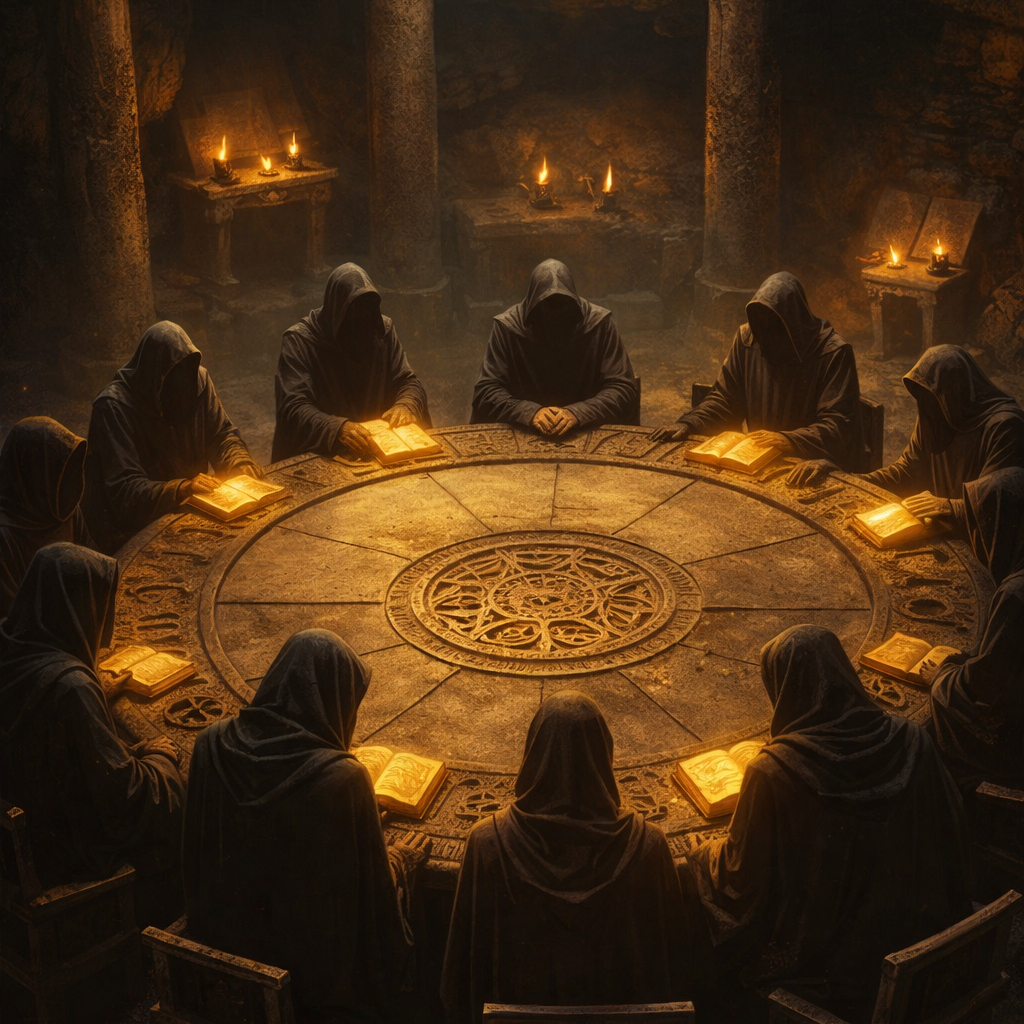

The Text Book Of Advanced Freemasonry 1873 is a treasure trove for modern esoteric seekers. Its detailed exploration of advanced Masonic rituals and symbols provides a deep understanding of the occult practices within Freemasonry. The book's historical context enriches the reading experience, offering a glimpse into the Victorian fascination with the esoteric. For those interested in secret societies and their rituals, this text is an essential addition to their library. The clarity and depth of the information make it valuable for both scholars and enthusiasts. The book's enduring relevance lies in its ability to demystify the complex world of Freemasonry, making it accessible to a wider audience. It is a five-star read for anyone eager to delve into the mysteries of the occult.
📝 Description
80
Published in London in 1873, 'The Text Book of Advanced Freemasonry' details Masonic rituals and symbolism.
This 1873 London publication, 'The Text Book of Advanced Freemasonry,' presents a detailed look at the symbolic practices and philosophical ideas within Freemasonry. It aims to illuminate the arcane rituals and the structured symbolism that underpin the craft's traditions. The book guides the serious student through the deeper meanings of Masonic teachings and their symbolic representations. It encourages contemplation of the rituals and symbols, seeking to spark intellectual curiosity for both established Masons and those new to the subject.
The text focuses on the philosophical considerations of Masonic lore, offering insights into its esoteric underpinnings. It is a resource for understanding the craft's symbolic language and its historical context within 19th-century London. The book serves as a guide to the symbolic architecture of Freemasonry, inviting readers to engage with its complex framework.
Emerging in the fertile ground of 19th-century esotericism, this book connects to a broader interest in hidden knowledge and ancient mysteries. It reflects a period where groups sought to codify and disseminate their symbolic systems, often drawing from Hermeticism, Kabbalah, and earlier mystical traditions. The focus on ritual and symbol aligns with other contemporary works that sought to explain or elaborate upon secret society practices, positioning Freemasonry within a lineage of Western esotericism.
💡 Why Read This Book?
Reading The Text Book Of Advanced Freemasonry 1873 today offers a unique opportunity to explore the rich history and esoteric practices of Freemasonry. This book provides valuable insights into the symbolic and ritualistic foundations of one of the world's most mysterious secret societies. Whether you are a scholar of the occult or a curious reader, this text will deepen your understanding of Freemasonry's hidden meanings and rituals. It is a gateway to a world of mystery and enlightenment, making it an essential read for anyone interested in the esoteric.
⭐ Reader Reviews
Honest opinions from readers who have explored this book.
❓ Frequently Asked Questions
What makes 'The Text Book Of Advanced Freemasonry 1873' unique?
This book offers a rare, in-depth look into the advanced rituals and symbols of Freemasonry, providing historical context and esoteric insights that are hard to find elsewhere.
Who should read this book?
Anyone interested in Freemasonry, the occult, or secret societies will find this book fascinating and enlightening.
Is this book suitable for beginners in Freemasonry?
While it is an advanced text, the book's clear explanations and historical context make it accessible to both beginners and experienced readers.
🔮 Key Themes & Symbolism
Symbolism and Rituals
This book explores the intricate symbolism and rituals that form the core of Freemasonry, offering insights into the deeper meanings behind these practices. The symbols and rituals are not merely ceremonial but are imbued with profound philosophical significance, guiding the initiate on a journey of self-discovery and spiritual enlightenment.
Philosophical Underpinnings
Freemasonry is grounded in a rich philosophical tradition that draws from various esoteric and mystical sources. This book studies these philosophical underpinnings, providing a comprehensive overview of the ideas and beliefs that shape the Freemasonic worldview. Readers will gain a deeper understanding of the ethical, moral, and spiritual principles that guide Freemasons.
Historical Context
Published in 1873 London, this book offers a unique historical perspective on Freemasonry. It reflects the practices and beliefs of the time, providing valuable insights into the evolution of the craft. The historical context enriches the reading experience, allowing readers to appreciate the enduring relevance of Freemasonry's teachings.
💡 Key Ideas
Editorial paraphrase of the work's core concepts — not direct quotes.
The secrets of the craft are not merely hidden but revealed to those who seek with sincerity and purpose.
This quote underscores the idea that Freemasonry's mysteries are accessible only to those who approach them with genuine intent and dedication.
Symbols are the language of the soul, speaking to the heart what words cannot express.
This passage highlights the importance of symbolism in Freemasonry, suggesting that symbols have a deeper, more intuitive meaning than words.
The journey of the initiate is one of self-discovery and spiritual enlightenment.
This quote emphasizes the transformative nature of the Freemasonic journey, which aims to guide the initiate towards a deeper understanding of themselves and the world.
The rituals of the craft are not mere ceremonies but sacred acts of communion with the divine.
This passage underscores the sacred and spiritual nature of Freemasonic rituals, which are seen as a means of connecting with a higher power.
The wisdom of the ages is preserved in the symbols and rituals of the craft.
This quote suggests that Freemasonry's teachings are rooted in ancient wisdom, passed down through generations and preserved in the craft's symbols and rituals.
🌙 Esoteric Significance
Tradition
This book belongs to the Hermetic tradition of Freemasonry, which emphasizes the pursuit of hidden knowledge and spiritual enlightenment. Hermeticism, named after the legendary figure Hermes Trismegistus, combines elements of alchemy, astrology, and mysticism, aiming to reveal the divine secrets of the universe.
Symbolism
Key symbols in this book include the square and compass, the all-seeing eye, and the pentagram, each imbued with deep esoteric meanings. These symbols are not merely decorative but serve as visual representations of complex philosophical and spiritual concepts, guiding the initiate on their journey of self-discovery.
Modern Relevance
The teachings of 'The Text Book of Advanced Freemasonry' remain relevant today, influencing modern practitioners of Freemasonry and other esoteric traditions. Contemporary Freemasons continue to explore the symbolic and philosophical underpinnings of the craft, seeking to apply its wisdom to their personal and spiritual growth.
👥 Who Should Read This Book
This book is ideal for scholars of esoteric traditions, practitioners of Freemasonry, and spiritual seekers with a deep interest in the occult. Beginners might find it challenging but rewarding, as it offers a comprehensive overview of advanced Freemasonic teachings. Those with a background in symbolism and ritual will appreciate the depth of knowledge and insight provided. Additionally, historians and cultural studies scholars will find the historical context and evolution of Freemasonry fascinating.
📜 Historical Context
Published in 1873 London, 'The Text Book of Advanced Freemasonry' reflects the rich cultural and intellectual atmosphere of the Victorian era. This period was marked by a resurgence of interest in esoteric and mystical traditions, as well as a fascination with the occult. The book's publication during this time highlights the enduring relevance of Freemasonry's teachings and the ongoing quest for hidden knowledge. The historical context enriches the reading experience, allowing readers to appreciate the evolution of Freemasonry and its enduring impact on Western esotericism.
📔 Journal Prompts
How do the symbols and rituals in Freemasonry resonate with your own spiritual journey?
What insights can you gain from the philosophical underpinnings of Freemasonry?
How does the historical context of this book enrich your understanding of Freemasonry?
What are the key themes that stand out to you in this text, and why?
How might the teachings of Freemasonry be applied to your personal and spiritual growth?
🗂️ Glossary
Square and Compass
A symbol representing the tools of a stonemason, signifying the importance of craftsmanship and moral rectitude in Freemasonry.
All-Seeing Eye
A symbol of divine providence and the omnipresence of God, often depicted in Freemasonic iconography.
Pentagram
A five-pointed star associated with magical and mystical traditions, representing the microcosm and the macrocosm.
Hermeticism
An esoteric tradition based on the writings attributed to Hermes Trismegistus, combining elements of alchemy, astrology, and mysticism.
Initiate
A person who has been formally admitted to a secret society or mystical order, undergoing rituals and teachings to gain deeper knowledge.
This book appears in 2 collections
🔮 Readers Also Liked
Browse all →





From the “Secret Societies” Collection
View all →






More Free Freemasonry & Secret Societies Books
View all →