Zombified
 84
84

Zombified
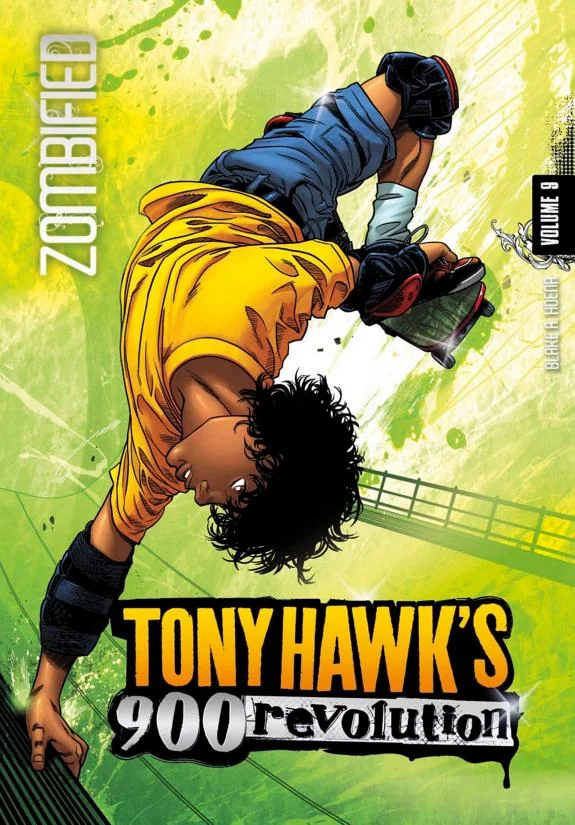
B. A. Hoena's *Zombified* presents a grim vision, post-failed revolution, where the remnants of humanity contend with a world overrun. The novel’s strength lies in its potent blend of post-apocalyptic survival and a palpable sense of existential despair. Omar Grebes’s struggle is less about fighting the undead and more about wrestling with the meaning of survival when the very fabric of society has unraveled. A particularly striking element is the recurring motif of the "zombified world" as a state of being, not just a physical condition, hinting at a loss of will or spirit. However, the narrative occasionally falters in its pacing, sometimes dwelling on bleakness without sufficient narrative propulsion. While the initial premise is strong, the exploration of the failed revolution’s ideological underpinnings could have been more deeply integrated into Grebes's personal journey. Despite these minor drawbacks, *Zombified* offers a somber and effective meditation on resilience in the face of total collapse.
📝 Description
84
B. A. Hoena's Zombified, published in 2013, examines a post-revolutionary society after a zombie apocalypse.
Zombified, by B. A. Hoena, places readers in a world where a revolution has failed and a zombie apocalypse has reshaped society. The story follows Omar Grebes as he navigates the ruins of this changed world. The novel looks at survival, the collapse of social structures, and how people endure extreme pressure. It fits within esoteric fiction, suggesting it looks at deeper, possibly metaphysical, meanings behind the societal breakdown.
This book is for readers who enjoy post-apocalyptic stories that ask existential questions beyond just staying alive. Those who like narratives about the psychological and philosophical effects of society falling apart will find Zombified interesting. It appeals to people who seek stories where outside struggles reflect inner ones, and where the 'zombified' condition might mean more than a physical illness, possibly indicating mental or spiritual decline. Readers of speculative fiction with a dark, thoughtful tone are the main audience.
Within the esoteric fiction genre, Zombified suggests a look at the metaphysical aspects of societal breakdown. The 'zombified' state may represent more than a physical contagion, hinting at spiritual or mental decay. This aligns with esoteric traditions that explore the hidden or symbolic meanings behind physical events, viewing catastrophe as a catalyst for deeper understanding or transformation of consciousness.
💡 Why Read This Book?
• Gain insight into the symbolic representation of societal collapse and spiritual decay through the "zombified world" concept, moving beyond literal interpretations of apocalyptic events. • Understand the narrative implications of a "failed revolution" by exploring how its aftermath shapes survival and individual purpose, as depicted through Omar Grebes's journey. • Experience a literary exploration of existential dread and the search for meaning in a post-apocalyptic setting, reflecting the thematic concerns prevalent in early 2010s speculative fiction.
⭐ Reader Reviews
Honest opinions from readers who have explored this book.
❓ Frequently Asked Questions
What is the primary focus of B. A. Hoena's Zombified?
The primary focus of Zombified is the struggle for survival and meaning in a post-apocalyptic world following a failed revolution, where societal collapse has led to a 'zombified' state.
Who is the main character in Zombified?
The main character is Omar Grebes, who must navigate the ruins and challenges of this zombified world after the revolution's collapse.
When was Zombified first published?
Zombified was first published in 2013, placing it within a period of significant interest in post-apocalyptic and zombie fiction.
What does the term 'zombified world' represent in the book?
The 'zombified world' signifies more than just the undead; it represents a state of societal death, spiritual malaise, and the erosion of humanity after a catastrophic event.
Does Zombified offer a hopeful outlook?
While depicting a grim reality, Zombified's focus is on the human capacity to persevere and search for meaning, offering a nuanced perspective on resilience rather than outright optimism.
What is the genre of Zombified?
Zombified falls into the genre of esoteric fiction and post-apocalyptic speculative fiction, exploring deeper philosophical and societal implications of its setting.
🔮 Key Themes & Symbolism
Societal Collapse and Rebirth
The narrative of Zombified hinges on the aftermath of a failed revolution, presenting a world not merely destroyed but fundamentally 'zombified.' This state signifies a profound societal death, where established structures and ideologies have crumbled, leaving survivors to grapple with the void. The book explores the arduous process of rebuilding or finding meaning amidst total desolation. It questions whether true rebirth is possible when the very foundations of civilization have been compromised, suggesting that survival is as much a mental and spiritual endeavor as a physical one in this post-revolutionary landscape.
The Nature of Humanity Under Duress
Central to Zombified is an examination of what it means to be human when societal norms and safety nets vanish. Omar Grebes's journey through this 'zombified world' highlights the erosion of empathy, the desperate search for connection, and the primal instincts that surface. The text probes whether humanity's core essence can persist or if it inevitably succumbs to the pervasive decay. The narrative studies the psychological toll of constant threat and loss, questioning the boundaries between the living and the 'undead' state, both literally and metaphorically.
Existentialism in Apocalypse
Emerging from a failed revolution, the 'zombified world' of B. A. Hoena's novel becomes a stark stage for existential struggle. Characters confront a universe devoid of inherent meaning, forced to create their own purpose in the face of overwhelming absurdity and death. The book explores themes of freedom and responsibility in a context where traditional morality has collapsed. Omar Grebes's quest is less about defeating the external threat and more about confronting the internal void, making choices that define his humanity in a world that seems to have lost its own.
The Metaphor of the Undead
In Zombified, the concept of the 'undead' extends beyond the literal threat of reanimated corpses. The 'zombified world' serves as a potent metaphor for societal apathy, spiritual stagnation, or the loss of individual will following the disastrous failure of a revolution. Hoena uses this imagery to critique the consequences of ideological collapse and the pervasive sense of hopelessness that can grip a population. The undead represent not just a physical danger, but a chilling reflection of what humanity might become when stripped of purpose and drive.
💬 Memorable Quotes
Direct passages from the work, attributed to the author.
“In a zombified world, even memory felt like a contagion.”
— This interpretation suggests that the past, particularly the memory of the failed revolution and its ideals, is a source of pain or corruption in the current desolate state, contributing to the pervasive sense of decay.
“The living were as lost as the dead.”
— This statement underscores the pervasive existential crisis. It suggests that the line between true life and the 'zombified' state is blurred, implying a widespread loss of purpose and direction among the survivors.
“Hope was a luxury the revolution couldn't afford, and its aftermath offered no change.”
— This idea reflects the narrative's core theme of disillusionment. The failure of the revolution extinguished any preceding hope, and the resulting 'zombified world' offers no new promise, emphasizing the cyclical nature of despair.
💡 Key Ideas
Editorial paraphrase of the work's core concepts — not direct quotes.
The revolution's ashes settled, leaving only ghosts and the shambling.
This line expresses the desolate aftermath of the failed revolution, contrasting the lingering spiritual remnants with the physical threat of the undead, setting a bleak and somber tone for the narrative.
Omar Grebes picked through the debris, each step a question of why.
This paraphrased concept highlights the protagonist's existential burden. His survival is not just a physical act but a continuous philosophical inquiry into the purpose of living in a world that has lost its way.
🌙 Esoteric Significance
Tradition
While not explicitly tied to a single, established esoteric lineage like Hermeticism or Gnosticism, *Zombified* engages with themes resonant within existentialist and occult philosophies. The "zombified world" can be interpreted as a manifestation of collective psychic decay or spiritual slumber, a concept explored in various occult traditions concerning the dangers of spiritual stagnation and the loss of individual will. The failed revolution suggests a disruption of cosmic or societal order, a common concern in systems that emphasize balance and harmony. The work departs from traditional esoteric paths by grounding its metaphysical implications in a raw, post-apocalyptic setting, making the esoteric struggle intensely physical.
Symbolism
The "zombified world" itself is a primary symbol, representing not just physical death but spiritual and societal entropy. The "failed revolution" symbolizes the collapse of grand, often ideological, human projects, leaving a vacuum filled with primal survival and existential dread. Omar Grebes can be seen as an archetypal figure grappling with the loss of meaning, representing the individual soul's struggle against overwhelming nihilism and the forces of dissolution that threaten to consume consciousness itself.
Modern Relevance
Contemporary thinkers in post-apocalyptic studies and speculative fiction often cite works like *Zombified* for their nuanced exploration of societal collapse. The novel's depiction of a "zombified world" as a state of being appeals to discussions on collective consciousness, societal apathy, and the psychological impact of pervasive crises (environmental, political, or social). Modern practitioners of occult philosophy might find parallels in the book's portrayal of spiritual decay and the arduous path toward reclaiming agency and meaning in a seemingly dead world, mirroring personal quests for enlightenment amidst existential challenges.
👥 Who Should Read This Book
• Students of post-apocalyptic fiction interested in narratives that blend survival horror with philosophical inquiry into societal collapse. • Readers of speculative fiction who appreciate allegorical storytelling, exploring the 'zombified world' as a metaphor for existential or spiritual malaise. • Individuals drawn to dark, introspective narratives that examine the resilience of the human spirit and the search for meaning following profound disillusionment.
📜 Historical Context
Published in 2013, B. A. Hoena's *Zombified* arrived at a zenith of zombie culture, driven by successes like AMC's *The Walking Dead* (premiered 2010) and Max Brooks's *World War Z* (2006). This period saw the zombie trope evolve from pure horror to a vehicle for social commentary, a tradition established by George A. Romero decades prior. *Zombified* taps into this by framing its apocalypse within a failed revolution, adding a layer of political disillusionment. The early 2010s were a fertile ground for exploring societal breakdown, with authors like Mira Grant (pen name for Seanan McGuire) also contributing to the genre with her *Newsflesh* series, which began in 2010 and explored a post-zombie-apocalypse world with journalistic rigor. Hoena’s work contributes to this trend of using the undead to dissect contemporary anxieties about political systems, social order, and the very definition of humanity in crisis.
📔 Journal Prompts
The 'zombified world' after the failed revolution: what does this state signify beyond the literal undead?
Omar Grebes's struggle for meaning: how does his search reflect existentialist themes?
The consequences of a "failed revolution": reflect on its impact on societal structures and individual belief systems.
Memory as contagion: explore the idea of the past as a destructive force in a desolate present.
The blurred line between the living and the 'zombified': consider what defines true consciousness in extreme circumstances.
🗂️ Glossary
Zombified World
A state of societal and spiritual decay following a catastrophic event (here, a failed revolution), characterized by pervasive death, loss of purpose, and the literal presence of the undead.
Failed Revolution
An ideological or political uprising that does not achieve its stated aims, leading to widespread collapse, disillusionment, and often a descent into chaos or a new, oppressive order.
Omar Grebes
The protagonist of Zombified, tasked with reading through the post-apocalyptic landscape and confronting the existential challenges of survival.
Post-Revolutionary Landscape
The physical and social environment that exists after the collapse or failure of a revolutionary movement, typically marked by instability, destruction, and a void of established authority.
Existential Struggle
The philosophical confrontation with the apparent meaninglessness of existence, the burden of freedom, and the search for purpose in a chaotic or indifferent universe.
Societal Entropy
The tendency of a society to break down into a state of disorder, decay, and loss of structure, often accelerated by internal or external crises.
Spiritual Slumber
A state of collective or individual spiritual inactivity, apathy, or unconsciousness, where connection to higher principles or inner meaning is lost.
This book appears in 1 collection
🔮 Readers Also Liked
Browse all →







From the “Visions” Collection
View all →
More Free Occult Philosophy Books
View all →