Writing the Divine
 82
82

Writing the Divine
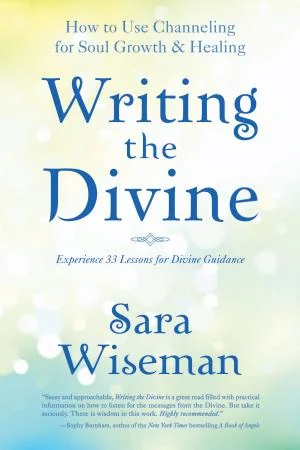
Sara Wiseman's "Writing the Divine" tackles the often-mystified practice of channeling with a refreshing pragmatism. Unlike many guides that lean on abstract theory, Wiseman provides a clear, step-by-step approach, particularly strong in its emphasis on using a journal for spiritual growth. The section on meeting spirit guides, while potentially challenging for skeptics, is handled with a grounded tone. A limitation might be its directness; those seeking deep dives into the historical or philosophical underpinnings of channeling might find it less comprehensive. However, for the stated goal of practical application, the book succeeds. The advice on "getting into the flow" offers a tangible method for those struggling with writer's block in their spiritual practice. It's a functional handbook for aspiring channelers.
📝 Description
82
Sara Wiseman's 2009 book teaches how to use journaling for spiritual connection.
Sara Wiseman's "Writing the Divine" presents channeled writing and journaling as methods for spiritual growth and personal manifestation. The book guides readers on how to receive intuitive messages, moving from initial hesitation to a confident connection with higher consciousness. It is intended for those wishing to deepen their spiritual practices through direct inner conversation.
Individuals interested in connecting with spirit guides, understanding universal truths, or employing journaling for achieving goals will find this book useful. Both beginners in channeling and those with experience can benefit from its teachings. The work establishes the journal as a sacred space for communication and self discovery.
Published in 2009, "Writing the Divine" arrived as interest in New Age spirituality and personal empowerment grew. While earlier traditions like Theosophy explored spiritual dictation, Wiseman's approach refines these ideas for today's readers. It favors accessible, modern methods for direct personal experience, aligning with a broader movement in esoteric thought that prioritizes inner guidance over rigid doctrines.
💡 Why Read This Book?
• You will learn to use a journal for spiritual growth, as demonstrated by Wiseman's clear instructions on creating a sacred space for inner dialogue, a technique not always detailed with such precision in other works. • You can expect to receive clear guidance on meeting your spirit guides, a specific outcome detailed in chapter 5, offering a practical approach to inter-dimensional communication. • You will gain methods to manifest your goals through writing, a core tenet presented with actionable steps that go beyond generic affirmations seen elsewhere.
⭐ Reader Reviews
Honest opinions from readers who have explored this book.
❓ Frequently Asked Questions
What is channeled writing according to Sara Wiseman?
Channeled writing, as presented in "Writing the Divine," is a form of intuitive communication where the writer acts as a conduit for higher consciousness, spirit guides, or universal wisdom. Wiseman emphasizes it as a dialogue, not just passive reception.
How does the book suggest using a journal for spiritual growth?
The book details using a journal as a dedicated space for spiritual dialogue. It provides exercises for asking questions, receiving guidance, and tracking intuitive messages, transforming the journal into an active tool for self-discovery and connection.
Can beginners learn channeling from "Writing the Divine"?
Yes, the book is specifically designed for beginners, offering clear, step-by-step instructions. Wiseman addresses common concerns and provides practical advice for those new to receiving intuitive information and writing it down.
What are spirit guides and how can one connect with them?
According to Wiseman, spirit guides are benevolent beings offering support and wisdom. The book outlines methods for opening oneself to their presence, developing a connection through focused intention and journaling, as detailed in chapter 5.
How does "Writing the Divine" connect writing to manifestation?
The book explains that by channeling divine energy and clearly articulating goals through writing, individuals can align their intentions with universal forces, thereby increasing their potential to manifest desired outcomes in their lives.
When was "Writing the Divine" first published?
"Writing the Divine" by Sara Wiseman was first published in 2009, positioning it within the early 21st-century resurgence of interest in practical spirituality and intuitive development.
🔮 Key Themes & Symbolism
Intuitive Communication
The book posits that everyone possesses the innate ability to communicate with higher realms. Wiseman guides readers in distinguishing their own thoughts from intuitive messages, emphasizing a gentle, receptive approach. This theme explores the nature of divine inspiration, framing it not as a rare gift but as an accessible dialogue waiting to be opened through consistent practice and belief in one's own inner wisdom.
Journaling as Sacred Practice
"Writing the Divine" elevates the act of journaling beyond a personal diary into a sacred tool for spiritual connection. It provides structured methods for using a journal to converse with the divine, receive guidance, and gain clarity on life's challenges. This transforms a common practice into a deliberate ritual for accessing deeper truths and fostering personal evolution.
Manifestation Through Writing
A significant aspect of the book is its focus on using channeled writing for manifestation. Wiseman explains how articulating desires and receiving divine confirmation through writing can align an individual's energy with their goals. This theme bridges the spiritual and material worlds, suggesting that spiritual connection directly empowers the creation of one's reality.
Connection with Spirit Guides
The work clarifies the concept of spirit guides, presenting them as accessible allies in spiritual growth. Wiseman offers practical techniques for identifying, connecting with, and receiving messages from these entities. This theme encourages readers to build relationships with their guides, viewing them as sources of wisdom, support, and encouragement throughout life's journey.
💬 Memorable Quotes
Direct passages from the work, attributed to the author.
“You can receive answers to life's questions and challenges.”
— This highlights the practical utility of channeled writing, suggesting that the divine communication facilitated by the book's methods can provide direct solutions and clarity for personal dilemmas.
“Meet your spirit guides.”
— This points to the relational aspect of spiritual connection explored in the book, framing spirit guides as accessible companions and sources of wisdom rather than distant, abstract concepts.
“Tune in to universal truths.”
— This suggests that the practice of channeled writing leads to an expanded awareness, allowing individuals to access a deeper understanding of reality beyond personal perspectives and societal conditioning.
“Use a journal for spiritual growth.”
— This emphasizes the central role of the journal as a tool for personal development, positioning it as a deliberate practice for cultivating inner wisdom and connection, as detailed in the book's exercises.
“Get in the flow of Divine energies.”
— This captures the essence of achieving a receptive state for channeling, portraying divine energy as a dynamic force that can be accessed and worked with through specific techniques taught in the book.
🌙 Esoteric Significance
Tradition
While not strictly adhering to a single lineage, "Writing the Divine" draws from the broad tradition of Western esotericism, particularly its modern manifestations in New Age thought. It echoes Gnostic ideals of direct knowledge (gnosis) and Hermetic principles of correspondence ('as above, so below'), but focuses on accessible, personal revelation rather than complex theological or magical systems. It positions intuitive writing as a modern form of divine inspiration.
Symbolism
The primary symbol is the 'journal' itself, elevated from a mere notebook to a sacred space for divine dialogue—a microcosm of the practitioner's inner world. 'Flow' represents the energetic connection to divine consciousness, akin to concepts of prana or chi, enabling clear reception. 'Spirit guides' function symbolically as archetypal wisdom figures or aspects of the higher self, offering guidance and support.
Modern Relevance
Wiseman's work remains relevant for contemporary spiritual seekers, particularly those engaged with mindfulness, manifestation practices, and therapeutic journaling. It influences current trends in life coaching and personal development that integrate spiritual principles. Thinkers and practitioners exploring embodied spirituality and direct intuitive knowing often find its practical approach a valuable starting point or complementary resource.
👥 Who Should Read This Book
• Aspiring channelers seeking a structured introduction to receiving intuitive messages and developing a consistent practice. • Individuals interested in deepening their spiritual connection through journaling and exploring inner guidance for personal growth. • Those looking for practical methods to manifest goals, combining spiritual awareness with actionable writing techniques.
📜 Historical Context
Published in 2009, Sara Wiseman's "Writing the Divine" arrived as the internet facilitated wider dissemination of esoteric knowledge and personal spiritual exploration. This period saw a surge in interest in New Age practices, mindfulness, and self-help, often blending psychology with spirituality. While figures like Helena Blavatsky pioneered spiritual communication in the late 19th century through Theosophy, Wiseman's work offers a more secularly framed, accessible approach, eschewing complex metaphysical systems for direct personal experience. It emerged in a landscape where books on intuition and channeling were common, but Wiseman's contribution lies in its structured, practical guidance, making the esoteric feel achievable for a contemporary audience seeking tangible results and inner connection.
📔 Journal Prompts
Channeled writing as a dialogue with the Divine.
Your personal spirit guides and their messages.
Manifesting goals through the written word.
Distinguishing intuitive input from ordinary thought.
The journal as a sacred space for inner wisdom.
🗂️ Glossary
Channeled Writing
A process of receiving and transcribing messages, insights, or guidance from a higher consciousness, spirit guides, or universal intelligence, acting as a conduit for divine communication.
Spirit Guides
Benevolent spiritual entities or higher aspects of consciousness that offer guidance, support, and wisdom to individuals on their spiritual path.
Divine Energies
The subtle, pervasive forces or consciousness of the universe, believed to be a source of inspiration, healing, and creative power that can be accessed through spiritual practice.
Manifestation
The process of bringing thoughts, desires, or intentions into physical reality through focused energy, belief, and aligned action, often facilitated by spiritual practices.
Intuitive Input
Information received through inner knowing, subtle perceptions, or direct spiritual communication, distinct from logical reasoning or sensory input.
Sacred Space
A dedicated physical or mental environment intentionally created to foster connection with the divine, facilitate spiritual practice, and promote inner peace and focus.
Flow State
An optimal state of consciousness where one feels energized, focused, and fully involved in an activity, often experienced during channeled writing as a connection to divine energies.
This book appears in 1 collection
🔮 Readers Also Liked
Browse all →









From the “Spiritualism” Collection
View all →



More Free Occult Philosophy Books
View all →