Works (Danse Macabre / Salem's Lot / Shining)

 82
82

Works (Danse Macabre / Salem's Lot / Shining)
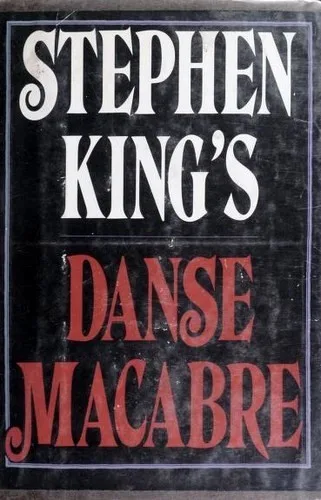
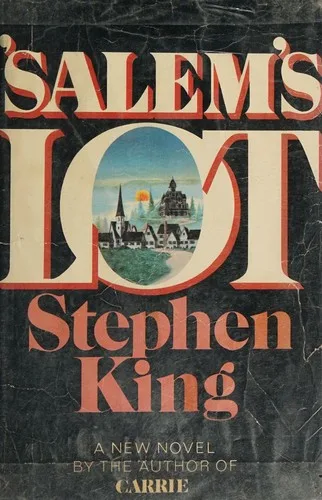
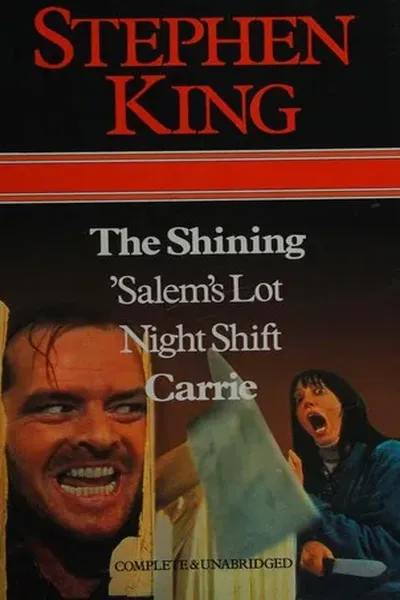
Stephen King’s *Works* compilation offers a potent distillation of his early career, specifically *Danse Macabre*, *Salem's Lot*, and *The Shining*. While *Danse Macabre* is a critical study, its inclusion here feels more like context-setting for the fiction. The true power lies in the two novels. *Salem's Lot* reinvents the vampire mythos with a chilling, almost biblical sense of encroaching evil in the titular Maine town. The depiction of the vampires' insidious spread is particularly effective. *The Shining*, however, remains the collection's dark heart. King’s exploration of the Overlook Hotel’s malevolence, intertwined with Jack Torrance's descent into madness fueled by alcohol and isolation, is a masterclass in psychological horror. The sheer oppressive atmosphere of the hotel, a character in itself, is palpable. A minor quibble might be the inclusion of *Danse Macabre* in a fiction-focused collection, but its insights into horror's mechanics are undeniable. This is King before the sprawling epics, focused and terrifyingly direct.
📝 Description
82
Stephen King's *Danse Macabre*, *Salem's Lot*, and *The Shining* were published between 1975 and 1981.
This collection gathers three significant novels from Stephen King's early career: *Danse Macabre*, *Salem's Lot*, and *The Shining*. Originally published between 1975 and 1981, their inclusion in one volume offers a concentrated view of King's initial investigations into fear, the uncanny, and human vulnerability. *Danse Macabre*, often seen as non-fiction, functions as an extended examination of the horror genre, dissecting its origins and psychological effects. *Salem's Lot* revisits classic vampire mythology, placing it in a small-town American context. *The Shining* delves into addiction, isolation, and supernatural influence within the isolated Overlook Hotel.
Across these narratives, King consistently explores the darkness that exists both in supernatural forces and within human flaws. The compilation emphasizes his ongoing fascination with the breakdown of everyday reality and the intrusion of primal fears. These stories frequently depict characters confronting not only external threats but also their own internal struggles and mental fractures. This collection is a valuable resource for tracing the development of King's writing style and thematic interests, showing his early skill in building atmospheric dread and examining the psychological roots of terror.
While not strictly esoteric in a mystical sense, these novels engage with primal fears and the breakdown of rational order, touching on occult themes common in supernatural fiction. King's analysis in *Danse Macabre* itself breaks down the genre's roots, which often draw from folklore, superstition, and the human psyche's response to the unknown. *Salem's Lot* taps into ancient vampiric legends, and *The Shining* touches on themes of possession and malevolent influence, echoing older narratives of spiritual or mental affliction.
💡 Why Read This Book?
• Gain insight into the archetypal fears of vampirism and demonic possession as presented in *Salem's Lot*, understanding how King revitalizes classic supernatural tropes. • Examine the psychological landscape of addiction and isolation through Jack Torrance's disintegration in *The Shining*, appreciating King's portrayal of internal breakdown. • Understand the mechanics of horror fiction through Stephen King's own analysis in *Danse Macabre*, learning his framework for effective dread and terror.
⭐ Reader Reviews
Honest opinions from readers who have explored this book.
❓ Frequently Asked Questions
What is the primary focus of the collection "Works (Danse Macabre / Salem's Lot / Shining)"?
This collection focuses on Stephen King's early explorations of horror and the supernatural. It includes his critical analysis of the genre in *Danse Macabre* and two seminal novels, *Salem's Lot* and *The Shining*, showcasing his development of atmospheric dread and psychological terror.
When were the individual books within this collection first published?
*Danse Macabre* was first published in 1981, *Salem's Lot* in 1975, and *The Shining* in 1977. This compilation brings together these significant early works.
What esoteric themes are present in "Salem's Lot"?
*Salem's Lot* delves into themes of good versus evil, the corruption of innocence, and the pervasive nature of darkness, reinterpreting classic vampiric lore within a religiously charged small-town setting.
How does "The Shining" explore psychological horror?
*The Shining* masterfully depicts psychological horror through Jack Torrance's descent into madness, amplified by the supernatural influence of the isolated Overlook Hotel and his struggles with alcoholism.
Is "Danse Macabre" a novel or a non-fiction analysis?
*Danse Macabre* is a non-fiction work where Stephen King analyzes the genre of horror, its history, and its appeal, rather than a fictional narrative itself.
What makes this collection significant for Stephen King fans?
This collection is significant as it gathers three of King's foundational works from the 1970s and early 1980s, offering a concentrated view of his early thematic concerns and narrative techniques before his later, more expansive works.
🔮 Key Themes & Symbolism
The Intrusive Unknown
Across *Salem's Lot* and *The Shining*, King excels at depicting the mundane world being systematically invaded by forces beyond comprehension. In *Salem's Lot*, the vampire Barlow and his progeny represent an ancient, corrupting influence that seeps into Jerusalem's Lot, dismantling community and faith. *The Shining* similarly posits the Overlook Hotel as a psychic entity, a locus of past atrocities that preys upon the weaknesses of its inhabitants, particularly Jack Torrance. This theme reflects an esoteric concern with liminal spaces and entities that disrupt the established order of reality, blurring the lines between external threat and internal vulnerability.
Descent and Corruption
A central motif is the individual's or community's fall from grace or sanity. Jack Torrance's unraveling in *The Shining* is a stark portrayal of addiction and psychological decay, exacerbated by the hotel's influence. In *Salem's Lot*, the town itself succumbs to vampiric infestation, its inhabitants transformed into monstrous reflections of their former selves. This aligns with certain Gnostic concepts of spiritual descent or the corruption of the material world by malevolent forces, questioning the inherent goodness or resilience of human nature when faced with overwhelming darkness.
The Nature of Fear Itself
*Danse Macabre* is the explicit exploration of this theme, where King deconstructs the elements that constitute horror. He examines folklore, literature, and film to understand why humans are drawn to fear. This analytical approach provides a meta-commentary on the other two novels, revealing the carefully constructed architecture of dread. The collection, therefore, offers both visceral experiences of fear and an intellectual dissection of its origins and impact, touching upon the esoteric fascination with the shadow self and the primal energies that drive human behavior.
💬 Memorable Quotes
Direct passages from the work, attributed to the author.
“The vampire is a symbol of the repressed, the things we don't want to think about.”
— This interpretation of the vampire archetype, as presented in *Danse Macabre*, highlights its function as a vessel for societal anxieties and personal psychological burdens, reflecting an esoteric understanding of symbols as embodiments of collective subconscious fears.
“Darkness falls, and the town becomes a different place entirely.”
— This concept, echoing the atmosphere of *Salem's Lot*, points to the transformative power of supernatural influence, where the arrival of evil fundamentally alters the fabric of a community and its inhabitants.
“Horror works best when it reflects our deepest, often unspoken, fears.”
— This interpretation, derived from *Danse Macabre*, emphasizes the psychological core of effective horror, aligning with esoteric philosophies that explore the power of the mind and the manifestation of inner turmoil.
“Isolation can be its own kind of monster.”
— This observation, pertinent to *The Shining*, speaks to the psychological devastation wrought by solitude, suggesting it can create internal conditions ripe for external or self-generated horror, a theme often explored in ascetic and mystical traditions.
💡 Key Ideas
Editorial paraphrase of the work's core concepts — not direct quotes.
The Overlook Hotel is a place that feeds on bad things.
This paraphrased concept from *The Shining* suggests the hotel possesses a malevolent consciousness, a common esoteric notion of locations imbued with residual energy or sentient malevolence, capable of influencing or consuming human minds.
🌙 Esoteric Significance
Tradition
While not explicitly tied to a single esoteric lineage, King's work often engages with archetypal themes found across Hermeticism, Gnosticism, and folk magic. His narratives explore the intrusion of chaotic or malevolent forces into ordered reality, akin to Gnostic ideas of a flawed creation or Hermetic principles of correspondence between the macrocosm and microcosm. The focus on inner corruption and external manifestation also touches upon alchemical processes of transformation and shadow work, albeit through a distinctly modern, secular lens.
Symbolism
The Overlook Hotel in *The Shining* functions as a powerful symbol of a haunted space, a nexus of past traumas and psychic residue, reflecting esoteric concepts of geomancy and places holding energetic imprints. Vampires in *Salem's Lot* represent ancient, corrupting influences, embodying themes of psychic vampirism and the decay of spiritual purity, echoing ancient fears of parasitic entities. The isolation of the protagonists in both novels symbolizes the spiritual desert or the void encountered in intense inner work or profound despair.
Modern Relevance
King's exploration of psychological horror and the supernatural's intrusion into everyday life continues to influence contemporary horror authors and filmmakers. Modern practitioners of occult studies often analyze his work for its depiction of psychic phenomena, demonic influence, and the breakdown of psychological defenses. Thinkers exploring the 'dark sublime' or the aestheticization of fear find fertile ground in King's narratives, which tap into primal anxieties relevant to current discussions on trauma, addiction, and societal anxieties.
👥 Who Should Read This Book
• Students of American Gothic literature seeking to understand King's reinterpretation of classic horror tropes within a modern context. • Aspiring writers interested in the craft of building suspense, atmosphere, and psychological dread in their narratives. • Readers fascinated by the intersection of folklore, psychology, and the supernatural, exploring how ancient fears manifest in contemporary storytelling.
📜 Historical Context
Published in the late 1970s and early 1980s, this collection arrives during a period of significant resurgence and evolution in horror literature and film. Stephen King, having already established himself with *Carrie* (1974) and *The Stand* (1978), was solidifying his position as a dominant voice. *Salem's Lot* (1975) offered a contemporary take on classic vampire lore, diverging from gothic traditions and situating the evil within the familiar American landscape, a move that resonated with a public increasingly interested in the uncanny within the everyday. *The Shining* (1977) pushed into psychological terror, exploring themes of addiction and domestic breakdown, which mirrored societal anxieties of the era. *Danse Macabre* (1981) itself was a landmark in horror criticism, providing a comprehensive overview of the genre's history and psychological underpinnings. This period also saw contemporary authors like Anne Rice revitalizing vampire narratives with *Interview with the Vampire* (1976), offering a different, more introspective perspective on the undead.
📔 Journal Prompts
The corrupting influence of the Overlook Hotel on Jack Torrance.
The transformation of Jerusalem's Lot under vampiric influence.
Stephen King's analysis of horror's appeal in *Danse Macabre*.
The symbolic weight of isolation in *The Shining*.
The archetypal representation of the vampire in *Salem's Lot*.
🗂️ Glossary
Vampirism
In *Salem's Lot*, this refers to the classic folklore creature that subsists on the blood of the living, here recontextualized as an ancient evil corrupting a small Maine town.
Psychic Residue
A concept explored in *The Shining*, suggesting that locations like the Overlook Hotel can absorb and retain the psychic energy of traumatic events, influencing subsequent inhabitants.
Archetypal Horror
As discussed in *Danse Macabre*, this refers to horror tropes (like vampires, ghosts) that tap into deep-seated, universal human fears and anxieties.
Atmospheric Dread
King's technique, evident in all three works, of using setting, mood, and suggestion to create a pervasive sense of unease and impending doom.
Dissolution of Self
The process of losing one's identity or sanity, exemplified by Jack Torrance's descent in *The Shining* and the townspeople's transformation in *Salem's Lot*.
Folkloric Reinterpretation
King's method of taking established myths and legends, such as the vampire, and recasting them within a contemporary or unique narrative framework.
The Uncanny
A feeling of unease evoked by something that is simultaneously familiar and strangely alien, a common element in King's supernatural encounters.
🔮 Readers Also Liked
Browse all →







More by Stephen King
All books →

More Free Occult Philosophy Books
View all →