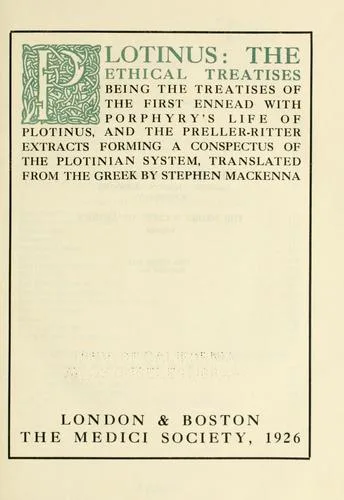
The Gathering

 80
80

The Gathering
Carmody’s The Gathering presents a potent, if occasionally uneven, exploration of inherited power and imposed conformity. The strength of the novel lies in its palpable atmosphere; the oppressive environment of the city and the pervasive sense of surveillance create a compelling backdrop for Lyra’s awakening. Carmody excels at conveying the emotional weight of Lyra’s isolation and her dawning awareness of her own capabilities. A passage detailing Lyra’s tentative interaction with a fellow gifted individual, where unspoken understanding bridges a chasm of fear, stands out for its delicate portrayal of connection.
However, the pacing can feel deliberate, particularly in the earlier sections, as the author meticulously constructs the world and Lyra’s immediate surroundings. While this builds immersion, some readers might find the initial momentum slow. The overarching narrative, concerning the control of gifted individuals, occasionally treads familiar ground within speculative fiction. Despite these minor reservations, The Gathering offers a solid foundation for its subsequent installments, driven by a memorable protagonist and a world ripe for further discovery.
Read more ↓
Carmody's debut is a promising, atmospheric entry into the genre.
📝 Description
80
Isobelle Carmody's 1993 novel, The Gathering, introduces Lyra, a young woman discovering her extraordinary abilities in a controlled society.
The Gathering, published in 1993, follows Lyra, a young protagonist living in a society where individuals with supernatural aptitudes, known as 'gifted,' are strictly controlled. Lyra must grapple with her own emerging powers and a hidden heritage, navigating a world that fears and attempts to suppress her unique nature. The narrative focuses on her internal struggles as she confronts the tension between embracing her inherent self and conforming to societal pressures.
Carmody's work is suited for readers who enjoy character-driven speculative fiction. It offers a strong sense of atmosphere and mystery, exploring themes of identity, belonging, and resistance against oppressive systems. The world-building is gradually revealed, drawing readers into Lyra's experiences and her quest to find her place in a society that seeks to contain her.
Published in 1993, The Gathering aligns with a growing trend in young adult speculative fiction that examines the individual's struggle against controlling societal structures. Carmody's focus on 'gifted' individuals, whose supernatural aptitudes are integral to their identity yet lead to persecution, taps into esoteric traditions that explore inherent power and the challenges of its expression. The novel reflects broader literary currents of the era questioning authority and societal norms, placing it within a tradition of stories that explore hidden potential and the conflict between personal truth and external conformity.
💡 Why Read This Book?
• You will gain an understanding of the thematic exploration of innate abilities being perceived as threats, as seen in Lyra’s struggle against the societal controls depicted in the novel. This offers a specific lens on power dynamics. • You will experience the development of a protagonist who grapples with her own extraordinary nature, mirroring themes of self-discovery prevalent in speculative fiction since the late 20th century, providing a character-focused narrative arc. • You will encounter the intricate world-building of a society designed to suppress unique talents, a concept explored through the city’s mechanisms of control and surveillance, offering a concrete example of dystopian societal structure.
⭐ Reader Reviews
Honest opinions from readers who have explored this book.
❓ Frequently Asked Questions
What is the central conflict in Isobelle Carmody's The Gathering?
The central conflict revolves around Lyra, a young protagonist discovering her extraordinary abilities in a society that fears and controls such individuals. She must navigate her own identity while evading or confronting the forces seeking to suppress her kind.
When was The Gathering first published?
The Gathering was first published in 1993, positioning it within the burgeoning wave of complex young adult speculative fiction that gained prominence in the late 20th century.
What kind of powers do the gifted individuals have in The Gathering?
The 'gifted' individuals possess a range of supernatural aptitudes, though the specific manifestations are often kept mysterious in the initial stages of the novel, contributing to the overarching sense of intrigue and danger.
Is The Gathering part of a series?
Yes, The Gathering is the first book in a series, followed by other titles that continue Lyra's story and further explore the world and its complex societal structures.
What makes the setting of The Gathering unique?
The setting is characterized by a pervasive atmosphere of control and surveillance, where 'gifted' individuals are systematically monitored and suppressed by an overarching authority, creating a distinct dystopian feel.
Who is the author, Isobelle Carmody?
Isobelle Carmody is an Australian author known for her work in speculative fiction for young adults, including the 'Obernewtyn Chronicles' of which The Gathering is the first book.
🔮 Key Themes & Symbolism
Suppression of Innate Talent
A core theme in The Gathering is the societal fear and active suppression of individuals possessing extraordinary abilities, termed 'gifted.' This fear leads to stringent controls and surveillance, forcing those with gifts into hiding or under severe regulation. The narrative explores the psychological toll this takes on characters like Lyra, who must conceal her true nature. This concept challenges the notion that inherent qualities are always celebrated, instead presenting them as potential sources of ostracism and persecution within a structured society.
Identity and Belonging
The protagonist, Lyra, grapples profoundly with her sense of self and her place in the world. Her developing abilities create a chasm between her perceived normalcy and her inherent extraordinary nature, leading to feelings of isolation. The search for connection with others who share her gifts becomes a driving force. This theme is explored through her internal monologues and her interactions with other characters, highlighting the universal human need to belong and be accepted for who one truly is, especially when that self is unconventional.
Control vs. Freedom
The novel presents a stark dichotomy between the oppressive societal structures designed to maintain order through control and the innate human desire for freedom and self-expression. The authorities in The Gathering operate on the principle that control is necessary to prevent chaos, particularly concerning the 'gifted.' Lyra's journey embodies the struggle against this pervasive control, questioning whether true order can be achieved by stifling individual potential or if freedom, even with its inherent risks, is essential for genuine growth and existence.
The Nature of Power
The Gathering examines power not just as a physical or magical force, but as a social and psychological construct. The 'gifted' possess a power that is feared by the 'normals,' and this fear dictates how power is perceived and managed. The narrative probes whether power is inherently corrupting or if it is the societal reaction to power that shapes its impact. It questions the responsibility that comes with possessing exceptional abilities and the ethical dilemmas faced by those who wield them, intentionally or not.
💬 Memorable Quotes
Direct passages from the work, attributed to the author.
“She learned to hide the spark within.”
— This expresses Lyra's early struggle for survival. It signifies the necessity of concealing her unique abilities, her 'spark,' from a world that would likely exploit or condemn her for them, highlighting the theme of self-preservation.
“The city watched, always watched.”
— This phrase evokes the pervasive atmosphere of surveillance and control that permeates the novel's setting. It underscores the constant threat faced by the 'gifted' and the oppressive nature of the society Lyra inhabits.
“A whisper of understanding passed between them.”
— This refers to the subtle, often non-verbal, connections formed between characters who share similar experiences or abilities, particularly the 'gifted.' It speaks to the profound sense of community and shared identity found in mutual understanding.
“Her heritage was both a burden and a key.”
— This reflects Lyra's complex relationship with her lineage and the powers that come with it. Her heritage is a source of danger and isolation ('burden') but also the means by which she can understand her world and potentially change it ('key').
“They sought to cage the wildness.”
— This vividly describes the efforts of the controlling authorities to restrain and neutralize the inherent, untamed potential of the 'gifted.' It frames their abilities as a natural force that society attempts to subdue.
🌙 Esoteric Significance
Tradition
While The Gathering does not explicitly align with a single esoteric tradition like Hermeticism or Kabbalah, its themes of hidden potential, societal control, and the burden of innate abilities resonate with Gnostic ideas of a flawed material world and the presence of divine sparks within individuals. The 'gifted' can be seen as possessing an inherent 'gnosis' or knowledge, which the established order seeks to suppress. The narrative explores the struggle for self-realization against a backdrop of systemic ignorance and control, a common motif in esoteric thought.
Symbolism
The concept of 'The Gift' itself functions as a central symbol, representing an innate, often spiritual or psychic, potential that sets individuals apart. The city, with its pervasive surveillance and sterile order, symbolizes a restrictive, materialistic, or even Archontic system designed to suppress authentic being. Lyra's journey represents the awakening soul seeking to break free from illusion and constraint, a classic alchemical and mystical symbolism of transformation and liberation from the mundane.
Modern Relevance
The work's exploration of societal control over perceived deviance and the suppression of unique talents remains highly relevant. In contemporary discourse, themes of conformity, censorship, and the marginalization of those who think or act differently find echoes in Carmody's world. Thinkers and practitioners interested in concepts of inherent potential, the psychology of oppression, and the quest for authentic selfhood within restrictive environments can draw parallels to current societal challenges and personal growth journeys.
👥 Who Should Read This Book
• Young adult readers interested in character-driven fantasy and science fiction who are drawn to narratives about self-discovery and overcoming adversity. • Adults seeking speculative fiction that explores themes of identity, societal control, and the nature of innate abilities, offering a more mature take on classic tropes. • Aspiring writers and literary analysts interested in examining early examples of complex world-building and thematic depth in late 20th-century YA speculative fiction.
📜 Historical Context
Isobelle Carmody's The Gathering, published in 1993, arrived at a time when young adult speculative fiction was evolving beyond simple adventure narratives into more thematically complex explorations. Authors like Ursula K. Le Guin had already paved the way for sophisticated world-building and examinations of societal structures. The early 1990s also saw a growing interest in dystopian and post-apocalyptic themes in literature, reflecting anxieties of the era. Carmody’s novel contributes to this landscape by focusing on the internal struggles of a protagonist discovering her unique abilities in a society that actively suppresses them. This aligns with a broader cultural shift towards questioning authority and celebrating individuality, even in the face of systemic opposition. While not directly engaging with a specific intellectual movement like Gnosticism or Hermeticism in its public reception, its themes of hidden potential and societal control echo philosophical undercurrents present in discussions of freedom and determinism.
📔 Journal Prompts
Lyra's struggle with her 'gifted' status.
The pervasive surveillance of the city.
The concept of a 'whisper of understanding' between characters.
The dual nature of Lyra's heritage as burden and key.
The societal impulse to 'cage the wildness'.
🗂️ Glossary
Gifted
Individuals possessing supernatural or extraordinary abilities that set them apart from the general populace. Their gifts are often feared and suppressed by societal authorities.
The Gathering
The title refers to a clandestine event or process related to the 'gifted,' hinting at their potential for organization or a collective awakening, though its precise nature is initially veiled.
The Voice
A term used to describe a specific type of communication or influence, often subtle, that can be exerted by certain 'gifted' individuals, suggesting a form of telepathic or empathetic connection.
Sanctuary
A place or concept representing safety and refuge for the 'gifted,' a stark contrast to the oppressive environment of the city, symbolizing hope and a community beyond control.
The Order
The overarching authority or organization responsible for monitoring, controlling, and suppressing the 'gifted' population within the novel's society.
Lyra
The primary protagonist of the novel, a young girl who discovers her extraordinary abilities and grapples with her identity and place in a world that fears her kind.
Seer
A designation for a 'gifted' individual with precognitive or highly intuitive abilities, capable of perceiving future events or hidden truths.
🔮 Readers Also Liked
Browse all →








More by Isobelle Carmody
All books →





More Free Occult Philosophy Books
View all →