Oriental Mysticism
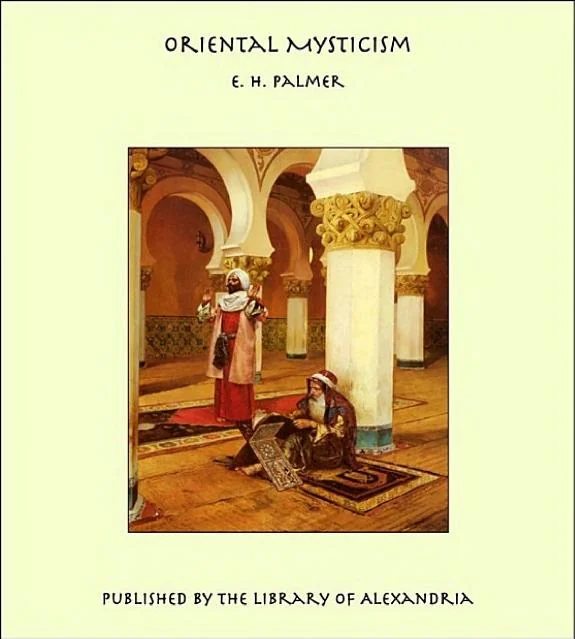
 78
78

Oriental Mysticism
E.H. Palmer's *Oriental Mysticism* attempts a commendable feat: to bring scholarly order to the sprawling landscape of Eastern esoteric thought for a 1930s Western audience. The author succeeds admirably in detailing the philosophical underpinnings of various traditions, particularly his precise delineation of the concept of *nirvana* as distinct from Western notions of paradise. This analytical clarity is a significant strength. However, the work occasionally betrays its era, employing a somewhat detached, almost anthropological tone that can distance the reader from the lived spiritual experience these concepts represent. A passage discussing the various *yogas* illustrates this – the categorization is thorough, but the visceral understanding of the practice feels mediated. Despite this, Palmer’s meticulousness in tracing the evolution of ideas from figures like Shankara offers a valuable historical anchor. For those seeking a structured, academic overview of Eastern mysticism, it remains a useful, albeit sometimes dry, resource.
📝 Description
78
E. H. Palmer's 1938 volume *Oriental Mysticism* examines Eastern esoteric traditions with academic rigor.
This 1938 book by E. H. Palmer offers a scholarly analysis of esoteric traditions from the East. It systematically examines philosophies and spiritual practices that differ from Western metaphysical ideas. Palmer's work is an analytical study, not a devotional text. Its goal is to explain the core principles and historical paths of these Eastern schools of thought. The book approaches its subject with academic seriousness, attempting to classify and clarify phenomena that were subjects of great curiosity and frequent misunderstanding in the West when it was published.
*Oriental Mysticism* is aimed at serious students of comparative religion, philosophy, and esoteric studies. It is for those who want to grasp the intellectual structure of Eastern mysticism beyond simple popular accounts. Readers familiar with Western occult concepts who wish to compare and contrast traditions will find much to consider. The book is also useful for academics studying the history of religious thought or the impact of Eastern philosophies on Western esoteric movements in the late 19th and early 20th centuries. Some background in philosophical study is helpful.
Published in 1938, *Oriental Mysticism* arrived during a time of heightened Western interest in Eastern thought, partly due to figures like Helena Blavatsky and the Theosophical Society. Palmer's book adds an academic viewpoint to this developing discourse, contrasting with more spiritual writings of the period. The era also saw growing study in comparative religion and a search for universal spiritual ideas, often interpreted through the lens of esoteric traditions.
💡 Why Read This Book?
• Gain a structured understanding of core Eastern mystical concepts like *nirvana* and *karma*, differentiating them from Western spiritual interpretations, as presented in the book's detailed philosophical breakdowns. • Appreciate the historical context of Western engagement with Eastern thought, particularly the academic discourse surrounding spirituality in the 1930s, as evidenced by Palmer's systematic approach. • Understand the diverse paths to spiritual attainment through the exploration of various *yogas* and their philosophical underpinnings, as meticulously detailed in Palmer's analytical framework.
⭐ Reader Reviews
Honest opinions from readers who have explored this book.
❓ Frequently Asked Questions
When was Oriental Mysticism first published?
Oriental Mysticism by E.H. Palmer was first published in 1938, placing it within a period of significant Western interest in Eastern philosophies and spiritual practices.
What is the primary focus of E.H. Palmer's Oriental Mysticism?
The book focuses on a scholarly examination and systematic explanation of the core philosophical tenets and spiritual practices found in various Eastern esoteric traditions.
Does Oriental Mysticism offer practical guidance for spiritual practice?
While it details concepts and paths like the various *yogas*, the book's primary aim is analytical and historical rather than providing direct, practical instruction for spiritual practice.
What distinguishes Palmer's approach in Oriental Mysticism?
Palmer's approach is characterized by academic rigor and a desire to categorize and explain Eastern mystical systems, offering a structured overview distinct from more devotional or experiential accounts.
Who would benefit most from reading Oriental Mysticism?
Students of comparative religion, philosophy, esoteric studies, and those interested in the historical influence of Eastern thought on Western intellectual currents would find this work particularly beneficial.
Are concepts like karma and nirvana explained in Oriental Mysticism?
Yes, the book delves into key Eastern concepts such as karma and nirvana, aiming to clarify their meaning within their original philosophical contexts and differentiate them from Western interpretations.
🔮 Key Themes & Symbolism
The Nature of Consciousness
Palmer's work explores how various Eastern traditions conceive of consciousness, often presenting it as a fundamental reality or a field of experience distinct from the individual ego. This includes examining concepts of the awakened mind, the dissolution of self, and the interconnectedness of all conscious entities. The text contrasts these views with Western dualistic understandings, highlighting the radical implications for self-perception and reality when consciousness is not seen as a mere product of the physical brain but as a primary element of existence.
Paths to Liberation
A central theme is the systematic presentation of different methods and philosophies aimed at achieving spiritual liberation, often termed *moksha* or *nirvana*. Palmer outlines various *yogas*—paths of knowledge, action, devotion, and meditation—as frameworks for transcending mundane existence. The book emphasizes that these are not mere exercises but comprehensive systems of spiritual discipline designed to purify the mind and spirit, leading to ultimate freedom from suffering and the cycle of rebirth.
Cosmic Principles and Deities
The book examines the cosmological frameworks within which Eastern mysticism operates, including the pantheons of deities, divine principles, and cosmic forces. Palmer analyzes how these are understood not always as anthropomorphic gods in the Western sense, but often as archetypal energies, manifestations of a singular divine essence, or personifications of universal laws. The intricate relationship between the macrocosm (universe) and the microcosm (individual) is frequently explored through these symbolic representations.
Symbolic Language of Esotericism
Oriental Mysticism scrutinizes the rich symbolic language inherent in Eastern esoteric traditions. Palmer interprets symbols, myths, and allegories not as literal narratives but as vehicles for conveying profound spiritual truths that often defy direct intellectual comprehension. Understanding this symbolic lexicon is presented as crucial for grasping the deeper meanings intended by the ancient texts and teachings, revealing a sophisticated method of esoteric communication.
💬 Memorable Quotes
Direct passages from the work, attributed to the author.
“Different paths lead to the same summit.”
— This common adage, likely discussed by Palmer, underscores the idea that diverse spiritual disciplines and philosophical approaches within Eastern traditions can all culminate in the same ultimate realization or liberation.
“The world is a manifestation of divine thought.”
— This interpretation captures a core idealistic or monistic concept found in many Eastern philosophies, suggesting reality originates from or is sustained by a universal consciousness or divine mind.
“The cycle of birth and death is driven by ignorance and desire.”
— This interpretation reflects the Buddhist and Hindu understanding of *samsara*, the endless cycle of reincarnation, which is perpetuated by a lack of true knowledge and by craving, leading to suffering.
💡 Key Ideas
Editorial paraphrase of the work's core concepts — not direct quotes.
The ultimate aim is not the attainment of a heavenly paradise, but the extinction of individual existence.
This paraphrased concept highlights Palmer's understanding of *nirvana* as a state of cessation or liberation from the cycle of existence, contrasting it with Western religious ideas of an afterlife.
True knowledge is the dissolution of the knower.
This paraphrased concept points to a non-dualistic understanding of enlightenment where the distinction between the subject (knower) and object (known) dissolves, leading to a state of pure awareness.
🌙 Esoteric Significance
Tradition
Palmer's work fits broadly within the Western scholarly engagement with Eastern esoteric traditions, a field significantly influenced by Theosophy and earlier Orientalist studies. While not strictly adhering to a single esoteric lineage like Hermeticism or Kabbalah, it bridges academic religious studies with the esoteric interests of the early 20th century. It serves as a foundational text for those seeking structured introductions to concepts that later informed various Western adaptations of Eastern practices, often filtered through a Neoplatonic or Gnostic lens.
Symbolism
Key symbols explored include the Lotus, representing purity, spiritual awakening, and divine beauty emerging from muddy waters; and the Wheel of Dharma (*Dharmachakra*), symbolizing the Buddha's teachings, the cycle of rebirth (*samsara*), and the path to liberation. Palmer likely interprets these not merely as decorative elements but as potent representations of core philosophical and cosmological principles central to the traditions he examines.
Modern Relevance
Contemporary mindfulness practices, modern Yoga studios, and Western Buddhist centers often draw upon the distilled philosophical concepts and practices that Palmer analyzed. Thinkers in comparative spirituality and scholars of religious history continue to reference such early 20th-century works to understand the historical transmission and interpretation of Eastern ideas in the West. The book remains relevant for understanding the intellectual groundwork laid for contemporary spiritual dialogues.
👥 Who Should Read This Book
• Students of comparative religion seeking a structured academic overview of major Eastern mystical philosophies and their historical development. • Esoteric practitioners interested in the theoretical foundations of traditions like Vedanta, Buddhism, and Yoga, aiming to deepen their intellectual comprehension beyond practical application. • Researchers of intellectual history focusing on the cross-cultural exchange of spiritual ideas during the late 19th and early 20th centuries, particularly the West's reception of Eastern thought.
📜 Historical Context
Published in 1938, E.H. Palmer's *Oriental Mysticism* emerged during a fertile period for Western esoteric and comparative religious studies. Theosophy, spearheaded by figures like Helena Blavatsky, had already popularized concepts like karma and reincarnation, creating a receptive audience. However, Palmer’s work offered a more academic and systematic approach compared to the spiritual fervor of Theosophy or the devotional outreach of movements like the Ramakrishna Mission. Contemporaries such as Sir John Woodroffe (known as Arthur Avalon), who extensively translated and commented on Tantric texts, were also contributing to the scholarly understanding of Indian spiritual traditions. Palmer's analysis likely engaged with the intellectual currents seeking universal spiritual laws, a common thread in the era's occult and philosophical circles, while attempting to present these complex Eastern systems with a degree of empirical detachment.
📔 Journal Prompts
The concept of *nirvana* as presented by Palmer: how does its emphasis on extinction differ from Western afterlife notions?
Reflect on the various *yogas* discussed: which path seems most aligned with your current life circumstances, and why?
Analyze the role of ignorance (*avidya*) in perpetuating the cycle of rebirth (*samsara*) as described.
Consider the symbol of the Lotus: what does its emergence from mud signify in relation to spiritual growth?
How does Palmer's depiction of consciousness challenge conventional Western understandings of the self?
🗂️ Glossary
Nirvana
A central concept in Buddhism and some Hindu traditions, referring to a state of liberation from suffering, the cycle of rebirth, and the extinguishing of the self.
Karma
The principle of cause and effect, where actions (physical, verbal, mental) influence future experiences and determine the nature of rebirth.
Yoga
A broad term encompassing various spiritual, mental, and physical practices originating in India, aimed at achieving union with the divine or liberation. Palmer likely discusses specific types like Jnana, Bhakti, and Raja Yoga.
Moksha
In Hinduism, the ultimate goal of liberation from *samsara* (the cycle of birth, death, and rebirth), often understood as union with Brahman or realization of the true self.
Samsara
The continuous cycle of birth, death, and rebirth, driven by karma and ignorance, which is seen as inherently unsatisfactory and characterized by suffering.
Brahman
In Advaita Vedanta Hinduism, the ultimate, unchanging reality, the supreme cosmic spirit, which is the source and substance of all existence.
Dharma
A many-sided term in Indian religions referring to cosmic law, duty, ethics, the teachings of the Buddha, or the inherent nature of things.
This book appears in 1 collection
🔮 Readers Also Liked
Browse all →









From the “Sufism” Collection
View all →




More Free Occult Philosophy Books
View all →