Succubus Shadows

 75
75

Succubus Shadows
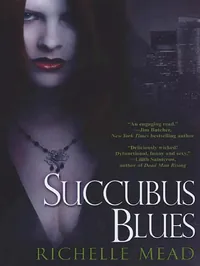
Richelle Mead’s Succubus Shadows attempts a significant re-imagining of the succubus archetype, moving beyond mere predatory figures to explore their existential condition. The strength of the work lies in its detailed internal logic and the psychological depth afforded to its supernatural inhabitants, presenting them not as simple monsters but as beings with their own societies and struggles. Mead builds a compelling case for understanding these entities through their own perceived needs and histories. However, the narrative sometimes feels constrained by its own intricate rules, occasionally leading to exposition that slows the pacing. A notable passage that exemplifies this is the detailed explanation of soul-binding rituals, which, while crucial to the lore, interrupts the flow of character interaction. Despite this, the book offers a unique perspective on familiar mythological figures.
Succubus Shadows succeeds in offering a fresh, introspective look at the succubus.
📝 Description
75
Richelle Mead's 2010 novel, Succubus Shadows, reimagines the succubus archetype beyond simple folklore.
Published in 2010, Succubus Shadows offers a speculative fiction narrative that moves beyond common genre expectations. The book constructs a detailed cosmology for succubi, portraying them not as mere demonic figures but as complex individuals with internal lives and social structures. Mead's work examines their motivations and the existential challenges inherent in their existence. The story engages with themes of desire, the supernatural, and the inner workings of beings often confined to myth.
The novel is suited for readers who seek speculative fiction that addresses deeper psychological and philosophical questions. It will interest those drawn to demonology, occult studies, and the exploration of the self's darker aspects within a structured narrative. Individuals looking for a departure from straightforward fantasy or horror, and who appreciate detailed world-building with a metaphysical undercurrent, will find this book rewarding. Mead's approach offers a fresh perspective on the succubus, focusing on their internal realities and societal dynamics.
Succubus Shadows situates itself within a tradition of reinterpreting folkloric figures, moving them from simple archetypes to complex characters. The early 21st century saw a rise in paranormal narratives, but this book distinguishes itself by focusing on the internal realities and societal dynamics of beings often portrayed monolithically. It builds on earlier works that explored sympathetic supernatural beings, offering a specific focus on the succubus that examines their nature, pacts, and the existential dimensions of their existence.
💡 Why Read This Book?
• Understand the internal social structures and existential dilemmas of succubi, as detailed in the book's unique cosmology established around 2010. • Explore the metaphysical concept of soul-binding and energetic exchanges, a core element of the narrative’s supernatural mechanics. • Re-evaluate traditional demonological archetypes through Mead’s nuanced portrayal of entities often depicted as purely malevolent.
⭐ Reader Reviews
Honest opinions from readers who have explored this book.
❓ Frequently Asked Questions
What is the primary focus of Richelle Mead's Succubus Shadows?
The book primarily focuses on a metaphysical and psychological exploration of the succubus archetype, presenting them as complex beings with their own societies and internal struggles, rather than simple demonic entities.
When was Succubus Shadows first published?
Succubus Shadows was first published in 2010, placing it within a period of significant growth in paranormal and urban fantasy literature.
Does Succubus Shadows involve romantic elements?
While it delves into complex relationships and energetic exchanges, the book's emphasis is more on the existential and societal aspects of succubi rather than traditional romance.
What makes Mead's portrayal of succubi unique?
Mead's portrayal is unique in its detailed exploration of succubi's internal lives, their societal structures, and the philosophical underpinnings of their existence, moving beyond simplistic folklore.
Is this book part of a series?
Succubus Shadows is a standalone work, offering a complete narrative arc focused on its specific thematic explorations.
What esoteric concepts are explored in the book?
The book explores concepts such as soul-binding, energetic exchange, and the nature of consciousness within supernatural beings, framed by a unique cosmology.
🔮 Key Themes & Symbolism
Archetypal Reinterpretation
Succubus Shadows challenges conventional demonology by presenting succubi not as inherently evil entities but as beings with complex psychology and societal roles. The work studies their origins and the existential pressures they face, suggesting a nuanced existence far removed from simple folklore. Mead constructs a world where these figures are subject to internal laws and motivations, prompting readers to reconsider established archetypes and the nature of perceived evil. The narrative explores the potential for agency and self-awareness within beings typically relegated to monstrous status.
Energetic Exchange and Pact Dynamics
A central theme is the exploration of energetic exchange and the dynamics of pacts within the succubus society. The book details how these exchanges function, often involving the binding of souls or life force, and the rules governing such transactions. Mead’s depiction suggests that these are not random acts of predation but structured interactions with inherent consequences. Understanding these mechanisms is key to grasping the societal order and individual survival within the narrative's unique cosmology, highlighting a sophisticated approach to supernatural economics.
The Shadow Self and Desire
The succubus archetype serves as a potent metaphor for the shadow self and the exploration of repressed desires. The book uses these entities to probe the nature of attraction, compulsion, and the darker aspects of human (and non-human) psychology. It examines how societal constructs and personal histories shape these desires and the beings who embody them. Mead’s work invites contemplation on the origins of desire and the potential for self-understanding through confronting these primal forces, positioning the succubus as a figure of profound psychological inquiry.
Existentialism of the Supernatural
Succubus Shadows engages with the existential condition of supernatural beings. It questions the nature of their existence, their purpose, and their place in a larger cosmic order. The narrative explores themes of isolation, the search for meaning, and the consequences of immortality or extended lifespans. By focusing on the internal struggles of these beings, Mead crafts a story that speaks to universal questions of identity and belonging, demonstrating that even non-human entities grapple with profound existential dilemmas.
💬 Memorable Quotes
Direct passages from the work, attributed to the author.
“The pact is not a curse, but a contract.”
— This statement reframes the traditional view of demonic bargains. It suggests that the interactions involving succubi are governed by rules and agreements, implying a degree of agency and structure within their supernatural existence.
“To exist is to desire, and to desire is to be bound.”
— This concept highlights the interconnectedness of existence, desire, and obligation within the book's framework. It implies that desire itself creates inherent connections and responsibilities for the beings who experience it.
“Their society is built on the elements of borrowed energy.”
— This interpretation speaks to the unique economic and social system of the succubi, where their sustenance and societal structure are derived from the energetic exchanges with other beings.
“The echo of a soul lasts longer than its vessel.”
— This idea points to a form of spiritual or energetic persistence beyond the physical body, suggesting that a soul's imprint or essence endures, influencing the world or other beings.
💡 Key Ideas
Editorial paraphrase of the work's core concepts — not direct quotes.
Understanding the shadow is the first step to mastering it.
This paraphrased concept suggests that confronting and comprehending the darker, hidden aspects of oneself or one's nature is crucial for control and self-awareness.
🌙 Esoteric Significance
Tradition
Succubus Shadows engages with folkloric and occult traditions concerning succubi, reinterpreting them through a lens that emphasizes psychological depth and societal structure. It departs from purely Abrahamic demonological frameworks by presenting these entities with their own internal logic and cosmology, akin to how Gnostic traditions might explore the origins and nature of spiritual beings outside conventional divine narratives. The work can be seen as a modern esoteric text that draws on ancient myth while applying contemporary speculative fiction techniques to explore the 'shadow' aspects of existence.
Symbolism
The succubus itself is a potent symbol, representing primal desire, the shadow self, and forbidden knowledge. The concept of 'soul-binding' within the narrative symbolizes deep, often inescapable, energetic and spiritual connections that define relationships and power dynamics. The 'echo of a soul' functions as a symbol of enduring spiritual essence or imprint, suggesting that identity and influence can transcend physical existence, a common motif in various esoteric philosophies concerning reincarnation or spiritual residue.
Modern Relevance
Contemporary occult practitioners and scholars of comparative mythology often cite works like Succubus Shadows for their innovative approach to ancient archetypes. Thinkers exploring shadow work in modern psychology or those developing new frameworks for understanding non-human consciousness in esoteric circles may find Mead's detailed societal structures and existential explorations relevant. The book's re-imagining of the succubus speaks to current trends in deconstructing traditional power dynamics and exploring the many-sided nature of desire and being.
👥 Who Should Read This Book
• Advanced students of comparative mythology and folklore seeking nuanced, modern interpretations of ancient entities. • Readers interested in psychological explorations of archetypes, particularly the shadow self and primal desires, framed within a speculative narrative. • Aspiring writers and world-builders looking for examples of intricate supernatural societal structures and internal cosmologies.
📜 Historical Context
Richelle Mead’s Succubus Shadows, published in 2010, arrived during a significant boom in paranormal fiction, a genre that had seen immense growth since the early 2000s. The landscape was populated by authors exploring vampires, werewolves, and angels, often with a romantic bent, following trends set by works like Laurell K. Hamilton's Anita Blake series or Stephenie Meyer's Twilight saga. Mead’s decision to focus specifically on the succubus archetype, and to imbue them with complex social structures and existential concerns rather than purely predatory roles, offered a distinct departure. While authors like Anne Rice had previously explored the inner lives of supernatural beings sympathetically, Mead’s 2010 work contributed to the diversification of the genre by studying less-explored mythologies and presenting them through a more philosophical lens.
📔 Journal Prompts
The nature of pacts within Succubus Shadows: Contract or compulsion?
Reflect on the 'echo of a soul' as presented in the narrative.
Analyze the societal structure built on 'borrowed energy'.
Confronting one's own shadow self as a 'first step to mastering it'.
The existential burdens of supernatural beings as depicted in the book.
🗂️ Glossary
Succubus
In folklore, a female demon who seduces men in their sleep. Mead's work reinterprets this as a complex being with its own society and existential concerns.
Soul-binding
A concept within the book describing a profound, often permanent, energetic or spiritual connection between beings, often established through ritualistic means.
Energetic Exchange
The transfer of life force, essence, or power between beings, forming the basis of sustenance and societal interaction for the succubi in the narrative.
Shadow Self
A term from psychology and esoteric thought referring to the unconscious, repressed, or disowned aspects of one's personality.
Archetype
A recurring symbol, character, or motif that represents universal patterns of human nature or experience, often drawn from mythology and folklore.
Esoteric
Intended for or likely to be understood by only a small number of people with a specialized knowledge or interest.
Cosmology
The branch of philosophy dealing with the origin and general structure of the universe; the study of the universe as a totality.
🔮 Readers Also Liked
Browse all →









More by Richelle Mead
All books →




More Free Occult Philosophy Books
View all →