Wicca
 73
73

Wicca
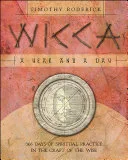
Timothy Roderick’s "Wicca: A Year and a Day" is an ambitious undertaking, attempting to distill the essence of a year-long initiation into a single volume. Its strength lies in its sheer comprehensiveness and the structured, daily progression it offers, a valuable asset for the solitary student. The work effectively grounds abstract magical concepts in the tangible rhythms of nature and the seasons. However, the sheer density of information, while commendable, can sometimes feel overwhelming. The daily format, while intended to be accessible, occasionally requires significant prior knowledge or research to fully grasp certain esoteric allusions. A particularly well-executed section, in my estimation, is the detailed exploration of herbal correspondences, linking botanical properties to magical intent with practical clarity. The limitation is that the book's structure, while methodical, may not suit every learning style; some practitioners thrive on intuition and spontaneity rather than rigid daily assignments. Roderick's "Wicca: A Year and a Day" provides a robust, if demanding, educational framework for the dedicated seeker.
📝 Description
73
Timothy Roderick's "Wicca: A Year and a Day" was published in 2013 as a 366-day curriculum.
This book offers a structured, day-by-day program for learning the Wiccan path, designed to span a full year. It breaks down core Wiccan concepts into daily lessons, making it suitable for individuals studying alone. The curriculum covers topics such as the turning of the seasons, knowledge of herbs, basic magical principles, and the worship of deities. Roderick emphasizes the development of a personal, deep connection to witchcraft practices over superficial engagement. It is particularly useful for those without a coven or teacher who want a thorough grounding in Wicca. The book is not intended for rapid learning but for building a solid foundation in Wiccan philosophy and practice over a committed period of study.
Roderick's work, published in 2013, draws on the traditional Witchcraft concept of a 'year and a day' for training. This period signifies a prolonged commitment to study before formal initiation, a practice with historical roots in the mid-20th century development of modern Witchcraft. The book acknowledges this historical emphasis on dedicated learning. It emerged during a time when interest in Neo-Paganism was growing, offering a detailed, daily approach to understanding Wiccan beliefs and rituals.
💡 Why Read This Book?
• Gain a structured, year-long curriculum for solitary Wiccan study, mirroring the traditional 'year and a day' initiation period, offering a depth of learning not found in brief overviews. • Understand the cyclical nature of time and the seasons through the detailed exploration of the Wheel of the Year, providing a concrete framework for connecting with natural energies. • Learn practical applications of herbalism and magical theory, moving beyond abstract concepts to tangible skills for personal practice based on the book's daily lessons.
⭐ Reader Reviews
Honest opinions from readers who have explored this book.
❓ Frequently Asked Questions
Is "Wicca: A Year and a Day" suitable for complete beginners with no prior knowledge of witchcraft?
Yes, the book is designed as a 366-day guide for solitary students, starting from foundational principles. It covers core Wiccan practices, making it accessible for those new to the Craft, though some concepts may benefit from supplementary research.
How does Timothy Roderick's book approach Wiccan initiation?
Roderick structures the book to follow the traditional "year and a day" period often associated with Wiccan initiation. It serves as an intensive study course designed to prepare a student for deeper engagement with the Craft over a full solar cycle.
What specific topics are covered in "Wicca: A Year and a Day"?
The book covers the tides of time, seasonal wonders, herbal lore and magic, the mysticism of the Old Ones, and inner development. It aims for comprehensive coverage of core Wiccan practice.
Is this book suitable for established Wiccans or covens?
While primarily aimed at solitary practitioners, established Wiccans might find it a useful reference or a way to structure review of foundational concepts. Covens might adapt sections for group study, though its design leans towards individual learning.
What is the publication history of "Wicca: A Year and a Day"?
The book was first published on July 8, 2013. Timothy Roderick is the author, and it was released during a period of growing interest in Neo-Paganism and witchcraft.
Does the book offer magical spells and rituals?
Yes, the book integrates magical theory and practice, including the use of herbs and seasonal cycles, to guide the student in developing their own magical skills and rituals throughout the year.
🔮 Key Themes & Symbolism
The Wheel of the Year
This theme centralizes the book's structure, aligning daily study with the eight major Wiccan festivals (Sabbats) and the solstices/equinoxes. Roderick emphasizes understanding the energetic shifts throughout the year, from the deep rest of winter to the abundance of summer. Each phase of the Wheel is presented not just as a date, but as a period carrying specific spiritual and magical significance, encouraging practitioners to attune themselves to these natural rhythms for deeper connection and more potent magical work.
Solitary Practice
Recognizing that many seekers are unable to join a coven, Roderick designs "Wicca: A Year and a Day" specifically for the solitary practitioner. The daily format provides structure and guidance that would typically come from a mentor or group. This theme underscores the book's role as a comprehensive self-study course, empowering individuals to build a robust personal practice and spiritual foundation independently, fostering self-reliance and deep inner exploration on the Wiccan path.
Foundational Esotericism
The work explores the core esoteric principles underpinning Wicca. This includes exploring the concept of deities, often referred to as the 'Old Ones,' and their relationship to the natural world. It also covers fundamental magical theory, the properties of herbs for magical use, and the importance of ethical considerations. The aim is to provide a thorough grounding in the beliefs and practices that form the bedrock of the Craft, ensuring a solid understanding before advancing to more complex studies.
Personal Discipline
A significant undercurrent in the book is the cultivation of personal discipline through consistent, daily engagement with the material. Roderick presents the 'year and a day' not merely as a duration but as a commitment to focused study and practice. This emphasis on regularity and dedication is portrayed as essential for spiritual growth and the development of magical ability, encouraging introspection, ritual practice, and a sustained effort towards self-mastery.
💬 Memorable Quotes
Direct passages from the work, attributed to the author.
“There are no short-cuts to becoming a Witch.”
— This statement directly addresses the book's core philosophy: that genuine spiritual development in the Craft requires time, dedication, and structured learning, rejecting superficial or overly rapid approaches to initiation.
“Traditionally, students take a year and a day to prepare for their initiation into the Craft.”
— This highlights the historical and traditional basis for the book's 366-day structure, grounding its pedagogical approach in established customs of Wiccan training and emphasizing the significance of this preparatory period.
“Ideal for solitary students, this intensive study course teaches the core content of Wiccan practice.”
— This interpretation emphasizes the book's suitability for individuals learning independently, positioning it as a rigorous educational program designed to impart essential knowledge and skills for practicing Wiccans.
💡 Key Ideas
Editorial paraphrase of the work's core concepts — not direct quotes.
Based on this age-old custom, Wicca: A Year and a Day is a one-of-a-kind daily guide that introduces Witchcraft over a 366-day cycle.
This paraphrase from the blurb explains the book's unique selling proposition: its daily format is directly inspired by the traditional 'year and a day' timeframe, offering a systematic, year-long curriculum.
The work explores the tides of time, the wonders of the seasons, the ways of herbs and magic, the mysticism of the Old Ones, and the inner disc.
This paraphrase outlines the broad scope of topics covered, indicating that the book provides a comprehensive introduction to key elements of Wiccan belief and practice, from natural cycles to spiritual development.
🌙 Esoteric Significance
Tradition
This work fits within the broad Neo-Pagan and specifically Wiccan tradition, drawing heavily on its established principles. While not directly aligning with older esoteric lineages like Hermeticism or Gnosticism, it builds upon the foundations laid by 20th-century occultists who synthesized various traditions into modern Witchcraft. Roderick's methodical approach, emphasizing a structured year-long study mirroring traditional initiatory paths, reinforces the idea of Wicca as a distinct spiritual system with its own lore and developmental stages.
Symbolism
The book deeply engages with the symbolism of the Wheel of the Year, representing the cyclical nature of life, death, and rebirth, and the interconnectedness of the seasons. The 'Old Ones,' often referring to the Horned God and the Triple Goddess, serve as primary symbolic representations of divine forces, embodying nature's fertility, power, and wisdom. Herbalism itself is treated symbolically, with each plant carrying specific correspondences and magical energies that practitioners learn to interpret and utilize.
Modern Relevance
Contemporary practitioners, especially those seeking structured solitary paths, continue to find value in Roderick's systematic approach. The emphasis on the Wheel of the Year and practical application of correspondences remains relevant in modern Pagan circles. It serves as a foundational text for individuals exploring Wicca outside of traditional coven structures, resonating with a current interest in self-directed spiritual learning and a desire for comprehensive guides that bridge theory and practice.
👥 Who Should Read This Book
['• Solitary practitioners seeking a structured, year-long curriculum to guide their Wiccan studies from foundational concepts to advanced principles.', '• Students of comparative religion or esotericism interested in understanding the pedagogical methods and core tenets of modern Wicca as presented by Roderick.', '• Individuals drawn to nature-based spirituality who wish to deepen their connection through the study of seasonal cycles, herbalism, and the Wiccan cosmology.']
📜 Historical Context
Published in 2013, "Wicca: A Year and a Day" emerged into a landscape where Neo-Paganism, particularly Wicca, had moved from fringe movements to more established spiritual paths. The mid-20th century saw the foundational work of Gerald Gardner and the Craft's subsequent evolution, with figures like Doreen Valiente shaping its early theology. By 2013, numerous books offered introductions to Wicca, yet Roderick's volume distinguished itself by adhering strictly to the traditional "year and a day" training model, presenting a structured, day-by-day curriculum. This approach implicitly engaged with debates about formalized training versus more intuitive, self-directed learning within the Pagan community. While not facing overt censorship like earlier occult texts, books on witchcraft in the early 21st century navigated public perception, often aiming to clarify the practice. Roderick's work contributed to the discourse by offering a rigorous, pedagogical framework for aspiring practitioners.
📔 Journal Prompts
Reflect on the significance of the current Sabbat within the Wheel of the Year.
Consider the properties of a chosen herb and its potential magical applications.
Analyze the concept of the Old Ones as presented in the text.
Document personal experiences with the daily practices outlined for the past month.
Explore the challenges and rewards of solitary study as described in the book.
🗂️ Glossary
Wicca
A modern, nature-based religion and spiritual path often characterized by reverence for the divine in nature, the practice of magic, and adherence to the principles of the Craft, typically following a cyclical understanding of time.
Year and a Day
A traditional period of approximately 366 days considered necessary for a student to undergo intensive training and preparation before formal initiation into the Wiccan Craft.
Solitary Practitioner
An individual who practices Wicca or other spiritual paths independently, without affiliation to a formal group or coven, often relying on books and personal intuition for guidance.
Wheel of the Year
A Wiccan term for the cycle of eight seasonal festivals (Sabbats) celebrated throughout the year, marking the changing seasons and significant astronomical events.
Sabbats
The eight festivals of the Wheel of the Year in Wicca, including the solstices, equinoxes, and cross-quarter days, each with its own unique themes and traditions.
Old Ones
A term often used in Wicca to refer to the divine deities worshipped, typically encompassing a dualistic representation of the divine masculine (e.g., Horned God) and divine feminine (e.g., Triple Goddess).
Herbalism
The practice of using plants and herbs for medicinal, spiritual, and magical purposes, involving knowledge of their properties, correspondences, and preparation methods.