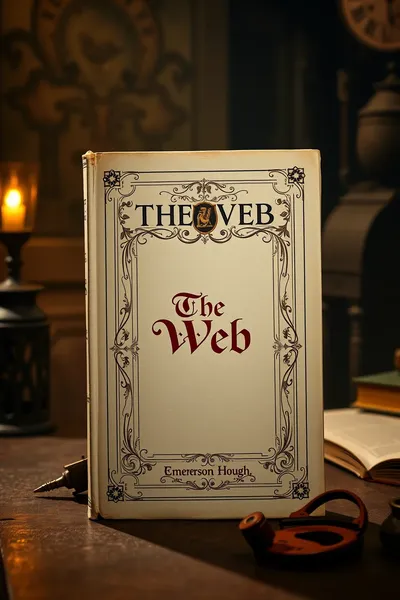
Where was God when pagan religions began?

 73
73

Where was God when pagan religions began?
Sumrall’s 1980 inquiry into the theological standing of pre-Christian religions is a direct, almost combative, engagement with a persistent question. The author’s strength lies in his unwavering commitment to a specific theological framework, forcing the reader to confront the implications of universal divine presence versus exclusive divine revelation. He doesn't shy away from asserting the primacy of his own tradition, which is both a virtue and a limitation. The book’s approach to interpreting figures like Zoroaster, for instance, reveals a tendency to fit external religious phenomena into a pre-existing biblical narrative rather than engaging with them on their own terms. While the prose is accessible, it lacks the nuanced historical or anthropological perspective that modern scholarship brings to comparative religion. The work’s chief limitation is its apologetic posture, which often precludes genuine engagement with the internal logic and spiritual experiences of the traditions it discusses.
Ultimately, Sumrall offers a challenging, if narrow, theological defense of divine exclusivity.
📝 Description
73
Lester Frank Sumrall questioned God's presence during the rise of pagan religions in 1980.
Lester Frank Sumrall's 1980 book, "Where Was God When Pagan Religions Began?", confronts the theological questions arising from spiritual traditions that existed before or alongside Abrahamic faiths. The author examines the origins and development of various religious systems. He seeks to align their existence with a singular divine narrative. This is not a modern comparative mythology study, but a theological argument from a specific Christian viewpoint.
The book targets readers who ponder divine revelation's universality and the historical existence of non-Abrahamic spiritual practices. It appeals to those within conservative Christian theology looking to understand or counter the theological implications of polytheism and ancient mystery cults. Scholars of religious history may find its arguments dated, though potentially useful for comprehending 20th-century evangelical apologetics. The work emerged during a period of renewed interest in apologetics and evangelical scholarship, addressing debates on divine sovereignty, revelation, and the problem of pagan religions.
While not strictly an esoteric text, Sumrall's work engages with a tradition of Christian apologetics that seeks to interpret or contextualize phenomena outside its direct lineage. It touches on Gnostic themes by questioning the origin and nature of spiritual knowledge that predates or diverges from orthodox accounts, albeit from a firmly counter-Gnostic perspective. The book's concern with hidden or alternative spiritual histories places it in dialogue with broader discussions about divine truth and its manifestation across different cultural and historical periods, even as it aims to reaffirm a specific theological interpretation.
💡 Why Read This Book?
• Gain a historical perspective on evangelical apologetics from the late 20th century, specifically examining how figures like Lester Frank Sumrall addressed the theological challenge of ancient pagan religions in the context of 1980. • Understand a specific theological argument regarding divine sovereignty and revelation, focusing on Sumrall's interpretation of the origins and place of non-Abrahamic spiritual traditions. • Engage with a direct confrontation of theological questions that still persist, particularly concerning how to reconcile a singular divine plan with the historical diversity of human religious experience as presented in the book's framework.
⭐ Reader Reviews
Honest opinions from readers who have explored this book.
❓ Frequently Asked Questions
What is the main theological problem Lester Frank Sumrall addresses in 'Where Was God When Pagan Religions Began?'
The book tackles the theological challenge of reconciling the existence of numerous ancient religions, often predating or existing concurrently with Abrahamic faiths, with the concept of a single, sovereign God's revealed plan for humanity.
When was 'Where Was God When Pagan Religions Began?' first published?
Lester Frank Sumrall's work was first published in 1980, placing it within the context of late 20th-century Christian apologetics and theological discourse.
Does this book offer a neutral, academic comparison of religions?
No, the book is written from a specific theological viewpoint, primarily evangelical Christian. It seeks to interpret or account for pagan religions within a pre-defined divine narrative, rather than offering a purely objective comparative study.
What kind of reader would most benefit from reading this book?
Readers interested in understanding historical evangelical perspectives on religious pluralism, those seeking theological arguments for the exclusivity of certain religious claims, and students of apologetics would find this book relevant.
What is the author's stance on the origins of pagan religions?
Sumrall likely presents pagan religions as phenomena that need to be explained within a monotheistic framework, possibly exploring concepts of divine allowance, divine sovereignty, or even demonic influence, depending on his specific theological arguments.
How does this book engage with historical figures or movements?
The book examines various ancient spiritual traditions and figures, likely interpreting their existence and teachings through the lens of biblical prophecy and a singular divine plan, rather than through purely historical or anthropological methods.
🔮 Key Themes & Symbolism
Divine Sovereignty and Revelation
The central theme grapples with how a singular God's omnipotence and plan interact with the historical reality of diverse, often polytheistic, religious systems. Sumrall's work likely posits that God's sovereignty extends even to the existence of these traditions, which must be understood within a divinely ordained timeline or purpose. The concept of revelation is explored, questioning whether it was exclusively limited to certain groups or if God's presence was perceptible in myriad ways throughout human history.
The Problem of Paganism
This theme directly addresses the theological 'problem' pagan religions present to monotheistic belief systems. Sumrall confronts the existence of ancient cults and mythologies that predate or run parallel to Abrahamic faiths. The book's approach likely involves interpreting these traditions not as equally valid paths to divinity, but as phenomena requiring theological explanation within a framework that prioritizes a specific divine narrative.
Historical Interpretation of Religions
Sumrall's work engages in a specific type of historical interpretation, viewing ancient spiritual movements through the lens of theological apologetics. Rather than a neutral historical analysis, the book seeks to contextualize pagan religions within a broader, divinely guided historical arc. This involves examining figures and practices to support a particular theological thesis about God's relationship with humanity across different cultures and eras.
The Nature of Truth in Religion
Underlying the discussion is the question of religious truth. Sumrall likely argues for the unique and exclusive truth claims of his own faith tradition, while attempting to account for the spiritual experiences and beliefs of those outside it. This theme involves discerning the divine origin or human error within various religious expressions encountered throughout history.
💬 Memorable Quotes
Direct passages from the work, attributed to the author.
“The existence of pagan religions challenges a singular divine narrative.”
— This captures the core dilemma Sumrall addresses: how to reconcile the widespread presence of diverse, often polytheistic, belief systems with the tenets of monotheism. It highlights the intellectual tension the book aims to resolve.
“God's plan must account for all of history, including pre-Christian spiritual expressions.”
— This interpretation suggests Sumrall's argument likely centers on divine providence and a comprehensive historical scope for God's actions, implying that even seemingly contradictory religious phenomena fit into a larger, divinely authored scheme.
“Understanding pagan origins requires theological discernment, not just historical cataloging.”
— This highlights the book's apologetic nature, indicating that Sumrall views the study of other religions as secondary to interpreting them through a specific theological lens, prioritizing faith-based conclusions over purely academic ones.
“The challenge is to see divine fingerprints even in non-Abrahamic traditions.”
— This suggests an interpretation where Sumrall might explore arguments for God's universal presence or indirect influence, even within traditions that do not explicitly recognize the Abrahamic God, within his overarching theological structure.
“Theological frameworks shape how we interpret the history of religions.”
— This interpretation points to the book's methodological stance: it acknowledges that one's theological presuppositions heavily influence the analysis and understanding of religious phenomena, particularly concerning their origins and divine connections.
🌙 Esoteric Significance
Tradition
While not strictly an 'esoteric' text in the vein of Hermeticism or Kabbalah, Sumrall's work engages with themes that touch upon Gnostic and Manichaean concerns regarding the nature of good and evil, divine presence, and the origins of spiritual systems. It operates within a Christian theological tradition but wrestles with questions about dualistic interpretations of the divine and the historical manifestation of spiritual truth outside its perceived direct lineage.
Symbolism
The book likely engages with the symbolic interpretation of religious origins. For instance, the concept of 'paganism' itself functions as a symbol for spiritual deviation or alternative divine manifestations. The 'divine plan' acts as a unifying symbol, representing an overarching cosmic order that Sumrall seeks to impose upon the diverse spiritual landscape, thereby reinterpreting the symbolic meanings of various ancient cults within this grander narrative.
Modern Relevance
Contemporary discussions on religious pluralism, the historicity of scripture, and the integration of faith with academic disciplines continue to draw on the kinds of theological questions Sumrall addressed. Thinkers within conservative Christian circles, particularly those focused on apologetics and interfaith dialogue from a specific confessional standpoint, might still reference or engage with the foundational arguments presented in works like this.
👥 Who Should Read This Book
• Students of Christian apologetics seeking to understand historical arguments concerning the validity of non-Abrahamic religions. • Theological conservatives interested in defending the concept of exclusive religious truth claims against comparative religion perspectives. • Researchers of 20th-century religious thought who want to examine how evangelical scholars grappled with the existence of ancient spiritual traditions.
📜 Historical Context
Lester Frank Sumrall’s "Where Was God When Pagan Religions Began?" emerged in 1980, a period marked by a resurgence of evangelical Christian apologetics and a desire to defend traditional theological doctrines against secular and pluralistic challenges. Intellectual currents of the time included ongoing debates in comparative religion and the philosophy of religion, with scholars like John Hick exploring the concept of religious pluralism. Sumrall’s work stands in contrast to these more liberal theological trends, offering a defense of what might be termed theological particularism. While not directly engaging in public debates with specific contemporaries in the way that, for example, C.S. Lewis did with atheism, Sumrall’s book participated in a broader conservative Christian effort to articulate and defend its worldview against perceived intellectual threats, particularly from the academic study of religions that questioned exclusive truth claims.
📔 Journal Prompts
The theological problem of pagan religions as presented by Sumrall.
Divine sovereignty's role in the existence of diverse spiritual systems.
Interpreting ancient cults within a monotheistic framework.
The concept of 'paganism' as a theological category.
Reconciling exclusive truth claims with historical religious diversity.
🗂️ Glossary
Pagan Religions
A broad term, often used in theological contexts, referring to religious beliefs and practices that are not part of the Abrahamic faiths (Judaism, Christianity, Islam). Typically associated with polytheism, nature worship, and ancient mystery cults.
Monotheism
The belief in the existence of only one God. This is the foundational theological stance from which Sumrall likely approaches the subject of other religions.
Theological Apologetics
The branch of theology concerned with defending religious doctrines or beliefs against objections, often by providing rational arguments or evidence, particularly from a specific confessional standpoint.
Divine Sovereignty
The doctrine that God has supreme authority and is in control of all things, including human history and the existence of various religious systems.
Revelation
In theology, the disclosure or communication of divine will or truth to humanity, often considered to be contained in sacred texts or through divine intervention.
Abrahamic Faiths
Religions that trace their origins back to Abraham, primarily Judaism, Christianity, and Islam. These are typically contrasted with 'pagan' or polytheistic traditions.
Comparative Religion
The academic study of different religions, examining their similarities, differences, historical development, and social impact, often with a focus on objective analysis.
🔮 Readers Also Liked
Browse all →





![D. [i. e., Doktor] Balthasar Bekkers reformierten Predigers in Amsterdam bezauberte Welt. ... 1781: Vol 1 Iss 81](/img/thumb/d-i-e-doktor-balthasar-bekkers-reformierten-predigers-in-amsterdam-bezauberte-welt-1781-vol-1-iss-81-bekker-balthasar-1634-1698.webp)

![The Tipperary (or Clonmel) witch case : [transcripts of newspaper reports &c. concerning Bridget Cleary, burned as a witch, and the trial of her husband and neighbours for murder, in 1895]](/img/thumb/the-tipperary-or-clonmel-witch-case-transcripts-of-newspaper-reports-c-concerning-bridget-cleary-burned-as-a-witch-and-the-trial-of-her-husband-and-neighbours-for-murder-in-1895.webp)
More by Lester Frank Sumrall
All books →
More Free Witchcraft & Paganism Books
View all →