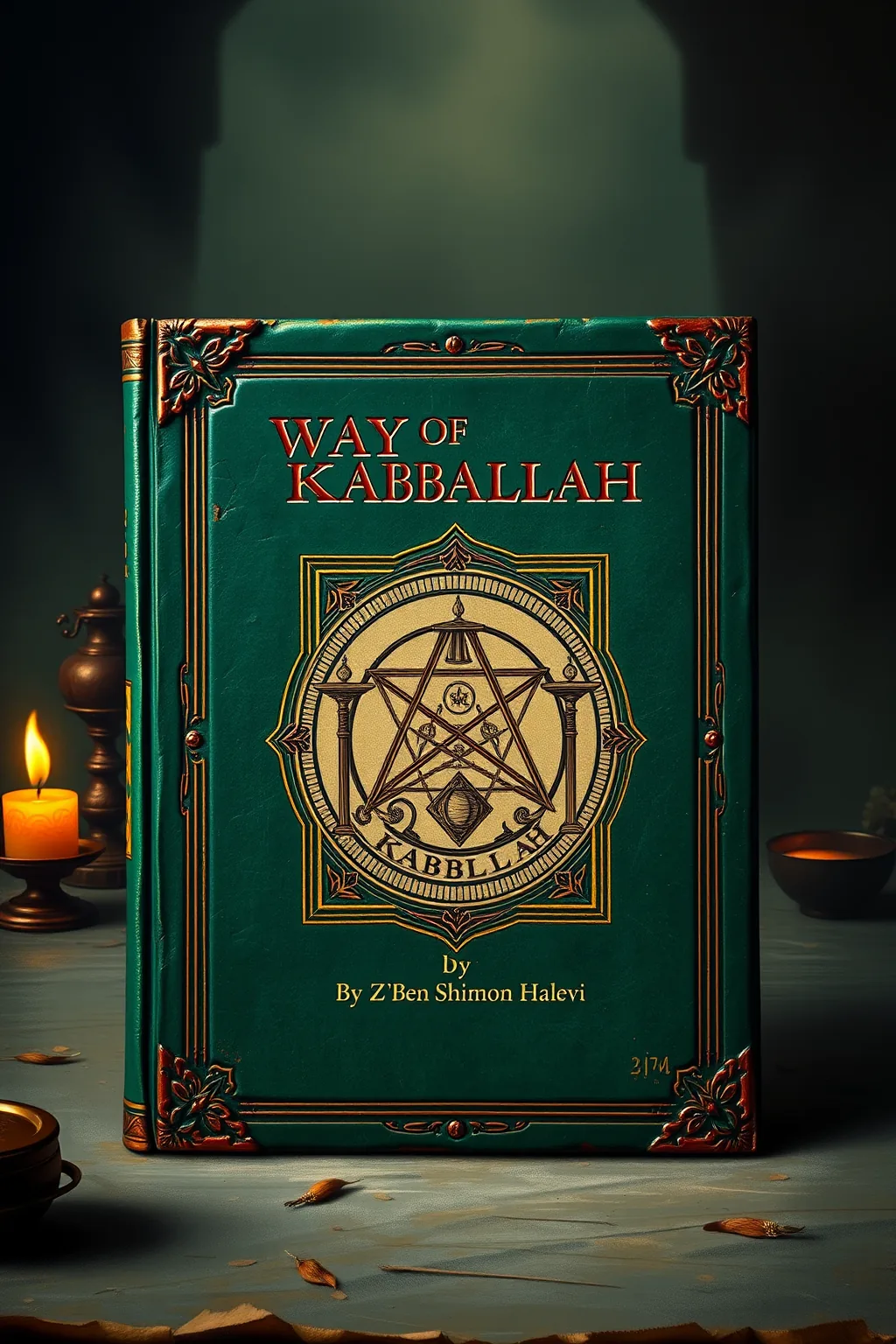
Way of Kabbalah
 61
61

Way of Kabbalah

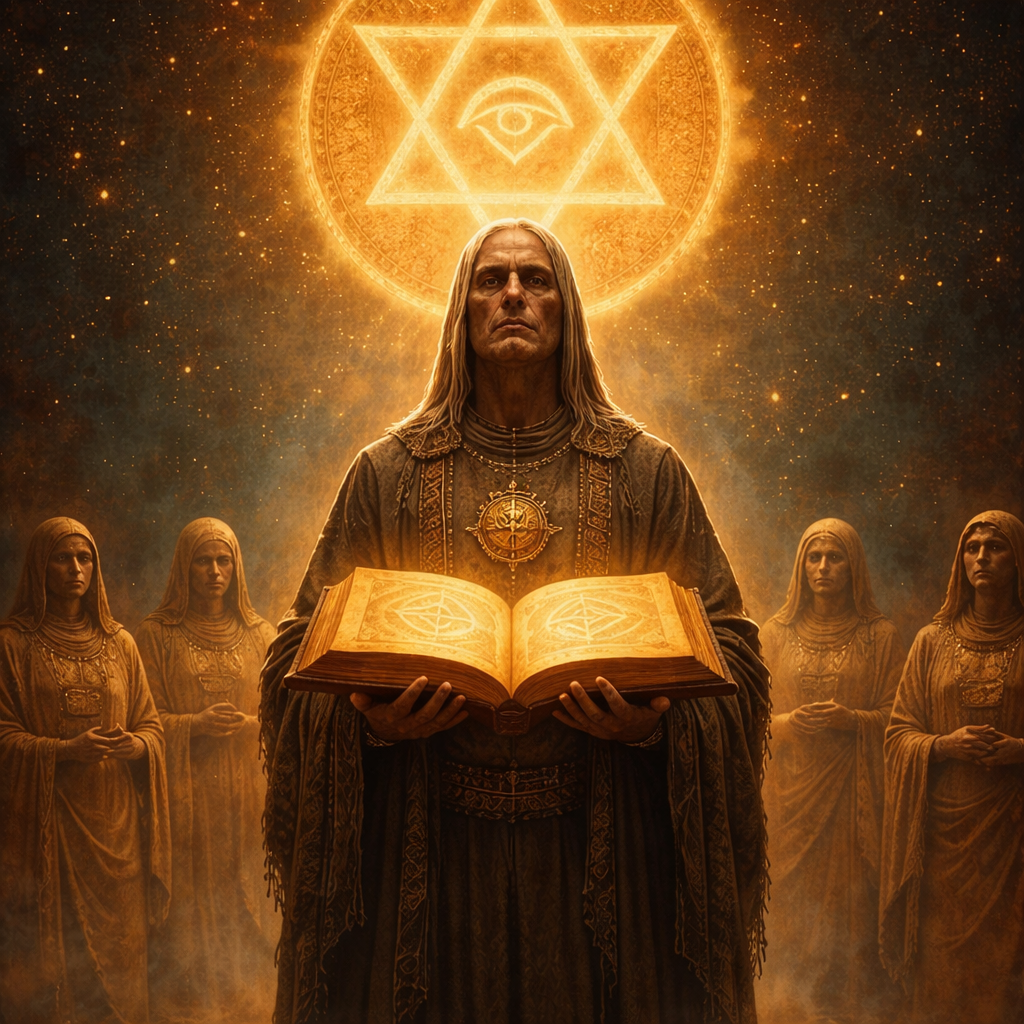

Cassian Rothmann (Senior Critic, Ancient Wisdom) — Z'ev Ben Shimon Halevi's 'Way of Kabbalah' stands as a beacon for those navigating the intricate labyrinth of Jewish mysticism. Halevi's profound erudition is matched only by his clarity, making complex Kabbalistic concepts accessible without sacrificing their esoteric depth. He masterfully dissects the Tree of Life, the Sephiroth, and the divine names, revealing their potent symbolism and practical applications for spiritual growth. This is not merely an academic text; it is a living guide for the dedicated practitioner seeking to understand the underlying architecture of creation and their place within it. Essential reading for serious students of the Kabbalah.
📝 Description
61
Z'ev Ben Shimon Halevi published 'Way of Kabbalah' to explain Jewish mysticism.
First published in 1978, Z'ev Ben Shimon Halevi's 'Way of Kabbalah' presents a systematic approach to understanding Kabbalistic concepts. The book examines the Tree of Life as a symbolic map of creation and consciousness, detailing the sefirot and their interrelations. Halevi also discusses the significance of Hebrew letters and their role in divine manifestation. He traces the Kabbalistic path from the material world towards spiritual realization.
The text is structured to lead the reader through the core principles of this Jewish mystical tradition. It addresses both the theoretical aspects and the practical implications for spiritual development. Halevi aims to provide clarity on a complex system of thought, making it accessible without oversimplifying its profound nature. The book serves as a guide for those interested in exploring the deeper structures of reality as understood through Kabbalah.
Kabbalah, a central tradition within Jewish mysticism, offers a complex system for understanding the divine, creation, and humanity's place within it. Its teachings often employ symbolic language, numerology, and visualization practices. Halevi's work situates itself within this lineage, aiming to demystify its core tenets for a modern audience. It connects Kabbalistic ideas to broader esoteric frameworks, suggesting universal principles underlying diverse spiritual paths.
💡 Why Read This Book?
Uncover the profound mystical dimensions of Jewish tradition. 'Way of Kabbalah' offers a clear, yet deeply insightful, exploration of esoteric concepts, symbolism, and spiritual practices. Ideal for seekers yearning for a deeper understanding of the universe's hidden order and for scholars wishing to engage with a foundational text in Kabbalistic studies.
⭐ Reader Reviews
Honest opinions from readers who have explored this book.
❓ Frequently Asked Questions
What is the primary focus of 'Way of Kabbalah'?
The book primarily focuses on the esoteric and mystical aspects of Kabbalah, particularly the symbolism of the Tree of Life, the Sephiroth, and the path of spiritual ascent within Jewish mysticism.
Is this book suitable for beginners to Kabbalah?
Yes, while rich in depth, Halevi's writing is commendably accessible, making it a strong starting point for those new to Kabbalah who possess a serious interest in its mystical dimensions.
What is the Tree of Life in Kabbalah?
The Tree of Life is a central symbolic diagram in Kabbalah representing the divine emanations (Sephiroth) and the structure of the cosmos, serving as a map for spiritual understanding and ascent.
What esoteric knowledge does the book aim to reveal?
It aims to reveal the hidden knowledge concerning the nature of God, the creation of the universe, the human soul's journey, and the methods for achieving spiritual enlightenment through Kabbalistic principles.
Can this book be used for practical spiritual development?
Absolutely. Halevi imbues the text with practical applications, guiding readers on how to integrate Kabbalistic wisdom into their personal spiritual practice and understanding of life.
🔮 Key Themes & Symbolism
The Tree of Life as Cosmic Blueprint
Central to Kabbalistic cosmology, the Tree of Life is presented not merely as a diagram but as the divine blueprint for all existence. Halevi meticulously unpacks the ten Sephiroth, detailing their individual attributes, interconnections, and the energetic flow that governs creation. This theme explores how understanding the Tree allows one to map the spiritual journey, comprehend divine principles, and perceive the intricate web of relationships between the mundane and the sacred. It serves as a visual and conceptual guide to the unfolding of the divine will.
Symbolism of Hebrew Letters and Divine Names
This theme explores the profound esoteric significance embedded within the Hebrew alphabet and sacred divine names. Halevi illuminates how each letter is not just a phonetic symbol but a vessel of cosmic energy and divine meaning. The book explores the ancient practice of Gematria (numerology) and notarikon (acronyms), revealing how these techniques unlock deeper layers of spiritual understanding. The power and vibration of divine names are explored as keys to accessing higher consciousness and connecting with the divine essence.
The Path of Spiritual Ascent and Transformation
Halevi guides readers on the inner journey of spiritual transformation, outlining the Kabbalistic path of ascent through the levels of consciousness represented by the Sephiroth. This theme addresses the challenges and insights encountered as the practitioner moves from the material world towards greater spiritual awareness. It emphasizes the importance of self-knowledge, ethical conduct, and meditative practices as tools for purification and evolution, ultimately aiming for union with the divine or the fulfillment of one's spiritual destiny.
💬 Memorable Quotes
Direct passages from the work, attributed to the author.
“The Tree of Life is the map of the soul.”
— This concise statement reveals the Tree of Life's function as a symbolic representation of the human psyche and its journey through various states of consciousness towards divine union.
“Wisdom is not found, but realized.”
— This highlights the active, internal process of gaining spiritual understanding, implying that true wisdom arises from within through practice and contemplation.
“The universe is a reflection of the Divine.”
— This fundamental Kabbalistic principle underscores the interconnectedness of all things, suggesting that by studying creation, one can gain insights into the nature of the Creator.
💡 Key Ideas
Editorial paraphrase of the work's core concepts — not direct quotes.
The Kabbalah is not a religion, but a path.
This quote emphasizes the practical, experiential nature of Kabbalah, highlighting it as a journey of self-discovery and spiritual growth rather than a rigid dogma.
Every letter is a divine spark.
This quote points to the sacredness of Hebrew letters, suggesting they are imbued with divine energy and hold profound meaning beyond their linguistic function.
🌙 Esoteric Significance
Tradition
This work is deeply rooted in the Western Esoteric tradition, specifically drawing from the Lurianic and Zoharic branches of Kabbalah, a mystical interpretation of Judaism. It bridges ancient Jewish mysticism with contemporary metaphysical thought, presenting Kabbalah not just as a religious doctrine but as a universal system for understanding existence, consciousness, and the divine.
Symbolism
The core symbolism revolves around the Tree of Life, a diagram of ten Sephiroth representing divine emanations and stages of creation. Hebrew letters, divine names, and geometric patterns are explored as potent carriers of cosmic energy and hidden meanings, serving as keys to unlock deeper spiritual insights and facilitate inner transformation.
Modern Relevance
In the modern era, 'Way of Kabbalah' offers a profound framework for navigating existential questions, understanding the interconnectedness of all things, and fostering personal spiritual growth. It provides tools for self-awareness, ethical development, and a more profound appreciation of the universe's underlying order, making ancient wisdom relevant to contemporary seekers.
👥 Who Should Read This Book
This book is essential for dedicated students of Kabbalah, both beginners seeking a foundational understanding and advanced practitioners looking to deepen their knowledge. It is equally valuable for scholars of comparative religion and mysticism interested in the esoteric dimensions of Jewish thought. Spiritual seekers of all backgrounds who are drawn to the mysteries of creation, consciousness, and the divine will find 'Way of Kabbalah' an clear and transformative guide.
📜 Historical Context
Z'ev Ben Shimon Halevi, also known as Warren Kenton, wrote 'Way of Kabbalah' during a period of significant resurgence and interest in esoteric traditions globally. Emerging in the latter half of the 20th century, his work contributed to making the complex wisdom of Kabbalah accessible to a broader, international audience beyond its traditional Jewish context. Halevi's synthesis drew upon centuries of Kabbalistic scholarship, including the Zohar and the teachings of Isaac Luria, while presenting them through a modern, psychological, and universally applicable framework. His approach resonated with seekers in the New Age movement and those exploring comparative mysticism, positioning Kabbalah as a profound system for understanding consciousness and the cosmos.
📔 Journal Prompts
Reflect on the symbolic meaning of the Sephiroth in relation to your own life experiences.
How does the concept of divine emanations influence your perception of the world around you?
Explore a specific Hebrew letter and its potential esoteric significance in your personal journey.
Consider the 'path' aspect of Kabbalah; what steps can you take today to advance your spiritual understanding?
How can the principles of interconnectedness, as taught in Kabbalah, be applied to foster greater compassion and understanding in your relationships?
🗂️ Glossary
Sephiroth
The ten divine emanations or attributes through which God reveals Himself and creates the universe, forming the structure of the Tree of Life.
Tree of Life
A central symbolic diagram in Kabbalah representing the divine structure of creation, the cosmos, and the human soul, consisting of ten Sephiroth connected by 22 paths.
Gematria
A method of Kabbalistic interpretation that assigns numerical values to Hebrew letters to find hidden connections and meanings within sacred texts.
Ein Sof
The Kabbalistic concept of the 'Infinite' or 'Without End,' referring to God in His absolute, unknowable, and transcendent state before manifestation.
Tzimtzum
The Kabbalistic concept of divine 'contraction' or withdrawal, through which God created a vacuum or space for the universe to exist.
This book appears in 1 collection
🔮 Readers Also Liked
Browse all →








More by Z'ev Ben Shimon Halevi
All books →





From the “Kabbalah” Collection
View all →








More Free Kabbalah & Jewish Mysticism Books
View all →