Ultimate Intimacy
 84
84

Ultimate Intimacy
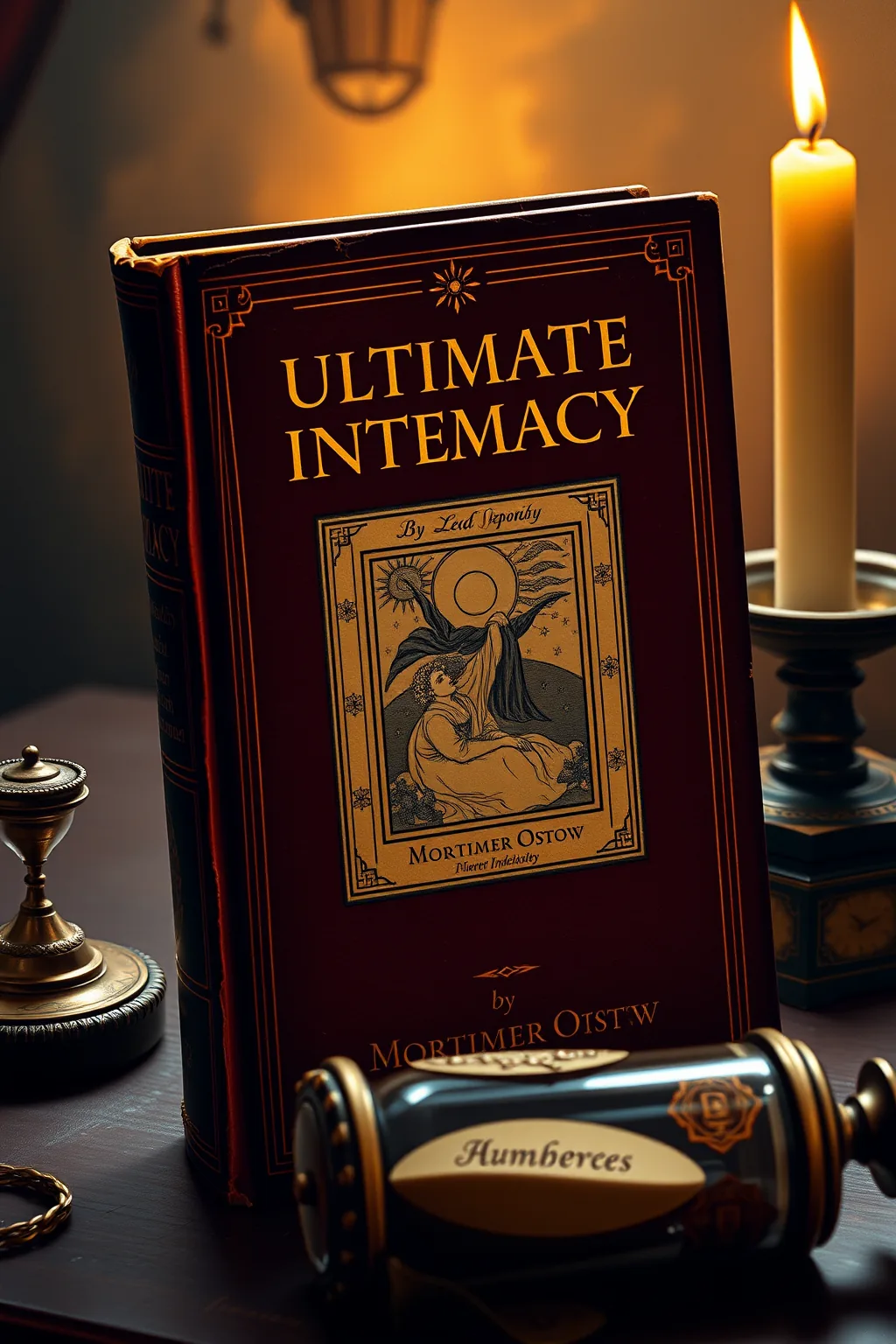
Mortimer Ostow's "Ultimate Intimacy" presents a bold, if occasionally dense, psychoanalytic dissection of Kabbalah. The work's strength lies in its meticulous application of psychodynamic concepts to esoteric Jewish texts, offering a novel interpretive framework. Ostow's examination of the "apocalyptical complex" as it relates to biblical narratives, particularly in his essays on specific incidents, is compelling. He succeeds in demonstrating the potential for a serious psychoanalytic study of mysticism. However, the book's academic rigor can sometimes lead to a less accessible read for those not already steeped in both psychoanalysis and Kabbalistic lore. A notable passage involves the reinterpretation of a specific incident from the Zohar, where Ostow applies concepts of ego defense mechanisms to a mystical visionary experience, revealing latent psychological conflicts. While insightful, the sheer density of theoretical exposition might deter readers seeking a more fluid narrative. "Ultimate Intimacy" offers a valuable, albeit challenging, synthesis for specialists.
📝 Description
84
Mortimer Ostow's "Ultimate Intimacy" applies psychoanalytic theories to Kabbalistic texts.
Published in 2018, Mortimer Ostow's "Ultimate Intimacy" is an academic study that uses psychoanalysis to interpret Jewish mysticism. It does not aim to be a guide for spiritual practice but instead systematically applies psychodynamic theories to the symbolic language and narratives within Kabbalistic writings. Ostow's work seeks to establish this interdisciplinary method as a valid area of scholarly inquiry. He examines how concepts from Freud and Jung can shed light on mystical experiences found in ancient and medieval Jewish traditions.
This book is suited for scholars, advanced students, and practitioners of esoteric traditions who are already familiar with both psychoanalytic theory and Kabbalah. It will interest those engaged with comparative religion, depth psychology, and the connections between spiritual experiences and psychological interpretation. The text offers a rigorous analytical perspective on mysticism, distinct from devotional or purely historical accounts.
Ostow's research follows a tradition of scholars who worked to connect psychology and religious experience, a movement that grew in the mid-20th century. Building on the academic study of Kabbalah pioneered by figures like Gershom Scholem and Carl Jung's work on religious symbolism, Ostow directly employs psychoanalytic frameworks. This approach provides a unique viewpoint when compared to the historical or theological analyses of Kabbalah that were common after Scholem's influential publications.
Ostow's work connects to a scholarly effort to understand religious traditions through psychological lenses, a trend that gained traction in the 20th century. While figures like Gershom Scholem established the academic study of Kabbalah and Carl Jung examined religious symbolism through archetypes, Ostow's contribution lies in the direct application of psychoanalytic frameworks to these mystical texts. His approach offers a distinct perspective from purely historical or theological analyses, seeking to illuminate the unconscious psychological dimensions within Jewish mysticism.
💡 Why Read This Book?
• Gain a unique psychoanalytic lens for understanding Kabbalistic texts, moving beyond traditional interpretive methods by analyzing specific incidents as explored by Ostow. • Learn to apply psychodynamic concepts to esoteric symbolism, offering a fresh perspective on motifs such as the "apocalyptical complex" first outlined in the book. • Explore the historical context of psychological interpretations of mysticism, understanding how Ostow's work, published in 2018, relates to earlier scholarship on Kabbalah and depth psychology.
⭐ Reader Reviews
Honest opinions from readers who have explored this book.
❓ Frequently Asked Questions
What is the primary academic discipline Mortimer Ostow applies to Kabbalah in Ultimate Intimacy?
Mortimer Ostow primarily applies psychoanalysis to the study of Kabbalah. The book introduces this as a serious discipline, using psychodynamic concepts to interpret Jewish mystical texts and narratives.
What is the 'apocalyptical complex' as discussed in Ultimate Intimacy?
The 'apocalyptical complex' is a concept explored by Ostow that relates biblical and Kabbalistic themes of revelation and destruction to unconscious psychological dynamics, offering a psychoanalytic interpretation of these eschatological narratives.
When was Ultimate Intimacy first published?
Ultimate Intimacy by Mortimer Ostow was first published on April 17, 2018. This publication date places it within contemporary scholarship on mysticism and psychology.
Does Ultimate Intimacy offer practical advice for spiritual practice?
No, Ultimate Intimacy is an academic and theoretical work. It offers a psychoanalytic study of Kabbalah rather than practical guidance for spiritual development or mystical practice.
What kind of biblical or Kabbalistic incidents does Ostow analyze?
Ostow analyzes specific incidents from the Bible and Kabbalistic literature, reinterpreting them through the framework of psychodynamic psychology to uncover deeper symbolic meanings and psychological underpinnings.
Who would benefit most from reading Ultimate Intimacy?
Scholars, students, and practitioners interested in the intersection of psychoanalysis, Jewish mysticism, and esoteric studies would benefit most. A background in both fields is recommended.
🔮 Key Themes & Symbolism
Psychoanalysis and Mysticism
This theme explores the novel application of psychoanalytic theory, developed by figures like Freud and Jung, to the esoteric interpretations of Kabbalah. Ostow posits that psychodynamic concepts can illuminate the symbolic language and visionary experiences described in Jewish mysticism. The work aims to treat this interdisciplinary approach as a formal academic pursuit, examining how internal psychological states might manifest in or be understood through mystical texts and narratives, moving beyond purely theological or historical readings.
The Apocalyptic Complex
Ostow introduces and examines the 'apocalyptical complex' as a lens through which to view certain biblical and Kabbalistic texts. This concept suggests that narratives concerning revelation, divine judgment, and end times can be interpreted as symbolic representations of profound unconscious psychological processes. The book scrutinizes specific incidents within these traditions, arguing that they reflect archetypal human experiences of crisis, transformation, and the confrontation with ultimate realities through a psychological framework.
Biblical and Kabbalistic Interpretation
Central to the book is the reinterpretation of specific biblical events and Kabbalistic legends using psychoanalytic tools. Ostow moves beyond conventional exegesis to uncover latent psychological meanings within these sacred narratives. By dissecting these incidents, the work seeks to demonstrate the applicability of psychodynamic concepts to understanding the intricate symbolism and narratives of Jewish mysticism, revealing potential parallels between individual psychological development and cosmic or spiritual narratives.
Establishing a New Discipline
A core objective of 'Ultimate Intimacy' is to establish the psychoanalytic study of Kabbalah as a legitimate and serious academic discipline. Ostow argues for the value of this interdisciplinary approach, which bridges the fields of psychology and religious studies. The book serves as a foundational text, illustrating the methodology and potential insights gained by applying psychodynamic frameworks to esoteric traditions, thereby encouraging further scholarly engagement with this synthesized field.
💬 Memorable Quotes
Direct passages from the work, attributed to the author.
“The applicability of psychodynamic concepts to Jewish mysticism.”
— This concise statement expresses the book's central thesis: that the tools and theories of psychoanalysis can offer a meaningful way to understand the complex symbolism and experiences found within Kabbalistic traditions.
“The 'apocalyptical complex' as a lens for biblical interpretation.”
— This highlights a key theoretical tool Ostow introduces, suggesting that narratives of divine judgment and revelation might mirror deep-seated psychological patterns related to crisis and transformation.
“Essays on specific incidents in the Bible and the Kabbalah.”
— This points to the practical application of Ostow's theories, where he meticulously examines particular scriptural and mystical events to demonstrate his psychoanalytic interpretive method in action.
“Establishing the psychoanalytic study of Kabbalah as a serious discipline.”
— This emphasizes the book's academic ambition, aiming to legitimize a cross-disciplinary approach that bridges psychology and esoteric religious studies for scholarly consideration.
💡 Key Ideas
Editorial paraphrase of the work's core concepts — not direct quotes.
Illustrating the application of psychodynamic concepts to Jewish mysticism.
This paraphrased concept underscores the book's function as a demonstration, showcasing precisely how abstract psychoanalytic ideas can be effectively mapped onto the concrete symbols and narratives of Kabbalah.
🌙 Esoteric Significance
Tradition
This work engages deeply with the Kabbalistic tradition, a major stream within Jewish mysticism. It seeks to interpret Kabbalistic concepts and texts not just through their traditional frameworks but through the lens of Western depth psychology, particularly psychoanalysis. Ostow attempts to bridge these two seemingly disparate worlds, suggesting that psychodynamic principles can offer a new hermeneutic for understanding Kabbalistic cosmology, the nature of the divine, and the path of the mystic.
Symbolism
Ostow's analysis likely touches upon key Kabbalistic symbols such as the Tree of Life (Etz Chaim) and the Sefirot, reinterpreting their psychological resonances. The concept of divine emanations (Sefirot) could be explored as stages of consciousness or psychic functions. Furthermore, the 'apocalyptical complex' itself functions as a symbolic motif, representing profound psychological upheaval and transformation often mirrored in eschatological narratives within Kabbalistic thought.
Modern Relevance
In contemporary esoteric circles, there is a growing interest in integrating psychological insights with spiritual traditions. Thinkers and practitioners exploring depth psychology, archetypal psychology (influenced by Jung), and comparative mysticism may find Ostow's work relevant. It offers a method for understanding the psychological underpinnings of mystical experiences, which can be applied by contemporary seekers and scholars interested in the intersection of the psyche and the sacred.
👥 Who Should Read This Book
• Scholars of comparative religion and psychology: Those researching the intersection of esoteric traditions and psychodynamic theory will find Ostow's systematic approach valuable for understanding how mystical texts can be analyzed through a psychological lens. • Students of Kabbalah: Individuals with a foundational knowledge of Kabbalah seeking alternative interpretive frameworks will benefit from Ostow's application of psychoanalytic concepts to specific biblical and Kabbalistic incidents. • Depth psychology practitioners: Therapists and students interested in the psychological dimensions of spiritual experiences and symbolism may find Ostow's exploration of the 'apocalyptical complex' and other motifs informative.
📜 Historical Context
Mortimer Ostow's "Ultimate Intimacy," first published in 2018, arrives in an academic landscape significantly shaped by the mid-20th-century work of Gershom Scholem. Scholem revolutionized the academic study of Kabbalah, treating it as a historical and religious phenomenon rather than solely a theological or mystical one. Ostow's approach builds upon this foundation but diverges by applying psychoanalytic frameworks, a path explored by some psychologists and theologians in dialogue with Scholem's era, though perhaps less systematically. While figures like Carl Jung explored archetypes in religious symbolism, Ostow focuses specifically on Jewish mysticism and its Kabbalistic expressions through a Freudian-influenced psychodynamic lens. This work can be seen as contributing to a later wave of interdisciplinary studies seeking to understand religious experience through the lens of modern psychology, offering a counterpoint to purely historical or philosophical analyses that dominated earlier scholarship.
📔 Journal Prompts
The 'apocalyptical complex' as a manifestation of inner turmoil.
Applying psychodynamic concepts to a personal symbol from Jewish mysticism.
The symbolic meaning of biblical incidents through a psychoanalytic lens.
Interpreting visionary experiences described in Kabbalah.
Bridging the gap between esoteric texts and psychological understanding.
🗂️ Glossary
Kabbalah
A system of Jewish mysticism that explores the nature of God, creation, and the hidden meanings of the Torah through symbolic interpretation and esoteric doctrines, often involving concepts like the Sefirot and divine emanations.
Psychoanalysis
A set of psychological theories and therapeutic techniques originated by Sigmund Freud, focusing on the study of the unconscious mind, early childhood experiences, and the interpretation of dreams and repressed thoughts.
Psychodynamic Concepts
Theories and principles derived from psychoanalysis that explain mental functioning and behavior in terms of the interplay of unconscious drives, conflicts, and defenses, as well as early life experiences.
Apocalyptic Literature
A genre of religious literature, often found in biblical and pseudepigraphal texts, that deals with revelations concerning the end of times, divine judgment, and the establishment of a new world order.
Esoteric
Intended for or likely to be understood by only a small number of people with a specialized knowledge or interest; relating to mystical, spiritual, or occult subjects.
Hermeneutics
The theory and methodology of interpretation, especially the interpretation of biblical texts, wisdom literature, or sacred scriptures, often involving understanding the principles guiding interpretation.
Sefirot
In Kabbalah, the ten divine emanations or attributes through which God, as Ein Sof (the Infinite), interacts with and influences the created universe. They are often depicted as a diagram known as the Tree of Life.