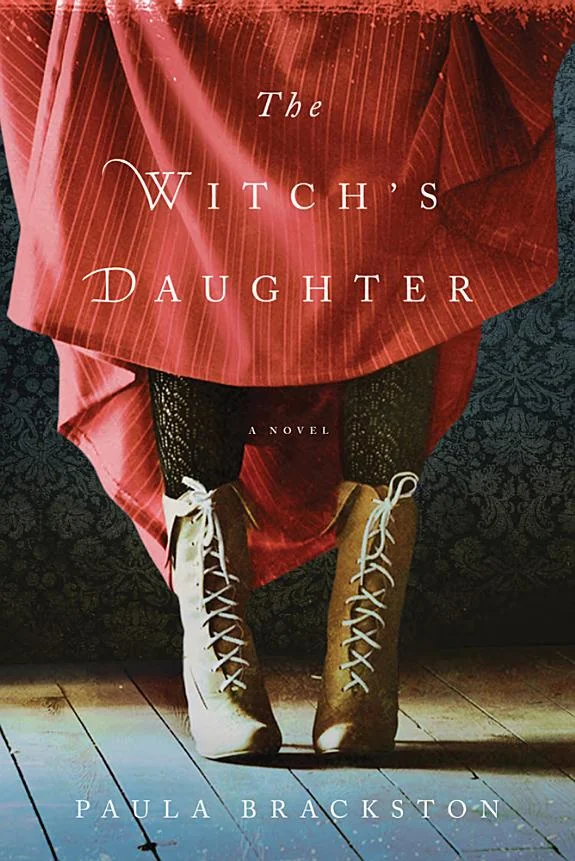
The Witch's Daughter
 78
78

The Witch's Daughter
Paula Brackston’s debut, The Witch’s Daughter, presents a compelling dual narrative that, at its best, highlights the enduring echo of magic through time. The juxtaposition of Elizabeth Anne’s ancient existence with her descendant’s modern life in Matravers creates a fascinating tension. Brackston effectively renders the weight of centuries on her protagonist, making Elizabeth Anne’s struggles feel palpable. However, the romantic elements, while present, occasionally feel less developed than the historical and supernatural threads, sometimes pulling focus from the more potent explorations of witchcraft and lineage. A particularly striking passage involves Elizabeth Anne’s reflections on a pact made near the ancient stones of Avebury, which encapsulates the novel's strength in grounding its magic in specific, evocative locations. While the pacing can sometimes falter, the novel ultimately offers a satisfying, if occasionally gentle, immersion into a world where the past is never truly gone.
📝 Description
78
Paula Brackston's 2012 novel The Witch's Daughter follows a centuries-old witch and her modern descendant.
The Witch's Daughter, published in 2012, weaves together the lives of Elizabeth Anne Hawksmith, a witch with a long existence, and her descendant in present-day Matravers, England. The narrative alternates between key events from Elizabeth Anne's past and contemporary developments. This dual timeline structure allows Brackston to examine the lasting impact of ancestral magic and long-held pacts.
The story appeals to readers interested in historical fantasy and supernatural elements. It focuses on character development and explores themes of lineage, inherited power, and the influence of past actions on the present. The English setting of Matravers provides a grounded backdrop for the magical elements.
Brackston's novel taps into a broader cultural interest in witchcraft, informed by feminist perspectives and neo-paganism. It presents witchcraft as an enduring force across generations, connecting the past and present through magical ability and destiny.
Published in 2012, The Witch's Daughter engages with a cultural fascination with witchcraft that has seen a resurgence. While not tied to a specific historical occult movement, it reflects broader interests influenced by feminist interpretations and neo-paganism. The novel touches upon inherited magical abilities and the enduring nature of witchcraft across generations, suggesting a continuous thread of power and influence that connects past actions to present circumstances.
💡 Why Read This Book?
• Gain insight into the enduring nature of witchcraft, as seen through Elizabeth Anne's centuries-long existence, offering a perspective on magical practice beyond ephemeral trends. • Experience the impact of inherited magic and ancient pacts on contemporary life, a concept central to the Matravers setting and the protagonist's lineage. • Explore the interplay between historical events and personal destiny, particularly how events from 17th-century England shape the narrative in the present day.
⭐ Reader Reviews
Honest opinions from readers who have explored this book.
❓ Frequently Asked Questions
When was The Witch's Daughter originally published?
The Witch's Daughter by Paula Brackston was first published on January 31, 2012. It marked the author's debut novel, introducing readers to her blend of historical fantasy and supernatural elements.
What is the primary setting for The Witch's Daughter?
The primary contemporary setting for The Witch's Daughter is Matravers, England. This historical English town serves as the backdrop for the modern-day storyline intertwined with the protagonist's ancient past.
Does The Witch's Daughter feature witchcraft as a central theme?
Yes, witchcraft is a central theme in The Witch's Daughter. The novel explores the lineage of witches, ancient magical practices, and the enduring power associated with these traditions across generations.
Is The Witch's Daughter part of a series?
The Witch's Daughter is a standalone novel. It introduces Paula Brackston's writing style and thematic concerns but does not form part of an ongoing series.
What kind of magic is depicted in The Witch's Daughter?
The novel depicts a form of hereditary witchcraft, involving ancient pacts, elemental connections, and the ability to influence events across time. It is rooted in folklore and a sense of inherent, generational power.
Who is the author of The Witch's Daughter?
The author of The Witch's Daughter is Paula Brackston. This 2012 novel was her first published work, establishing her as a writer of historical fantasy with supernatural undertones.
🔮 Key Themes & Symbolism
Generational Witchcraft
The novel centers on the concept of inherited magical abilities passed down through a bloodline. Elizabeth Anne, the ageless witch, represents the deep wellspring of this power, while her descendant embodies its continuation in the modern era. This theme explores how ancient knowledge and inherent strengths manifest across different centuries, suggesting that certain magical aptitudes and spiritual connections are not lost but rather lie dormant or evolve within families, deeply connecting individuals to their ancestors and their shared magical heritage.
Ancient Pacts and Their Echoes
Central to the narrative is the idea that significant magical agreements made in the past continue to exert influence on the present. Elizabeth Anne's long life is shaped by these pacts, which often carry weighty consequences. The book examines how these ancient bargains, sometimes made in places like Avebury, ripple through time, affecting not only the witch herself but also her descendants and the very fabric of reality. This explores the enduring power of promises and the often unforeseen repercussions of dealings with supernatural forces.
The Witch in Historical England
Brackston situates her tale within the historical range of England, using locations like Matravers and referencing periods that would have been fraught with superstition and persecution for those accused of witchcraft. The novel contrasts the overt magical abilities of its protagonist with the societal fears and accusations of the past, highlighting the witch's often solitary and hidden existence. This theme looks at the resilience required to maintain one's identity and power amidst historical prejudice and changing social norms.
Dual Timelines and Connection
The narrative structure itself, flipping between Elizabeth Anne's past experiences and her descendant's present-day life, emphasizes the theme of connection across time. It suggests that the past is not separate from the present but is an integral part of it, shaping current circumstances and relationships. This duality allows for a comparative study of how individuals navigate similar challenges, whether centuries apart, bound by the same magical lineage and the persistent influence of their ancestors.
💬 Memorable Quotes
Direct passages from the work, attributed to the author.
“Her agelessness was a burden, a chain forged in the fires of ancient magic.”
— This interpretation captures the essence of Elizabeth Anne's character, portraying her long existence not as a gift but as a consequence of powerful, perhaps burdensome, magical ties that bind her to specific obligations and experiences.
“The magic in her blood remembered what her mind had long forgotten.”
— This highlights the theme of inherited power and ancestral memory. It suggests that innate magical abilities and knowledge reside within the very essence of the witch's lineage, surfacing instinctually even when conscious recollection is absent.
“Matravers held traces of her past, whispers carried on the English wind.”
— This phrase evokes the setting's connection to the protagonist's history. It implies that the town itself is imbued with the residual energy of Elizabeth Anne's long life and past magical activities, making the location a living evidence of her enduring presence.
“A pact made under a pale moon could bind souls for centuries.”
— This captures the novel's exploration of ancient magical agreements. It underscores the gravity and long-lasting impact of such supernatural contracts, suggesting they create enduring spiritual or energetic connections that transcend ordinary lifespans.
“She was a daughter of the old ways, walking a path between worlds.”
— This interpretation positions the protagonist as deeply rooted in traditional forms of witchcraft, existing simultaneously within the mundane world and the area of magic, a common archetype for powerful sorceresses in folklore.
🌙 Esoteric Significance
Tradition
The Witch's Daughter aligns broadly with the Western Esoteric tradition's interest in witchcraft, particularly its folkloric and hereditary aspects. It draws on archetypes of the enduring witch figure common in European folklore and neo-paganism, emphasizing an innate connection to natural forces and ancestral power rather than a codified magical system like Hermeticism or Kabbalah. The novel explores the personal, often burdensome, experience of wielding such power across vast stretches of time.
Symbolism
Key symbols include the witch's lineage, representing continuity and inherited magical potential, and ancient pacts, signifying binding agreements with supernatural forces whose consequences endure through centuries. Natural elements like the English landscape (Matravers) and specific locations like Avebury serve as symbolic anchors, grounding the magic in tangible, often ancient, earthly power and history.
Modern Relevance
Contemporary readers interested in ancestral connection, hereditary magic, and the enduring archetype of the witch find resonance in Brackston's work. It speaks to modern neo-pagan and witchcraft communities that emphasize personal lineage and the integration of magical practice into everyday life, offering a fictional exploration of themes relevant to contemporary spiritual paths seeking connection to the past and inherent power.
👥 Who Should Read This Book
• Readers fascinated by historical fantasy with strong supernatural elements, particularly those interested in the lore and perceived practices of witchcraft across different eras. • Enthusiasts of dual-timeline narratives who appreciate stories that explore the enduring impact of the past on the present and vice versa. • Fans of character-driven fiction seeking a romantic subplot woven into a story about ancient power, lineage, and the resilience of magical traditions.
📜 Historical Context
Paula Brackston's debut, The Witch's Daughter (2012), arrived during a period of renewed interest in supernatural fiction and historical fantasy, following trends set by authors like Diana Gabaldon and Deborah Harkness. The early 2010s saw a surge in novels exploring witchcraft, often through a modern lens or blended with historical settings, reflecting a broader cultural fascination with paganism and feminist reinterpretations of magic. While not a direct engagement with a specific historical occult group like the Golden Dawn, it tapped into a zeitgeist interested in lineage, ancestral power, and the enduring presence of magic. It appeared shortly after books like *The Discovery of Witches* (2011) and alongside a growing body of work that revisited folkloric and magical traditions, often imbuing them with romantic and character-driven narratives. The reception by Publishers Weekly noted its 'pleasant romance' and 'light' touch, positioning it within the accessible historical fantasy genre rather than as a dense exploration of occult philosophy.
📔 Journal Prompts
Elizabeth Anne's pacts and their enduring consequences.
The concept of inherited magic within the Hawksmith lineage.
Reflections on Matravers as a repository of historical and magical echoes.
The burden and resilience of an ageless witch.
Comparing the challenges faced by Elizabeth Anne in her past versus her descendant in the present.
🗂️ Glossary
Ageless Witch
Refers to a magical practitioner, like Elizabeth Anne, who possesses unnaturally long life or immortality, often due to ancient pacts or inherent magical abilities, carrying the weight of centuries of experience.
Ancient Pacts
Supernatural agreements or bargains made in the distant past, typically involving powerful magical forces, which continue to exert influence and consequences on the individuals or lineages involved across generations.
Hereditary Magic
Magical abilities or a predisposition towards the supernatural that are passed down through family lines, suggesting that power and knowledge are encoded within blood and lineage.
Matravers
The specific English town serving as the contemporary setting for the novel, grounding the supernatural elements in a tangible historical location and acting as a site where past and present intersect.
Daughter of the Old Ways
A descriptor for a witch deeply connected to traditional, perhaps ancient, forms of magic and practice, often implying a solitary existence or adherence to practices predating modern interpretations of witchcraft.
Traces of the Past
The lingering influence or residual energy of historical events, actions, or magical occurrences that can still be perceived or felt in the present, particularly in specific locations.
Dual Timeline
A narrative structure that alternates between two distinct periods in time, typically used to explore cause and effect, character development across eras, or the connection between historical events and contemporary life.
This book appears in 1 collection
🔮 Readers Also Liked
Browse all →








From the “Immortality” Collection
View all →



More Free Occult Philosophy Books
View all →