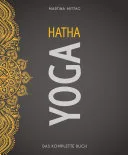
Hatha Yoga
 82
82

Hatha Yoga
Mittag Martina's "Hatha Yoga" presents a structured approach to the physical practice of yoga. The book's strength lies in its meticulous breakdown of 34 key asanas, offering clear instructions on execution, symbolism, and alignment. The inclusion of complete class sequences and tailored visualization exercises is a practical asset for instructors and dedicated practitioners. However, the work could benefit from a more robust exploration of the philosophical underpinnings beyond the practical application of asanas. The section on historical context, while accurate, feels somewhat brief for a text focusing on classical yoga. The detailed guidance on preparatory steps for each asana is a notable positive. Ultimately, "Hatha Yoga" serves as a competent, visually oriented guide to the physical discipline.
📝 Description
82
Martina Mittag's Hatha Yoga details 34 prominent yogic postures with guidance on execution, meaning, and instruction.
This volume offers a thorough introduction to Hatha Yoga, beginning with its philosophical underpinnings and historical origins. It then moves to a practical section that details 34 yogic postures, known as asanas. For each asana, the book provides instruction on correct performance, its symbolic meaning, proper physical alignment, preparatory steps, and methods for teaching. Special practice sequences and complete class structures are included, alongside complementary visualization and relaxation exercises designed for these sequences.
The work is intended for yoga practitioners who want a deeper grasp of Hatha Yoga's physical and philosophical aspects. Yoga instructors can use it to improve their teaching methods. Students seeking to understand the symbolic significance and precise alignment of key asanas will also find it useful. Those interested in yoga's classical foundations and its structured application today will benefit from this text.
Hatha Yoga's lineage connects to ancient Indian traditions, with key texts like the Hatha Yoga Pradipika appearing around the 15th century CE. This period saw yogic practices expand beyond meditation, focusing on physical purification and energy control as a path toward Raja Yoga. The emphasis on asanas and pranayama established Hatha Yoga as a distinct branch, significantly shaping later yogic schools and global yoga practices.
💡 Why Read This Book?
• Learn the precise execution and symbolic meaning of 34 classic asanas, including detailed preparatory steps for each, as presented in the practical section of this volume. • Gain access to specially designed practice sequences and complete class structures, enabling you to build or deepen your personal practice or teaching curriculum. • Understand the philosophical origins and classical roots of Hatha Yoga, as explored in the introductory sections, offering context beyond mere physical exercise.
⭐ Reader Reviews
Honest opinions from readers who have explored this book.
❓ Frequently Asked Questions
When was Hatha Yoga first published?
The initial publication date for Hatha Yoga by Mittag Martina was July 17, 2023, making it a contemporary exploration of classical yoga principles.
What is the primary focus of the practical section?
The practical section details 34 well-known yogic postures (asanas), covering their correct execution, symbolism, alignment, and preparatory stages.
Does the book include information on yoga's philosophical origins?
Yes, the book begins with a comprehensive introduction to the topic, providing a thorough overview of the origin and philosophy of classical Yoga.
Are there resources for teaching yoga within the book?
Absolutely. It offers complete class structures and practice sequences, along with guidance on instructing the asanas, designed for instructors and serious practitioners.
What kind of relaxation techniques are offered?
The book includes visualization and relaxation journeys specifically adapted to complement the outlined class structures and practice sequences.
Who is the author of this Hatha Yoga guide?
The author is Mittag Martina, with the first edition published in July 2023.
🔮 Key Themes & Symbolism
Asana Execution and Symbolism
The book delves deeply into the physical form and symbolic significance of 34 core Hatha Yoga postures. It moves beyond simple instruction to explain the underlying meaning and energetic implications of each pose, offering guidance on correct alignment and preparatory movements. This approach encourages practitioners to engage with asanas not just as physical exercises, but as tools for self-awareness and subtle energetic cultivation, linking the physical practice to a deeper esoteric understanding.
Classical Yoga Philosophy
Before presenting the practical elements, the volume dedicates considerable space to the foundational philosophy and historical origins of classical Yoga. This section aims to situate Hatha Yoga within its broader spiritual and intellectual lineage, providing context for the physical practices that follow. It explores how ancient yogic thought informs the structure and intent of Hatha Yoga, encouraging a holistic perspective that integrates mind, body, and spirit.
Structured Practice Sequences
A significant feature is the provision of complete class structures and carefully curated practice sequences. These are designed to guide users through a coherent and progressive series of asanas, complemented by visualization and relaxation exercises. This aspect of the book caters to both instructors seeking lesson plans and dedicated students aiming for a systematic approach to their practice, fostering discipline and consistent development.
Prana and Energetic Flow
While primarily focused on asana, the text implicitly touches upon the concept of Prana, or life force, which is central to Hatha Yoga's esoteric aims. The precise alignment, energetic focus within poses, and accompanying relaxation practices are all geared towards facilitating the free flow of Prana throughout the body. This energetic dimension is key to understanding Hatha Yoga as a path for spiritual and physical purification.
💬 Memorable Quotes
Direct passages from the work, attributed to the author.
“The 34 most famous yogic postures (Asanas) are presented in their correct execution, symbolism, alignment, preparation, and guidance.”
— This statement highlights the book's core practical offering: a detailed and complex approach to key yoga postures, emphasizing both the physical form and its deeper esoteric significance.
“Specially adapted practice sequences, complete class layouts, and tailored visualization and relaxation journeys.”
— This excerpt emphasizes the structured, pedagogical approach of the book, offering ready-to-use components for both personal practice and teaching.
“The book allows for correct execution, symbolism, alignment, preparation, and guidance for each of the 34 most well-known yogic postures.”
— This restatement underscores the thoroughness with which each asana is treated, covering multiple dimensions from physical technique to symbolic meaning.
💡 Key Ideas
Editorial paraphrase of the work's core concepts — not direct quotes.
A comprehensive introduction to the topic with a well-founded overview of the origin and philosophy of classical Yoga.
This paraphrase points to the foundational knowledge the book aims to impart, grounding the practical aspects of Hatha Yoga in its historical and philosophical roots.
Beyond the introduction to origin and philosophy, a detailed practical part awaits the reader.
This paraphrase signals the book's structure, moving from theoretical grounding in Yoga's history and philosophy to extensive practical application of Hatha Yoga techniques.
🌙 Esoteric Significance
Tradition
Hatha Yoga belongs to the broader Indic esoteric traditions, particularly those that emerged from Tantric and yogic lineages aiming for spiritual liberation through physical and energetic means. It departs from purely meditative paths by emphasizing the body as a primary tool. Its esoteric goal is often the awakening of Kundalini energy and the purification of nadis (energy channels) to achieve higher states of consciousness, differing from the intellectual focus of Vedanta or the devotional emphasis of Bhakti Yoga.
Symbolism
Key symbols within Hatha Yoga include the serpent (Kundalini) coiled at the base of the spine, representing dormant spiritual energy awaiting awakening. The lotus flower is another pervasive symbol, often depicted in various chakras, signifying purity, enlightenment, and spiritual unfolding. The sun (Ha) and moon (Tha) in Hatha Yoga itself symbolize the balance of opposing energies (masculine/feminine, active/receptive) that practitioners seek to harmonize within their own being.
Modern Relevance
Contemporary Hatha Yoga practice, while often secularized, continues to draw directly from the principles outlined in classical texts. Modern yoga studios worldwide offer classes based on the asanas and sequencing principles detailed in works like this. Thinkers and practitioners in fields like somatic psychology and alternative healing modalities often reference the energetic and mind-body integration aspects of Hatha Yoga, recognizing its value for stress reduction and holistic well-being.
👥 Who Should Read This Book
• Aspiring and current yoga instructors seeking a detailed manual for teaching classical Hatha Yoga postures with attention to alignment and symbolism. • Dedicated yoga practitioners wishing to deepen their understanding of the physical and philosophical dimensions of their practice beyond superficial exercise. • Students of esoteric traditions interested in the body-centric paths of spiritual development and the historical evolution of yogic disciplines.
📜 Historical Context
Hatha Yoga's evolution as a distinct yogic path gained momentum around the 15th century CE, with seminal texts like the Hatha Yoga Pradipika codifying its practices. This era saw a significant divergence from the purely meditative focus prevalent in earlier traditions, such as the Raja Yoga described in Patanjali's Yoga Sutras (circa 400 CE). Hatha Yoga emerged as a potent system for physical purification and energetic control, utilizing asanas and pranayama as key methods. Its development was often intertwined with Tantric traditions, emphasizing the body as a vehicle for spiritual transformation. While initially viewed by some as a preparatory stage for Raja Yoga, Hatha Yoga’s rigorous physical discipline and focus on vital energies became influential, shaping the trajectory of yogic practices that would eventually travel westward in the 20th century, often simplified but retaining core elements.
📔 Journal Prompts
The precise execution of a specific asana, such as Trikonasana, and its symbolic resonance.
The foundational philosophy of classical Yoga as presented in the introduction.
The role of preparation and guidance in mastering a challenging posture.
Developing a complete class structure based on the principles outlined.
The connection between physical alignment and energetic flow within an asana.
🗂️ Glossary
Asana
A physical posture or pose practiced in yoga, intended to promote stability, health, and comfort, and serving as a means for meditation and spiritual development.
Hatha Yoga
A branch of yoga focusing on physical postures (asanas) and breath control (pranayama) as a path to spiritual realization and purification of the body.
Prana
The vital life force or energy that permeates all living beings, believed to be controllable through yogic practices like pranayama.
Nadis
Subtle energy channels within the body through which Prana is said to flow, often conceptualized as a network extending throughout the physical and energetic systems.
Chakras
Energy centers located along the spine, believed to be crucial points in the subtle body where Prana is concentrated and transformed, influencing physical and psychological states.
Kundalini
A primordial spiritual energy, often depicted as a coiled serpent, residing at the base of the spine, which yoga practices aim to awaken and raise upwards.
Raja Yoga
The 'royal' or classical path of yoga, often associated with Patanjali's Yoga Sutras, emphasizing meditation, concentration, and control of the mind.