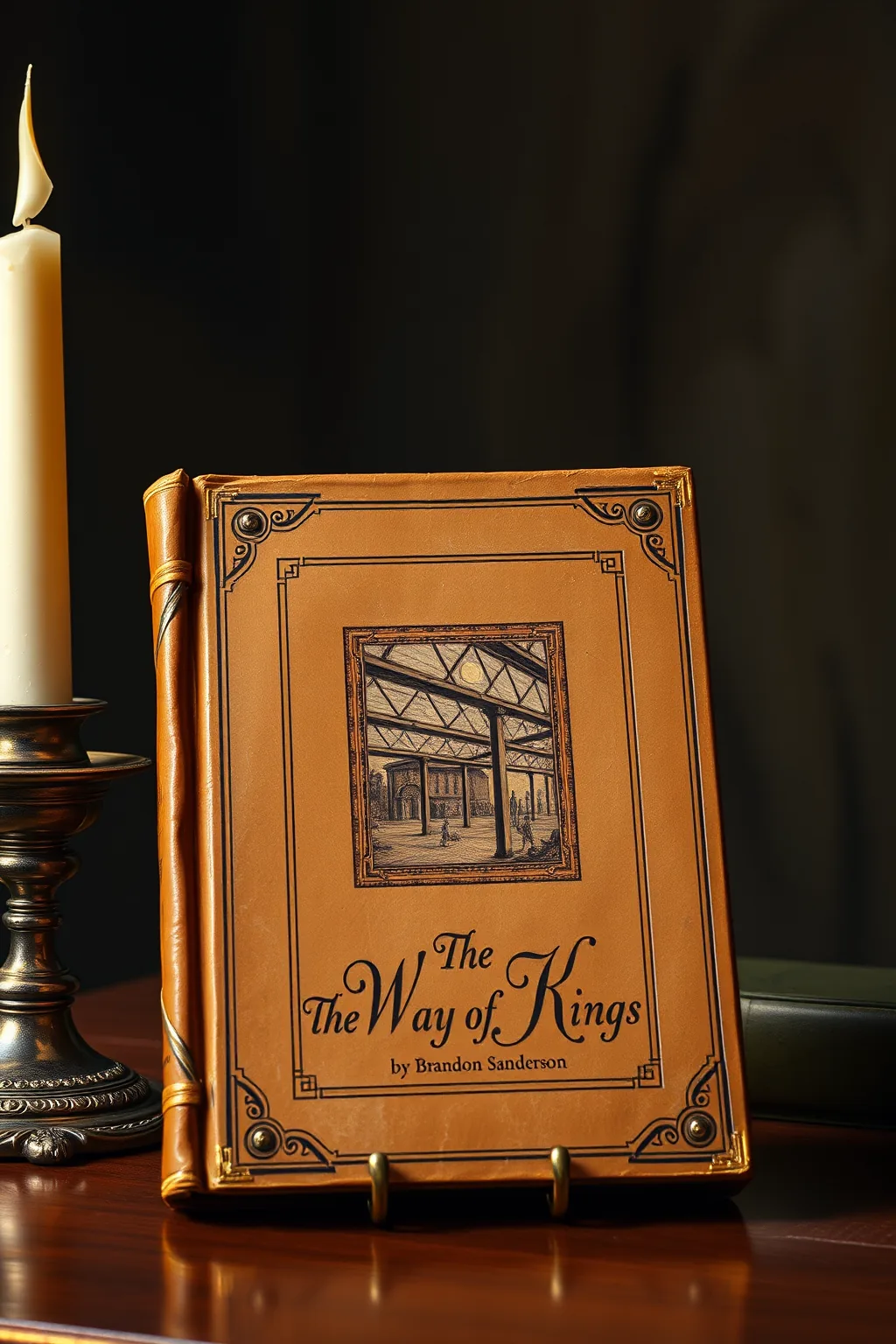
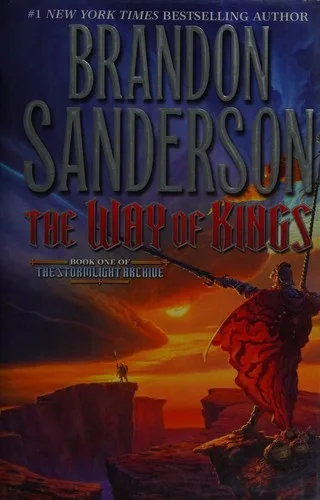
The Way of Kings
 74
74

The Way of Kings
Brandon Sanderson's "The Way of Kings" presents a world of staggering scale, a place where magic is as much a force of nature as the titular storms. The sheer ambition in constructing Roshar, from its unique ecology shaped by highstorms to the intricate societal structures built around them, is undeniable. Sanderson excels at presenting intricate magic systems, and the concept of Stormlight and its use by Surgebenders is a prime example, feeling both alien and logically consistent. However, the book's considerable length and its deliberate pacing, while allowing for deep character development, can occasionally feel overwhelming. The initial chapters, in particular, demand significant reader investment to fully grasp the world's myriad details. A passage detailing Kaladin's struggle to survive as a slave, showcasing his burgeoning "windrunner" abilities and his internal conflict, exemplifies the book's strength in blending action with profound character introspection. Despite its length, "The Way of Kings" succeeds in building a compelling foundation for an epic saga.
📝 Description
74
Brandon Sanderson's The Way of Kings, published in 2016, begins a sprawling epic fantasy series.
The Way of Kings is the first novel in Brandon Sanderson's The Stormlight Archive, set on the world of Roshar. This continent endures constant, destructive highstorms, which shape its ecosystem and the lives of its inhabitants. The narrative follows several characters whose lives become entangled through political maneuvering, ancient prophecies, and the resurgence of a long forgotten threat.
The book is designed for readers who enjoy detailed world construction, complex character development, and elaborate magic systems. Those interested in fantasy narratives that examine duty, sacrifice, and the nature of leadership will find much to consider. It offers an extensive reading experience with a rich history that rewards close attention and thoughtful interpretation. The primary audience includes fans of high fantasy who appreciate detailed lore and unique cosmological frameworks.
In the tradition of epic fantasy, The Way of Kings builds upon established tropes of meticulously crafted magic and world-building. Sanderson's approach to magic, particularly the collection and use of Stormlight, a power source linked to magical artifacts, shows a systematic development of concepts found in earlier fantasy works. This novel situates itself within a genre that often explores philosophical ideas through grand narratives, examining themes of societal structure, personal struggle, and the return of ancient powers.
💡 Why Read This Book?
• Gain an understanding of Surgebinding, a magic system that draws power directly from celestial storms, offering a unique take on elemental magic distinct from traditional fantasy tropes. • Experience the intricate world-building of Roshar, a planet shaped by ecological catastrophes, which provides a backdrop for exploring themes of societal hierarchy and survival. • Follow the intertwined journeys of characters like Kaladin and Shallan, whose struggles with personal trauma and societal expectations are explored through their developing magical abilities and their place in a world seeking heroes.
⭐ Reader Reviews
Honest opinions from readers who have explored this book.
❓ Frequently Asked Questions
What is the primary magic system in The Way of Kings?
The primary magic system is Surgebinding, which allows individuals to manipulate Stormlight, a form of magical energy harvested during highstorms. This power is channeled through specific disciplines and often requires the bond with a spren.
When was The Way of Kings first published?
The Way of Kings, the first book in The Stormlight Archive, was first published in 2016.
Who are the main protagonists in The Way of Kings?
The main protagonists whose stories are central to The Way of Kings include Kaladin, a soldier forced into slavery; Shallan Davar, a young noblewoman with a secret mission; and Dalinar Kholin, a highprince wrestling with visions and political unrest.
What are spren in The Way of Kings?
Spren are sentient elemental spirits that inhabit the world of Roshar. They are often manifestations of emotions, natural phenomena, or concepts, and can form symbiotic bonds with humans, granting them access to Surgebinding abilities.
How does the setting of Roshar influence the story?
Roshar's setting is defined by its destructive highstorms, which are crucial to its ecology and the harvesting of Stormlight. This constant environmental threat shapes the society, architecture, and the very survival of its inhabitants, driving much of the conflict.
Is The Way of Kings part of a larger series?
Yes, The Way of Kings is the first book in Brandon Sanderson's epic fantasy series, The Stormlight Archive, which is planned to be a multi-volume saga.
🔮 Key Themes & Symbolism
The Nature of Oaths
The narrative deeply explores the significance of spoken oaths and their binding power, particularly for the ancient Knights Radiant. Characters are often tested by their commitments, with the fulfillment of vows directly tied to their abilities and spiritual well-being. This theme explores personal integrity, the weight of responsibility, and how promises shape destiny, offering a philosophical examination of commitment within a fantastical framework. The concept of "Ideals" within the Knights Radiant structure serves as a direct manifestation of this theme.
Societal Hierarchy and Oppression
The book meticulously details the rigid social strata of Roshar, from highprinces and scholars to slaves and common soldiers. It highlights the systemic oppression faced by the lower classes, particularly through Kaladin's experiences as a bridgeman and slave. This theme examines how power structures are maintained, the dehumanizing effects of societal stratification, and the struggle for dignity and liberation in the face of entrenched inequality. The Alethi caste system and the treatment of Parshendi are key examples.
The Return of Magic
Central to the plot is the concept of magic's re-emergence in a world that has largely forgotten its true potential. The return of Surgebinding and the legends of the Knights Radiant suggest a cyclical nature to power and prophecy. This theme investigates the interplay between myth, history, and present-day events, questioning whether the past truly repeats itself or if new heroes will forge their own paths. The mysterious visions experienced by Dalinar Kholin are a direct conduit to this theme.
Trauma and Resilience
Many characters, including Kaladin and Shallan, carry significant emotional scars and past traumas that profoundly influence their actions and motivations. The narrative portrays their journey toward healing and resilience, showing how they confront their inner demons while navigating external conflicts. This theme explores the psychological impact of war, betrayal, and loss, and the strength required to persevere and find purpose despite overwhelming personal hardship.
💬 Memorable Quotes
Direct passages from the work, attributed to the author.
“The most important thing is not to be a king. The most important thing is to be a good man.”
— This statement underscores the primacy of personal virtue over status or position. It suggests that ethical conduct and moral character are more significant achievements than worldly titles, offering a guiding principle for leadership and life.
“The pain of losing someone is part of the pain of loving someone.”
— This interpretation highlights the inseparable nature of love and grief. It suggests that the depth of one's sorrow after loss is a direct reflection of the depth of their affection, positing that embracing love means also accepting the possibility of pain.
“It is the nature of the oppressor to be blind to the suffering of the oppressed.”
— This concept points to the inherent disconnect and lack of empathy often found between those in power and those they subjugate. It suggests that privilege can create a willful ignorance, making it difficult for oppressors to acknowledge or understand the hardship they inflict.
“Courage is not the absence of fear, but the triumph over it.”
— This is a classic interpretation of courage, framing it not as a lack of trepidation but as the active process of overcoming fear. It implies that true bravery is demonstrated through action despite feeling afraid, making it a more dynamic and relatable quality.
💡 Key Ideas
Editorial paraphrase of the work's core concepts — not direct quotes.
You cannot have碎. You cannot have power without the burden of responsibility.
This paraphrased concept emphasizes the inherent link between authority and duty. It suggests that true power is not merely about control but about the obligations that come with it, implying that those who seek power without accepting its weight are ultimately flawed.
🌙 Esoteric Significance
Tradition
While not directly aligned with a single historical esoteric tradition like Hermeticism or Kabbalism, "The Way of Kings" draws upon archetypal narrative structures and symbolic language common in Western esotericism. Its focus on cyclical history, the return of ancient powers (Knights Radiant), and the cultivation of inner strength through adherence to 'Ideals' echoes themes found in certain magical orders and philosophical systems that emphasize personal development and spiritual evolution. The concept of "Investiture" functions as a universal life force, akin to prana or chi, which is a common thread in many esoteric cosmologies.
Symbolism
The "Highstorms" themselves serve as potent symbols of destruction and renewal, a dualistic force central to Roshar's existence, akin to cosmic upheavals or initiatory ordeals. The "Spren," particularly those that bond with humans, represent the externalization of inner states or concepts, functioning as guiding spirits or familiars that facilitate personal growth. The "Shardblades" and "Shardplate," remnants of ancient power, symbolize lost wisdom and the potential for heroic archetypes to re-emerge, representing both immense power and the heavy responsibility that accompanies it.
Modern Relevance
Contemporary fantasy authors and readers engaged with "The Way of Kings" find its detailed exploration of magic systems and world-building influential. The concept of "Ideals" and their role in character progression has been discussed in relation to personal development and self-actualization philosophies. Moreover, the novel's nuanced portrayal of trauma and resilience offers modern parallels to psychological resilience training and therapeutic concepts, demonstrating how fantastical narratives can explore deeply human struggles in accessible ways.
👥 Who Should Read This Book
• Enthusiasts of intricate world-building who crave detailed cosmologies and unique ecological systems, offering a world that feels lived-in and deeply considered. • Readers interested in character-driven narratives focusing on overcoming adversity, as the protagonists grapple with severe trauma, societal oppression, and personal ethical dilemmas. • Aspiring writers and world-builders seeking examples of systematic magic development and large-scale epic fantasy structure, providing a deep study in long-form storytelling.
📜 Historical Context
Brandon Sanderson's "The Way of Kings," published in 2016, arrived in a fantasy landscape increasingly dominated by darker, more politically complex narratives, exemplified by George R.R. Martin's "A Song of Ice and Fire." While Martin explored morally gray characters and the brutal realities of power struggles, Sanderson continued to champion intricate world-building and systematic magic. The novel’s publication by Tor Books placed it within a lineage of publishers known for epic fantasy. "The Way of Kings" itself garnered significant attention, becoming a New York Times bestseller and receiving critical acclaim for its scope and originality. Its detailed exploration of a unique magic system, Stormlight, and its ecological integration, offered a counterpoint to more character-focused, low-magic fantasies that were also gaining traction, demonstrating a continued appetite for grand, high-concept epic fantasy.
📔 Journal Prompts
Kaladin's struggle to uphold his ideals despite overwhelming despair.
Shallan's many-sided identity and the masks she wears.
Dalinar's visions and their connection to Roshar's past.
The role of spren in reflecting or influencing human emotions.
The societal implications of Stormlight and Surgebinding.
🗂️ Glossary
Stormlight
A magical energy source harvested from the perpetual highstorms on Roshar. It powers Surgebinding abilities and various forms of advanced technology.
Surgebinding
The ability to manipulate Stormlight to perform supernatural feats. It is a complex magic system with various disciplines, often requiring a bond with a spren.
Spren
Sentient, elemental spirits found on Roshar. They are often manifestations of natural phenomena, emotions, or abstract concepts, and can bond with humans to grant magical abilities.
Highstorm
The destructive, magical storms that sweep across Roshar on a regular cycle. They are the source of Stormlight and are crucial to the planet's ecology.
Knights Radiant
Legendary figures from Roshar's past who wielded Surgebinding powers. Their return is a central mystery and a major element of the series' overarching plot.
Ideals
A series of vows or principles that Knights Radiant must swear to in order to progress in their power. Adhering to these Ideals is central to character development.
Parshendi
A sentient species native to Roshar, distinct from humans. Their culture and conflict with humans form a significant part of the narrative.
🔮 Readers Also Liked
Browse all →






More by Brandon Sanderson
All books →



More Free Magic & Ritual Books
View all →