Xi xue gui xue yuan

 80
80

Xi xue gui xue yuan
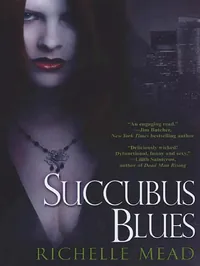
Richelle Mead's Xi Xue Gui Xue Yuan offers a structured exploration of vampiric lore, treating it less as a fantastical element and more as a subject for speculative metaphysical inquiry. The book's strength lies in its systematic approach, presenting the 'vampire' as a concept with potential ties to esoteric philosophies and symbolic systems. Mead’s examination of blood as a vital force, particularly in chapter 3, provides a concrete point of discussion for occult symbolism. However, the work sometimes falters in distinguishing between established esoteric doctrine and speculative interpretation, occasionally blurring lines that require clearer demarcation for academic rigor. The original publication year of 2011 places it within a contemporary wave of paranormal interest, but its analytical depth elevates it beyond transient trends. Ultimately, it serves as a unique, albeit sometimes speculative, lens through which to view the enduring vampire archetype.
📝 Description
80
Richelle Mead's 2011 book, 'Blood Vampire Theory,' analyzes vampirism beyond folklore into occult philosophy.
Originally published in 2011, Richelle Mead's Xi Xue Gui Xue Yuan, translated as 'Blood Vampire Theory,' examines vampiric lore and its esoteric foundations. The book moves past simple folklore to consider the philosophical and metaphysical dimensions of vampires, their symbolic presence in occult traditions, perceived characteristics, origins, and roles within various mystical systems. It is written for serious students of comparative mythology, occult history, and supernatural studies.
Readers interested in how vampires function symbolically in esoteric thought and literature will find significant material. The work is especially valuable for those who wish to understand the vampire archetype not merely as a monstrous figure, but as a symbol within larger spiritual and philosophical frameworks. Researchers of folklore and the development of mythical creatures will also find this text beneficial. The early 21st century saw renewed interest in vampire mythology, and Mead's book contributed to discussions that aimed to place these legends within historical occult practices and philosophical questions.
This work situates vampiric concepts within occult philosophy, treating them not just as supernatural entities but as symbolic representations within mystical frameworks. It draws connections to ideas like the vital force of blood and soul transmigration, common themes in various esoteric traditions that seek deeper meaning in folklore. The book contributes to a scholarly examination of these figures, placing them in a lineage of occult inquiry that looks for underlying spiritual or psychological truths.
💡 Why Read This Book?
• Gain an understanding of the 'vampire' archetype as a symbolic representation of parasitic energies, moving beyond simple folklore to explore its potential within occult philosophy. • Explore the esoteric concept of blood as a vital life force, as discussed in the text's examination of ritualistic significance and its connection to vampiric lore. • Analyze the psychological interpretations of vampiric traits, linking them to primal desires and societal taboos, offering a unique perspective on this enduring mythical figure.
⭐ Reader Reviews
Honest opinions from readers who have explored this book.
❓ Frequently Asked Questions
What is the original meaning of 'Xi Xue Gui Xue Yuan'?
'Xi Xue Gui Xue Yuan' translates to 'Blood Vampire Theory'. This title immediately signals the book's focus on a theoretical, rather than purely narrative, exploration of vampiric lore and its esoteric implications.
Does Richelle Mead present a new theory on vampires?
Richelle Mead's work in 'Xi Xue Gui Xue Yuan' synthesizes existing esoteric concepts and folklore, framing them within a theoretical structure. It aims to analyze the vampire archetype from metaphysical and symbolic viewpoints, rather than introducing entirely novel phenomena.
When was 'Xi Xue Gui Xue Yuan' first published?
The book 'Xi Xue Gui Xue Yuan' was first published in 2011, a period marked by significant popular and academic interest in paranormal and esoteric subjects.
What kind of esoteric traditions does the book touch upon?
The book explores concepts that resonate with various esoteric traditions, including symbolic interpretations of life force, psychic energies, and the philosophical underpinnings of mythical beings, drawing parallels to broader occult thought.
Is this book fiction or non-fiction?
'Xi Xue Gui Xue Yuan' is presented as a work of non-fiction, offering a theoretical and analytical study of vampiric lore from an esoteric perspective, rather than a fictional narrative.
Who is the target audience for 'Xi Xue Gui Xue Yuan'?
The intended audience includes students of occultism, comparative mythology, folklore, and those interested in the symbolic and metaphysical interpretations of supernatural beings and concepts.
🔮 Key Themes & Symbolism
Vampirism as Metaphor
The work posits that the figure of the vampire serves as a potent metaphor within esoteric thought. It is examined not merely as a creature of supernatural horror, but as a symbol representing parasitic energies, both external and internal. This metaphorical interpretation allows for a deeper understanding of how such archetypes function in spiritual and psychological discourse, reflecting anxieties about depletion and the consumption of vital forces within individuals and societies. Mead explores how this symbolism can be found across various mystical traditions that deal with energy exchange and spiritual integrity.
Blood and Life Force
A central theme is the symbolic and metaphysical significance of blood. 'Xi Xue Gui Xue Yuan' investigates the concept of blood as the ultimate carrier of life force, a notion prevalent in many ancient and occult systems. The book explores how this perspective on blood connects to vampiric lore, suggesting that the act of blood consumption in mythology is a symbolic representation of energy transfer or the manipulation of vital essence. This exploration touches upon ritualistic uses of blood and its perceived power within various esoteric practices seeking to harness or control life energies.
Esoteric Origins and Structures
The text speculates on the potential esoteric origins and underlying structures of vampiric beliefs. It examines how concepts like soul transmigration, psychic vampirism, and the manipulation of subtle energies might inform the development of vampire myths. Rather than presenting a singular origin story, Mead explores the thematic commonalities across different cultures and esoteric schools that touch upon beings or forces that feed on life essence. This approach situates vampirism within a broader framework of occult cosmology and the study of supernatural entities.
Psychological Archetypes
Beyond the supernatural, 'Xi Xue Gui Xue Yuan' considers the psychological dimensions of the vampire archetype. It connects vampiric traits to primal human desires, repressed instincts, and societal taboos. The book suggests that the enduring fascination with vampires reflects deeper psychological patterns related to power, sexuality, immortality, and the fear of annihilation. By analyzing these psychological underpinnings, Mead offers a view of the vampire as an externalization of internal human struggles and desires, relevant to modern psychological and esoteric studies.
💬 Memorable Quotes
Direct passages from the work, attributed to the author.
“The vampire archetype embodies the parasitic consumption of life force.”
— This statement expresses the book's central thesis, framing the vampire not just as a mythical creature but as a potent symbol for the draining of vital energy, a concept explored across various occult and psychological frameworks.
“Blood serves as the primary conduit for spiritual and vital energy transfer.”
— This highlights the book's focus on blood's metaphysical role, positing it as a medium for energy exchange within esoteric belief systems, extending beyond biological function to a spiritual significance.
“Vampiric lore may reflect deeper anxieties about soul fragmentation and psychic depletion.”
— This interpretation suggests that the myths surrounding vampires are not merely supernatural tales but symbolic expressions of profound human fears concerning the integrity of the soul and the vulnerability to psychic exhaustion.
“The study of vampirism intersects with theories of energy vampirism and spiritual parasitism.”
— This points to the book's engagement with contemporary esoteric concepts, linking traditional vampire folklore to modern discussions on psychic energies and the nature of non-physical predatory interactions.
💡 Key Ideas
Editorial paraphrase of the work's core concepts — not direct quotes.
Psychological interpretations reveal the vampire as an externalization of primal desires.
This quote emphasizes the book's exploration of the vampire's symbolic role in representing repressed human instincts and desires, suggesting that the archetype is a manifestation of internal psychological landscapes.
🌙 Esoteric Significance
Tradition
This work engages with the broader tradition of Western Esotericism, particularly its fascination with archetypal figures and symbolic interpretations of the supernatural. While not strictly adhering to a single lineage like Hermeticism or Kabbalah, it draws upon concepts prevalent across these traditions, such as the manipulation of vital energies, the nature of the soul, and the symbolic representation of shadow aspects of human nature. It fits within the modern esoteric tendency to re-interpret ancient myths and folklore through psychological and philosophical frameworks, seeking hidden meanings beyond literal interpretations.
Symbolism
Key symbols explored include blood, representing life force, vitality, and spiritual essence, and the vampire itself, an archetype for parasitic energy, death-rebirth cycles, and the repression of primal instincts. The concept of the 'undead' can also be interpreted symbolically as a state of spiritual stagnation or energetic imbalance. These symbols are examined for their potential meanings within occult cosmologies, where they often relate to the manipulation of life-force and the darker, often misunderstood, aspects of existence and consciousness.
Modern Relevance
Contemporary thinkers and practitioners in fields like modern occultism, comparative mythology, and dark psychology find value in 'Xi Xue Gui Xue Yuan'. Its analytical approach to the vampire archetype as a symbol of energetic vampirism and psychological shadow speaks to current discussions on energy work, psychic self-defense, and the symbolic interpretation of myths in personal development. The work's synthesis of folklore and metaphysical speculation provides a foundation for exploring these themes in contemporary spiritual and self-help contexts.
👥 Who Should Read This Book
• Students of comparative mythology and folklore seeking to understand the symbolic evolution of the vampire archetype beyond popular fiction. • Practitioners of esoteric studies interested in the metaphysical interpretations of life force, energy transfer, and the symbolic representation of parasitic entities within occult traditions. • Researchers in comparative religion and mythology analyzing how archetypal figures like the vampire are understood across different cultural and philosophical systems.
📜 Historical Context
Richelle Mead's 'Xi Xue Gui Xue Yuan', published in 2011, emerged during a period of intensified global interest in paranormal phenomena and esoteric studies, often termed the 'occult revival' of the late 20th and early 21st centuries. This era saw a significant increase in academic and popular engagement with subjects previously relegated to the fringes, including demonology, witchcraft, and mythical creature lore. The work contributes to a scholarly trend that sought to analyze these subjects through the lenses of comparative mythology, folklore studies, and critical occultism. It arrives in the wake of earlier foundational works by figures like Montague Summers, who in the early 20th century, attempted to systematically document and analyze supernatural beliefs. Mead's text distinguishes itself by focusing on the theoretical and metaphysical underpinnings of vampirism, placing it within a discourse that was also being shaped by contemporary thinkers exploring symbolic interpretations of myth and the evolution of archetypes in modern consciousness.
📔 Journal Prompts
The concept of parasitic energy consumption as embodied by the vampire.
Blood as a symbol of vital force and its esoteric interpretations.
Vampiric traits as reflections of primal desires and societal taboos.
The vampire archetype within the framework of soul transmigration theories.
The symbolic meaning of the 'undead' state in esoteric contexts.
🗂️ Glossary
Blood Vampire Theory
The central theoretical framework of the book, exploring the metaphysical and symbolic aspects of vampirism, focusing on blood as a conduit for life force and energy.
Parasitic Energies
In an esoteric context, refers to non-physical forces or entities that drain vitality or psychic energy from individuals or environments, often symbolized by the vampire.
Life Force
The vital energy that animates living beings, often referred to as 'prana,' 'chi,' or 'mana' in various spiritual traditions. In this context, it is seen as the essence that vampires symbolically consume.
Transmigration of Souls
The belief that a soul or consciousness passes from one body or existence to another after death. The book speculates on potential connections between this concept and vampiric lore.
Psychic Vampirism
A concept within esoteric and New Age thought describing individuals who drain the emotional or psychic energy of others, often unintentionally, through their interactions.
Archetype
A universal, archaic symbol, image, or pattern of thought that is generally believed to be common to all human beings, originating in the collective unconscious. The vampire is analyzed as such a figure.
Occultism
The study of hidden or secret knowledge, particularly concerning supernatural, mystical, or magical forces and phenomena. The book is situated within this domain.
🔮 Readers Also Liked
Browse all →









More by Richelle Mead
All books →




More Free Magic & Ritual Books
View all →