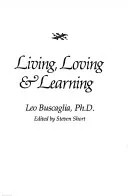
The Twilight Collection (Twilight)

 78
78

The Twilight Collection (Twilight)
Stephenie Meyer’s "The Twilight Collection" launched a phenomenon by presenting vampires not as monstrous predators, but as alluring, conflicted beings. The initial premise—a human girl falling for an ancient vampire in the perpetually overcast Pacific Northwest—offers a potent blend of danger and romance that clearly struck a chord with millions. The series excels at portraying intense, almost suffocating romantic obsession, particularly through Bella Swan’s perspective, making her internal world the primary lens through which readers experience the supernatural. However, the narrative’s relentless focus on Bella and Edward’s relationship, while central to its appeal, can sometimes overshadow the development of the broader world and supporting characters. The depiction of Edward's possessiveness, though framed as protective, occasionally borders on controlling behavior, a point of contention for some readers. Despite these limitations, the series' ability to tap into adolescent desires for intense connection and escapism remains its undeniable strength.
📝 Description
78
Stephenie Meyer's The Twilight Collection, published in 2007, centers on Bella Swan's romance with the vampire Edward Cullen.
The series follows Bella Swan, a human teenager, and Edward Cullen, a vampire, in the town of Forks, Washington. Their relationship forms the core of the narrative, touching on themes of forbidden love and the complexities of immortality. The books examine the choices faced by both supernatural beings and humans when their worlds collide.
This collection appeals to readers of paranormal romance and fantasy, particularly those in the young adult demographic, though it has also found a substantial adult audience. Readers interested in intense romantic connections, the moral questions surrounding eternal life, and the intersection of ordinary and magical existences will find the story engaging.
The Twilight Collection emerged during a period of renewed interest in vampire lore within popular culture, following earlier works in gothic literature and modern vampire fiction. Its success contributed to a larger trend of supernatural young adult fiction, solidifying the genre's market position. The series became a cultural phenomenon, leading to a film franchise and widespread fan engagement.
The series reimagines traditional vampire mythology, presenting the Cullens as vampires who subsist on animal blood, avoiding predatory instincts. This approach contrasts with darker portrayals, emphasizing a more controlled and ethically conscious form of vampirism. Concepts like psychic abilities among vampires and the unique werewolf phenomenon of 'imprinting' add layers to its supernatural framework. The narrative explores the psychological burden of eternal life and the moral quandaries that arise from relationships that defy natural boundaries.
💡 Why Read This Book?
• Gain insight into the modern reinterpretation of vampire lore as presented in the early 2000s, examining how Stephenie Meyer reshaped traditional myths for a young adult audience. • Explore the concept of 'imprinting' as a unique supernatural bond, distinct from typical romantic or familial attachments, as depicted in the series. • Understand the narrative’s focus on Bella Swan’s perspective and her evolving relationship with Edward Cullen, analyzing the dynamics of their interspecies romance set in Forks, Washington.
⭐ Reader Reviews
Honest opinions from readers who have explored this book.
❓ Frequently Asked Questions
When was The Twilight Collection originally published?
The Twilight Collection, the first book in the series by Stephenie Meyer, was first published in 2007. It quickly gained popularity, leading to subsequent releases in the following years.
What is the primary setting for The Twilight Collection?
The main setting for The Twilight Collection is the small, perpetually overcast town of Forks, Washington, in the Pacific Northwest. This atmospheric location plays a significant role in the narrative.
Who are the main characters in The Twilight Collection?
The central characters are Bella Swan, a human teenager, and Edward Cullen, a vampire. Their complex relationship forms the core of the story.
What are the key supernatural elements in The Twilight Collection?
The series features vampires, notably the vegetarian Cullen family with their special abilities, and werewolves, who experience a unique phenomenon called 'imprinting'.
What kind of themes does The Twilight Collection explore?
The collection explores themes of forbidden love, mortality versus immortality, choice, sacrifice, and the struggle between human and supernatural desires.
Is The Twilight Collection considered paranormal romance?
Yes, The Twilight Collection is widely classified as paranormal romance, focusing on the romantic relationship between a human and a supernatural being.
🔮 Key Themes & Symbolism
Forbidden Love and Immortality
The series centers on the intense, forbidden romance between Bella Swan, a mortal, and Edward Cullen, an immortal vampire. This dynamic explores the inherent conflict and desire that arises from the vast difference in their lifespans and natures. It questions the possibility of lasting connection across such fundamental divides, touching on themes of sacrifice and the potential dangers of eternal life when intertwined with human vulnerability. The narrative grapples with whether love can truly conquer the existential chasm between human existence and eternal vampirism.
Control and Predation
A central theme is the struggle for control, particularly for Edward and his vampire family, who subsist on animal blood to avoid preying on humans. This internal battle against primal urges is a constant source of tension. The narrative contrasts this controlled existence with the inherent predatory nature often associated with vampires in folklore. It examines the ethical implications of desire and power, and the constant vigilance required to maintain a semblance of normalcy and morality within a supernatural context.
Identity and Transformation
The collection heavily features themes of identity, particularly for Bella as she navigates her feelings for Edward and the supernatural world he inhabits. Her desire for transformation—to become a vampire herself—highlights a yearning for belonging and a rejection of her human limitations. This pursuit of change also extends to the concept of 'imprinting' among the Quileute werewolves, a form of destined connection that fundamentally alters their identity and purpose within their pack.
Choice and Destiny
The narrative frequently poses questions about free will versus fate. Characters, especially Bella, are often faced with significant choices that have profound consequences, particularly regarding her relationship with Edward and the potential for her own transformation. The concept of 'imprinting' among werewolves introduces a strong element of destiny, where individuals are seemingly preordained to find their soulmate, raising questions about agency and the nature of predetermined paths.
💬 Memorable Quotes
Direct passages from the work, attributed to the author.
“You are my life now.”
— Representing Edward's profound and possessive devotion to Bella, this statement underscores the all-consuming nature of his love and his perceived dependence on her existence.
“If you are looking for a normal life, you'll be disappointed.”
— This interpretation of dialogue points to the inherent conflict between Bella's human world and the supernatural reality Edward represents, signaling that their relationship will necessitate profound changes and sacrifices.
“I never thought of myself as a hero.”
— This sentiment, likely reflecting Jacob Black's perspective, touches upon the reluctant nature of heroism and the personal costs associated with protecting loved ones, especially within the context of supernatural conflict.
💡 Key Ideas
Editorial paraphrase of the work's core concepts — not direct quotes.
I don't have the self-control of a saint.
This line speaks to Edward's internal conflict and the inherent danger he poses to Bella. It highlights the constant struggle vampires face against their predatory instincts, even when deeply in love.
I'd rather die than be with someone else.
This quote captures Bella's extreme devotion and her willingness to face death or undertake a radical transformation for the sake of her relationship with Edward, emphasizing the intensity of her feelings.
🌙 Esoteric Significance
Tradition
While not overtly adhering to a specific established esoteric tradition like Hermeticism or Kabbalah, The Twilight Collection taps into a modern, popularized vein of occult fantasy. It draws from the archetypal figure of the vampire, a figure deeply embedded in folklore and occult symbolism for centuries. The series reframes this archetype through a lens of romantic yearning and moral ambiguity, presenting a sanitized yet intense exploration of themes often found in Gothic literature and certain branches of occultism, such as eternal life, forbidden desire, and the allure of the 'other'.
Symbolism
The perpetual twilight and overcast skies of Forks serve as a potent symbol for the liminal space the characters inhabit—between life and death, human and supernatural, light and darkness. Edward's 'vegetarian' vampirism symbolizes a conscious rejection of primal nature for a chosen ethical path, representing a form of self-mastery or spiritual discipline. The 'gift' of special vampire abilities can be interpreted as symbolic of latent potentials or hidden talents, unlocked through transformation, a concept resonant in various mystical traditions.
Modern Relevance
The series' enduring appeal lies in its modern romanticization of the vampire mythos. Contemporary thinkers and creators continue to engage with its themes of forbidden love, the ethics of power, and the human desire for transcendence or escape from mortality. Its influence can be seen in subsequent paranormal romance novels and films that explore similar interspecies relationships and supernatural dynamics, often borrowing from Meyer's successful formula of intense emotional connection set against a backdrop of otherworldly conflict.
👥 Who Should Read This Book
• Young adult readers seeking contemporary paranormal romance with a strong emphasis on intense emotional connection and fantasy elements. • Fans of vampire literature interested in modern reinterpretations of classic folklore, particularly those focusing on romantic entanglements and moral complexity. • Readers exploring themes of identity, transformation, and the allure of the supernatural in popular fiction.
📜 Historical Context
The Twilight Collection emerged in 2007, a period marked by a significant boom in young adult paranormal fiction. This genre saw a resurgence, partly influenced by the enduring popularity of Anne Rice's vampire novels from the 1970s and 80s, and a broader cultural fascination with supernatural beings. Stephenie Meyer’s approach, humanizing vampires and focusing on intense romantic relationships, offered a distinct alternative to the more overtly horrific or gothic portrayals common in earlier vampire literature. While authors like Charlaine Harris were also exploring contemporary vampire narratives with her Sookie Stackhouse series (which began in 2001), Meyer's focus on a teenage protagonist and a more chaste, albeit intense, romance differentiated her work. The series' immense commercial success, amplified by a highly successful film adaptation starting in 2008, cemented its place in popular culture and significantly influenced subsequent trends in YA literature and film.
📔 Journal Prompts
Bella Swan's desire for transformation into a vampire.
Edward Cullen's struggle with his predatory nature.
The concept of 'imprinting' among the Quileute werewolves.
The symbolic significance of Forks' perpetual twilight.
The ethics of immortal beings interacting with the human world.
🗂️ Glossary
Vampire
An undead being, traditionally believed to sustain itself by feeding on the vital essence (typically blood) of the living. In this series, vampires are depicted with enhanced abilities, unique 'gifts', and a choice between feeding on animals or humans.
Imprinting
A phenomenon specific to the Quileute shape-shifters in the series, where a male shifter finds their soulmate. Upon imprinting, the shifter experiences an immediate, profound, and unconditional love and protectiveness towards that person.
Shape-shifter
Individuals, typically members of the Quileute tribe in the series, who can transform into large wolves. This ability is often linked to a protective role towards their human community.
Forks, Washington
The primary setting of the series, a small, perpetually overcast town in the Pacific Northwest. Its unique climate is crucial for the vampire characters, as it shields them from the sun's lethal effects.
Cullen Family
A coven of 'vegetarian' vampires who have chosen to subsist on animal blood rather than human blood. They live in Forks and are central to the narrative, particularly Edward Cullen and his adoptive family.
Gift
Special, unique abilities possessed by certain vampires, beyond their standard superhuman attributes. Examples include telepathy, precognition, and emotional manipulation.
Twilight
The time of day between dawn and sunrise, or between sunset and nightfall. In the context of the series, it symbolizes the liminal state and the preferred atmospheric conditions for vampires.
🔮 Readers Also Liked
Browse all →







More by Stephenie Meyer
All books →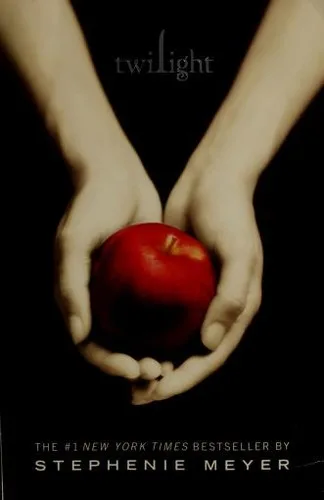





More Free Occult Philosophy Books
View all →