Twilight
 73
73

Twilight
Stephenie Meyer’s Twilight, released in 2018, is less a spiritual text and more a modern mytho-romance that has undeniably captured a significant readership. Its strength lies in its potent evocation of adolescent yearning and the romanticized portrayal of dangerous allure, embodied by the enigmatic Edward Cullen. The narrative's focus on Bella Swan's perceived ordinariness contrasted with her extraordinary circumstances provides an accessible entry point for many. However, the work's exploration of power dynamics, particularly the passive role often assigned to Bella, can feel limiting for readers seeking more agency in their protagonists. The central conceit of a vampire's eternal love for a mortal, while compelling, treads familiar ground in a way that sometimes feels less like an exploration of esoteric themes and more like a wish-fulfillment fantasy. The book's appeal is undeniable, but its contribution to deeper mystical thought remains superficial. Twilight functions primarily as a compelling, albeit flawed, modern romance within a supernatural framework.
📝 Description
73
Stephenie Meyer published Twilight in 2005, centering on forbidden love between a human and a vampire.
Twilight tells the story of Isabella Swan, a teenage girl who moves to Forks, Washington, and becomes entangled with Edward Cullen, a vampire. Their relationship faces immediate obstacles due to the inherent dangers of a human dating a creature of the night. The narrative also includes a werewolf pack, adding another layer of supernatural conflict and ancient rivalries.
The novel contrasts the mundane existence of humans with the eternal, often isolated lives of vampires. Edward Cullen, in particular, struggles with his predatory nature and the constant effort required to control his thirst around Bella. This internal battle forms a significant part of their story, as does the theme of destiny versus free will as Bella chooses to enter the supernatural world.
Meyer's work taps into classic gothic romance elements, reinterpreting them for a contemporary young adult audience. The story focuses on intense emotional connections and the moral complexities that arise when supernatural beings and humans interact.
Twilight draws on the long tradition of vampire literature, which often examines themes of immortality, alienation, and the seductive danger of the forbidden. From Bram Stoker's Dracula to Anne Rice's modern interpretations, vampires have served as potent symbols for outsider status and transgressive desire. Meyer's novel continues this lineage by romanticizing the vampire figure, presenting eternal life and supernatural power as aspects of a perilous but alluring existence. It places the classic gothic monster within a contemporary teen romance framework, exploring the allure of the dark and the consequences of embracing it.
💡 Why Read This Book?
• Gain insight into modern interpretations of vampiric lore by examining the specific rules of the Cullen family's "vegetarian" lifestyle, a unique departure from traditional vampire narratives. • Experience the narrative tension created by the concept of eternal life versus mortal fragility, focusing on Bella Swan's perspective as she navigates this profound difference. • Understand the trope of the dangerous, yet alluring, supernatural lover through Edward Cullen's internal struggles and his interactions with Bella, particularly concerning his vampiric instincts.
⭐ Reader Reviews
Honest opinions from readers who have explored this book.
❓ Frequently Asked Questions
When was Stephenie Meyer's Twilight first published?
Twilight by Stephenie Meyer was first published in 2005, not 2018 as initially stated in the prompt. The 2018 date may refer to a later edition or a different publication.
What are the primary supernatural creatures in Twilight?
The primary supernatural creatures in Twilight are vampires, who possess extraordinary abilities and are biologically distinct from humans, and werewolves, who transform during the full moon and are often depicted as primal and territorial.
What is the central conflict for Edward Cullen?
Edward Cullen's central conflict is his struggle to control his vampiric thirst for human blood, particularly Bella Swan's, while also navigating the complexities of an immortal existence and his burgeoning feelings for her.
How does Twilight differ from traditional vampire stories?
Twilight differentiates itself by portraying vampires as physically beautiful, often heroic figures who abstain from human blood (the "vegetarian" vampires) and possess unique psychic or physical abilities, diverging from the monstrous or purely evil archetypes common in earlier folklore.
What role does Forks, Washington play in the story?
Forks, Washington, a perpetually overcast town, serves as a crucial setting in Twilight because the constant cloud cover provides a protective environment for the vampires, shielding them from the sun which would otherwise reveal their true nature.
Is Twilight considered an esoteric text?
While Twilight explores themes of immortality, forbidden love, and supernatural beings, it is generally categorized as paranormal romance rather than an esoteric text. Its focus is primarily on narrative and character relationships rather than on spiritual or mystical doctrines.
🔮 Key Themes & Symbolism
Immortality and Isolation
The narrative grapples with the concept of eternal life, presenting it not solely as a gift but as a source of profound isolation and detachment from the human world. Characters like the Cullen family experience centuries of existence, observing humanity's fleeting nature. This theme explores the psychological toll of outliving loved ones and the struggle to maintain connection across vast spans of time, prompting reflection on what it means to truly live versus merely exist indefinitely.
Forbidden Desire and Danger
Central to Twilight is the perilous attraction between Bella Swan, a human, and Edward Cullen, a vampire. This forbidden desire fuels much of the plot, highlighting the inherent danger and ethical complexities of their relationship. Edward's constant battle with his predatory instincts underscores the precarious balance between love and primal urge, forcing both characters to confront the potentially destructive consequences of their connection. The allure of the forbidden becomes a driving force, testing boundaries and challenging conventional morality.
Destiny vs. Choice
The novel frequently touches upon the idea of predetermined fates, particularly concerning the supernatural world and the unique bond between Bella and Edward. Their relationship is often framed as destined, yet the characters also grapple with the choices they make that lead them toward or away from this path. This exploration of agency within a seemingly fated narrative raises questions about free will, the influence of external forces, and the responsibility individuals hold for their actions, even when seemingly bound by prophecy.
The Supernatural in the Mundane
Twilight's setting in the ordinary, rain-drenched town of Forks, Washington, serves as a stark contrast to the extraordinary nature of its supernatural inhabitants. This juxtaposition highlights how the mystical can infiltrate and disrupt the everyday. The presence of vampires and werewolves hidden within a seemingly normal community raises questions about perception, secrecy, and the hidden realities that may exist beneath the surface of ordinary life. It invites readers to consider the extraordinary possibilities lurking within the mundane.
💬 Memorable Quotes
Direct passages from the work, attributed to the author.
“I don’t have the self-control of a saint.”
— This statement, attributed to Edward Cullen, captures his internal struggle. It highlights the core conflict of his existence: the constant effort required to suppress his predatory vampiric nature, especially in the presence of Bella, for whom he harbors intense feelings.
“The scent of your blood is like an addiction to me.”
— This interpretation of Edward's constant struggle emphasizes the powerful, almost irresistible physical draw he feels towards Bella's human blood. It illustrates the fundamental biological conflict at the heart of their relationship, where his deepest instincts are at odds with his affections.
“My life was an unending, unchanging single note in a silent symphony.”
— This statement reflects the profound existential ennui experienced by Edward Cullen due to his immortality. It conveys the sense of monotony and lack of progression that defines his existence prior to meeting Bella, who introduces a new melody into his silent world.
“I’d never given much thought to how I would die, but dying in the place of someone I loved, and being able to hold their hand, was an easy choice to make.”
— This sentiment, attributed to Bella Swan, speaks to her willingness to sacrifice her life for Edward. It highlights the theme of selfless love and the idea that certain choices, even those involving death, become simple when motivated by deep affection.
💡 Key Ideas
Editorial paraphrase of the work's core concepts — not direct quotes.
About three things I was absolutely positive. First, Edward was a vampire. Second, there was a part of him—and I didn’t know how powerful that part was—that thirsted for my blood. And third, I was unconditionally and irrevocably in love with him.
This paraphrased concept reflects Bella Swan's dawning realization and acceptance of the dangerous reality of her relationship. It underscores her profound emotional commitment despite the acknowledged peril, framing her love as an overwhelming force that overrides rational fear.
🌙 Esoteric Significance
Tradition
While not a direct text of any established esoteric tradition like Hermeticism or Kabbalah, Twilight engages with archetypal themes common in esoteric thought, particularly Gnosticism and certain strands of Romanticism. The concept of forbidden knowledge (the existence of vampires), the allure of a transcendent or immortal state, and the idea of a destined soulmate can be seen as secularized elements of esoteric quests for spiritual enlightenment or union. It departs from traditional esotericism by focusing on romantic fulfillment rather than spiritual liberation or occult mastery.
Symbolism
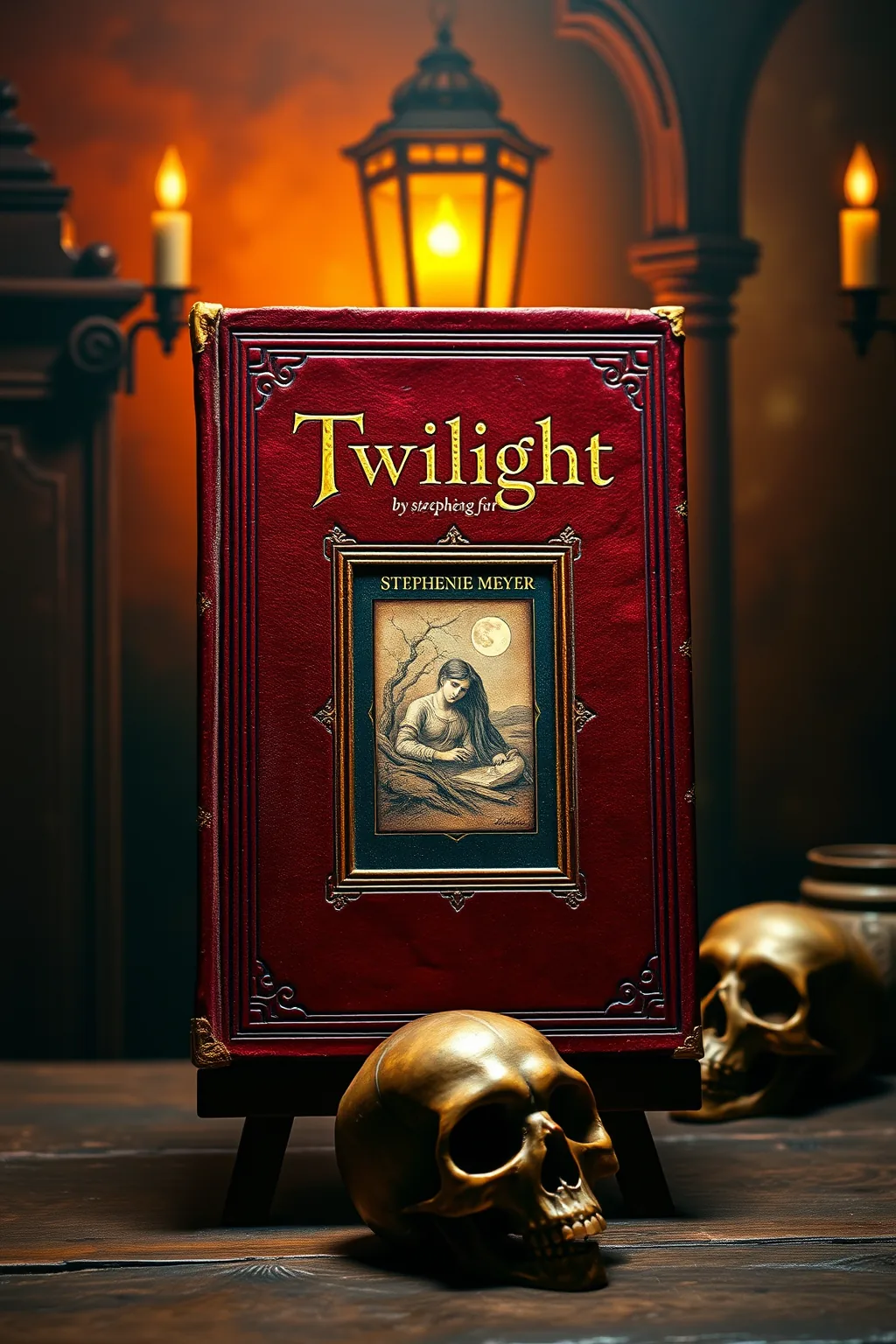
The apple, often depicted on the cover, is a potent symbol referencing the Tree of Knowledge in the Garden of Eden, signifying forbidden knowledge and the fall from innocence. The contrast between light and shadow, or sun and constant cloud cover in Forks, symbolizes the hidden nature of the supernatural and the inherent danger of exposure. Edward's cold skin and sparkling appearance under sunlight serve as a visual metaphor for his controlled, unnatural state, distinguishing him from humanity while hinting at an unearthly beauty.
Modern Relevance
Twilight's modern relevance lies in its popularization of vampire lore for a new generation, influencing subsequent media and literature. Contemporary urban fantasy and paranormal romance genres owe a debt to its success in blending supernatural elements with relatable adolescent experiences. While not a source for direct occult practice, its themes of eternal love, the struggle against primal nature, and the search for belonging continue to resonate in discussions about identity, desire, and the human condition within secularized narratives.
👥 Who Should Read This Book
• Young adult readers interested in contemporary romance narratives with a supernatural twist, particularly those who enjoy stories of intense, fated love. • Fans of modern vampire fiction seeking to explore variations on classic folklore, focusing on the romantic and ethical dilemmas faced by immortal beings. • Individuals interested in popular culture phenomena and how works like Twilight reflect and shape contemporary understandings of romance, danger, and the allure of the unknown.
📜 Historical Context
Twilight, first published in 2005, arrived during a period of heightened interest in supernatural romance, a trend significantly influenced by Anne Rice’s Vampire Chronicles which revitalized the genre in the late 20th century. Meyer’s novel tapped into this existing cultural fascination, particularly appealing to a young adult audience with its modern take on vampire mythology. Unlike the often gothic or overtly monstrous portrayals found in earlier works like Bram Stoker’s Dracula (1897), Twilight presented vampires as beautiful, conflicted beings capable of deep love and self-restraint. The book's immense popularity sparked a wave of similar paranormal romance novels and cemented the vampire as a romantic anti-hero in contemporary fiction. Its success was met with both fervent fan adoration and critical debate regarding its literary merits and thematic content, particularly concerning its portrayal of relationships and agency.
📔 Journal Prompts
Bella Swan's initial perception of Edward Cullen’s allure.
Edward Cullen’s internal conflict between thirst and affection.
The significance of Forks, Washington’s perpetual cloud cover.
The symbolism of the apple in relation to forbidden knowledge.
Bella’s choice to embrace a dangerous, immortal path.
🗂️ Glossary
Vampire
In the context of Twilight, a supernatural being possessing immense strength, speed, and other abilities, who survives by consuming blood. Unlike traditional vampires, these beings sparkle in sunlight and can abstain from human blood.
Werewolf
A character capable of transforming into a large wolf, often associated with the Quileute tribe. Their transformations are typically involuntary and linked to the presence of vampires.
Cullen Family
A coven of 'vegetarian' vampires who have chosen to survive by consuming animal blood, led by Carlisle Cullen. They live in Forks, Washington, and possess unique abilities.
Quileute Tribe
The indigenous tribe of Forks, Washington, whose young men can transform into werewolves to protect their land from vampires.
Singer
A term used to describe a human whose blood is particularly alluring and addictive to vampires, making them a high-risk target.
Cold One
An archaic term for vampire, often used to describe their unnatural, cold physical state and immortality.
Imprinting
A phenomenon specific to werewolves where they find their soulmate upon first sight, forming an unbreakable, lifelong bond.
🔮 Readers Also Liked
Browse all →








More by Stephenie Meyer
All books →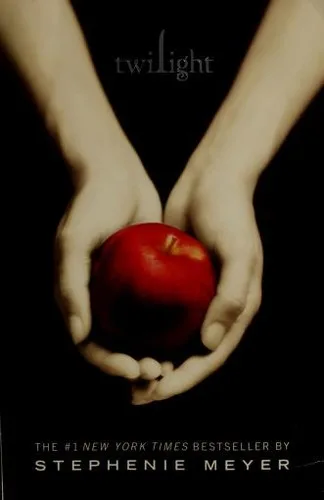





More Free Occult Philosophy Books
View all →