The Truth about Witchcraft Today
 76
76

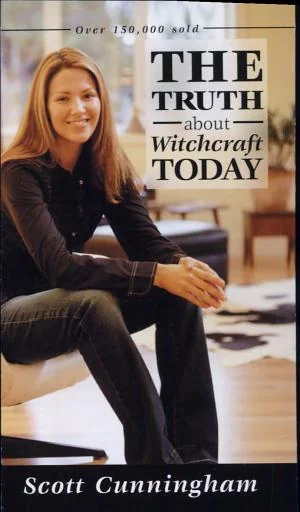
The Truth about Witchcraft Today
Scott Cunningham’s "The Truth About Witchcraft Today" has long served as a gentle gateway for many into the world of modern Witchcraft. Its strength lies in its unpretentious clarity, effectively dismantling sensationalized myths that had long clouded public perception since its 1988 publication. Cunningham writes with a disarming sincerity, presenting Witchcraft not as a dark art but as a natural, life-affirming spirituality. He champions an individualistic approach, which is particularly appealing to those hesitant about joining formal groups. However, the book’s very accessibility can be its limitation. For practitioners seeking deeper exploration of complex magical theory or historical lineage, Cunningham’s focus on core principles might feel somewhat superficial. A passage discussing the ethics of magic, framing it as a force for personal growth rather than external manipulation, exemplifies his accessible yet potentially simplified approach. Ultimately, "The Truth About Witchcraft Today" remains a valuable, if introductory, primer for the genuinely curious.
📝 Description
76
Scott Cunningham published "The Truth About Witchcraft Today" in 1988 to clarify modern Witchcraft.
Scott Cunningham's "The Truth About Witchcraft Today," first published in 1988, aims to demystify modern Witchcraft and Wicca for a general audience. The book separates the spiritual and personal practices of Witchcraft from sensationalized or folkloric portrayals. Cunningham emphasizes Witchcraft as a nature-based spirituality, accessible to individuals seeking a connection to the earth and the divine. It addresses common misconceptions and offers a balanced view of beliefs and practices.
This book is a good starting point for those new to Witchcraft and Wicca who want clear, straightforward information. It avoids complex ritualistic language and focuses on practical aspects. Readers familiar with negative stereotypes about Witchcraft will find Cunningham's perspective helpful in forming a more accurate understanding. It also speaks to those interested in comparative religion or alternative spiritual paths.
Published in 1988, "The Truth About Witchcraft Today" appeared during a period of increased public interest in esoteric traditions, often associated with the New Age movement. Cunningham's work provided an accessible introduction to Paganism and Wicca at a time when other texts were either highly academic or rooted in older, more rigid systems. His focus on a personal, nature-centered spirituality offered an alternative to more coven-focused or ceremonial approaches prevalent at the time.
💡 Why Read This Book?
• Gain a foundational understanding of modern Witchcraft and Wicca, distinguishing it from sensationalized portrayals, as presented in Cunningham's clear explanations first published in 1988. • Explore the concept of nature-based spirituality and the interconnectedness of the divine within the natural world, a central theme throughout the book. • Understand the ethical framework of benevolent magic, emphasizing personal growth and harmlessness, a core tenet of Cunningham's accessible approach.
⭐ Reader Reviews
Honest opinions from readers who have explored this book.
❓ Frequently Asked Questions
What is the main difference between Witchcraft and Wicca according to Scott Cunningham?
Scott Cunningham often presents Wicca as a specific, organized form of modern Witchcraft, typically featuring deities like the God and Goddess and structured rituals. Witchcraft, in his view, is a broader term encompassing various nature-based spiritual practices, including solitary and less formal approaches.
Is Scott Cunningham's book suitable for complete beginners in 1988?
Yes, "The Truth About Witchcraft Today" was specifically written as an accessible introduction for those new to the subject. Its clear language and focus on core principles made it ideal for newcomers in 1988 and continues to be so today.
Does Scott Cunningham discuss spells and rituals in this book?
The book touches upon the principles behind magic and ritual, framing them as tools for personal growth and positive change. It emphasizes ethical practice and connection with nature rather than providing extensive spell instructions.
What kind of deities are discussed in "The Truth About Witchcraft Today"?
Cunningham primarily discusses the concept of the God and Goddess, representing dualistic divine forces found in nature. This reflects a common, though not universal, aspect of many modern Wiccan traditions.
How does Scott Cunningham view the relationship between Witchcraft and nature?
He views Witchcraft as fundamentally a nature-based spirituality. The book stresses the importance of honoring the earth, its cycles, and its inherent divinity as central to the practice.
What ethical guidelines does Cunningham emphasize for Witchcraft?
The primary ethical guideline discussed is the principle of causing no harm, often encapsulated by the phrase 'An it harm none, do what ye will.' This emphasizes personal responsibility and the benevolent use of magical energy.
🔮 Key Themes & Symbolism
Nature-Based Spirituality
Cunningham strongly advocates for Witchcraft as a path deeply connected to the earth and its cycles. He posits that divinity is immanent within nature, viewing the God and Goddess not as distant beings but as forces embodied in natural phenomena. This perspective encourages reverence for the planet and its rhythms, positioning practices like celebrating solstices and equinoxes as fundamental to spiritual alignment. The work champions living in harmony with the environment, seeing personal well-being as intrinsically linked to the health of the natural world.
Individualistic Practice
A significant theme is the emphasis on solitary practice and personal spiritual discovery. Cunningham validates the path of the individual Witch, separate from the need for formal coven structures or strict dogma. This approach empowers readers to develop their own relationship with the divine and their chosen spiritual path. The book provides the foundational knowledge for individuals to begin their journey, fostering self-reliance and personal intuition as key tools for spiritual development.
Benevolent Magic
The book redefines magic, presenting it not as manipulation or control, but as a natural force for positive change and personal growth. Cunningham explains magic as an extension of one's will, guided by ethical principles, most notably the directive to cause no harm. This focus shifts the perception of magic away from fear-based narratives towards empowerment and self-improvement, aligning spiritual practice with constructive living and well-being.
Explaining Witchcraft
Published in 1988, this work directly confronts and debunks common misconceptions and negative stereotypes surrounding Witchcraft. Cunningham contrasts sensationalized portrayals with a grounded, spiritual interpretation. He clarifies that modern Witchcraft is largely a peaceful, nature-oriented religion, distinct from historical or fictionalized accounts of dark sorcery. This theme is central to making the path accessible and understandable to a broader audience.
💬 Memorable Quotes
Direct passages from the work, attributed to the author.
“Magic is the art of changing consciousness in accordance with will.”
— This definition frames magic as an internal, psychological process focused on personal transformation and directed intention, rather than external, supernatural intervention.
“The Wiccan Rede is the guiding principle: 'An it harm none, do what ye will.'”
— This highlights the ethical foundation of many modern Witchcraft practices, emphasizing personal freedom balanced with the responsibility to avoid causing harm to oneself or others.
“The earth is sacred, and all that lives upon it.”
— This statement underscores the reverence for the natural world inherent in Cunningham's depiction of Witchcraft, promoting an ecological and deeply spiritual connection to the planet.
“You are the center of your own spiritual universe.”
— This reinforces the theme of individual empowerment and the personal nature of the spiritual journey, suggesting that each practitioner holds the key to their own divine connection.
💡 Key Ideas
Editorial paraphrase of the work's core concepts — not direct quotes.
Witchcraft is a path to the divine within nature.
This quote captures Cunningham's core message: that spirituality is found not in abstract doctrines, but in the tangible world around us, advocating for a nature-centric religious experience.
🌙 Esoteric Significance
Tradition
Cunningham's work aligns broadly with modern Neopaganism, particularly the Wiccan tradition, but emphasizes a highly individualistic and nature-centered spirituality that departs from some earlier, more structured initiatory lineages. While drawing on archetypal concepts of God and Goddess, it foregrounds personal connection and immanence over hierarchical or strictly defined pantheons, fitting within the broader esoteric milieu of the late 20th century's spiritual exploration.
Symbolism
The book frequently invokes symbols of the natural world: the cycles of the moon (representing feminine energy and divine flow), the sun (masculine energy, life force), and the earth itself (the Great Mother, grounding). These elements are not merely decorative but are presented as integral to the divine and the practice of magic, serving as focal points for meditation and connection.
Modern Relevance
Cunningham's accessible, nature-focused, and individualistic approach continues to influence contemporary Pagan and Witchcraft communities. His emphasis on personal ethics and environmentalism is echoed in many modern spiritual practices. Thinkers and practitioners focused on solitary paths, ecospirituality, and the integration of magic into daily life often cite his work as foundational, demonstrating its enduring appeal.
👥 Who Should Read This Book
• Beginning students of Paganism and Witchcraft seeking a clear, non-intimidating introduction to core beliefs and practices. • Individuals interested in nature-based spiritualities who wish to understand how the earth's cycles and elements inform religious observance. • Comparative religion enthusiasts looking to understand the field of modern esoteric movements and their defining figures like Scott Cunningham.
📜 Historical Context
Scott Cunningham’s "The Truth About Witchcraft Today," released in 1988, emerged during a vibrant period for alternative spiritualities, often termed the New Age movement. Public interest in Paganism and Wicca was steadily growing, fueled by figures like Marion Zimmer Bradley, whose endorsement is noted in the book's praise. Cunningham’s work offered a distinct voice amidst this burgeoning scene. Unlike some contemporary authors who focused on complex ceremonial magic or the historical evolution of witchcraft, Cunningham championed a personal, nature-focused approach. This resonated with individuals seeking a direct, accessible spiritual path outside traditional religious structures. The book provided a counterpoint to more dogmatic or esoteric interpretations, presenting Witchcraft as a peaceful, life-affirming practice. Its reception was generally positive, particularly among newcomers, although more traditional practitioners might have found its emphasis on solitary practice less encompassing than coven-based traditions.
📔 Journal Prompts
The concept of the God and Goddess as immanent forces within nature.
Personal reflections on the ethical implications of the 'harm none' principle.
Exploring the personal connection to the earth's cycles as described by Cunningham.
Identifying personal symbols of divine presence in the natural world.
How the idea of magic as consciousness alteration might apply to daily life.
🗂️ Glossary
Witchcraft
In Cunningham's context, a broad term for nature-based spiritual paths focused on personal growth, connection to the divine within nature, and the practice of benevolent magic.
Wicca
Often presented as a specific, organized form of modern Witchcraft, typically involving reverence for the God and Goddess and adherence to certain traditions and ethics.
God and Goddess
Archetypal divine forces representing the masculine and feminine principles, seen as inherent within nature and the cosmos, central to many Wiccan traditions.
Magic
The practice of directing personal energy and will, often through ritual and focused intention, to effect change and promote personal growth, guided by ethical principles.
Nature-Based Spirituality
A spiritual approach that finds the divine in the natural world and emphasizes reverence for the earth, its cycles, and its inhabitants.
Solitary Practitioner
An individual who practices Witchcraft or Wicca independently, without formal affiliation to a coven or group.
Harm None
A core ethical principle in many modern Witchcraft traditions, often stated as 'An it harm none, do what ye will,' emphasizing the avoidance of causing harm through one's actions.
This book appears in 1 collection
🔮 Readers Also Liked
Browse all →









From the “Wicca” Collection
View all →





More Free Occult Philosophy Books
View all →