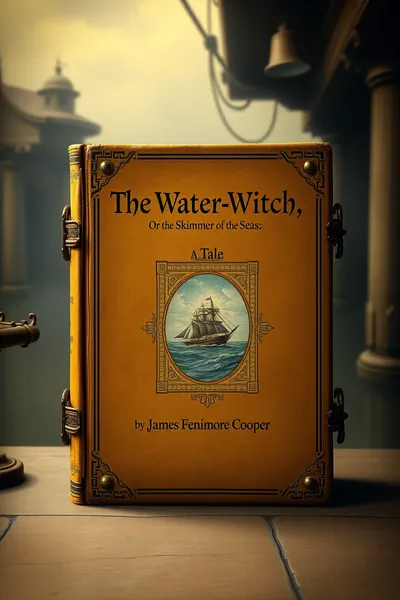
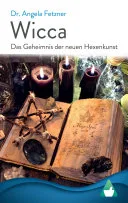
Wicca - Das Geheimnis der neuen Hexenkunst
 76
76

Wicca - Das Geheimnis der neuen Hexenkunst
Dr. Fetzner's "Wicca - Das Geheimnis der neuen Hexenkunst" offers a clear, grounded introduction to a spiritual path often shrouded in misunderstanding. The strength of this work lies in its methodical approach, presenting Wicca as a contemporary religious expression rather than a relic of antiquity. Fetzner avoids sensationalism, focusing instead on the practical and philosophical underpinnings of the Craft. A particular passage detailing the ethical considerations of spellcasting, emphasizing intention and consequence, stands out for its lucidity. However, the book's relatively brief treatment of historical Wiccan figures like Gerald Gardner, while perhaps intentional to focus on the 'new witchcraft,' leaves a desire for deeper biographical context for those interested in the movement's genesis. Ultimately, it serves as a competent, accessible primer for the uninitiated.
📝 Description
76
Dr. Angela Fetzner's book distinguishes Wicca as a modern spiritual movement, not an ancient lineage.
Dr. Angela Fetzner's "Wicca - Das Geheimnis der neuen Hexenkunst" examines Wicca as a contemporary spiritual path rather than an unbroken ancient tradition. The book details its origins and development, emphasizing its roots in historical practices and modern interpretations. Fetzner outlines the core principles that shape Wicca, focusing on a deep connection to nature and the natural cycles of existence. It clarifies the distinct tenets that define this religion, setting it apart from older or unrelated esoteric systems.
This work is aimed at individuals interested in modern witchcraft and spirituality rooted in nature. It serves as an introduction for those curious about Wicca, respecting its recent evolution. Readers drawn to spiritualities that value ecological balance, personal growth, and ritual will find this a useful guide. The book places Wicca within the context of 20th-century esoteric revivals, acknowledging older folk magic while stressing Wicca's unique identity as a religious path that solidified after World War II. It addresses discussions about Wicca's origins and authenticity, contrasting it with earlier pagan revivals and occult groups.
This book situates modern Wicca within the broader currents of 20th-century esoteric and neo-pagan revivals. While drawing from older folk magic and ceremonial traditions, Fetzner highlights Wicca's distinct formation as a religious system, particularly in the post-war period. It engages with the ongoing conversation about the historical authenticity and development of contemporary witchcraft, differentiating it from earlier occult orders and pagan movements. The work clarifies Wicca's unique theological and practical structure.
💡 Why Read This Book?
• Gain a structured understanding of Wicca's core principles, including the concept of the Wheel of the Year, which Dr. Fetzner details as central to its practice, offering a framework for aligning with natural cycles. • Learn about the ethical considerations inherent in Wiccan magic, such as the Rede, providing insight into responsible spiritual practice that balances personal will with natural law. • Discover the modern spiritual movement's emphasis on nature and balance, as explored in the book, which can inform your own relationship with the environment and ecological consciousness.
⭐ Reader Reviews
Honest opinions from readers who have explored this book.
❓ Frequently Asked Questions
Is "Wicca - Das Geheimnis der neuen Hexenkunst" about ancient witchcraft?
No, Dr. Fetzner's work positions Wicca as a modern spiritual movement that emerged in the 20th century, drawing inspiration from older traditions but distinct in its contemporary expression and focus on nature-based spirituality.
What is the significance of the 'new Hexenkunst' in the title?
The phrase 'new Hexenkunst' (new witchcraft) highlights that the book focuses on the modern, evolving form of Wicca, distinguishing it from historical or folkloric witchcraft and emphasizing its contemporary spiritual relevance.
Does the book explain Wiccan rituals?
Yes, the book explores key Wiccan practices and rituals, explaining their purpose within the context of connecting with nature, celebrating seasonal festivals (like those of the Wheel of the Year), and personal spiritual development.
Who is Dr. Angela Fetzner?
Dr. Angela Fetzner is the author of 'Wicca - Das Geheimnis der neuen Hexenkunst'. Her academic background likely informs the structured and analytical approach taken in presenting the subject matter.
Is this book suitable for beginners interested in Wicca?
Absolutely. The book is designed to provide a clear introduction to Wicca's beliefs, practices, and ethical framework, making it an accessible starting point for those new to the subject.
What does the book say about Wicca's connection to nature?
A central theme is Wicca's profound spiritual connection to the natural world. The book explains how this connection informs rituals, ethics, and the overall worldview of modern Wiccans, emphasizing harmony and balance.
🔮 Key Themes & Symbolism
Modern Nature Spirituality
The work emphasizes Wicca as a contemporary spiritual path deeply rooted in reverence for nature. It details how Wiccans observe the cycles of the seasons, the elements, and the celestial bodies, integrating these observations into their spiritual practice. This connection is presented not merely as aesthetic appreciation but as a fundamental principle for understanding divinity and one's place within the cosmos, contrasting with more anthropocentric religious traditions.
The Wheel of the Year
Central to Wiccan practice, the Wheel of the Year is presented as a framework for spiritual understanding and ritual. Dr. Fetzner explains how this concept, representing the annual cycle of seasons and festivals from Samhain to Mabon, provides a structure for celebrating life, death, and rebirth. It serves as a potent symbol of cosmic order and natural rhythm, guiding adherents in their spiritual journey throughout the year.
Ethical Magic and Intent
The book addresses the practice of magic within Wicca, focusing on its ethical dimensions. It highlights the principle of acting in harmony with natural laws and the importance of intent. Concepts like the Wiccan Rede are explored, underscoring a philosophy of responsible action where harm is avoided and positive energy is cultivated, reflecting a nuanced approach to power and its application.
Duality and Balance
Fetzner discusses the concept of divine duality, often embodied by the God and Goddess, as a core tenet of Wiccan theology. This represents a balance of masculine and feminine energies, integral to the natural world's cycles. The pursuit of balance extends beyond the divine to encompass personal well-being and the relationship between humanity and the environment, promoting a holistic spiritual outlook.
💬 Memorable Quotes
Direct passages from the work, attributed to the author.
“Wicca is a modern form of witchcraft, based on old traditions, practices, and wisdom.”
— This statement highlights the book's central thesis: Wicca's identity as a contemporary spiritual movement that synthesizes historical influences with present-day needs and understanding, rather than claiming direct, unbroken ancient lineage.
“In Wiccan magic, it is about living and acting in accordance with nature.”
— This interpretation focuses on the practical application of Wiccan philosophy, suggesting that its magical practices are not about imposing one's will upon nature, but about aligning with its inherent rhythms and forces.
“Wicca brings ancient, secret knowledge into the modern era.”
— This highlights the perceived value and esoteric nature of Wiccan teachings, suggesting that the tradition offers profound wisdom accessible to contemporary seekers who are ready to engage with its mysteries.
💡 Key Ideas
Editorial paraphrase of the work's core concepts — not direct quotes.
Wicca is based on a connection with nature, spiritualism, and maintaining the balance between life and nature.
This paraphrased concept underscores the ecological and spiritual core of Wicca as presented in the text, emphasizing its focus on harmonious coexistence with the natural world and the interconnectedness of all life.
The spiritual development in Wicca involves understanding and working with natural energies.
This paraphrased concept points to the developmental aspect of Wiccan spirituality, framing it as a process of learning to perceive and engage with the energetic forces present in the environment and within oneself.
🌙 Esoteric Significance
Tradition
Wicca, as presented in this work, aligns with modern Neopaganism and draws from Western esoteric traditions, particularly Hermeticism and ceremonial magic, albeit in a significantly adapted form. It departs from strict Hermeticism by emphasizing immanent divinity (the God and Goddess within nature) over transcendence and by focusing on ritual practice rooted in natural cycles rather than complex angelic hierarchies. Its spiritual lineage is more accurately traced to 20th-century revivalist movements seeking to reconnect with pre-Christian European nature-based spirituality.
Symbolism
Key symbols explored include the Pentacle, representing the five elements (Earth, Air, Fire, Water, Spirit) and protective energies, and the Horned God, embodying wild nature, fertility, and the masculine divine principle. The Wheel of the Year itself functions as a potent symbolic map of life, death, and rebirth, governing seasonal rituals and representing the continuous flow of cosmic time and transformation.
Modern Relevance
Contemporary Wiccan practitioners and related Neopagan movements continue to draw upon the foundational principles outlined in works like Fetzner's. Thinkers and authors focusing on ecospirituality, earth-centered activism, and feminist theology often find resonance in Wicca's nature-centric worldview and its emphasis on the divine feminine. Its accessible ritual structures and ethical framework make it a continuing point of reference for those seeking nature-based spiritual alternatives.
👥 Who Should Read This Book
• Aspiring practitioners of modern witchcraft seeking a clear, structured introduction to Wiccan beliefs and practices. • Students of comparative religion interested in the development and tenets of 20th and 21st-century esoteric movements. • Individuals drawn to nature-based spirituality and seeking to understand a path that emphasizes ecological harmony and cyclical living.
📜 Historical Context
Published in 2020, Dr. Angela Fetzner's work arrives at a moment when Wicca has long been established as a significant modern pagan religion, distinct from its 20th-century origins. Its emergence post-World War II, particularly through figures like Gerald Gardner, marked a departure from earlier occult revivals focused on ceremonial magic or Theosophy. While Gardner's influence and the establishment of covens in the 1950s are foundational, Fetzner's focus on the 'new Hexenkunst' suggests an engagement with contemporary expressions of the Craft, potentially distancing it from earlier, more secretive iterations. The book implicitly addresses the ongoing scholarly debate regarding the historical accuracy of Wicca's claimed ancient roots versus its status as a modern religious invention, a discourse notably engaged by authors like Ronald Hutton in his critical analyses of paganism.
📔 Journal Prompts
Reflect on the concept of the Wheel of the Year and its representation of natural cycles.
Consider the Wiccan principle of living and acting in accordance with nature.
Explore the balance between the divine masculine and feminine as presented in the book.
How does the emphasis on 'secret knowledge' in the title relate to personal spiritual discovery?
Analyze the ethical implications of magic as described in the text.
🗂️ Glossary
Wicca
A modern, nature-based spiritual path and witchcraft tradition that emerged in the 20th century, characterized by reverence for nature, the divine in dual aspects (God and Goddess), and ritual practices aligned with seasonal cycles.
Hexenkunst
A German term translating to 'witchcraft' or 'art of the witch.' In the context of the book, it specifically refers to the modern practices and spiritual system of Wicca.
Wheel of the Year
The Wiccan calendar marking eight seasonal festivals (Sabbats) that celebrate the cycles of nature and the Earth's journey around the sun, symbolizing life, death, and rebirth.
Rede
A central ethical guideline in Wicca, often summarized as 'An it harm none, do what ye will,' emphasizing personal responsibility and the avoidance of harm in actions and magical workings.
Sabbats
The eight major festivals celebrated in Wicca, marking significant points in the Wheel of the Year, such as Yule, Imbolc, Beltane, Lammas, and the equinoxes and solstices.
Covens
Groups of Wiccans who practice together, typically led by a High Priestess and High Priest. They share knowledge, perform rituals, and support each other's spiritual development.
Pentacle
A five-pointed star, often enclosed within a circle, used in Wicca as a symbol of the five elements (Earth, Air, Fire, Water, Spirit) and as a protective charm or ritual tool.





![D. [i. e., Doktor] Balthasar Bekkers reformierten Predigers in Amsterdam bezauberte Welt. ... 1781: Vol 3 Iss 81](/img/thumb/d-i-e-doktor-balthasar-bekkers-reformierten-predigers-in-amsterdam-bezauberte-welt-1781-vol-3-iss-81-bekker-balthasar-1634-1698.webp)