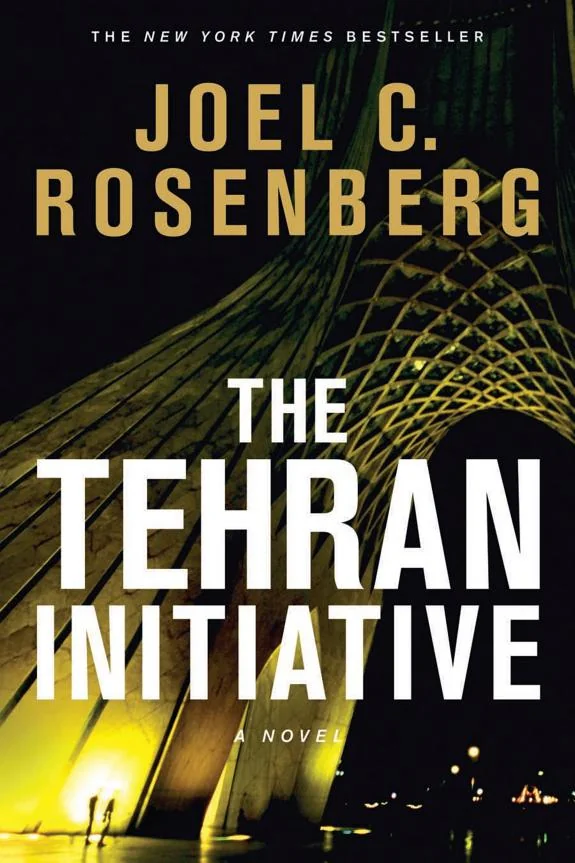
The Tehran Initiative
 71
71

The Tehran Initiative
Rosenberg constructs a scenario that feels unnervingly plausible, a testament to the anxieties surrounding Iran's nuclear ambitions in the early 2010s. The pacing is relentless, mirroring the ticking clock of a potential nuclear launch. David Shirazi, though a familiar archetype of the resolute operative, carries the weight of the mission effectively. A notable strength lies in the author's detailed depiction of intelligence gathering and the operational challenges faced by Shirazi’s team, particularly their efforts to infiltrate Iranian facilities under intense surveillance. However, the narrative occasionally leans into predictable plot devices, and some character motivations, especially among secondary antagonists, could benefit from greater nuance. The climax, while tense, resolves with a degree of convenience that slightly undercuts the preceding build-up. Nevertheless, *The Tehran Initiative* delivers a gripping, if at times conventional, political thriller.
📝 Description
71
Joel C. Rosenberg’s 2012 novel imagines a covert US mission to stop Iran’s nuclear program.
The Tehran Initiative, published in 2012, centers on a fictional scenario where the United States must prevent Iran from obtaining nuclear weapons. The story follows CIA operative David Shirazi as he leads a team on a secret operation to disable Iran's nuclear capabilities before a potential first strike by Iran against Israel. The novel is set against the backdrop of intense international concern over Iran's uranium enrichment and the possibility of military conflict.
Rosenberg’s work appeals to readers interested in international espionage, geopolitical strategy, and the potential fallout of nuclear proliferation. It draws parallels to the works of authors like Tom Clancy and Robert Ludlum, focusing on plausible intelligence operations and the high-stakes environment of global power dynamics. The narrative examines the complexities of Middle Eastern politics and the strategies employed in nuclear deterrence.
While not explicitly esoteric in the tradition of mysticism or occultism, this novel engages with themes of foreknowledge and societal destiny common in certain esoteric narratives. It frames current geopolitical events as part of a larger, unfolding drama with potentially apocalyptic consequences, a trope that resonates with apocalyptic literature and eschatological thought. The focus on clandestine operations and the manipulation of global events by hidden actors can also be seen as a secularized form of conspiracy narratives that often have roots in esoteric traditions.
💡 Why Read This Book?
• Learn about the intricate operational planning required for covert missions, as depicted through David Shirazi's team’s efforts to sabotage Iran's nuclear program, mirroring real-world intelligence challenges. • Understand the geopolitical tensions surrounding Iran’s nuclear activities in the early 2010s, exploring themes of deterrence and pre-emptive strikes as presented in the book’s 2012 context. • Experience the high-stakes pressure of preventing a nuclear conflict, feeling the urgency of the race against time as Iran and Israel stand on the brink of war.
⭐ Reader Reviews
Honest opinions from readers who have explored this book.
❓ Frequently Asked Questions
What is the central conflict in Joel C. Rosenberg's The Tehran Initiative?
The central conflict revolves around a covert CIA operation led by David Shirazi to sabotage Iran's nuclear warheads before either Iran or Israel can launch a devastating first strike, set against the tense geopolitical backdrop of 2012.
Who is David Shirazi in The Tehran Initiative?
David Shirazi is the protagonist and a CIA operative tasked with leading a critical mission to neutralize Iran's nuclear capabilities, navigating extreme danger and complex political pressures.
What historical period does The Tehran Initiative reflect?
The novel reflects the geopolitical climate of 2012, a time marked by significant international concern over Iran's nuclear program and the potential for conflict in the Middle East.
What themes are explored in The Tehran Initiative?
The book explores themes of nuclear deterrence, pre-emptive strikes, international espionage, covert operations, and the ethical dilemmas faced by intelligence agencies in preventing global catastrophe.
Is The Tehran Initiative based on real events?
While a work of fiction, the novel draws heavily on the real-world geopolitical tensions and concerns surrounding Iran's nuclear program that were prominent around its 2012 publication.
What is the primary goal of the mission in The Tehran Initiative?
The primary goal is to locate and disable Iran's nuclear warheads, thereby preventing a catastrophic first strike that could be initiated by either Iran or Israel.
🔮 Key Themes & Symbolism
Nuclear Brinkmanship
The work meticulously details the precarious balance of power and the escalating tensions surrounding Iran's nuclear program, a significant concern in 2012. It examines the concept of mutually assured destruction and the terrifying possibility of a pre-emptive strike by either Iran or Israel. The narrative forces readers to consider the extreme measures nations might take when facing an existential threat, highlighting the psychological and strategic pressures involved in such a high-stakes geopolitical standoff.
Covert Operations and Espionage
Central to the plot is the intricate execution of a covert mission by CIA operative David Shirazi and his team. The book offers a glimpse into the world of intelligence gathering, infiltration, and sabotage, emphasizing the immense risks and the sophisticated planning required to operate undetected in hostile territory. It explores the ethical grey areas and the personal toll on operatives tasked with preventing global conflict through clandestine means.
Geopolitical Strategy and Deterrence
The Tehran Initiative dissects the strategic calculations of global powers concerning nuclear proliferation. It studies the theories of deterrence, exploring how the possession of nuclear weapons influences international relations and military planning. The narrative presents a scenario where traditional diplomatic channels have failed, necessitating unconventional and dangerous interventions to maintain regional and global stability.
The Human Element in Crisis
Beyond the grand strategies and political machinations, the novel grounds itself in the human experience of crisis. It portrays the immense pressure on individuals like David Shirazi, who are tasked with making life-or-death decisions under duress. The book examines the courage, sacrifice, and moral compromises that individuals face when caught in the crosshairs of international conflict and covert operations.
💬 Memorable Quotes
Direct passages from the work, attributed to the author.
“The president orders the team to track down and sabotage Iran's nuclear warheads.”
— This directive expresses the core mission, highlighting the extreme measures authorized by the US government in response to an imminent nuclear threat and the perceived failure of diplomacy.
“Iran or Israel can launch a devastating first strike.”
— This phrase underscores the volatile nature of the situation, portraying a scenario where either nation might initiate nuclear conflict, thereby setting the urgent and terrifying stakes for the protagonists.
“Few viable options left.”
— This statement communicates the desperation and the narrow window of opportunity for intervention, emphasizing that the covert mission is a last resort in a complex and dangerous geopolitical landscape.
“CIA operative David Shirazi and his team.”
— This identifies the key players and their agency, framing the narrative around a specialized intelligence unit tasked with a critical, high-risk operation against a formidable adversary.
“With the stakes high.”
— This opening sets the tone for the entire novel, immediately establishing the gravity of the situation and the profound consequences of failure for global security.
🌙 Esoteric Significance
Tradition
While not overtly esoteric, *The Tehran Initiative* engages with themes that echo certain Gnostic or Manichaean dualisms – the struggle between forces of light and darkness, order and chaos, particularly in the context of global security. The narrative’s focus on hidden threats and clandestine operations to avert destruction can be interpreted through a lens of confronting hidden 'demiurgic' forces that seek to destabilize the world order. It explores the idea of active intervention to prevent apocalyptic outcomes, a concept found in various esoteric traditions concerned with cosmic battles and the safeguarding of humanity.
Symbolism
The nuclear warhead itself serves as a potent symbol of ultimate destruction, representing the unleashed destructive potential of unchecked ambition or primal forces. Iran, as a location, carries historical and symbolic weight, often associated in Western imagination with ancient empires and esoteric lore, here representing a nexus of modern geopolitical threat. The act of 'sabotage' can be seen as a symbolic attempt to de-fang or neutralize a malevolent force before it can manifest its full destructive power, akin to an alchemical process of transmuting destructive energy into inertness.
Modern Relevance
Contemporary thinkers and practitioners in fields like strategic studies and geopolitical risk analysis might find the novel’s depiction of nuclear deterrence and pre-emptive strike doctrines relevant. While not directly theological, its exploration of humanity's capacity for self-destruction and the high-stakes decision-making in crisis situations can inform discussions on existential risk management. The focus on covert action and the shadowy influence of state actors in global affairs continues to resonate with modern concerns about cyber warfare and asymmetrical conflicts.
👥 Who Should Read This Book
['• Readers interested in geopolitical thrillers: Those who enjoy fast-paced narratives focused on international espionage, military strategy, and the intricacies of global power dynamics will find this book compelling.', "• Students of contemporary history and security: Individuals seeking to understand the anxieties and specific concerns surrounding Iran's nuclear program around 2012 will benefit from the novel's contextualization.", '• Fans of intelligence-based fiction: Readers who appreciate detailed accounts of covert operations, clandestine missions, and the challenges faced by intelligence operatives will find the plot engaging.']
📜 Historical Context
Published in May 2012, Joel C. Rosenberg's *The Tehran Initiative* arrived amidst a period of heightened global anxiety regarding Iran's nuclear program. International bodies, including the UN Security Council, were actively engaged in debates and imposing sanctions aimed at curbing Iran's uranium enrichment activities. The geopolitical climate was charged with the potential for conflict, with both Iran and Israel issuing threats and engaging in military posturing. This context of escalating tensions and the perceived failure of diplomatic efforts made the novel's premise of a covert operation to neutralize nuclear threats feel particularly urgent and relevant. Contemporaries like Brad Thor were also exploring similar themes of international terrorism and state-sponsored aggression. The work taps into the specific fears and strategic calculations prevalent in 2012, a year marked by intense diplomatic maneuvering and covert actions related to nuclear proliferation.
📔 Journal Prompts
David Shirazi's mission to sabotage Iran's nuclear warheads.
The concept of a 'devastating first strike' between Iran and Israel.
The geopolitical pressures leading to the 'few viable options left' scenario.
The role of CIA operative David Shirazi in the face of global threat.
The implications of Iran's nuclear program in the 2012 context.
🗂️ Glossary
Nuclear Warhead
A high-explosive device designed to be detonated by a nuclear reaction, capable of immense destruction. In the context of the book, these represent the ultimate threat Iran possesses.
First Strike
A surprise, pre-emptive attack on an adversary's military forces or infrastructure, often nuclear, intended to cripple their ability to retaliate.
Covert Operation
A secret activity undertaken by a government agency, especially a military or intelligence organization, designed to influence political, economic, or military conditions abroad.
Deterrence
The use of the threat of retaliation to prevent an adversary from taking hostile action, particularly nuclear action.
CIA Operative
An agent or employee of the Central Intelligence Agency (CIA) of the United States, involved in espionage, intelligence gathering, and covert actions.
Iran's Nuclear Program
The series of nuclear research and development projects undertaken by Iran, which became a significant international concern due to fears of weaponization.
Geopolitical
Relating to politics, especially international relations, as influenced by geographical factors.
This book appears in 1 collection
🔮 Readers Also Liked
Browse all →









From the “Prophecy” Collection
View all →





More Free Occult Philosophy Books
View all →