The Tarot Café, Vol. 1
 76
76

The Tarot Café, Vol. 1
Sang-sŏn Pak’s The Tarot Café, Vol. 1 presents a refreshing narrative approach to the Rider-Waite-Smith inspired Tarot imagery. The strength of this volume lies in its ability to imbue familiar card archetypes with relatable human struggles and desires, particularly through the character of Madam Zora, the enigmatic café owner. Pak’s artwork, while initially appearing simple, effectively conveys the emotional weight of each situation. A notable limitation, however, is the episodic nature of the early chapters, which sometimes leaves character arcs feeling somewhat truncated. The sequence involving the Fool and the Magician, where seemingly chance encounters in the café lead to profound shifts in perspective, exemplifies the series’ potential. The Tarot Café, Vol. 1 offers a charming, if occasionally uneven, introduction to a unique way of exploring Tarot symbolism through fiction.
📝 Description
76
Sang-sŏn Pak reimagined Tarot archetypes in a contemporary comic series starting in 2002.
The Tarot Café, Vol. 1 introduces readers to a mysterious establishment where the Tarot cards influence the lives of its patrons. The series follows characters who encounter the Tarot, often guided by the proprietor, Madam Zora. Pak uses these encounters to illustrate the symbolic meanings of the cards as they appear in everyday situations, merging the ordinary with the mystical.
This first volume establishes the main characters and the unique atmosphere of the café. It sets the stage for explorations into fate, personal choice, and the process of self-discovery. The narrative focuses on the Tarot as a symbolic language, rather than solely a tool for fortune telling, with each card's archetype playing a role in the unfolding stories.
First published in 2002, The Tarot Café, Vol. 1 emerged as graphic novels gained recognition for their narrative depth. While the Tarot has roots in the 15th century, Pak's work places these ancient symbols in a modern, urban context. This approach aligns with a late 20th and early 21st century trend in esoteric studies that sought to integrate mystical traditions into contemporary life and philosophical discussions, moving beyond purely historical interpretations.
💡 Why Read This Book?
• Gain a narrative understanding of Tarot archetypes beyond simple keywords, as seen in the "Chariot" card’s depiction of a character struggling with control and direction in their career, offering a fresh perspective on its meaning. • Experience the Tarot Café as a symbolic liminal space, a concept explored when characters like "The Hierophant" unexpectedly find themselves seeking solace and guidance within its walls, demonstrating its role as a crossroads. • Discover how modern, everyday situations are used to illustrate complex Tarot concepts, such as the "Ten of Swords" appearing in a character’s personal crisis, providing concrete, relatable examples for esoteric study.
⭐ Reader Reviews
Honest opinions from readers who have explored this book.
❓ Frequently Asked Questions
What is the original publication year of The Tarot Café, Vol. 1?
The Tarot Café, Vol. 1 was first published in 2002, introducing readers to the unique world of Madam Zora and her mystical establishment.
Who is the author of The Tarot Café, Vol. 1?
The author is Sang-sŏn Pak, a Korean artist who created this distinctive comic series.
What is the primary setting for The Tarot Café, Vol. 1?
The primary setting is a mysterious café run by Madam Zora, which serves as a hub for characters encountering the Tarot's influence.
Does The Tarot Café, Vol. 1 focus on traditional Tarot readings?
While inspired by Tarot, the volume focuses on narrative interpretations of card archetypes within fictional scenarios, rather than traditional divinatory readings.
What are the main themes explored in The Tarot Café, Vol. 1?
The volume explores themes of fate, destiny, choice, self-discovery, and the symbolic language of the Tarot as it applies to modern life.
Is this book suitable for beginners to the Tarot?
Yes, its narrative format and character-driven stories make it an accessible introduction to Tarot symbolism for those new to the subject.
🔮 Key Themes & Symbolism
Archetypes in Modern Life
The series reinterprets classic Tarot archetypes, such as The Magician, The Empress, and The Chariot, not as abstract concepts but as energies influencing relatable characters. For instance, a character exhibiting traits of The Emperor might be a stern, career-driven individual whose life is examined within the café's walls. This approach grounds the esoteric symbolism in everyday human experiences, showing how these archetypal forces play out in contemporary settings like workplace dynamics, personal relationships, and internal conflicts, making the wisdom of the cards accessible and relevant.
Fate vs. Free Will
A central tension in The Tarot Café, Vol. 1 revolves around the interplay between predetermined destiny and individual agency. Characters often find themselves at a crossroads, seemingly guided by the Tarot's influence, yet their choices within the café's unique atmosphere ultimately shape their outcomes. The narrative explores whether events are inevitable or if understanding the archetypal patterns allows for conscious redirection. This philosophical inquiry is woven through character interactions, questioning the extent to which our lives are scripted versus self-directed.
The Tarot Café as Liminal Space
The titular Tarot Café serves as more than just a setting; it functions as a liminal space—a threshold between different states of being, awareness, or destiny. It is a place where individuals seeking answers or solace encounter the symbolic language of the Tarot, often facilitated by the enigmatic Madam Zora. This concept of a transitional zone highlights the Tarot's role as a guide through life's passages, suggesting that understanding these archetypal energies within such a space can illuminate paths forward and facilitate personal transformation.
Symbolic Storytelling
Sang-sŏn Pak utilizes the visual language of comics to explore the symbolic meanings of the Tarot. Each card's imagery is translated into narrative scenarios and character archetypes, allowing readers to grasp esoteric concepts through engaging stories. The series demonstrates how visual art can serve as a powerful medium for conveying complex philosophical and spiritual ideas, making the often-abstract world of Tarot symbolism tangible and emotionally resonant for a broad audience. This approach emphasizes the narrative power inherent in Tarot imagery.
💬 Memorable Quotes
Direct passages from the work, attributed to the author.
“Madam Zora's café is a place where paths cross.”
— This statement expresses the series' core premise: the café is a nexus point where individuals, each on their own journey, converge. It suggests that encounters within this space are not coincidental but are orchestrated by a larger symbolic or karmic flow, setting the stage for the Tarot's influence.
“The Fool's leap is not always into the unknown, but sometimes into understanding.”
— This interpretation reframes the Fool archetype. Instead of a naive jump into chaos, it suggests a conscious step toward enlightenment or self-awareness, facilitated by the insights gained from the Tarot's symbolic language within the café's unique environment.
“Every card has a story, and every story has a card.”
— This highlights the interconnectedness of narrative and symbolic representation in the series. It implies that life events can be understood through the lens of Tarot archetypes, and conversely, that each Tarot card holds a narrative lesson waiting to be discovered and applied.
“The café is a mirror for the soul.”
— This suggests that the encounters and revelations within the Tarot Café are not external events but reflections of the characters' inner states, desires, and unresolved issues, brought to the surface by the symbolic energies at play.
💡 Key Ideas
Editorial paraphrase of the work's core concepts — not direct quotes.
Choice is the strongest magic.
This quote emphasizes the theme of free will within the context of fate. While the Tarot may reveal potentials or destinies, the ultimate power resides in the individual's choices, suggesting that awareness of symbolic patterns empowers one to act deliberately and shape their future.
🌙 Esoteric Significance
Tradition
The work draws implicitly from the Western esoteric tradition, particularly its utilization of the Tarot as a symbolic map of consciousness and the psyche. While not strictly adhering to Hermetic or Kabbalistic frameworks, it engages with the archetypal language popularized by figures like A.E. Waite and Pamela Colman Smith in their iconic deck. Pak's approach can be seen as a modern, narrative manifestation of the idea that Tarot cards represent universal psychological patterns and life stages, a concept explored in various esoteric lineages seeking to connect ancient wisdom with modern understanding.
Symbolism
Key symbols include Madam Zora, representing an enigmatic guide or oracle figure, akin to the High Priestess or a modern Sibyl, who facilitates encounters with destiny. The Tarot Café itself functions as a liminal space, a threshold where the mundane world intersects with the symbolic realm, much like a temple or sacred grove in older traditions. The individual Tarot cards, depicted through their archetypal characters and situations, serve as focal points for exploring themes of personal growth, challenges, and spiritual awakening within the narrative.
Modern Relevance
The Tarot Café, Vol. 1 remains relevant today as interest in the Tarot continues to expand beyond divination into psychological and narrative exploration. Contemporary practitioners and thinkers in fields like Jungian psychology and archetypal studies find value in its visual and storytelling approach to understanding the psyche. The series' ability to translate esoteric symbols into accessible, character-focused narratives makes it a valuable resource for modern readers seeking to integrate ancient wisdom into their personal development and understanding of the human condition.
👥 Who Should Read This Book
• Aspiring Tarot enthusiasts seeking narrative context for card meanings, moving beyond rote memorization to understand archetypes through character interactions. • Fans of character-driven graphic novels interested in stories that subtly explore themes of fate, destiny, and personal growth. • Individuals exploring Western esoteric traditions who appreciate contemporary artistic interpretations of ancient symbolic systems.
📜 Historical Context
The Tarot Café, Vol. 1, released in 2002, emerged in a landscape where graphic novels were gaining critical recognition beyond niche audiences, exemplified by works like Art Spiegelman's *Maus* (1991). Sang-sŏn Pak’s series contributed to this by presenting the Tarot, a subject often relegated to occult circles or New Age spirituality, through a sophisticated, character-driven narrative. This approach resonated with a growing interest in integrating esoteric traditions into contemporary philosophical and artistic discourse. Unlike purely academic studies of Tarot history or straightforward divinatory manuals, Pak’s work offered a fictional exploration of archetypal symbolism. Contemporary esoteric authors like Rachel Pollack were also exploring the Tarot's narrative and psychological dimensions, though Pak's visual medium offered a distinct avenue for engagement. The early 21st century saw a broader cultural curiosity about spirituality and self-discovery, making a fictionalized exploration of Tarot archetypes particularly timely.
📔 Journal Prompts
The encounter with The Magician in the café: how might its symbolism apply to your own skills?
Reflect on Madam Zora's role as a guide. What archetypes does she embody?
Consider the café as a liminal space. What personal thresholds are you currently navigating?
Analyze a character's interaction with The Lovers card. What does it reveal about relationship choices?
The depiction of The Tower: how can acknowledging disruptive potential lead to greater resilience?
🗂️ Glossary
Archetype
In this context, archetypes are universal, primal symbols or themes that represent fundamental human experiences and patterns of behavior, as depicted by the Tarot cards and characters in the series.
Liminal Space
A transitional or in-between state or place, such as the Tarot Café, where individuals are open to change, revelation, or a shift in their journey.
Madam Zora
The enigmatic proprietor of the Tarot Café, who serves as a guide or facilitator for characters encountering the Tarot's influence and symbolism.
The Fool
A Tarot archetype representing new beginnings, innocence, spontaneity, and the leap of faith. In the series, this archetype is explored through characters starting unforeseen paths.
The Magician
A Tarot archetype symbolizing skill, power, manifestation, and the conscious use of resources. Characters embodying this archetype often demonstrate resourcefulness or a mastery of their craft.
The Chariot
A Tarot archetype representing willpower, determination, control, and overcoming obstacles. Characters associated with this card often face challenges requiring strong resolve.
Symbolic Language
The use of symbols, images, and narratives to convey deeper meanings, often related to psychological, spiritual, or philosophical concepts, as employed throughout the Tarot Café series.
🔮 Readers Also Liked
Browse all →
More by Sang-sŏn Pak
All books →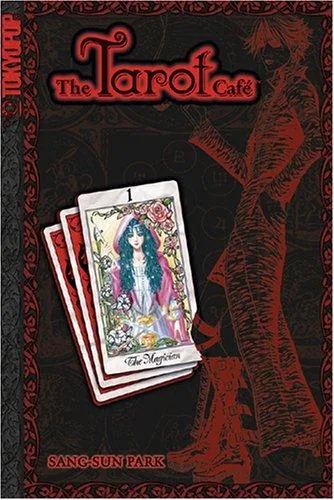
More Free Divination & Tarot Books
View all →