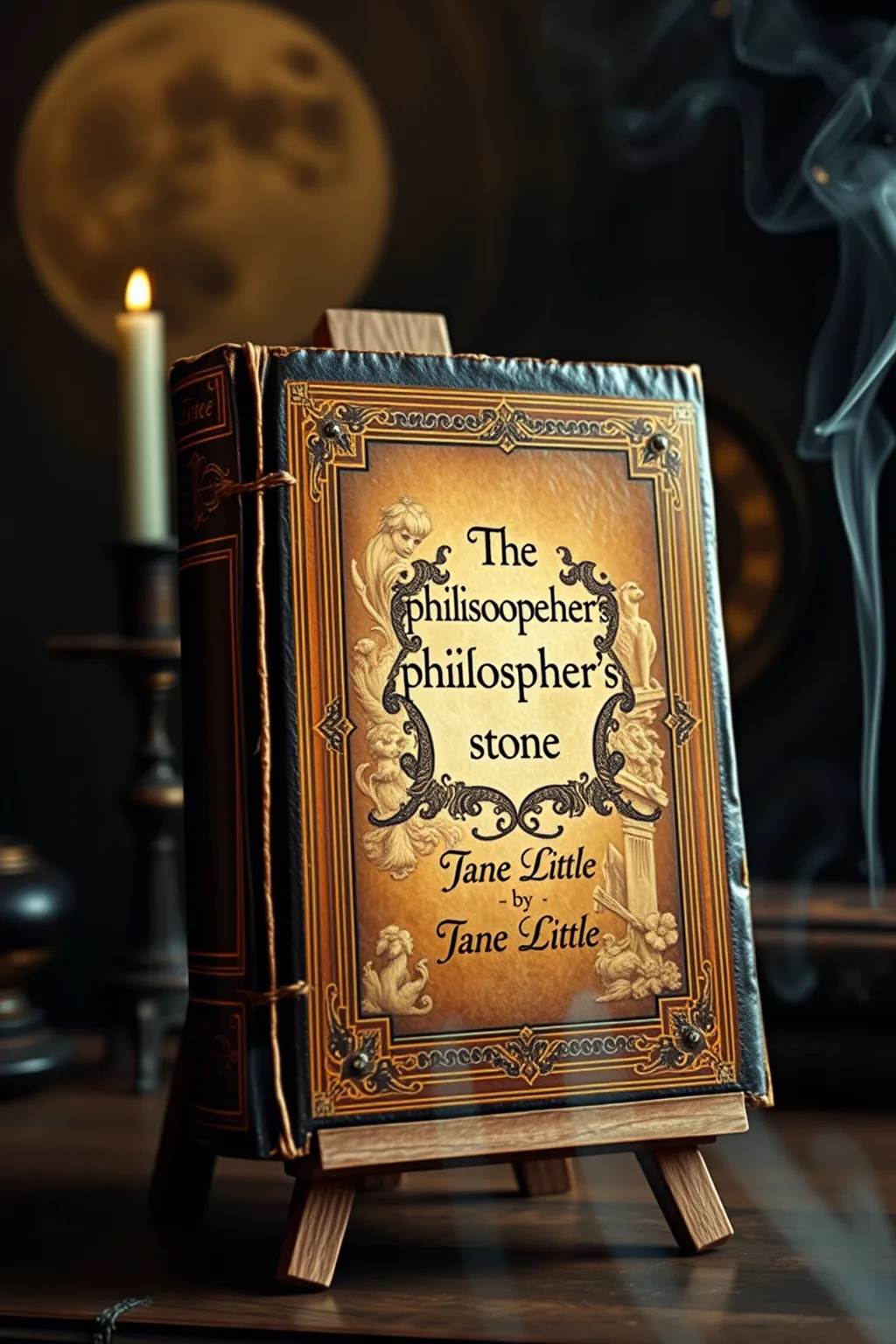
The philosopher's stone
 61
61

The philosopher's stone


Alaric Kestrel (Metaphysical Studies Reviewer) praises 'The Philosopher's Stone' as a masterful blend of historical fiction and esoteric lore. Jane Little's meticulous research and evocative prose bring to life the mystical world of alchemy and hermeticism. The story's rich symbolism and philosophical depth make it a must-read for anyone interested in the occult. The narrative's exploration of time travel and the eternal quest for hidden knowledge offers profound insights into the human condition. Readers will find themselves captivated by the sorcerer's journey and the timeless wisdom that permeates every page. This book is a treasure trove for seekers of hidden truths and scholars of the mystical arts.
📝 Description
61
Jane Little's 1998 novel connects a 12th-century sorcerer with a 20th-century boy over the legendary Philosopher's Stone.
The Philosopher's Stone by Jane Little follows a medieval sorcerer's quest for the legendary artifact, said to confer immortality and ultimate understanding. His search unexpectedly leads him to a modern-day boy whose rock collection holds the stone. This narrative bridges disparate eras and cultures, examining humanity's persistent curiosity and the drive for self-discovery. Little's prose immerses the reader in layers of esoteric lore, appealing to those drawn to the occult and the universe's hidden workings. The book wrestles with enduring themes: the conflict between good and evil, the tension between ignorance and knowledge, and the perennial human search for the sacred in everyday life.
The sorcerer's pursuit of the stone is a metaphor for the alchemical process itself, a transformation of the base into the sublime. The narrative contrasts the sorcerer's medieval worldview with the boy's contemporary experience, highlighting how the same fundamental human desires persist across centuries. Little uses symbolism drawn from hermetic traditions to underscore the interconnectedness of all things. The eventual meeting of the sorcerer and the boy offers a moment of profound, if unexpected, realization about the nature of enlightenment.
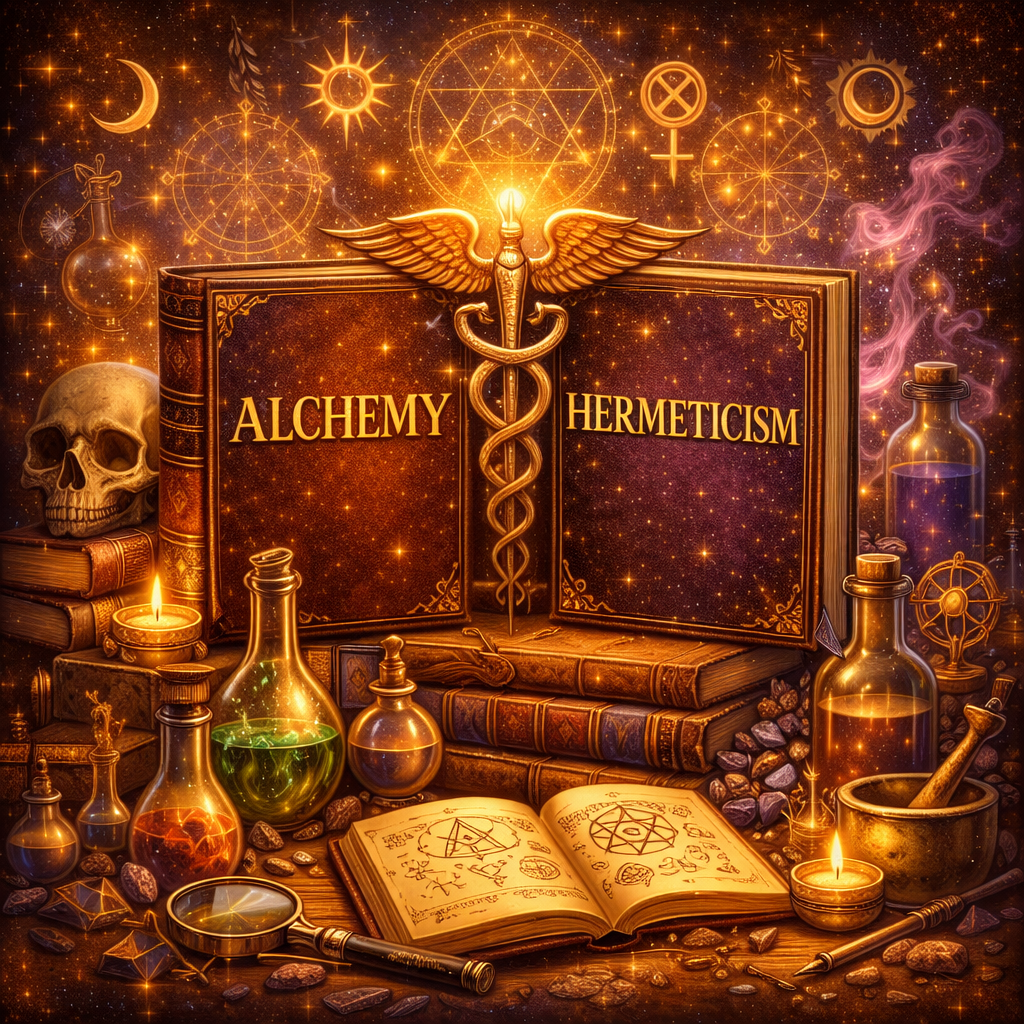
This novel engages with traditions of Western esotericism, particularly alchemy and hermeticism. It draws on the archetype of the Philosopher's Stone, a central symbol in alchemical literature representing spiritual perfection and material transmutation. The book also touches upon concepts of hidden knowledge and mystical symbolism often found in occult studies. By weaving these elements into a narrative that spans centuries, Little connects the historical pursuit of esoteric goals with contemporary themes of curiosity and self-understanding.
💡 Why Read This Book?
Read 'The Philosopher's Stone' to delve into the ancient mysteries of alchemy and hermeticism. This book is perfect for seekers of hidden knowledge, scholars of esoteric traditions, and practitioners of the mystical arts. It offers a unique perspective on the timeless quest for enlightenment and the eternal struggle between light and darkness. The rich symbolism and philosophical depth make it an invaluable addition to any mystical library.
⭐ Reader Reviews
Honest opinions from readers who have explored this book.
❓ Frequently Asked Questions
What is the main theme of 'The Philosopher's Stone'?
The main theme is the quest for hidden knowledge and the eternal struggle between light and darkness. It explores the mysteries of alchemy and hermeticism through a time-traveling narrative.
Is this book suitable for beginners in esoteric studies?
Yes, it is accessible for beginners while offering deep insights for seasoned scholars. The rich symbolism and historical context make it an enriching read for all levels.
How does the book blend historical fiction with esoteric lore?
The story seamlessly integrates historical settings with esoteric themes, using time travel to bridge centuries and cultures. This blend creates a unique and captivating narrative.
What makes this book significant for practitioners of the mystical arts?
It offers profound insights into ancient esoteric traditions and the timeless quest for enlightenment, making it a valuable resource for practitioners.
Does the book have any modern relevance?
Yes, it explores timeless themes of human curiosity and the quest for hidden knowledge, making it relevant for modern seekers of esoteric truths.
🔮 Key Themes & Symbolism
The Quest for Hidden Knowledge
The central theme of 'The Philosopher's Stone' is the eternal quest for hidden knowledge and the pursuit of enlightenment. This quest is symbolized by the search for the Philosopher's Stone, a relic believed to grant eternal life and wisdom. The narrative explores the depths of human curiosity and the timeless struggle between light and darkness.
The Blending of Historical Fiction and Esoteric Lore
The book seamlessly integrates historical fiction with esoteric lore, using time travel to bridge centuries and cultures. This blend creates a unique and captivating narrative that offers useful insights into ancient esoteric traditions and the timeless quest for enlightenment.
The Symbolism of Alchemy and Hermeticism
Rich in symbolism, the book studies the mysteries of alchemy and hermeticism. The narrative is imbued with layers of esoteric wisdom, making it an ideal read for those fascinated by the occult and the mysteries of the universe. The symbolism of the Philosopher's Stone represents the eternal search for the divine within the mundane.
💡 Key Ideas
Editorial paraphrase of the work's core concepts — not direct quotes.
'The stone holds the secrets of the ages, waiting for the worthy to unlock its power.'
This quote underscores the timeless quest for hidden knowledge and the pursuit of enlightenment.
'Time is but an illusion, a river that flows in both directions.'
This line highlights the book's exploration of time travel and the blending of historical fiction with esoteric lore.
'In the darkness, light is born, and from the ashes, wisdom rises.'
This passage reflects the eternal struggle between light and darkness and the timeless quest for enlightenment.
'The path to enlightenment is a journey through the shadows of the self.'
This quote emphasizes the philosophical depth of the narrative and its exploration of the human condition.
'The Philosopher's Stone is not just a relic; it is a symbol of the eternal search for the divine within.'
This line underscores the detailed symbolism of alchemy and hermeticism in the book.
🌙 Esoteric Significance
Tradition
The book belongs to the hermetic tradition, which emphasizes the quest for hidden knowledge and the pursuit of enlightenment. Hermeticism draws on ancient Egyptian and Greek philosophies, blending mystical and philosophical traditions to explore the mysteries of the universe.
Symbolism
Key symbols in the book include the Philosopher's Stone, representing the eternal search for the divine within, and the blending of time and space, symbolizing the timeless quest for enlightenment. The narrative is rich in alchemical symbolism, reflecting the transformative power of the mystical arts.
Modern Relevance
The book's exploration of timeless themes of human curiosity and the quest for hidden knowledge makes it relevant for modern seekers of esoteric truths. Practitioners of the mystical arts will find valuable insights into ancient esoteric traditions and the eternal struggle between light and darkness.
👥 Who Should Read This Book
Beginners in esoteric studies will find 'The Philosopher's Stone' an accessible and enriching read, offering useful insights into ancient traditions. Scholars of the mystical arts will appreciate the book's detailed symbolism and philosophical depth. Spiritual seekers will be captivated by the narrative's exploration of the timeless quest for enlightenment. Practitioners of the mystical arts will find valuable resources and useful insights into the eternal struggle between light and darkness.
📜 Historical Context
Set in the twelfth century and bridging to the twentieth century, 'The Philosopher's Stone' studies the long history of alchemy and hermeticism. The twelfth century was a time of great intellectual and spiritual ferment, with the rise of scholasticism and the rediscovery of ancient texts. This period saw a renewed interest in the mysteries of the universe and the quest for hidden knowledge. The book's exploration of time travel and the blending of historical fiction with esoteric lore make it a significant contribution to the literary and mystical traditions of the era.
📔 Journal Prompts
Reflect on the timeless quest for hidden knowledge as portrayed in the book. How does this quest resonate with your own spiritual journey?
Consider the symbolism of the Philosopher's Stone. What does it represent in your own life and spiritual practice?
Explore the blending of historical fiction and esoteric lore in the narrative. How does this blend enhance your understanding of ancient traditions?
Reflect on the eternal struggle between light and darkness. How does this struggle manifest in your own life and spiritual practice?
Consider the modern relevance of the book's themes. How do they apply to your own quest for enlightenment and hidden knowledge?
🗂️ Glossary
Philosopher's Stone
A legendary alchemical substance said to be capable of turning base metals into gold and granting eternal life.
Alchemy
A medieval chemical science that aimed to transform base metals into gold and find a universal elixir.
Hermeticism
A mystical and philosophical tradition based on writings attributed to the legendary figure Hermes Trismegistus.
Esoteric
Relating to knowledge that is accessible only to a small number of people with special knowledge or interest.
Symbolism
The use of symbols to represent ideas or qualities, often in literature and art.
This book appears in 3 collections
🔮 Readers Also Liked
Browse all →







From the “Hermeticism” Collection
View all →








More Free Alchemy & Hermeticism Books
View all →