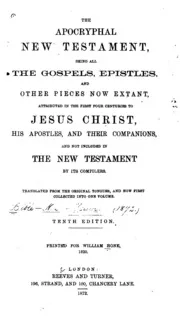
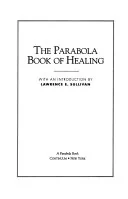
The Parabola Book of Healing
 84
84

The Parabola Book of Healing
Lawrence Sullivan’s 1993 compilation, The Parabola Book of Healing, offers a panoramic if somewhat uneven view of wellness. It’s commendable for gathering voices as disparate as poet John Donne and essayist Anatole Broyard to dissect what it means to be healthy. The strength lies in its breadth, showcasing how individuals grapple with illness and recovery across different eras and perspectives. A notable passage might be found in the reflections on Norman Cousins’s fight against pain, illustrating the power of attitude. However, the collection’s primary limitation is its lack of a singular, guiding voice; the disparate essays, while interesting individually, don't always cohere into a unified argument. The book serves as a valuable historical snapshot of evolving health discourse, but its 1993 publication date means some contemporary perspectives are absent. It’s a useful, though not definitive, resource for understanding the personal dimensions of health.
📝 Description
84
Published in 1993, The Parabola Book of Healing questions health as merely the absence of illness.
This collection gathers essays that view health as a dynamic state shaped by psychological, spiritual, and cultural elements. It moves past biological definitions to consider the human pursuit of well-being. The writings look at how individuals and communities seek health, often outside standard medical systems. It is for readers interested in the philosophy and sociology of health, especially those who question conventional medical ideas and want to grasp the wider context of healing. Those drawn to literary analysis of personal experiences with illness and recovery will find significant material.
The book reflects a cultural shift in the late 20th century toward accepting personal narratives in understanding health. This period saw growing interest in alternative medicine and holistic approaches. The anthology brings together voices that challenged a single, objective view of wellness, aligning with a broader movement toward personalized health experiences. It engages with ideas like the mind-body connection and the social construction of health.
The Parabola Book of Healing emerged during a period when interest in alternative medicine and holistic health was growing. It represents a departure from purely scientific or institutional pronouncements on wellness, embracing personal accounts and subjective experience. This aligns with traditions that view healing as an integrated process involving mental, emotional, and spiritual dimensions, rather than solely physical interventions. The book's approach echoes the broader esoteric interest in consciousness and its role in physical and mental states.
💡 Why Read This Book?
• Gain a historical perspective on the discourse of health and healing, exemplified by the 1993 publication date and the inclusion of writers like Norman Cousins, to understand evolving societal views. • Explore the impact of personal narrative on well-being, as seen in the diverse essays, to appreciate how individual stories shape our understanding of illness and recovery. • Examine the philosophical underpinnings of health beyond the purely physical, by engaging with thinkers who address psychological and spiritual dimensions, offering a more holistic framework.
⭐ Reader Reviews
Honest opinions from readers who have explored this book.
❓ Frequently Asked Questions
What is the original publication date of The Parabola Book of Healing?
The Parabola Book of Healing was first published on December 1, 1993. This date places it within a specific cultural period interested in holistic health and personal narratives.
Who are some of the key contributors to The Parabola Book of Healing?
The book features writings from notable individuals such as John Donne, Norman Cousins, Anatole Broyard, Joseph Bruchac, and Maya Deren, offering varied perspectives on health.
Does The Parabola Book of Healing focus solely on medical definitions of health?
No, it examines health broadly, including psychological, spiritual, and cultural influences, moving beyond purely biological or medical definitions to explore the human experience of wellness.
What makes this book relevant for esoteric readers?
Its exploration of the subjective and spiritual aspects of healing, and its compilation of diverse voices engaging with these themes, aligns with esoteric interests in consciousness and well-being.
Is The Parabola Book of Healing a single author's work?
No, it is an anthology, a collection of writings by various individuals curated by Lawrence Sullivan, rather than a single author's continuous narrative.
What historical period does the book reflect?
Published in 1993, the book reflects the late 20th-century intellectual climate, characterized by a growing interest in alternative health approaches and the significance of personal experience in understanding illness.
🔮 Key Themes & Symbolism
Narrative as Healing
This theme examines how personal stories and their telling become integral to the healing process. Contributors explore how framing illness and recovery through narrative can provide meaning, agency, and a path toward wholeness. The book suggests that the act of articulating one's experience, whether through writing or other forms of expression, possesses inherent therapeutic power, aligning with esoteric traditions that emphasize the spoken word and inner contemplation.
The Subjectivity of Health
Challenging purely objective medical metrics, this theme studies the personal, subjective experience of health and illness. It considers how individual perception, cultural background, and psychological states profoundly shape one's sense of well-being. The collection highlights that what constitutes 'health' is not universally defined but is deeply intertwined with a person's inner life and worldview, a concept central to many esoteric philosophies.
Holistic Approaches to Wellness
The book advocates for a view of health that encompasses mind, body, and spirit, moving beyond a reductionist medical model. It showcases efforts by various individuals and groups to foster well-being through practices that integrate physical, emotional, and spiritual dimensions. This holistic perspective appeals to esoteric traditions that view the human being as a complex energetic and spiritual entity, not merely a biological machine.
The Social Construction of Health
This theme investigates how societal norms, cultural beliefs, and group dynamics influence our understanding and pursuit of health. It looks at how communities and various groups actively define and encourage health, often through shared rituals, philosophies, or practices. The anthology touches upon how collective consciousness and shared meaning contribute to an individual's or group's overall state of being.
💬 Memorable Quotes
Direct passages from the work, attributed to the author.
“Health is not simply the absence of disease, but a state actively pursued.”
— This concept underscores the dynamic nature of well-being, framing it as an ongoing process and an intentional endeavor rather than a passive condition.
“The personal story of illness often contains its own form of wisdom.”
— This idea suggests that the experience of sickness can be a catalyst for profound personal growth and insight, revealing truths not apparent in states of health.
“Community efforts play a significant role in fostering individual health.”
— This highlights the interconnectedness of individuals within a social fabric, indicating that collective support and shared practices can enhance personal well-being.
“Cultural perceptions shape our very definition of what it means to be healthy.”
— This points to the influence of societal frameworks and beliefs on individual and collective understandings of health, suggesting that 'health' is partly a social construct.
“The mind's attitude can be a potent force in the face of physical suffering.”
— This interpretation emphasizes the power of psychological resilience and mental disposition, as exemplified by figures like Norman Cousins, in navigating illness.
🌙 Esoteric Significance
Tradition
While not strictly adhering to a single esoteric lineage, The Parabola Book of Healing taps into traditions that emphasize the holistic nature of the human being. Its focus on the mind-body-spirit connection aligns with Hermetic and Theosophical ideas that view individuals as complex energetic systems. The book’s exploration of subjective experience and meaning-making also echoes Gnostic and shamanic traditions, which prioritize inner wisdom and personal revelation in the journey toward wholeness.
Symbolism
The 'parabola' itself can be seen as a symbolic representation of a journey or a trajectory, suggesting a path of healing or transformation. The diverse voices within the book, acting as different points on this curve, symbolize the complex nature of health. Furthermore, the concept of 'health' as a dynamic state rather than a static endpoint can be interpreted through esoteric lenses as a continuous process of energetic alignment and spiritual evolution.
Modern Relevance
Contemporary movements in integrative medicine, mindfulness-based stress reduction (MBSR), and the burgeoning field of narrative therapy draw upon the principles explored in this book. Thinkers and practitioners who emphasize the patient's active role in their healing, the importance of subjective experience, and the integration of psychological and spiritual well-being continue to build upon the foundations laid by such collections. The book’s ideas remain relevant for those exploring the intersection of consciousness, culture, and physical health.
👥 Who Should Read This Book
• Individuals interested in the philosophical and psychological dimensions of health and illness, who seek to understand well-being beyond purely biological definitions. • Readers drawn to literary and personal essays that explore profound human experiences, particularly those related to sickness, recovery, and the search for meaning. • Students and practitioners of holistic health, comparative spirituality, and esoteric traditions looking for historical context and diverse perspectives on healing.
📜 Historical Context
Published in December 1993, The Parabola Book of Healing emerged from a cultural milieu increasingly receptive to holistic and alternative approaches to health. The late 20th century witnessed a growing dissatisfaction with purely biomedical models, leading to greater interest in the mind-body connection and the role of personal experience. This anthology reflects that shift, gathering voices that moved beyond conventional scientific discourse. It was a period where figures like Norman Cousins, whose writings on the power of laughter and positive attitude in combating illness gained prominence, represented a significant challenge to traditional medical authority. The book’s exploration of subjective experience and narrative aligns with broader intellectual currents, including the burgeoning fields of narrative medicine and the sociology of health, which sought to understand illness as a lived human experience. Its reception was within a growing community of readers interested in esoteric philosophy and alternative wellness practices.
📔 Journal Prompts
The subjective experience of health and its cultural construction.
Narrative as a tool for understanding personal illness and recovery.
The pursuit of health as an active, dynamic process.
Community's role in fostering individual well-being.
Exploring the interconnectedness of mind, body, and spirit in healing.
🗂️ Glossary
Holistic Health
An approach to wellness that considers the interconnectedness of physical, mental, emotional, and spiritual well-being, rather than focusing solely on the absence of disease.
Mind-Body Connection
The concept that the mind and body are not separate entities but are intimately linked, influencing each other's health and functioning through thoughts, emotions, and physical states.
Narrative Medicine
A field that emphasizes the importance of stories and narrative in understanding illness, healing, and the patient-physician relationship.
Subjective Experience
An individual's personal perception and interpretation of an event or state, as opposed to objective, verifiable facts.
Wellness
A state of optimal health, often viewed as an active process of making choices toward a healthy and fulfilling life, encompassing physical, mental, and spiritual aspects.
Social Construction of Health
The idea that our understanding of health and illness is shaped by social, cultural, and historical contexts, rather than being purely biological or objective.
Esoteric
Relating to or accessible only by a select group of people having special, knowledge or interest; occult or mystical.
This book appears in 1 collection
🔮 Readers Also Liked
Browse all →









From the “Sound Healing” Collection
View all →







More Free Sacred Texts & Gnosticism Books
View all →