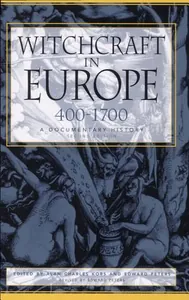
The Occult
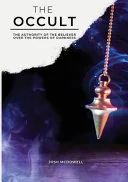
 75
75

The Occult
McDowell and Stewart's "The Occult" functions less as an objective analysis and more as a polemic from within a specific religious framework. The authors are direct in their intent: to warn Christians against what they perceive as dangerous spiritual deceptions. Their critique of astrology, for instance, is rooted in the second commandment's prohibition against idolatry, a valid theological point for their target audience. However, the book's limitation lies in its categorical dismissal of complex traditions and practices, often reducing them to monolithic threats without engaging with their internal nuances or historical developments. The assertion that "the key weapon in the battle against the dark powers must be the authority of the believer" encapsulates the book's directive, empowering its readership but potentially oversimplifying the challenges it outlines. For those seeking an unvarnished Christian perspective on esoteric subjects, it delivers, but academic or comparative religious study will find it wanting.
📝 Description
75
Published in 1992, Josh McDowell and Don Stewart's The Occult critiques spiritual practices from a Christian viewpoint.
The Occult, first published in 1992, examines various spiritual and esoteric practices through a Christian lens. The authors revise and update their work to address what they perceive as threats to Christian doctrine, including astrology, witchcraft, and Satanism. They frame these subjects not as neutral areas of inquiry but as spiritual dangers that require active discernment and defense by believers. The book is primarily intended for a Christian audience concerned with understanding and countering what the authors identify as negative occult influences. It speaks to individuals worried about the spiritual well-being of themselves and their communities, offering guidance on confronting these perceived forces. The work is aimed at those who accept the authority of Christian scripture and its application to current spiritual issues.
The book dissects topics such as astrology, viewing celestial influences as potentially idolatrous. Witchcraft is portrayed not as a nature-based spirituality but as a dangerous practice involving forbidden powers. Satanism is presented as the ultimate adversarial force against Christian faith. The central argument posits that a believer's faith and understanding of biblical authority are the primary defenses against these perceived negative spiritual forces. The book emerged in the early 1990s during a period of heightened public interest in New Age spirituality and alternative religions, reflecting a specific segment of Christian thought focused on spiritual conflict.
The Occult stands as an example of Christian apologetics engaging with esoteric and New Age phenomena that gained traction in the late 20th century. Unlike academic or sympathetic studies of occult traditions, this book approaches the subject from a position of theological opposition. It interprets practices like astrology and witchcraft not as independent spiritual paths but as manifestations of spiritual conflict, directly challenging their validity and posing them as threats to Christian belief. This perspective aligns with specific evangelical concerns about 'spiritual warfare' and the perceived influence of non-Christian spiritual forces.
💡 Why Read This Book?
• Gain a specific Christian apologetic perspective on subjects like astrology and witchcraft, understanding the theological objections raised by authors like McDowell and Stewart. • Learn about the historical context of Christian engagement with esoteric movements in the early 1990s, a period marked by growing spiritual warfare discourse. • Discover the authors' proposed strategy for confronting perceived occult influences, centered on "the authority of the believer" as a spiritual weapon.
⭐ Reader Reviews
Honest opinions from readers who have explored this book.
❓ Frequently Asked Questions
What is the primary focus of "The Occult" by Josh McDowell and Don Stewart?
The book primarily focuses on critiquing various occult practices such as astrology, witchcraft, and Satanism from a conservative Christian viewpoint, warning readers against their perceived dangers and spiritual threats.
When was "The Occult" first published and is there a revised edition?
The original publication date for "The Occult" was April 1992. The book has since been revised and updated by the authors.
What kind of audience is "The Occult" intended for?
The book is specifically written for a Christian audience who are concerned about the influence of occult and esoteric beliefs and practices on their faith and society.
What does the book suggest as a defense against occult influences?
The authors propose that the believer's faith and understanding of biblical authority are the principal means of defense against what they define as negative spiritual powers or influences.
Does "The Occult" offer a balanced view of esoteric traditions?
No, the book presents a critical and cautionary perspective, framing esoteric practices as detrimental to Christian beliefs rather than exploring them with academic neutrality.
What specific subjects are examined in "The Occult"?
The book examines subjects including astrology, witchcraft, Satanism, and other phenomena that the authors identify as threats to Christian doctrine and belief systems.
🔮 Key Themes & Symbolism
Spiritual Warfare and Defense
The core of "The Occult" revolves around the concept of spiritual warfare, framing esoteric practices not as harmless diversions but as active fronts in a cosmic battle. McDowell and Stewart identify subjects like Satanism and witchcraft as direct assaults on Christian faith. They posit that believers possess inherent spiritual authority, derived from their faith, which serves as the primary weapon. This theme emphasizes discernment and active engagement against perceived malevolent forces, urging readers to understand these practices as part of a larger spiritual conflict.
Critique of Astrological Beliefs
The book dedicates significant attention to astrology, scrutinizing its claims of celestial influence on human lives and events. From a Christian theological standpoint, the authors argue that reliance on astrology constitutes a form of idolatry, violating biblical prohibitions against divination and worship of created things. They challenge the predictive power and deterministic implications of astrological systems, presenting them as deceptive alternatives to a divinely ordained path. The work seeks to dismantle the perceived legitimacy of astrology within a Christian worldview.
Discernment of Supernatural Claims
A central tenet of "The Occult" is the necessity for Christians to exercise discernment when encountering supernatural or esoteric claims. The authors distinguish between divine power and what they classify as demonic or deceptive forces. They provide a framework for evaluating phenomena, encouraging readers to measure all spiritual experiences and beliefs against the authority of the Bible. This theme underscores the importance of a well-informed faith that can distinguish truth from falsehood in the spiritual realm.
Christian Authority and Faith
The book consistently returns to the idea that the believer's authority, grounded in their Christian faith and understanding of scripture, is paramount. This authority is presented as the effective countermeasure to the perceived threats posed by occult practices. Rather than focusing on elaborate rituals or arcane knowledge, the authors direct readers to the power inherent in their relationship with God and their adherence to Christian doctrine. This theme empowers the Christian reader by highlighting their spiritual agency.
💬 Memorable Quotes
Direct passages from the work, attributed to the author.
“The key weapon in the battle against the dark powers must be the authority of the believer.”
— This statement captures the book's core directive: empowering Christians by emphasizing their spiritual authority derived from faith, positioning it as the ultimate defense against perceived negative spiritual forces.
“Revealing the truth about astrology, witchcraft, and Satanism.”
— This phrasing highlights the authors' intent to expose these subjects, framing them not as neutral topics for study but as dangerous deceptions requiring revelation and refutation from a Christian perspective.
“Threats to Christian beliefs.”
— This phrase defines the authors' classification of occult practices, positioning them not as alternative spiritual paths but as direct challenges to the integrity and validity of Christian doctrine.
“Why the key weapon... must be the authority of the believer.”
— This implies a comparative analysis, suggesting that other potential weapons or defenses are inferior to the inherent spiritual authority granted to believers within their faith system.
“In this revised and updated edition...”
— This indicates that the work has been revisited to address contemporary concerns or provide updated arguments relevant to the ongoing discussion of occult influences within a Christian context.
🌙 Esoteric Significance
Tradition
This work does not align with any specific esoteric tradition but rather critiques them from an external, religiously-based perspective. It operates within the framework of Christian apologetics, specifically a segment that views esoteric practices as manifestations of adversarial spiritual forces rather than legitimate paths of spiritual development or ancient wisdom traditions.
Symbolism
The book primarily focuses on symbols and concepts associated with the occult traditions it critiques, such as astrological signs or pentagrams, interpreting them negatively as markers of forbidden spiritual engagement or demonic influence. It does not engage with esoteric symbolism for its own sake but rather as evidence of perceived danger.
Modern Relevance
While "The Occult" itself is a product of a specific era's Christian perspective, its themes of spiritual discernment and critique of popular spirituality continue to find echoes in contemporary Christian discourse. Discussions around the boundaries of faith, the influence of secular culture on religious belief, and the definition of 'occult' persist, though the specific targets and arguments may evolve.
👥 Who Should Read This Book
• Christian individuals seeking a theological framework to understand and critique popular occult and esoteric practices like astrology and witchcraft. • Apologetics students and leaders looking for arguments and perspectives on spiritual warfare and the defense of Christian beliefs against perceived external influences. • Researchers of religious movements and counter-cult ministries interested in the historical context of Christian responses to alternative spiritualities in the late 20th century.
📜 Historical Context
Published in April 1992, "The Occult" emerged during a period of heightened public fascination with New Age spirituality and occult phenomena, fueled by popular culture and increased access to information. This era also saw a significant rise in Christian apologetics and the discourse of spiritual warfare, particularly within evangelical circles. The book's approach aligns with this movement, presenting a counter-narrative that views esoteric practices as dangerous threats rather than subjects for neutral academic study. Contemporary figures like Mike Warnke, whose sensationalized accounts of Satanic ritual abuse were prominent at the time, contributed to a climate where such warnings resonated. The work implicitly contrasts with more academic explorations of esotericism from scholars like Joscelyn Godwin or Antoine Faivre, which sought to understand these traditions on their own terms.
📔 Journal Prompts
The concept of 'authority of the believer' as a weapon against dark powers.
Astrology's place within a Christian worldview, as presented by the authors.
Identifying perceived 'threats to Christian beliefs' in contemporary culture.
The authors' definition of witchcraft and its dangers.
Reflecting on the distinction between divine and perceived demonic forces.
🗂️ Glossary
Astrology
The study of the movements and relative positions of celestial bodies interpreted as having an influence on human affairs and the natural world. The book critiques this practice from a religious standpoint.
Witchcraft
The practice of magic, especially sorcery, by which a person is believed to be able to cause other people or things to happen. The book categorizes this as a dangerous spiritual practice.
Satanism
The worship of Satan or of a devil or demon. The book identifies this as a primary adversarial force against Christian faith.
Dark Powers
A term used in the book to refer to malevolent spiritual forces or entities, often associated with the occult and perceived as opposed to divine authority.
Believer's Authority
The spiritual power and right to act that the authors contend is granted to Christians through their faith in God and adherence to biblical principles.
Christian Beliefs
The doctrines, tenets, and teachings central to the Christian faith, which the book seeks to protect from perceived external influences.
Spiritual Warfare
The concept that Christians are engaged in a continuous struggle against evil spiritual forces. The book frames its analysis within this context.
This book appears in 1 collection
🔮 Readers Also Liked
Browse all →







From the “Soul Travel” Collection
View all →




More Free Occult Philosophy Books
View all →