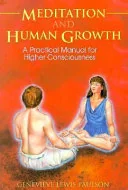
Meditation and Human Growth
 76
76

Meditation and Human Growth
Genevieve Lewis Paulson’s Meditation and Human Growth presents a methodical system for integrating contemplative practice into the fabric of everyday life. The book excels in its detailed breakdown of exercises, particularly those linking physical health and seasonal energies to meditative states, a perspective often overlooked in simpler guides. Paulson's strength lies in her ability to articulate complex inner processes with clarity, avoiding overly esoteric jargon while maintaining a depth that rewards sustained attention. However, the 1994 publication date does mean some of the references might feel dated to a contemporary reader seeking the latest in mindfulness research, though the core principles remain robust. A passage discussing the alignment with seasonal energies, for instance, offers a concrete method for grounding one's practice throughout the year, demonstrating the book's practical efficacy. It serves as a diligent, well-structured manual for dedicated self-cultivation.
📝 Description
76
Genevieve Lewis Paulson's 1994 book, Meditation and Human Growth, presents a disciplined path to personal development through contemplative practice.
Meditation and Human Growth frames contemplative practice not as a retreat from the world, but as an active engagement with one's inner life and surroundings. Genevieve Lewis Paulson wrote this book in 1994, intending it as a practical guide for integrating spiritual disciplines into everyday living. It aims to foster growth across physical, mental, and spiritual aspects of a person's life. The book is for individuals dedicated to self-discovery and intentional evolution. Seasoned practitioners seeking deeper frameworks will find value, as will newcomers desiring a clear, step-by-step method. Those interested in esoteric thought, psychological advancement, and synchronizing personal practices with natural cycles will encounter substantial content. It is especially useful for people who see personal development as a continuous, unified process.
Paulson views meditation as a versatile instrument for human flourishing. The text covers integrating physical health with meditative states, aligning personal energy with seasonal shifts like equinoxes and solstices, and broadening consciousness into less tangible dimensions. The book encourages a holistic approach where inner work directly influences outer experience and vice versa. It offers techniques for cultivating awareness and presence in daily activities.
Published in 1994, Meditation and Human Growth appeared as esoteric ideas gained wider attention but often lacked practical application. Paulson's work offered a structured, depth-focused method drawing from contemplative traditions. It bridged popular wellness trends with established metaphysical studies. This provided a pathway for individuals seeking concrete outcomes from their inner work. The book stands apart by emphasizing a disciplined, integrated approach to spiritual development.
💡 Why Read This Book?
• Gain practical techniques for expanding consciousness beyond the mundane, as detailed in the chapters on exercises for different life areas, offering methods not found in basic mindfulness guides. • Learn to align your personal energetic cycles with natural seasonal rhythms, a concept explored through specific meditations for equinoxes and solstices, providing a deeper connection to the Earth's energies. • Develop a lifelong framework for growth by understanding meditation as a tool for integrating physical health, mental clarity, and spiritual development, as presented in the book's holistic approach to human potential.
⭐ Reader Reviews
Honest opinions from readers who have explored this book.
❓ Frequently Asked Questions
What specific types of meditations are included in Meditation and Human Growth?
The book offers detailed meditations and exercises tailored for various aspects of life, including physical health, mental clarity, and alignment with seasonal energies, providing practical tools for consistent inner work.
Is Meditation and Human Growth suitable for beginners?
Yes, while offering depth for experienced practitioners, the book's structured approach and clear explanations make it accessible for beginners seeking a comprehensive guide to meditation and personal growth.
When was Meditation and Human Growth first published?
Meditation and Human Growth by Genevieve Lewis Paulson was first published in 1994, placing it within the context of burgeoning self-help and esoteric literature of that era.
How does the book connect meditation to physical health?
Paulson integrates meditative practices with physical well-being, presenting exercises designed to enhance bodily awareness and promote healing through focused contemplative states.
What is the esoteric angle of Meditation and Human Growth?
The book explores meditation as a means to expand consciousness into other realms and align with subtle energies, fitting within contemplative and metaphysical traditions that view inner work as a path to higher awareness.
Does the book offer guidance on aligning with natural cycles?
Certainly. It includes specific meditations and exercises focused on aligning personal energies with seasonal cycles, such as solstices and equinoxes, fostering a deeper connection with nature.
🔮 Key Themes & Symbolism
Integrated Human Development
This work frames meditation not as an isolated practice but as a fundamental tool for holistic growth. It posits that by engaging in systematic contemplation, individuals can foster development across physical, mental, and spiritual dimensions simultaneously. The book details how inner work directly impacts bodily health and expands one's capacity for awareness, moving beyond superficial self-help to a deeper integration of being.
Consciousness Expansion
Beyond everyday awareness, Paulson guides readers toward exploring subtler states of consciousness. Meditation is presented as a vehicle for accessing expanded perceptions and potentially other areas of experience. This involves specific techniques designed to heighten sensitivity and open the mind to realities beyond the material, aligning with esoteric traditions focused on inner exploration and transcendence.
Seasonal Energetic Alignment
A distinctive aspect of this book is its emphasis on harmonizing personal practice with the natural world's cycles. It provides meditations and exercises specifically designed to attune the practitioner with the energies of different seasons, solstices, and equinoxes. This connection fosters a grounded, cyclical approach to spiritual growth, integrating the individual with cosmic and terrestrial rhythms.
Practical Contemplative Tools
The core of Meditation and Human Growth lies in its actionable guidance. It moves beyond theory to offer concrete meditations and specific exercises applicable to various facets of life. This practical focus ensures that readers can implement the teachings directly, fostering tangible progress in their personal and spiritual development from the very first steps.
💬 Memorable Quotes
Direct passages from the work, attributed to the author.
“Meditation as a tool for growth and development, as well as for expanding consciousness into other realms.”
— This core statement from the original blurb expresses the book's dual purpose: facilitating tangible personal evolution while also opening pathways to subtler dimensions of awareness and existence.
“Includes detailed meditations and specific exercises for different areas of life.”
— This highlights the book's practical, application-oriented nature, emphasizing that the contemplative practices offered are designed for integration into daily living and address specific life challenges.
“Alignment with the seasonal energies.”
— This points to a key esoteric concept within the book, suggesting a method for attuning one's inner state and practice with the natural, cyclical rhythms of the Earth and cosmos.
“Focuses on the practice of meditation as a tool for growth.”
— This emphasizes the active, developmental role of meditation as presented by Paulson, positioning it as a dynamic process rather than passive relaxation or mere stress relief.
“Expanding consciousness into other realms.”
— This phrase indicates the book's engagement with metaphysical and esoteric concepts, suggesting that meditative practice can lead to altered states of awareness and perception beyond the ordinary.
🌙 Esoteric Significance
Tradition
This work fits within the broader Western Esoteric tradition, particularly drawing from contemplative and psychological approaches to spiritual development. It shares common ground with Theosophical ideas regarding consciousness expansion and subtle bodies, while its emphasis on practical application and personal growth aligns with modern psychological and self-help movements, albeit from a distinctly metaphysical perspective.
Symbolism
The book implicitly utilizes the symbolism of cycles and growth inherent in nature, particularly in its focus on seasonal energies. The act of meditation itself can be seen as a symbol of the inner journey, with 'other realms' representing higher states of consciousness or planes of existence explored in various mystical traditions.
Modern Relevance
Contemporary readers interested in integral psychology, embodied cognition, and eco-spirituality may find resonance with Paulson's approach. Her emphasis on aligning personal practice with natural cycles and her holistic view of human development anticipate current trends in wellness and consciousness studies that seek to integrate the individual with larger environmental and cosmic systems.
👥 Who Should Read This Book
• Individuals seeking a structured, lifelong approach to meditation that moves beyond basic relaxation techniques to foster deep personal and spiritual growth. • Practitioners interested in exploring the connection between physical health, mental well-being, and expanded states of consciousness through guided contemplative exercises. • Those drawn to esoteric and metaphysical concepts who desire practical methods for integrating these ideas into their daily lives, including an understanding of seasonal energetic influences.
📜 Historical Context
Published in 1994, Genevieve Lewis Paulson's Meditation and Human Growth emerged during a period of significant interest in self-help and New Age spirituality. The era saw a proliferation of books on mindfulness and meditation, often influenced by Eastern traditions but increasingly adapted for Western audiences. While figures like Deepak Chopra were making meditation accessible, Paulson's work distinguished itself by offering a more structured, depth-oriented approach that explicitly linked contemplative practice to integral human development and esoteric concepts. It arrived at a time when the Theosophical Society and other esoteric movements were still influential, though perhaps waning in mainstream visibility. Paulson's text provided a bridge, offering practical techniques rooted in a broader metaphysical understanding, serving those who sought more than just stress reduction but a path to conscious evolution.
📔 Journal Prompts
The practice of meditation as a tool for growth and development.
Expanding consciousness into other realms through specific exercises.
Alignment with the seasonal energies throughout the year.
Integrating physical health with contemplative states.
Personal growth through detailed meditation techniques.
🗂️ Glossary
Human Growth
Refers to the holistic development of an individual across physical, mental, emotional, and spiritual dimensions, facilitated through conscious practice and self-awareness.
Expanding Consciousness
The process of moving beyond ordinary, everyday awareness to access subtler states of perception, intuition, and understanding, often explored through meditative techniques.
Other Realms
Metaphorical or literal planes of existence or states of awareness that are distinct from the material world, accessible through focused spiritual or meditative practices.
Seasonal Energies
The concept that natural cycles of the year (spring, summer, autumn, winter) and specific astronomical events (solstices, equinoxes) carry distinct energetic qualities that can influence human consciousness and practice.
Physical Body Health
The state of well-being of the corporeal form, viewed in this context as interconnected with mental and spiritual states, and improvable through meditative practices.
Specific Exercises
Actionable, detailed techniques and meditations provided within the book, designed to cultivate particular states of awareness or achieve specific developmental goals.
Contemplative Practice
A range of mental disciplines, including meditation, designed to foster deep reflection, spiritual insight, and a heightened state of awareness.
This book appears in 1 collection
🔮 Readers Also Liked
Browse all →









From the “Soul Travel” Collection
View all →








More Free Occult Philosophy Books
View all →