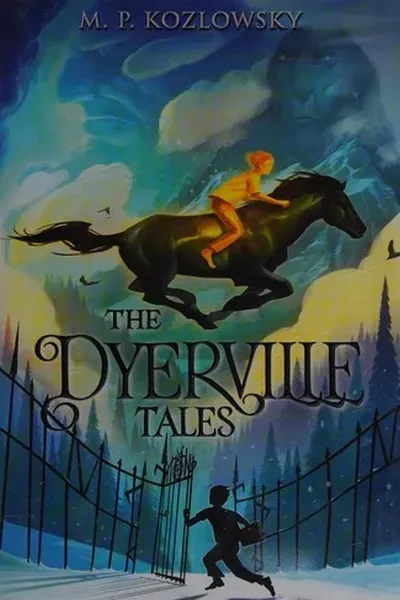
Doom of the Darksword

 83
83

Doom of the Darksword
Weis and Hickman demonstrate their command of expansive fantasy worlds in Doom of the Darksword, particularly in the intricate political maneuvering and the looming threat of the titular weapon. The authors excel at establishing a sense of dread and consequence, making the stakes feel genuinely high. However, the sheer density of lore and the multitude of characters can, at times, obscure the emotional core of the narrative. The central conflict surrounding the Darksword itself, while potent, occasionally feels like a prop for the character arcs rather than the driving force. Despite this, the novel offers a compelling, if somewhat sprawling, adventure for dedicated fantasy enthusiasts.
📝 Description
83
Doom of the Darksword, published in 2000, details a world facing annihilation.
This fantasy novel by Margaret Weis and Tracy Hickman follows a complex plot driven by ancient prophecies and warring factions vying for control of powerful artifacts. Within a world threatened by encroaching darkness, the actions of a few individuals determine the fate of entire kingdoms. The narrative examines themes of destiny, the cost of sacrifice, and how power can corrupt.
Readers who enjoy detailed world-building and character-focused stories within the high fantasy genre will find this novel appealing. It is suited for those who appreciate epic quests interwoven with moral complexity. The story's reliance on ancient lore and intricate magical systems shapes both the central conflict and the protagonists' decisions. Fans of Weis and Hickman's previous work, including the Dragonlance series, will recognize their characteristic storytelling style.
Published at the turn of the millennium, a period when epic fantasy experienced significant mainstream attention, Doom of the Darksword engaged with established genre tropes. The early 2000s saw major fantasy series gain renewed popularity through film adaptations and continued author success, creating a receptive market for complex narratives. The book draws on established fantasy traditions while constructing its own mythological framework, focusing on a central artifact with the potential for both salvation and destruction.
💡 Why Read This Book?
• Understand the nuanced interplay of prophecy and free will as characters grapple with predetermined destinies, a central theme explored from the book's 2000 publication. • Witness the consequences of wielding immense power through the focus on the Darksword artifact, a concept meticulously developed within the narrative. • Appreciate complex character development as protagonists face moral dilemmas and the weight of leadership, a hallmark of Weis and Hickman's storytelling.
⭐ Reader Reviews
Honest opinions from readers who have explored this book.
❓ Frequently Asked Questions
When was Doom of the Darksword first published?
Doom of the Darksword was first published in the year 2000. This places its release within a significant period for the resurgence of epic fantasy literature in popular culture.
Who are the authors of Doom of the Darksword?
The book was co-authored by Margaret Weis and Tracy Hickman, renowned fantasy writers known for their collaborative work on other popular series.
What is the central artifact in Doom of the Darksword?
The central artifact is the Darksword, a weapon of immense power that plays a critical role in the unfolding prophecy and the conflicts within the story.
Does Doom of the Darksword belong to a larger series?
While this specific title is part of a broader narrative arc, its publication in 2000 suggests it may be a standalone work or the beginning of a new sequence, distinct from their earlier Dragonlance Chronicles.
What genre does Doom of the Darksword fall under?
Doom of the Darksword is classified as high fantasy, featuring elements such as magic, prophecies, epic quests, and a struggle between good and evil forces.
What themes are explored in the book?
The book explores themes of destiny versus free will, the corrupting nature of power, leadership burdens, and the consequences of ancient prophecies.
🔮 Key Themes & Symbolism
The Darksword's Influence
The titular Darksword serves as more than just a weapon; it embodies a catastrophic potential that dictates much of the plot's tension. Its existence fuels prophecies and galvanizes factions, highlighting how potent artifacts can shape history and individual destinies. The narrative scrutinizes the allure of such power, suggesting its inherent danger and the moral compromises it necessitates. This theme is central to understanding the characters' motivations and the overarching conflict that threatens the world.
Prophecy and Agency
Doom of the Darksword deeply engages with the tension between predestination and free will. Ancient prophecies foretell specific outcomes, yet the characters' choices constantly challenge or fulfill these visions in unexpected ways. The work explores how individuals react when confronted with a seemingly inescapable fate, questioning whether one can truly alter a destined path or if all actions are merely steps towards an inevitable conclusion. This dynamic is crucial to the character arcs and the philosophical underpinnings of the story.
The Burden of Leadership
Characters in this novel are often thrust into positions of leadership, facing immense pressure and difficult decisions. The narrative portrays the psychological toll of command, the isolation it brings, and the constant threat of betrayal or failure. Whether leading armies, guiding prophecies, or protecting ancient secrets, these figures grapple with the personal sacrifices required. The story examines the nature of true leadership, distinguishing it from mere power or authority, particularly in the face of overwhelming adversity.
Elements of Ancient Lore
The world of Doom of the Darksword is steeped in a history filled with forgotten lore and mythic events. These ancient narratives are not mere background but actively influence present-day conflicts and character understanding. The book suggests that the past holds keys to present challenges, and deciphering forgotten knowledge is essential for survival and resolution. This reliance on historical and mythological underpinnings provides a rich, layered foundation for the epic fantasy setting.
💬 Memorable Quotes
Direct passages from the work, attributed to the author.
“Power is a siren's call, beautiful but deadly.”
— This statement reflects the novel's exploration of the corrupting influence of power. It suggests that the allure of potent abilities often leads to downfall, a common theme in epic fantasy narratives.
“Fate guides the hand, but choice directs the step.”
— This interpretation of the book's themes emphasizes the ongoing debate between predestination and free will. It posits that while destiny may set a course, individual decisions determine the actual path taken.
“The weight of a crown is heavier than any sword.”
— This concept speaks to the burdens of leadership presented in the novel. It contrasts the physical power of a weapon with the immense responsibility and psychological strain of ruling.
💡 Key Ideas
Editorial paraphrase of the work's core concepts — not direct quotes.
The prophecy speaks of a shadow that will consume all.
This line captures the pervasive sense of impending doom and the central threat that drives the narrative. It highlights the role of prophecy in establishing the stakes and foreshadowing the major conflict.
Ancient words echo through forgotten halls, holding forgotten truths.
This paraphrased idea underscores the importance of history and lore within the story. It suggests that rediscovering past knowledge is crucial for understanding and navigating present dangers.
🌙 Esoteric Significance
Tradition
While Doom of the Darksword primarily operates within the high fantasy genre, its exploration of prophecy, fate, and powerful, potentially world-altering artifacts can be seen as echoing themes present in esoteric traditions. It touches upon concepts of destiny and cosmic struggle found in Gnostic thought or certain interpretations of Hermeticism, where hidden knowledge and powerful forces shape reality. The narrative departs from strict adherence to any single tradition, instead drawing on archetypal elements common across many mythologies and esoteric systems to construct its unique magical framework.
Symbolism
The Darksword itself is a potent symbol of destructive potential and the corrupting nature of absolute power. Its duality, capable of both ruin and, perhaps, salvation, reflects archetypal symbols of the shadow self or the destructive aspect of the divine. Prophecy, as a concept, functions symbolically to represent the perceived influence of fate or divine will over mortal affairs, while also serving as a narrative engine for exploring free will. The struggle for control over such artifacts symbolizes humanity's ongoing battle with its own darker impulses and the desire for dominion.
Modern Relevance
Contemporary fantasy authors and game designers continue to draw inspiration from the narrative structures and thematic explorations found in works like Doom of the Darksword. The book's engagement with the 'chosen one' trope, the exploration of dark artifacts, and the complex interplay between destiny and choice remain fertile ground for modern storytelling. While not directly cited in academic esoteric circles, its underlying mythological resonance contributes to the broader cultural understanding of archetypal narratives that often intersect with esoteric themes, influencing how concepts of fate and power are popularly perceived.
👥 Who Should Read This Book
• Fans of Margaret Weis and Tracy Hickman's previous works like the Dragonlance series seeking their characteristic intricate plotting and world-building. • Readers of epic fantasy who appreciate narratives centered around prophecies, ancient artifacts, and large-scale conflicts between good and evil forces. • Individuals interested in exploring themes of destiny versus free will and the corrupting influence of power within a richly imagined fantasy setting.
📜 Historical Context
Published in 2000, Doom of the Darksword emerged within a robust landscape for epic fantasy, a genre that had solidified its mainstream appeal throughout the 1990s. Authors like Robert Jordan, with his Wheel of Time series, and George R.R. Martin, beginning his A Song of Ice and Fire saga, were defining the era with intricate world-building and complex political narratives. Weis and Hickman, already established figures from the Dragonlance series (first appearing in 1984), tapped into this established audience. The early 2000s also saw renewed interest in classic fantasy, partly fueled by the film adaptations of J.R.R. Tolkien's works. While not directly engaging with a specific philosophical movement, the novel implicitly participates in discussions about destiny and free will common in Western literature. Reception was generally positive among fans of the genre, who appreciated the authors' signature blend of adventure and character focus, though critical engagement outside of dedicated fantasy circles was less pronounced.
📔 Journal Prompts
The prophecy surrounding the Darksword: how does it shape character actions?
Reflect on the symbolic weight of the Darksword artifact.
Consider the balance between fate and the characters' choices in the narrative.
Analyze the burdens of leadership depicted for the protagonists.
Examine how ancient lore influences the present-day conflicts.
🗂️ Glossary
Darksword
A powerful artifact central to the novel's conflict, possessing immense destructive capabilities and linked to ancient prophecies concerning the world's fate.
Prophecy
Foretellings of future events that play a significant role in shaping the narrative, influencing character decisions and driving the central plot.
Artifact
An object of significant power or historical importance within the story, often sought after by various factions due to its influence or capabilities.
Destiny
The predetermined course of events, often perceived as inevitable, which characters grapple with, questioning whether their actions can alter their fated path.
Agency
The capacity of individuals to act independently and make their own free choices, often in conflict with or in response to perceived destiny.
Lore
The body of traditions, knowledge, and history specific to the fictional world, which informs the present-day setting and conflicts.
Leadership
The act of guiding or directing a group or organization, often involving significant responsibility, difficult decisions, and personal sacrifice.
🔮 Readers Also Liked
Browse all →






More by Margaret Weis, Tracy Hickman
All books →





More Free Magic & Ritual Books
View all →