The Lesser Key of Solomon

 79
79

The Lesser Key of Solomon
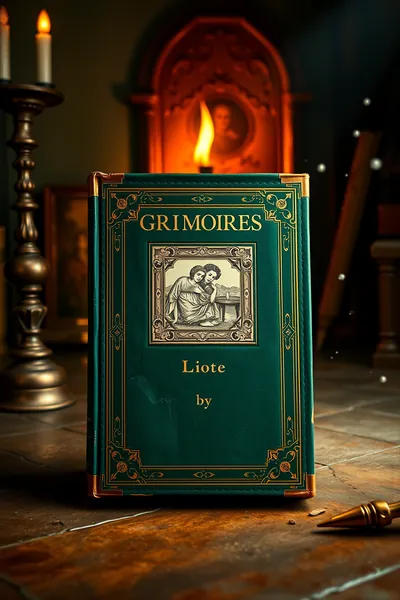
The 17th-century compilation known as The Lesser Key of Solomon presents a chillingly systematic approach to the manipulation of infernal entities. Its enduring influence on Western esotericism is undeniable, largely due to the detailed cataloguing of the 72 Goetic demons. The meticulous descriptions of their seals and purported abilities offer a unique window into the mindset of early modern occultists. The work's strength lies in its structured presentation of ritual, demanding a specific set of tools and protective measures, which gives the impression of a coherent, if dangerous, magical system. However, its sheer density and the archaic language can present a formidable barrier to entry for newcomers. A particularly striking element is the detailed enumeration of the 'Lesser Ritual of the Pentagram' within the Goetia itself, underscoring its role as a foundational protective and banishing rite within the context of summoning. While undeniably significant, its practical application requires extreme caution and a deep understanding of its historical and symbolic underpinnings. It remains a vital, albeit challenging, source for understanding demonological magic.
📝 Description
79
The Lesser Key of Solomon, compiled around the 1650s, details the hierarchy and summoning of 72 spirits.
This 17th-century grimoire, known as the Lemegeton, outlines the system for commanding 72 spirits catalogued in its Goetia section. The text presents itself as a compilation of knowledge attributed to King Solomon. It describes each demon's appearance, rank, abilities, and unique seal. The book also includes instructions for the rituals, protective circles, and equipment needed for successful invocation.
The work is intended for students and practitioners of Western ceremonial magic, demonology, and historical occultism. It is important for understanding texts that influenced modern magical traditions, especially those interested in the practical use of Goetic spirits. Researchers of grimoires, comparative religion, and esoteric history will find value in its historical and textual significance.
Emerging in the mid-17th century, The Lesser Key of Solomon reflects a period of European occult interest. It synthesizes earlier magical texts, incorporating Kabbalistic, astrological, and elemental theories. While attributed to King Solomon, its actual origin is unknown. The grimoire became a significant influence in ceremonial magic, shaping subsequent occult practices.
💡 Why Read This Book?
• Understand the foundational principles of Goetic demonology as codified in the 17th century, providing a direct encounter with the 72 spirits described in the Lemegeton. • Learn the specific rituals and protective measures, such as the construction of the magic circle and the use of divine names, essential for engaging with these entities safely. • Examine the historical lineage of ceremonial magic by exploring how this grimoire synthesized earlier occult traditions and influenced subsequent magical orders like the Hermetic Order of the Golden Dawn.
⭐ Reader Reviews
Honest opinions from readers who have explored this book.
❓ Frequently Asked Questions
What is the primary focus of The Lesser Key of Solomon?
The primary focus is the Goetia, the first and most famous section, which details the 72 demons, their attributes, seals, and the methods for their conjuration and control.
When was The Lesser Key of Solomon likely compiled?
The earliest known manuscripts date to the mid-17th century, likely around the 1650s, though its contents draw from older magical traditions.
Who are the 72 spirits mentioned in the Goetia?
They are a hierarchy of infernal spirits, each with specific ranks (like King, Duke, Marquis), appearances, powers, and unique seals that are used in their invocation.
What kind of rituals are described in the book?
The book describes elaborate ceremonial rituals including the creation of a magic circle, the use of specific incantations, divine names, and magical tools for protection and command.
Is The Lesser Key of Solomon suitable for beginners in magic?
While foundational, its complex rituals and potentially dangerous subject matter make it more suitable for advanced students or those with a strong grounding in magical theory and ethics.
What is a 'grimoire' in the context of this book?
A grimoire is a textbook of magic, typically containing instructions for summoning spirits, casting spells, and performing rituals. The Lesser Key of Solomon is a prominent example of a ceremonial magic grimoire.
🔮 Key Themes & Symbolism
The Hierarchy of Goetia
This grimoire meticulously catalogues the 72 spirits of the Goetia, assigning them ranks such as King, Duke, Marquis, and Earl. Each spirit is described with unique characteristics, abilities, and a specific sigil or seal, intended to be used by the magician for identification and control. The text presents this hierarchy as a structured infernal court, which the magician must understand to navigate and command effectively, drawing parallels to earthly political structures of the era.
Ceremonial Ritual and Protection
Central to the practice outlined in The Lesser Key is the rigorous adherence to ceremonial protocols. This includes the precise construction of protective magic circles, the use of specific divine names and incantations derived from Kabbalistic sources, and the proper preparation and consecration of magical tools like wands, swords, and pentacles. The emphasis is on creating a sacred and secure space from which to operate, ensuring the magician's safety from the invoked entities.
Solomonic Authority and Divine Names
The attribution to King Solomon lends the grimoire an air of ancient authority, linking its practices to biblical lore. The text frequently invokes divine names and figures from Abrahamic traditions (e.g., God, angels) as the source of the magician's power over the Goetic spirits. This demonstrates a common trend in Western esotericism, where magical operations often seek to harness celestial or divine power to command or influence lower spiritual forces.
The Sigil as a Key
Each of the 72 spirits possesses a unique sigil, a symbolic representation of their essence and identity. These seals are not merely decorative but are presented as essential tools for invocation. The grimoire instructs the magician to engrave, draw, or display these sigils during the ritual. The sigil acts as a focal point, a direct link or key to the spirit's presence and power, facilitating communication and command.
💬 Memorable Quotes
Direct passages from the work, attributed to the author.
“The 72 Spirits of the Goetia, their rank, office, and character.”
— This concise statement expresses the core subject matter of the first book of The Lesser Key. It highlights the systematic, almost bureaucratic, approach to cataloguing these entities, focusing on their perceived roles and natures within a defined hierarchy.
“The conjurations shall be performed with reverence and fear of God.”
— This instruction reveals the underlying theological framework. Despite dealing with infernal spirits, the grimoire posits that true power and authority stem from divine sources, requiring the magician to act with piety and respect for the higher powers.
“The magician must be pure and abstinent before the operation.”
— This emphasizes the importance of the operator's personal state. Ritual purity and abstinence are presented as necessary conditions for successful and safe magical work, ensuring the magician is a fit vessel for wielding such powers.
“Each spirit has a seal, which must be worn or shown.”
— This points to the practical application of the sigils. The seal is not just symbolic but a functional tool, a point of connection and control, underscoring the visual and symbolic language central to the grimoire's magical system.
💡 Key Ideas
Editorial paraphrase of the work's core concepts — not direct quotes.
The art of Solomon, in commanding spirits both good and evil.
This paraphrase captures the purported scope of the grimoire's knowledge, attributing to King Solomon the mastery over a wide spectrum of spiritual forces, not limited to malevolent entities.
🌙 Esoteric Significance
Tradition
The Lesser Key of Solomon is a core part of Western ceremonial magic, deeply rooted in the Hermetic and Kabbalistic traditions. It synthesizes elements of demonology, angelic magic (through the invocation of divine names), and elemental correspondences. While presenting a dark pantheon, its operational structure relies heavily on Kabbalistic cosmology and the belief in a divine hierarchy that grants authority over lower spiritual forces, a common feature in Hermeticism.
Symbolism
Key symbols include the 72 unique sigils of the Goetic spirits, each a visual representation of a spirit's essence and power. The magic circle, often inscribed with divine names and symbols, represents a microcosm of the universe and a protective sanctuary. The Pentagram, frequently used in banishing and invoking rituals, symbolizes the five elements and the mastery of the microcosm (human) over the macrocosm (universe).
Modern Relevance
Contemporary practitioners of ceremonial magic, particularly those within the Golden Dawn lineage and independent magical orders, continue to study and engage with The Lesser Key. Its structured approach to spirit invocation and its detailed cataloguing of entities remain influential for occultists exploring demonology, comparative magical systems, and the historical development of Western esoteric practices.
👥 Who Should Read This Book
• Advanced students of Western ceremonial magic seeking to understand the historical foundations of Goetic practices and grimoire traditions. • Researchers of occult history and comparative religion interested in 17th-century magical texts and their influence on subsequent esoteric movements. • Practitioners of ritual magic who require a direct source text for studying the names, seals, and conjurations of the 72 spirits detailed in the Lemegeton.
📜 Historical Context
Compiled likely in the mid-17th century, The Lesser Key of Solomon emerged from a rich soil of European occultism. This era saw figures like Athanasius Kircher attempting to synthesize diverse esoteric traditions, while others, such as John Dee, had already explored angelic and demonic correspondences. The grimoire reflects the period's fascination with Kabbalah, Neoplatonism, and Renaissance magic, attempting to systematize the invocation of spirits. Its compilation represents a critical juncture where earlier magical manuscripts, perhaps circulating in manuscript form since the late 16th century, were consolidated into a more coherent, albeit dangerous, operational manual. The text's influence was significant, particularly within the burgeoning secret societies of the 18th and 19th centuries, and it directly informed later occult revivals, notably influencing the Hermetic Order of the Golden Dawn, which published its own annotated version.
📔 Journal Prompts
The specific attributes and seals of the 72 Goetic spirits.
Ritual purity as a prerequisite for magical operations.
The role of divine names in commanding infernal entities.
The construction and symbolic meaning of the magic circle.
The practical application of a spirit's sigil in invocation.
🗂️ Glossary
Goetia
The first book of The Lesser Key of Solomon, focusing on the names, ranks, seals, and conjurations of 72 demons said to have been commanded by King Solomon.
Grimoire
A textbook of magic, typically containing instructions for invoking spirits, performing rituals, and casting spells, often dating from the medieval or Renaissance periods.
Sigil
A magical symbol or sign representing a spirit, entity, or concept, used in ceremonial magic for identification, invocation, and empowerment.
Conjuration
A formal invocation or summoning, often through spoken words or prayers, intended to call forth a spirit or supernatural being.
Lesser Key of Solomon
Also known as the Lemegeton, a 17th-century grimoire that is a foundational text in ceremonial magic, particularly concerning demonology.
Ceremonial Magic
A system of magic involving elaborate rituals, symbolic gestures, and the use of specific tools and vestments, often drawing from Kabbalistic, Hermetic, and Gnostic traditions.
Abstinence
The practice of refraining from certain activities, such as sexual intercourse or specific foods, often required of magicians before performing rituals to achieve a state of purity.
This book appears in 1 collection
🔮 Readers Also Liked
Browse all →








From the “Goetia” Collection
View all →


More Free Occult Philosophy Books
View all →