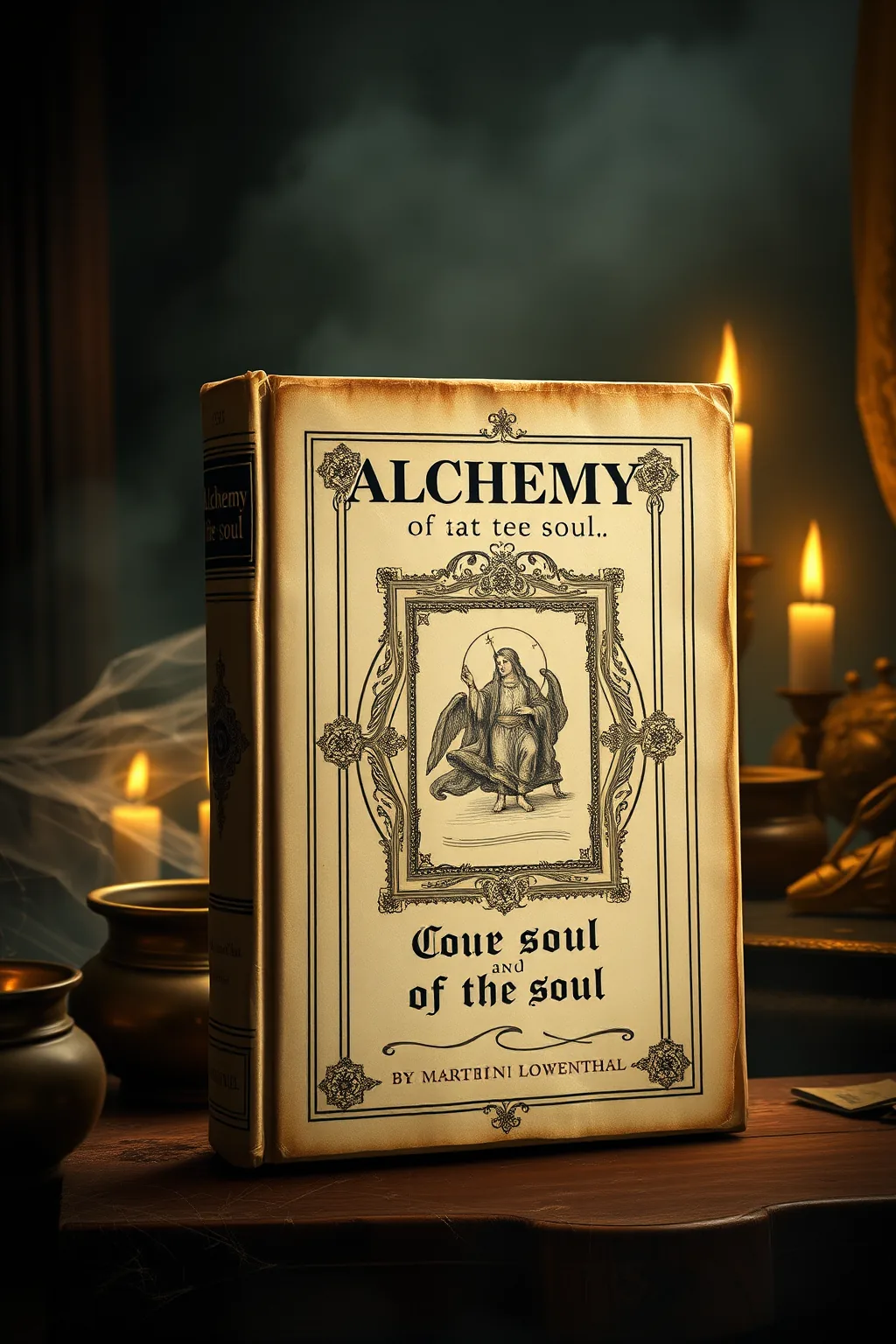
The " Key" of Jacob Boehme

 61
61

The " Key" of Jacob Boehme



Review by Celeste Moreau (Divination & Symbolism Reviewer) — 'The Key of Jacob Boehme' is a seminal work in the realm of mystical literature, offering profound insights into the esoteric traditions of alchemy and theosophy. Boehme's writing is dense with symbolism and philosophical depth, making it a treasure trove for those interested in the hidden knowledge of the universe. The book's exploration of Lutheran doctrines and German mysticism provides a unique perspective on the spiritual landscape of the 17th century. Boehme's ideas continue to resonate with modern practitioners and scholars, making this book an essential read for anyone seeking to understand the mystical underpinnings of reality.
📝 Description
61
Jacob Boehme wrote 'The Key' in 1624, aiming to reveal the inner workings of God and nature.
Published in 1624, Jacob Boehme's 'The Key' lays out his unique theosophical system. Boehme, a shoemaker from Görlitz, developed a complex cosmology and ontology that drew from his mystical experiences and Lutheran background. The book attempts to explain the origin of good and evil, the structure of the divine world, and the path of spiritual transformation.
Boehme's language is dense with symbolic imagery, often drawing from alchemical and cabalistic traditions. He describes the divine essence as a 'Nothing' from which all things arise through a process of internal conflict and differentiation. The text is not a simple narrative but an unfolding of spiritual principles, intended to guide the reader toward an intuitive understanding of divine reality. It remains a significant work for those interested in the history of Western esotericism and Christian mysticism.
Jacob Boehme stands as a significant figure in the history of Christian esotericism, bridging late medieval mysticism with early modern occult philosophy. His work, particularly 'The Key,' emerged from a tradition that sought hidden spiritual meanings within biblical texts and natural phenomena. While rooted in Lutheranism, Boehme's visionary experiences led him to develop a cosmology that diverged sharply from orthodox theology, influencing later movements like Pietism, Rosicrucianism, and various branches of occultism. His emphasis on direct spiritual apprehension rather than solely relying on external authority placed him outside mainstream religious discourse but cemented his importance for esoteric seekers.
💡 Why Read This Book?
Why read this book? 'The Key of Jacob Boehme' is a must-read for seekers of spiritual enlightenment, scholars of esoteric traditions, and practitioners of the occult. Boehme's insights into alchemy, theosophy, and Lutheran doctrines offer a rich tapestry of thought that continues to inspire and challenge readers today. This book is an invitation to uncover layers of hidden knowledge and transform your understanding of the world.
⭐ Reader Reviews
Honest opinions from readers who have explored this book.
❓ Frequently Asked Questions
What is the main theme of 'The Key of Jacob Boehme'?
The main themes include divine wisdom, alchemy, and the inner workings of the soul, all explored through a mystical lens.
Who is the intended audience for this book?
This book is ideal for seekers of spiritual enlightenment, scholars of esoteric traditions, and practitioners of the occult.
What is the historical significance of this work?
Written in the early 17th century, it offers unique insights into the spiritual landscape of the time, particularly within the Lutheran Church.
How does Boehme's work influence modern esoteric practices?
Boehme's ideas continue to resonate with modern practitioners, influencing alchemy, theosophy, and other mystical traditions.
Is this book suitable for beginners in esoteric studies?
While it is rich in depth, beginners may find it challenging due to its dense symbolism and philosophical language.
🔮 Key Themes & Symbolism
Divine Wisdom
Boehme's exploration of divine wisdom is central to his work, examining the hidden knowledge of the universe and the nature of God. This theme is woven throughout his discussions of alchemy and theosophy, offering readers a profound understanding of the mystical underpinnings of reality.
Alchemy and Transformation
Alchemy is a recurring theme in Boehme's writings, symbolizing the transformation of the soul and the quest for spiritual enlightenment. Through his alchemical metaphors, Boehme invites readers to begin of self-discovery and inner transformation.
Theosophy and Mysticism
Boehme's theosophical perspectives provide a unique lens through which to view the mystical traditions of his time. His ideas on the nature of God, the soul, and the universe offer a body of thought that continues to inspire and challenge readers today.
💬 Memorable Quotes
Direct passages from the work, attributed to the author.
“The soul is the key to the mysteries of the universe.”
— Boehme's quote underscores the central role of the soul in understanding divine wisdom and the hidden knowledge of the cosmos.
“Theosophy reveals the hidden truths of existence.”
— Boehme's exploration of theosophy invites readers to uncover the mystical underpinnings of reality and the nature of God.
“Divine wisdom is the essence of all creation.”
— Boehme's insights into divine wisdom offer a profound understanding of the interconnectedness of all things.
💡 Key Ideas
Editorial paraphrase of the work's core concepts — not direct quotes.
Alchemy is the path to spiritual transformation.
This passage highlights the alchemical process as a metaphor for inner growth and enlightenment.
The key to understanding lies within.
This quote emphasizes the importance of inner reflection and self-discovery in the quest for spiritual enlightenment.
🌙 Esoteric Significance
Tradition
Belonging to the Hermetic tradition, 'The Key of Jacob Boehme' explores the mysteries of alchemy and theosophy, exploring the hidden knowledge of the universe. Boehme's work is a core part of mystical literature, offering useful insights into the nature of God, the soul, and the cosmos.
Symbolism
Key symbols in Boehme's work include the alchemical process, the soul's journey, and the quest for divine wisdom. These symbols are rich with meaning, inviting readers to explore the mystical underpinnings of reality and the inner workings of the self.
Modern Relevance
Boehme's ideas continue to resonate with modern practitioners and scholars, influencing alchemy, theosophy, and other mystical traditions. His work is a valuable resource for those seeking to understand the esoteric traditions of the past and their relevance to contemporary spiritual practices.
👥 Who Should Read This Book
Beginners in esoteric studies may find 'The Key of Jacob Boehme' challenging due to its dense symbolism and philosophical language. However, scholars of esoteric traditions and practitioners of the occult will find it invaluable. Spiritual seekers looking to deepen their understanding of divine wisdom, alchemy, and theosophy will also benefit from this profound work. In summary, this book is ideal for those with a strong interest in mystical literature and a desire to explore the hidden knowledge of the universe.
📜 Historical Context
Written in the early 17th century, 'The Key of Jacob Boehme' reflects the spiritual and intellectual field of the time. Boehme's work is deeply rooted in the Lutheran Church and the mystical traditions of Germany. His exploration of alchemy, theosophy, and divine wisdom offers a unique perspective on the spiritual quests of his era. Boehme's ideas have had a lasting influence on esoteric traditions, inspiring generations of seekers and scholars.
📔 Journal Prompts
How does Boehme's exploration of divine wisdom resonate with your own spiritual journey?
In what ways can alchemy be a metaphor for personal transformation?
How do Boehme's theosophical perspectives challenge or confirm your understanding of the mystical traditions?
What symbols in Boehme's work stand out to you and why?
How can you apply Boehme's insights into your daily spiritual practice?
🗂️ Glossary
Alchemy
A mystical practice involving the transformation of matter and the soul, often symbolizing spiritual enlightenment.
Theosophy
The study of divine wisdom and the mystical underpinnings of reality, often explored through esoteric traditions.
Divine Wisdom
The hidden knowledge of the universe and the nature of God, often sought through mystical and esoteric practices.
Lutheran Doctrines
The theological principles of the Lutheran Church, which influenced Boehme's mystical explorations.
Mysticism
The pursuit of spiritual enlightenment and the hidden knowledge of the universe, often through esoteric practices and traditions.
This book appears in 7 collections
🔮 Readers Also Liked
Browse all →







More by Jacob Boehme
All books →





From the “Christian Mysticism” Collection
View all →








More Free Alchemy & Hermeticism Books
View all →