The Kabbalah
 61
61

The Kabbalah

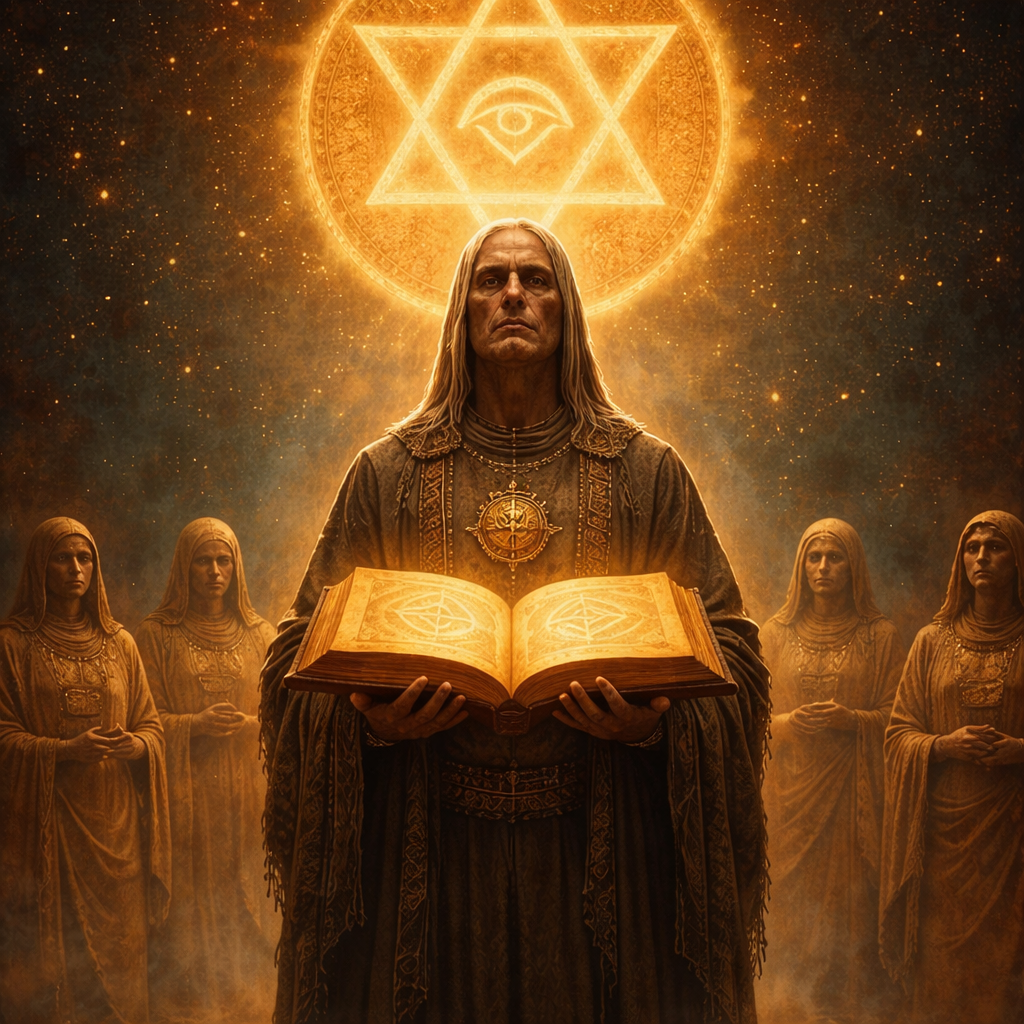

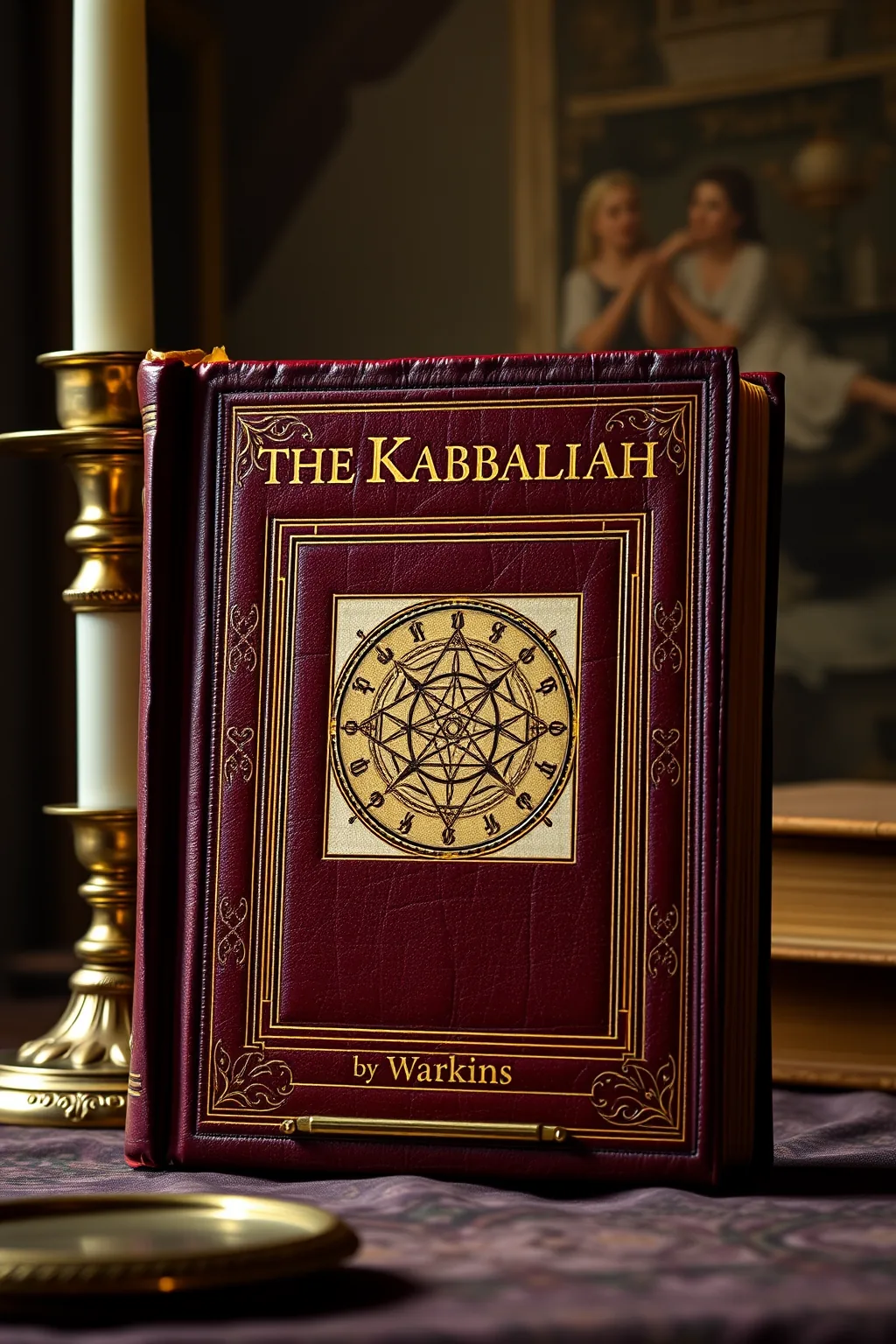
Aurelia Blackwood, Occult Philosophy Critic: Watkins' "The Kabbalah" stands as a beacon for those navigating the labyrinthine depths of Jewish mysticism. With erudite clarity, it illuminates the core principles of Kabbalistic cosmology, from the Sefirot to the divine names. This text is indispensable for understanding the symbolic language that underpins Western esotericism, offering a robust framework for spiritual exploration. Its strength lies in its balanced presentation of complex ideas, making it accessible yet profound. Ideal for serious students of mysticism and occult traditions, it serves as both an introduction and a valuable reference.
📝 Description
61
Watkins's "The Kabbalah" explains the Jewish mystical tradition's core concepts.
This book examines the Kabbalah, a system of Jewish mysticism. It details divine emanations and the connections between the earthly and spiritual realms. The author discusses the Tree of Life, a central diagram showing creation's structure and the soul's journey. The Hebrew alphabet is also covered, with its letters seen as containers of creative force. The book interprets key texts such as the Zohar, presenting Kabbalistic ideas about the cosmos and spiritual attainment. It aims to clarify the divine order and humanity's role within it. The work addresses the philosophical basis of this ancient tradition and its insights into reality and the self. It is suitable for those interested in its complex thought.
The Kabbalah represents a significant stream within Jewish mysticism, developing complex symbolic systems to understand God and creation. Its texts, like the Zohar, often use allegorical language and numerology to reveal hidden meanings. This tradition is concerned with divine cosmology, the nature of the soul, and methods for spiritual ascent. It has influenced various esoteric movements outside of Judaism, particularly in Western esotericism.
💡 Why Read This Book?
Uncover the blueprint of creation and the divine mysteries encoded within Jewish mysticism. "The Kabbalah" by Watkins offers a clear yet profound exploration of the Tree of Life, symbolic language, and the path to spiritual enlightenment. Essential for seekers of hidden knowledge, scholars of comparative religion, and practitioners aiming to deepen their understanding of esoteric principles and their practical application in consciousness.
⭐ Reader Reviews
Honest opinions from readers who have explored this book.
❓ Frequently Asked Questions
What is the Tree of Life in Kabbalah?
The Tree of Life is a central diagram in Kabbalah, representing the ten divine emanations (Sefirot) through which God creates and sustains the universe. It maps the paths of creation and spiritual ascent.
Is this book suitable for beginners?
Yes, while the subject is profound, Watkins presents the material with clarity, making it accessible to newcomers willing to engage with its complex concepts and symbolic language.
What is Gnosis in the Kabbalistic context?
Gnosis refers to direct, intuitive knowledge of the divine, often attained through mystical practices and contemplation. Kabbalah offers a structured path to achieving this profound spiritual insight.
How does Kabbalah relate to other esoteric traditions?
Kabbalah has profoundly influenced Western esoteric traditions, including Hermeticism, Rosicrucianism, and Tarot, providing a rich source of symbolism, cosmology, and spiritual philosophy.
What is the significance of Hebrew letters in Kabbalah?
In Kabbalah, Hebrew letters are considered sacred, imbued with creative power. They are not merely phonetic signs but represent divine forces and are used in meditation and mystical practices.
🔮 Key Themes & Symbolism
The Tree of Life: Cosmic Blueprint
The Tree of Life is the central symbolic map of the Kabbalistic universe, illustrating the ten Sefirot (divine attributes or emanations) and the 22 paths connecting them. It serves as a model for understanding the emanation of creation from the unknowable Divine, the structure of the cosmos, and the journey of the human soul towards spiritual reunification. Its intricate geometry and symbolic relationships provide a framework for meditation, divination, and the comprehension of divine will and cosmic order.
Symbolic Language of the Hebrew Alphabet
Within Kabbalah, the Hebrew alphabet is viewed not just as a means of communication but as a fundamental building block of reality, each letter possessing its own unique energetic vibration and divine significance. The letters are seen as conduits of creative force, and their combinations, permutations, and gematria (numerical values) are used to unlock deeper layers of meaning in sacred texts and to invoke spiritual insights. Understanding this sacred semiotics is crucial for navigating Kabbalistic philosophy and practice.
The Ascent of the Soul and Gnosis
Kabbalah outlines a profound path of spiritual evolution, guiding the seeker from the material realm towards direct communion with the Divine. This journey involves purifying the self, understanding the divine plan, and ultimately achieving Gnosis – a state of intuitive, ecstatic knowledge of God. The Sefirot and the paths on the Tree of Life serve as stages and guides in this arduous but rewarding ascent, promising spiritual liberation and profound self-realization.
💬 Memorable Quotes
Direct passages from the work, attributed to the author.
“Each letter is a key to unlock the gates of understanding.”
— This emphasizes the sacred power attributed to the Hebrew alphabet in Kabbalah, suggesting that letters are not merely symbols but potent tools for accessing deeper spiritual and cosmic knowledge.
“The Tree of Life mirrors the soul's journey from dust to divinity.”
— This expresses the core Kabbalistic concept of the soul's spiritual evolution, portraying the Tree of Life as a map of this transformative process, from earthly existence to divine unity.
“Silence whispers secrets to those who listen with their hearts.”
— This encourages inner stillness and intuitive perception as essential for receiving spiritual wisdom, underscoring the importance of contemplative practice in Kabbalistic study.
“To know the Creator is to know the Self, and to know the Self is to know the Creator.”
— This profound statement points to the ultimate goal of Kabbalistic pursuit: the realization of the divine spark within, revealing the interconnectedness of the individual soul and the universal divine consciousness.
💡 Key Ideas
Editorial paraphrase of the work's core concepts — not direct quotes.
The universe is a divine collection woven with threads of light and shadow.
This quote highlights the Kabbalistic view of reality as a divinely ordered creation, where seemingly opposing forces are integral parts of a unified whole, reflecting the complex interplay of divine energies.
🌙 Esoteric Significance
Tradition
Kabbalah represents a central to Jewish esoteric and mystical tradition, offering a complex system of theology, cosmology, and spiritual practice. It seeks to understand the nature of God, the creation of the universe, and the path of the human soul towards divine union. Its teachings are not merely intellectual but are intended to guide individuals toward direct, experiential knowledge of the divine, often through meditation, contemplation, and the study of sacred texts.
Symbolism
The symbolism in Kabbalah is extraordinarily rich and multi-layered, with the Tree of Life, the ten Sefirot, and the Hebrew alphabet being paramount. Each element carries profound meaning related to divine attributes, cosmic forces, and the stages of spiritual development. The interplay between these symbols provides a sophisticated language for discussing the ineffable nature of God and the intricate mechanisms of creation and spiritual ascent, offering a visual and conceptual map for the mystic's journey.
Modern Relevance
In contemporary times, Kabbalah continues to resonate deeply, attracting seekers from diverse backgrounds. Its exploration of consciousness, the nature of reality, and the quest for meaning offers useful insights applicable to modern life. The symbolic language and philosophical depth provide tools for personal growth, spiritual inquiry, and understanding the interconnectedness of all things, making it a vibrant and relevant tradition for those seeking deeper wisdom and a more profound connection to the universe.
👥 Who Should Read This Book
This exploration of "The Kabbalah" by Watkins is essential for a diverse audience. For the **beginner**, it provides a clear and accessible entry point into a complex mystical system. **Scholars** of religion and mysticism will find a foundational text that illuminates the historical development and core tenets of Jewish esotericism. **Spiritual seekers** will discover a rich source of wisdom for personal growth and understanding their place in the cosmos. **Practitioners** of esoteric arts will gain invaluable knowledge of symbolic language and conceptual frameworks that underpin many Western occult traditions, offering new dimensions to their work.
📜 Historical Context
The Kabbalah emerged and flourished in medieval Europe, primarily in Provence and Spain, from the 12th century onwards, reaching its zenith with the publication of the Zohar in the late 13th century. This period was marked by significant intellectual and spiritual ferment within Jewish communities, often existing under social and political pressures. The development of Kabbalah can be seen as a response to these conditions, offering a profound esoteric framework that provided solace, meaning, and a sense of divine connection. Its intricate symbolism and mystical theology offered an alternative to more literal interpretations of scripture, deeply influencing Jewish thought and practice, and later spreading its influence to broader Western esoteric traditions.
📔 Journal Prompts
Reflect on a time you felt a profound sense of connection to something larger than yourself. How might this relate to the Kabbalistic concept of divine emanation?
Consider the concept of 'hidden knowledge.' What forms does this take in your own life or in the world around you?
Meditate on the idea of the Hebrew alphabet as a 'key.' What 'gates of understanding' might it unlock for you?
Explore the symbolism of a personal 'tree of life' – the key influences and experiences that have shaped your journey.
How can the Kabbalistic path of ascent inform your personal goals for spiritual growth and self-discovery?
🗂️ Glossary
Sefirot
The ten divine emanations or attributes through which God manifests and creates the universe in Kabbalistic cosmology. They represent distinct aspects of the Divine and form the structure of the Tree of Life.
Tree of Life (Etz Chaim)
A central diagram in Kabbalah, consisting of ten interconnected circles (Sefirot) linked by 22 paths. It symbolizes the divine emanations, the structure of the cosmos, and the journey of the soul.
Gnosis
Direct, intuitive, and experiential knowledge of the divine, often attained through mystical practices. Kabbalah aims to guide the practitioner towards this state of spiritual enlightenment.
Zohar
The foundational text of Kabbalah, a mystical commentary on the Torah. It is written in Aramaic and is considered a primary source for understanding Kabbalistic concepts and symbolism.
Ayin
The concept of 'nothingness' or 'non-being' in Kabbalah, representing the ultimate, unknowable source of all existence before creation. It is the divine potentiality from which all manifests.
This book appears in 1 collection
🔮 Readers Also Liked
Browse all →









From the “Kabbalah” Collection
View all →






More Free Kabbalah & Jewish Mysticism Books
View all →