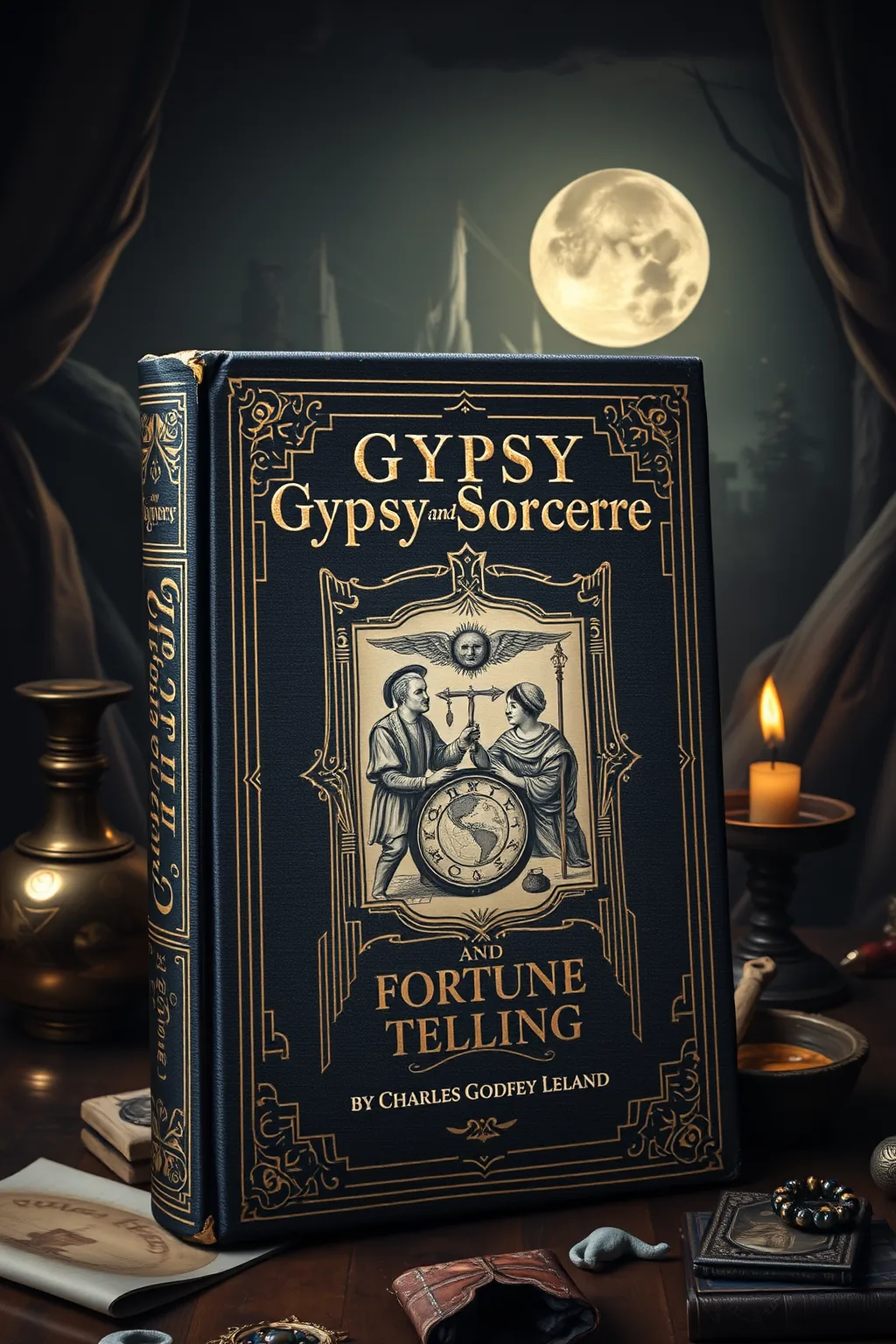
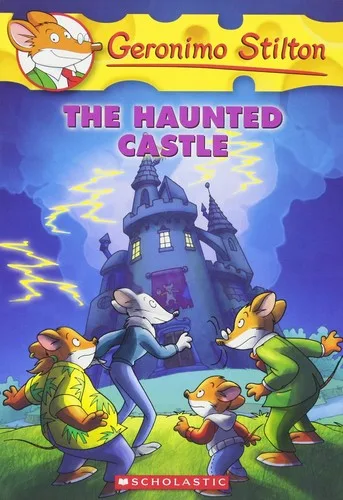
The Haunted Castle
 74
74

The Haunted Castle
Elisabetta Dami’s "The Haunted Castle" offers a compelling, if somewhat conventional, exploration of a classic haunted house trope. The strength of the work lies in its ability to build a palpable atmosphere of dread; the castle itself feels like a suffocating entity, its ancient stones seemingly breathing with a history of unease. Dami effectively uses descriptive prose to render the decay and isolation of the setting, making the reader feel the chill seeping from the walls. However, the narrative’s reliance on familiar spectral encounters, such as unexplained noises and fleeting apparitions, occasionally borders on cliché, lacking the innovative edge one might hope for in more contemporary esoteric fiction. A particular passage detailing the oppressive silence that descends upon the protagonist after midnight, broken only by an unidentifiable skittering sound within the walls, highlights both the author's skill in crafting tension and the story's grounding in established ghost lore. The book is a solid entry for those seeking straightforward supernatural suspense, but it may not satisfy readers looking for deeper metaphysical inquiry.
📝 Description
74
Elisabetta Dami's 2008 novel, The Haunted Castle, examines fear's psychological grip within a spectral setting.
In "The Haunted Castle," Elisabetta Dami crafts a narrative set within an unsettling, confined environment. The story focuses on supernatural events and the emotional toll fear takes on its characters. Instead of following a particular historical occult tradition, the novel taps into universal anxieties associated with places believed to be haunted. The castle itself functions as more than a mere backdrop; it is an active presence that shapes the characters' experiences and perceptions.
The book delves into themes of isolation and the uncanny. It frequently blurs the distinction between external paranormal occurrences and the internal anxieties of the protagonists. This approach allows for an exploration of how past events might leave an imprint on a location, creating what might be called residual hauntings. The narrative invites readers to consider the psychological effects of such an environment, where the very walls seem to hold echoes of past tragedies or presences. It appeals to those who enjoy atmospheric horror that prioritizes suspense and a pervasive sense of dread.
While not tied to a specific historical occult system, "The Haunted Castle" draws on the enduring literary trope of haunted locations. Its exploration of spectral presences and residual energies resonates with broader interests in the paranormal and folklore. The novel taps into a fascination with how environments can absorb and reflect past events, a concept present in various spiritualist and occult traditions, though Dami's work focuses on the archetypal and psychological dimensions rather than doctrinal adherence.
💡 Why Read This Book?
• You will experience the pervasive sense of dread cultivated by the castle's oppressive atmosphere, a feeling distinct from generic horror, by engaging with the detailed descriptions of the castle's architecture and its echoing chambers, first presented in 2008. • Readers will gain an appreciation for how isolation amplifies psychological fear, a concept vividly illustrated through the protagonist's solitude within the castle's vast, unexplored wings. • This book offers a study in atmospheric tension, demonstrating how setting can be a primary driver of supernatural unease, particularly through the detailed portrayal of the castle's decaying grandeur.
⭐ Reader Reviews
Honest opinions from readers who have explored this book.
❓ Frequently Asked Questions
What is the central theme of Elisabetta Dami's "The Haunted Castle"?
The central theme revolves around the psychological impact of a haunted environment, exploring how isolation and the uncanny nature of a decaying castle can manifest fear and unease in its inhabitants.
When was "The Haunted Castle" first published?
The book "The Haunted Castle" by Elisabetta Dami was first published in 2008.
Does the book focus on a specific esoteric tradition?
No, "The Haunted Castle" draws on archetypal fears associated with haunted locations rather than adhering to a specific historical or occult tradition.
What makes the castle in the book feel like a character?
The castle is depicted through detailed descriptions of its decay, isolation, and unsettling atmosphere, making its physical presence and perceived 'energy' actively influence the narrative and characters' psychological states.
Is "The Haunted Castle" suitable for readers new to esoteric literature?
Yes, it can be suitable for beginners interested in supernatural narratives and atmospheric horror, as it uses accessible themes of fear and the uncanny without requiring prior knowledge of complex esoteric systems.
What kind of supernatural phenomena are explored in the book?
The book explores phenomena typical of haunted house narratives, including unexplained noises, apparitions, and a pervasive sense of dread, focusing on their psychological effect.
🔮 Key Themes & Symbolism
The Castle as a Psychic Locus
The narrative posits the castle as more than just a setting; it functions as a psychic locus, an entity that absorbs and emanates the energies of its past inhabitants and events. This concept of place-memory is central, suggesting that locations can retain a form of consciousness or residual energetic imprint. The book explores how this perceived consciousness affects the present, manifesting as unexplained phenomena and psychological distress for those within its walls. The decaying architecture and isolated setting amplify this effect, creating an environment where the boundary between the natural and the supernatural becomes increasingly blurred for the characters.
Isolation and Psychological Amplification
A core theme is the profound effect of isolation on the human psyche, particularly when amplified by a potentially haunted environment. The castle's remoteness and the protagonist's solitude create a crucible where fears, anxieties, and perceptions of the supernatural are magnified. The narrative examines how the lack of external reference points and social interaction can lead to heightened suggestibility and an internalizing of external dread. This psychological amplification is key to the book's suspense, questioning whether the hauntings are purely external or partly projections of the characters' own mental states under duress.
The Uncanny in Architecture
The book engages with the concept of the uncanny as manifested through architecture. The castle, with its ancient stones, shadowed corridors, and forgotten rooms, embodies a sense of the familiar made strange and unsettling. This architectural uncanny evokes primal fears associated with enclosed spaces, darkness, and the unknown lurking within the seemingly solid structure. Dami uses the physical details of the castle – its creaking floors, drafty halls, and imposing facade – to create a tangible atmosphere of unease, suggesting that the building itself possesses an unsettling presence.
Archetypal Fear of the Unknown
At its heart, "The Haunted Castle" taps into archetypal fears, particularly the fear of the unknown and the spectral. It leverages the universal human apprehension associated with darkness, the past, and disembodied presences. The phenomena described—shadows, whispers, inexplicable cold spots—are common tropes in ghost stories precisely because they resonate with these deep-seated anxieties. The book doesn't necessarily seek to explain these phenomena through a specific esoteric doctrine but rather uses them to evoke a primal, instinctual sense of dread, making the narrative accessible to a broad audience interested in supernatural suspense.
💬 Memorable Quotes
Direct passages from the work, attributed to the author.
“The stones themselves seemed to whisper forgotten tales to the wind.”
— This metaphorical statement personifies the castle's ancient structure, suggesting that the very fabric of the building holds a history that is actively trying to communicate. It speaks to the idea of residual hauntings imprinted on the locale.
“Fear was a cold draught that snaked through the halls, finding every vulnerability.”
— This interpretation of fear as a physical, chilling presence highlights its pervasive nature within the castle. It illustrates how the environment actively facilitates and amplifies the characters' terror, making it inescapable.
“The castle held its past not in archives, but in its very atmosphere.”
— This concept suggests that the castle's history is not contained in written records but is an active, ambient force. It implies a form of environmental memory, where past events are perpetually present in the castle's intangible essence.
💡 Key Ideas
Editorial paraphrase of the work's core concepts — not direct quotes.
The silence in the castle was not empty, but heavy, as if it held its breath.
This line captures the oppressive atmosphere of the haunted castle. It suggests the silence is not merely an absence of sound but a palpable presence, imbued with an expectant, watchful quality, hinting at unseen forces.
Every shadow seemed to stretch and deepen, concealing more than just darkness.
This quote emphasizes the psychological effect of the environment, where ordinary shadows take on a menacing quality. It implies that the darkness within the castle harbors hidden threats or unsettling truths, fueling the sense of unease.
🌙 Esoteric Significance
Tradition
While "The Haunted Castle" does not strictly adhere to a single esoteric tradition like Hermeticism or Gnosticism, it draws heavily on the archetypal concept of the haunted place, which is a recurring motif in folklore and occult narratives across many cultures. It can be seen as engaging with the broader stream of Western esotericism that explores the nature of consciousness, psychic phenomena, and the interaction between the material and immaterial realms. The work aligns with a more popular, less dogmatic approach to the supernatural, focusing on subjective experience and atmospheric dread.
Symbolism
The primary symbol is the castle itself, representing a complex of fears: the past, confinement, the unknown, and the decaying self. Its ancient stones symbolize history and the weight of time, while its shadowed corridors and hidden rooms represent the unconscious mind and repressed memories. The pervasive cold and unexplained noises function as symbols of spectral presence, the intrusion of the non-physical into the physical world, evoking primal anxieties about mortality and the afterlife.
Modern Relevance
In contemporary esoteric thought, "The Haunted Castle" speaks to discussions surrounding psychogeography, the study of how geographical environments affect the mind and emotions. It also connects with modern parapsychology and the growing interest in subjective paranormal experiences. Thinkers and practitioners exploring liminal spaces, the nature of consciousness, and the energetic imprint of history on locations may find its atmospheric explorations relevant to their own inquiries into the subtle influences of place.
👥 Who Should Read This Book
• Readers interested in atmospheric horror and gothic suspense, who appreciate narratives where the setting plays a central role in building dread and mystery. • Individuals exploring the psychological impact of isolation and fear, particularly in relation to uncanny or potentially supernatural environments. • Those curious about folklore and archetypal ghost stories, who enjoy narratives that tap into universal anxieties about the unknown and the spectral.
📜 Historical Context
Published in 2008, Elisabetta Dami's "The Haunted Castle" emerged during a period where supernatural fiction and gothic revivals continued to maintain a strong presence in popular culture. While not directly aligned with the systematic occultism of the late 19th and early 20th centuries, such as the Theosophical Society's exploration of subtle bodies and reincarnation, the book taps into the enduring fascination with hauntings and spectral presences that have populated literature since Horace Walpole's "The Castle of Otranto" (1764). The early 2000s saw a resurgence of interest in ghost stories and paranormal investigations, fueled by media and a desire to explore the uncanny. Unlike the more academic or ritualistic approaches of figures like Aleister Crowley or Dion Fortune, Dami's work focuses on the atmospheric and psychological dimensions of a haunted location. The reception of such narratives often involves a blend of critical appreciation for atmosphere and a more general readership drawn to suspense and the supernatural, without necessarily engaging in deep theoretical discourse.
📔 Journal Prompts
The castle's oppressive silence: what might it symbolize for your own inner quietude?
Reflect on a time when a place felt 'haunted' by its history or atmosphere.
The protagonist's isolation: how does solitude amplify or alter perceptions of reality?
Consider the architectural details of the castle and their connection to fear.
Analyze the interplay between external phenomena and internal psychological states in the narrative.
🗂️ Glossary
Uncanny
A quality of being strangely familiar yet unsettling, often evoking a sense of unease or dread. In "The Haunted Castle," it refers to the castle's ability to make ordinary elements feel disturbingly alien.
Psychic Locus
A concept suggesting a place that absorbs and retains psychic or emotional energy from past events or inhabitants, influencing the present atmosphere and experiences within it.
Archetypal Fear
Deep-seated, universal fears common to the human psyche, such as the fear of darkness, death, or the unknown, often triggered by symbolic representations.
Atmospheric Dread
A pervasive feeling of fear and apprehension generated by the environment, mood, and sensory details of a setting, rather than direct threats.
Place-Memory
The idea that a location can hold an imprint or 'memory' of past events, accessible through sensory or psychic means, influencing those who inhabit the space.
Residual Haunting
A type of haunting where past events are believed to replay themselves in a specific location, often without intelligent interaction, like an energetic echo.
Gothic Tropes
Recurring elements and conventions found in Gothic literature, such as ancient castles, dark secrets, supernatural occurrences, and psychological torment.
🔮 Readers Also Liked
Browse all →







More by Elisabetta Dami
All books →





More Free Occult Philosophy Books
View all →