The Hatha Yoga Pradipika
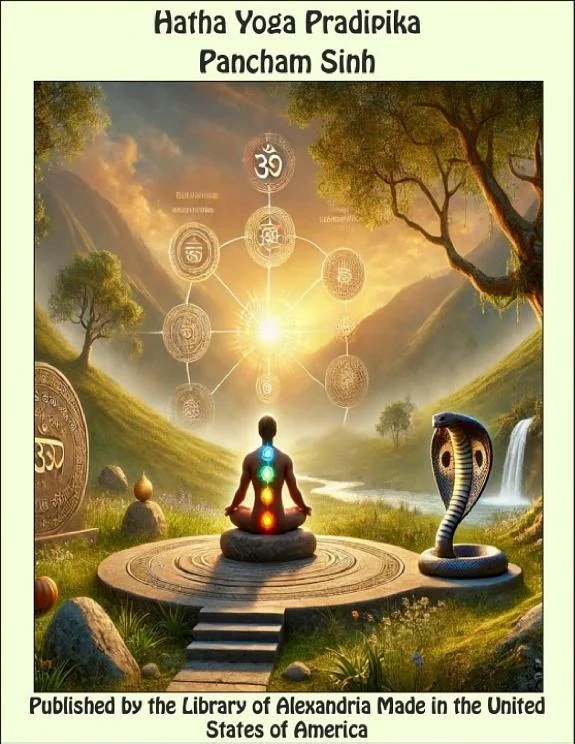
 71
71

The Hatha Yoga Pradipika
The Hatha Yoga Pradipika, despite its unknown author and obscure origins, presents a starkly practical approach to yogic discipline that cuts through later embellishments. Swatmarama's directness regarding the shatkarmas, for instance, is striking; he doesn't shy away from their perceived dirtiness or danger, but instead insists on their necessity and the proper methods. The work's strength lies in its systematic, almost clinical, cataloging of practices – from the 84 asanas, many of which are now lost to common practice, to the intricate explanations of pranayama techniques. However, the sheer density of technical instruction, especially concerning the more advanced mudras and bandhas, can feel overwhelming without a qualified guru, a point the text itself implicitly acknowledges. The emphasis on achieving *raja-yoga* (royal yoga) through *hatha-yoga* is a crucial distinction often missed. It remains an indispensable, if challenging, source for understanding the original intent of yogic science.
📝 Description
71
The Hatha Yoga Pradipika, likely from the 15th century, details physical practices for higher yogic states.
This Sanskrit text, attributed to Yogi Swatmarama, outlines a system for purifying the body and mind. It goes beyond simple postures to describe pranayama (breath control), asana (postures), mudra (gestures), and bandha (locks). The book also includes guidance on diet and creating an appropriate environment for practice. It aims to clarify Hatha Yoga's often misunderstood techniques, particularly purification practices like Nauli and Neti. Swatmarama composed this text to provide a clear guide to these methods. The Pradipika presents asanas as stable, comfortable positions, emphasizing their role in yogic discipline. It emerged from a period of rich philosophical inquiry in India, synthesizing earlier yogic traditions and influencing other schools of thought like Vedanta and Tantra. The author sought to address misconceptions about the compulsory and potentially dangerous nature of some purification techniques.
The Hatha Yoga Pradipika is of interest to dedicated yoga practitioners and scholars interested in its historical roots. It is particularly relevant for those studying the development of yogic science and its original, integrated approach to spiritual discipline. Students of esoteric traditions may find it a practical manual for achieving altered states of consciousness through systematic physical and energetic manipulation. The text systematically details techniques that were often misunderstood even in its own time, clarifying their purpose and application.
Emerging around the 15th century in India, The Hatha Yoga Pradipika synthesizes earlier yogic traditions within a flourishing period of Indian philosophy. It connects to practices found in Tantra and Vedanta, aiming to clarify the physical and energetic disciplines of Hatha Yoga. The text serves as a manual for practitioners seeking to achieve higher yogic states through systematic physical and energetic manipulation, including the use of purification techniques (shatkarmas) and specific postures (asanas) to prepare the body and mind.
💡 Why Read This Book?
• Learn the original systematic approach to pranayama, including specific breath retention ratios (kumbhaka) and their energetic effects, as detailed in Chapter 2, moving beyond superficial breathing exercises. • Understand the purpose and methods of the six Shatkarmas, such as Neti and Dhauti, which were foundational for cleansing the physical body to prepare for advanced yogic states. • Grasp the concept of subtle body anatomy as described by Swatmarama, focusing on the nadis and chakras, and how asanas and pranayama are designed to activate them.
⭐ Reader Reviews
Honest opinions from readers who have explored this book.
❓ Frequently Asked Questions
When was the Hatha Yoga Pradipika likely written?
The Hatha Yoga Pradipika is generally believed to have been written by Yogi Swatmarama around the 15th century CE, making it a significant historical text in the development of yogic practices.
What are the main practices described in the Hatha Yoga Pradipika?
The text details Asana (postures), Pranayama (breath control), Mudra (gestures), and Bandha (locks), alongside Shatkarmas (purification techniques) and dietary recommendations.
Is the Hatha Yoga Pradipika suitable for beginners?
While foundational, the text's technical depth and emphasis on potentially challenging purification practices mean it is best approached by dedicated practitioners, ideally with guidance, rather than absolute beginners.
What is the relationship between Hatha Yoga and Raja Yoga according to the Pradipika?
The Pradipika posits Hatha Yoga as a preparatory stage for Raja Yoga. Its physical and energetic disciplines are designed to purify the body and mind, enabling the attainment of the higher, meditative states of Raja Yoga.
How many Asanas are listed in the Hatha Yoga Pradipika?
The text mentions 84 Asanas as being important, though it specifically details and illustrates only a few, such as Siddhasana, Padmasana, and Bhadrasana.
What is the role of Shatkarmas in Hatha Yoga?
Shatkarmas, or the six internal cleansing techniques (like Neti, Dhauti, Nauli), are presented as essential for purifying the body's channels and removing blockages, making the system receptive to pranic energy and advanced practices.
🔮 Key Themes & Symbolism
Body Purification (Shatkarmas)
The text emphasizes that a purified physical vessel is paramount for yogic advancement. The six Shatkarmas—Dhauti, Vasti, Neti, Nauli, Trataka, and Kapalabhati—are presented not as optional extras but as necessary steps to eliminate impurities and blockages within the body's systems. This cleansing prepares the practitioner for the subtler work of pranayama and meditation, ensuring the efficient flow of prana and preventing potential harm from later practices. The Pradipika argues that without this internal sanitation, attempts at higher yogic states are futile or even dangerous.
Prana and Breath Control
Pranayama is central to the Pradipika's system, viewed as the key to controlling vital life force (prana). Swatmarama details numerous breathing techniques, including various forms of kumbhaka (breath retention), designed to regulate, purify, and expand prana. This controlled respiration is essential for awakening the subtle energy channels (nadis) and stimulating the chakras. By mastering breath, the practitioner gains control over the mind, reduces mental fluctuations, and cultivates the inner stillness required for profound meditative states and spiritual realization.
The Nadis and Chakras
The Hatha Yoga Pradipika extensively discusses the subtle body's energetic framework, particularly the network of nadis (energy channels) and the primary chakras (energy centers). It teaches that the main central channel, Sushumna nadi, becomes accessible only after the other nadis are purified through pranayama. The text explains how yogic practices, especially pranayama and bandhas, are designed to awaken Kundalini energy at the base of the spine and guide it upward through the chakras, leading to spiritual illumination and liberation.
Asana as Foundation
While often seen as the primary focus in modern yoga, the Pradipika presents Asana as a crucial but initial step. It describes 84 Asanas as important, but emphasizes the need for a steady, comfortable posture (sukhasana) that facilitates long periods of meditation and pranayama. The purpose of Asana in this context is not just physical flexibility or strength, but the cultivation of mental stability and the ability to sit comfortably for extended durations, which is fundamental for all subsequent yogic disciplines.
💬 Memorable Quotes
Direct passages from the work, attributed to the author.
“There are as many postures as there are living beings.”
— This statement highlights the vastness and adaptability of Asana practice. It suggests that the number of physical forms is limitless, implying that the practice should be tailored to the individual's needs and capabilities, rather than adhering to a rigid, finite list.
“When the breath wanders, the mind also wanders. When the breath is still, the mind is also still. This is the goal of the yogi.”
— This principle underscores the deep connection between the respiratory system and mental states. It posits that by controlling the breath, one can directly influence and calm the turbulent mind, achieving a state of mental stillness essential for yogic realization.
“The body is the temple of the spirit.”
— This interpretation reflects the text's view of the physical body not as an impediment, but as a sacred vehicle. The rigorous practices of Hatha Yoga are thus presented as a means of purifying and preparing this 'temple' to house higher consciousness and spiritual energy.
“When the nadis are purified, the prana moves freely.”
— This concept links the health of the subtle energetic channels (nadis) directly to the unimpeded flow of vital energy (prana). It explains the necessity of purification practices like pranayama and Shatkarmas to clear blockages and allow prana to circulate effectively throughout the being.
“Prana is the life-force; its control is the highest asceticism.”
— This elevates pranayama beyond mere breathing exercises, positioning it as the most significant spiritual discipline. It suggests that mastering the vital energy through breath control is the ultimate path to spiritual mastery and liberation.
🌙 Esoteric Significance
Tradition
The Hatha Yoga Pradipika is deeply rooted in the Nath Sampradaya, a lineage of Shaivite yogis known for their emphasis on physical purification, pranayama, and the awakening of Kundalini. It synthesizes Tantric principles of energy manipulation with yogic asceticism. While it draws from earlier yogic texts and broader Indian philosophical currents like Vedanta, its systematic focus on physical techniques as a means to achieve spiritual liberation aligns it firmly within the Vajrayana-influenced esoteric traditions of India.
Symbolism
Key symbols include the Sushumna nadi, the central energetic channel running up the spine, representing the primary pathway for Kundalini's ascent. The Chakras, particularly the six major ones, symbolize stages of consciousness and energetic activation. The awakening of Kundalini itself, often depicted as a coiled serpent at the base of the spine, represents the dormant spiritual potential that the yogic practices are designed to rouse and elevate towards higher awareness.
Modern Relevance
Contemporary yoga studios worldwide, even those focused on Asana, often owe their lineage indirectly to the Pradipika's foundational descriptions. Esoteric practitioners, particularly those in Tantric and Kundalini yoga traditions, directly engage with its teachings on pranayama, mudras, and bandhas. Thinkers and practitioners exploring consciousness, subtle energy systems, and non-dualistic philosophies find its detailed methodology for mind-body integration highly relevant for modern spiritual exploration.
👥 Who Should Read This Book
• Dedicated yoga practitioners seeking to understand the historical and esoteric underpinnings of their practice beyond contemporary adaptations. • Scholars of comparative religion and Eastern philosophy interested in primary source materials on yogic traditions and their development. • Students of esoteric and occult sciences looking for practical manuals on subtle energy manipulation and consciousness alteration through systematic physical discipline.
📜 Historical Context
Emerging from the vibrant philosophical range of 15th-century India, The Hatha Yoga Pradipika by Yogi Swatmarama stands as a critical synthesis of earlier yogic traditions. It was penned during a period when diverse spiritual paths, including various schools of Vedanta and Tantra, were actively developing and interacting. Swatmarama’s work aimed to clarify Hatha Yoga, which was often misunderstood or practiced secretively. He directly addressed popular misconceptions, such as the idea that its purification techniques (Shatkarmas) were inherently dangerous or solely for the unclean. The text sought to establish Hatha Yoga as a legitimate and systematic preparatory path for Raja Yoga. Its influence was profound, shaping the trajectory of yogic practices and providing a foundational manual for generations of practitioners and scholars, offering a contrast to purely devotional or philosophical approaches prevalent at the time.
📔 Journal Prompts
The precise descriptions of Shatkarmas like Neti and Dhauti.
The concept of Prana and its connection to the wandering mind.
The energetic significance of the Sushumna nadi and the Chakras.
The role of Asana in facilitating deep meditation.
The comparison between Hatha Yoga and Raja Yoga as presented.
🗂️ Glossary
Asana
A steady and comfortable posture, practiced in Hatha Yoga for physical stability and mental concentration. The Pradipika lists 84 important Asanas.
Pranayama
The science of breath control, involving regulation of inhalation, exhalation, and retention (Kumbhaka) to control vital life force (Prana).
Shatkarmas
The six internal cleansing techniques (e.g., Neti, Dhauti, Nauli) designed to purify the body and prepare it for advanced yogic practices.
Mudra
Symbolic gestures or seals, often involving hand positions or entire body postures, used to direct energy flow and influence consciousness.
Bandha
Energetic locks that involve tensing specific muscle groups to control and direct the flow of Prana within the subtle body.
Nadis
Subtle energy channels within the body through which Prana flows. The Pradipika mentions 72,000 Nadis, with Sushumna being the most important.
Kundalini
The latent spiritual energy believed to reside at the base of the spine, which yogic practices aim to awaken and raise through the Sushumna nadi.
This book appears in 1 collection
🔮 Readers Also Liked
Browse all →









From the “Hatha Yoga” Collection
View all →







More Free Occult Philosophy Books
View all →