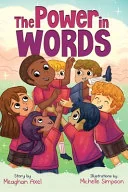
The Power in Words
 80
80

The Power in Words
Meaghan Axel’s *The Power in Words* offers a refreshingly direct approach to the energetic impact of language, particularly for younger audiences. The book’s strength lies in its accessible narrative, translating complex ideas about manifestation and intention into simple, actionable advice for children. Axel avoids overly spiritual jargon, grounding the concepts in everyday interactions. However, its brevity, while a virtue for its target demographic, leaves adult readers seeking deeper theoretical underpinnings wanting more. The section discussing how a child’s voice matters, specifically encouraging them to speak kindly about themselves, is a potent, concrete example of the book’s practical application. The work serves as a gentle introduction to a significant esoteric principle, though its exploration remains introductory. It’s a valuable primer for mindful communication.
📝 Description
80
Meaghan Axel's 2020 book, The Power in Words, asserts that language carries inherent energy.
The Power in Words, published in 2020 by Meaghan Axel, posits that spoken and written words possess an intrinsic energy capable of shaping individual realities and collective experiences. The book serves as a guide to harnessing this power through mindful speech and intentional communication. It advocates for language's constructive potential, promoting its use to foster positivity, connection, and well-being.
This work is intended for parents and educators aiming to instill positive communication habits in children, as well as adults interested in personal development, mindfulness, and the ethical application of language. Readers seeking to cultivate empathy, reduce conflict through thoughtful expression, or understand the energetic resonance of their speech will find value. It speaks to anyone who believes in the transformative capacity of carefully chosen words.
The primary concepts center on the inherent energy within words, the significance of intentionality in speech, and the practical use of mindful language for personal and relational growth. Axel introduces language as a performative force, not merely descriptive.
Published in late 2020, The Power in Words emerged during a time of increased focus on social discourse and communication's influence. While not directly linked to a specific historical esoteric movement, its themes resonate with perennial philosophies on the creative power of sound and utterance. These ideas can be found in traditions such as the Kabbalah or Vedic chanting. The book aligns with a contemporary resurgence of interest in consciousness studies and the psychological impact of language, a trend noted since the mid-20th century.
💡 Why Read This Book?
• You will learn to consciously employ language as a tool for positive creation, understanding how specific word choices, as detailed in the book's encouragement of mindful speech, can actively shape your environment and inner state. • Gain practical strategies for fostering kindness and empathy in children, recognizing the book's emphasis on teaching children that their voice matters and how to use it constructively. • Discover how to cultivate inner peace through intentional communication, a core principle highlighted by the book's focus on creating more beauty, love, and peace in one's life.
⭐ Reader Reviews
Honest opinions from readers who have explored this book.
❓ Frequently Asked Questions
What age range is 'The Power in Words' best suited for?
The book is primarily designed for children, with its narrative and lessons appealing to ages roughly 4-10. However, the underlying principles of mindful language are beneficial for parents and educators engaging with children in this age group.
How does 'The Power in Words' differ from other children's books on kindness?
While many books address kindness, 'The Power in Words' specifically frames language itself as an energetic force. It moves beyond simply telling children to be kind, teaching them *how* their words possess power and can create positive outcomes.
Can adults benefit from reading 'The Power in Words'?
Absolutely. Adults can use the book as a tool to reflect on their own communication habits and as a guide for teaching children the foundational principles of mindful and impactful speech.
What is the main message about self-talk in the book?
The book emphasizes that children should be encouraged to speak kindly about themselves, reinforcing the idea that their internal dialogue significantly impacts their self-esteem and perception of the world.
When was 'The Power in Words' first published?
Meaghan Axel's 'The Power in Words' was first published on November 24, 2020, aligning with a growing interest in conscious communication and personal development.
What esoteric tradition does 'The Power in Words' draw upon?
While accessible to a general audience, the book’s core concept of words as energetic forces echoes principles found in various esoteric traditions, including Hermeticism and certain interpretations of Kabbalistic thought concerning the power of divine utterance.
🔮 Key Themes & Symbolism
Language as Energetic Force
The book posits that words are not inert symbols but carry distinct energetic frequencies. This concept, explored through Axel's narrative, suggests that spoken language actively shapes reality, influencing both the speaker's and listener's emotional and mental states. This aligns with esoteric traditions that view sound and vibration as fundamental creative principles, such as the 'logos' in Hermeticism or the power of mantra in Eastern practices.
Mindful Communication
Central to the book is the practice of mindful communication, encouraging intentionality behind every word spoken. It advocates for conscious word choice, emphasizing the need to consider the impact of one's language on oneself and others. This theme encourages readers, particularly children, to pause and reflect before speaking, fostering a habit of thoughtful expression over impulsive reaction.
Kindness and Empathy
The book champions kindness as the most potent application of verbal power. It illustrates how acts of verbal kindness can create positive ripples, fostering love and peace. By teaching children the value of speaking positively about themselves and others, Axel underscores the role of language in building self-esteem and nurturing empathetic connections within communities.
Empowerment Through Voice
A significant theme is the empowerment derived from understanding the power of one's own voice. The book assures readers, especially children, that their words matter and can effect change. This empowers young individuals to recognize their agency in communication, encouraging them to use their voice constructively to contribute positively to their surroundings.
💬 Memorable Quotes
Direct passages from the work, attributed to the author.
“Your words have the power to change the world.”
— This central assertion highlights the book's premise: language is not merely descriptive but performative. It suggests that deliberate, kind, and mindful communication can initiate significant positive transformations, both internally and externally.
“Kindness is the best choice—use the power of your voice!”
— This expresses the book's core practical advice. It frames kindness as the most effective and powerful way to wield language, urging readers to actively employ their vocal abilities for beneficial outcomes.
“Teach your child that their voice matters.”
— This phrase emphasizes the book's pedagogical intent, focusing on empowering children. It underscores the importance of validating a child's expression and guiding them to understand the responsible and impactful use of their voice.
“Help your child make mindful choices about the way they speak to others and about themselves.”
— This highlights the book's practical guidance for parents and educators. It points to the development of self-awareness in speech, promoting conscious decision-making regarding interactions and internal self-talk.
“Learn how to create more beauty, love, and peace in your life with this delightful book encouraging mindful language.”
— This statement outlines the tangible benefits of engaging with the book's teachings. It promises a path towards enhanced well-being and more positive experiences through the deliberate application of mindful linguistic practices.
🌙 Esoteric Significance
Tradition
The work aligns with esoteric traditions that emphasize the creative and manifestational power of sound and language, such as certain interpretations within Hermeticism and Gnosticism where the 'logos' or divine utterance is seen as the source of creation. It departs from purely intellectual traditions by focusing on practical, child-friendly application, making these concepts accessible without requiring deep prior knowledge of complex metaphysical systems.
Symbolism
While the book is not heavily symbolic in a traditional esoteric sense, the 'voice' itself acts as a primary symbol for individual agency and creative potential. The act of 'speaking' represents the outward projection of one's inner state and the active shaping of reality. Words are presented as energetic 'seeds' that, when consciously planted through mindful language, can yield specific fruits of beauty, love, and peace.
Modern Relevance
Contemporary thinkers in positive psychology and consciousness studies, as well as educators focused on social-emotional learning (SEL), draw upon the principles advocated in 'The Power in Words'. Practices like affirmations, mindful speaking, and conscious parenting echo its core tenets. The book's emphasis on the energetic impact of language is also relevant to modern manifestation and law of attraction communities seeking practical techniques.
👥 Who Should Read This Book
• Parents and caregivers seeking to instill positive communication habits and self-esteem in young children, providing a framework for teaching mindful speech. • Educators and child development specialists looking for accessible tools to foster emotional intelligence and empathetic interaction among students. • Individuals interested in personal growth and mindfulness who wish to understand and harness the subtle power of their everyday language for greater well-being.
📜 Historical Context
The Power in Words, published in November 2020, arrived at a moment of intense global focus on communication, amplified by digital media and social movements. While not directly a product of a specific historical esoteric school, its themes resonate with perennial philosophies concerning the creative potency of speech. Concepts of 'mantra' and the power of divine utterance are found in ancient Vedic traditions, and the Hermetic principle of 'As Above, So Below' can be interpreted through the lens of language shaping reality. The book's emergence coincided with a growing interest in mindfulness and positive psychology, movements gaining significant traction since the early 2000s. It taps into a zeitgeist seeking tools for personal empowerment and positive social interaction, a trend observable in the wider popular adoption of therapeutic and self-help methodologies. Unlike more academic explorations of language, Axel's work offers an accessible entry point, contrasting with the dense theoretical frameworks of linguists like Noam Chomsky or philosophers of language.
📔 Journal Prompts
The energetic potential of your spoken words.
Choosing kindness as your primary communication tool.
The impact of speaking about yourself with care.
Creating beauty, love, and peace through mindful language.
How your voice can contribute to positive change.
🗂️ Glossary
Mindful Language
The practice of choosing words with conscious intention, awareness of their impact, and alignment with desired outcomes of kindness, clarity, and positivity.
Energetic Force
The inherent power or vibration attributed to words, suggesting they are not merely symbols but active agents that can influence thoughts, emotions, and external circumstances.
Intentionality
The quality of having a purpose or goal behind one's actions or words; in this context, speaking with a deliberate aim to create positive effects.
Self-Talk
The internal dialogue one has with oneself, encompassing thoughts and beliefs about one's own abilities, worth, and experiences.
Verbal Kindness
The act of using language in a way that is considerate, compassionate, and supportive towards others and oneself.
Manifestation
The process by which thoughts, beliefs, or words are brought into physical reality; in this book, specifically related to how language can shape one's life experiences.
Empowerment
The process of becoming stronger and more confident, especially in controlling one's life and claiming one's rights; here, achieved through understanding the power of one's voice.
This book appears in 1 collection
🔮 Readers Also Liked
Browse all →









From the “Mindfulness” Collection
View all →








More Free Occult Philosophy Books
View all →