The Handbook of Palmistry
 78
78

The Handbook of Palmistry
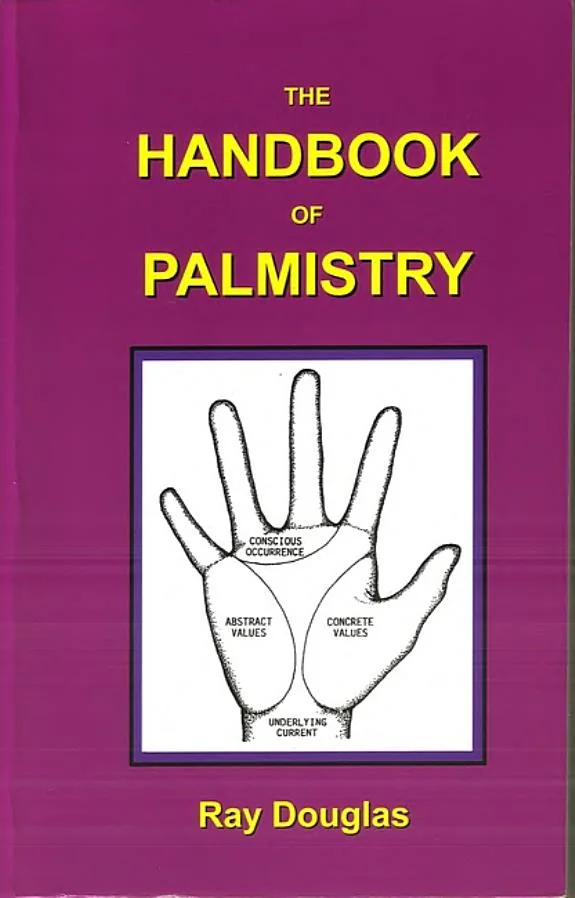
Ray Douglas's "The Handbook of Palmistry" moves beyond sensationalized fortune-telling, presenting a methodical approach to reading the hand. The work's strength lies in its detailed cataloging of hand features, from the prominent Life Line to the subtle nuances of finger shapes. Douglas clearly outlines the traditional interpretations, offering a structured learning path for enthusiasts. However, the book occasionally leans into the deterministic language of fate, which may feel overly rigid to readers seeking a more fluid understanding of potential. A particularly illustrative section details the interpretation of the Mount of Apollo, linking its prominence to artistic inclination and public recognition. While the 2009 publication date places it in a more contemporary era, its core content remains firmly rooted in classical palmistry. It serves as a solid, if somewhat conventional, primer on the subject.
📝 Description
78
Ray Douglas's 2009 handbook treats palmistry as a system for understanding character, not just fortune-telling.
Ray Douglas's "The Handbook of Palmistry," published in 2009, approaches chiromancy as a method for character assessment and life path interpretation, moving beyond simple fortune-telling. The book details the various lines, mounts, and hand shapes, providing a structure for understanding the meanings attributed to them. Douglas focuses on the practical use of these interpretations, aiming to make complex readings accessible to the diligent student.
This guide is for anyone interested in the study of the hand's symbolic language. It suits beginners and those with some prior experience in palmistry. Readers seeking self-understanding, character analysis, or connections between physical traits and life events will find its contents useful. The book requires careful study of hand anatomy as a symbolic system.
Palmistry's practice spans millennia, originating in ancient Indian, Chinese, and Egyptian cultures. It became prominent in Western esotericism during the Renaissance and saw renewed interest in the late 19th and early 20th centuries alongside spiritualism. Douglas's 2009 work offers a contemporary perspective on these traditional methods. The book connects to earlier texts, focusing on fate and fortune, aligning with historical practices that sought to interpret destiny through the hand.
💡 Why Read This Book?
• You will learn to interpret the specific meaning of the Head Line's variations, understanding how its shape and length correlate with intellectual capacity and decision-making processes as detailed in the book's chapters on major lines. • You will gain practical skills in analyzing the mounts, such as the Mount of Venus, to assess emotional tendencies and capacity for love, directly applying the symbolic interpretations provided by Douglas. • You will discover the traditional significance of the Fate Line and its relationship to career and life purpose, enabling you to connect specific hand markings to potential life trajectories as presented in the text.
⭐ Reader Reviews
Honest opinions from readers who have explored this book.
❓ Frequently Asked Questions
What is the main focus of Ray Douglas's 'The Handbook of Palmistry'?
The book primarily focuses on traditional palmistry, presenting the hand as a map of character, fate, and life events. It details how to interpret lines, mounts, and shapes for insights into fortune, love, and health.
When was 'The Handbook of Palmistry' first published?
'The Handbook of Palmistry' by Ray Douglas was first published in 2009, offering a contemporary take on classical palmistry techniques.
Does this book cover fortune-telling aspects of palmistry?
Yes, the handbook addresses fortune-telling, particularly concerning matters of fate and future predictions, aligning with traditional palmistry practices.
Is 'The Handbook of Palmistry' suitable for beginners?
Yes, the book is designed to be accessible, providing a structured approach that makes complex interpretations easier for those new to palmistry.
What specific elements of the hand does the book analyze?
It analyzes major and minor hand lines (like the Life Line, Heart Line), the mounts (e.g., Mount of Venus), and the overall shape and characteristics of the hand.
What kind of information can one gain from reading hands according to this book?
According to the book, one can gain information about a person's character, past fate, present circumstances, and future potentials concerning love, health, and life path.
🔮 Key Themes & Symbolism
Hand as a Symbolic Map
The central tenet is that the palm is a living map, reflecting an individual's inherent nature and life's trajectory. Douglas elaborates on how specific lines, such as the Heart Line and Head Line, and the prominence of mounts like Venus, serve as symbolic indicators. This perspective treats the hand not just as flesh and bone but as a repository of information, aligning with hermetic principles of correspondence where the microcosm (hand) reflects the macrocosm (life). The book guides readers to decode this intricate symbology for profound self-understanding.
Interpreting Fate and Fortune
A significant focus is placed on the predictive aspects of palmistry, particularly concerning what the book terms 'fate and fortune.' Douglas details how to read lines like the Fate Line to understand potential career paths, major life events, and overall destiny. This aligns with ancient divination practices that sought to understand divine will or natural predispositions. The work presents a systematic method for deciphering these omens, offering a framework for those interested in exploring predestined influences within their lives.
Character and Psychological Analysis
Beyond fortune-telling, the book emphasizes palmistry as a tool for deep character analysis. By examining the shape of the hand, the texture of the skin, and the configuration of fingers and lines, readers can purportedly understand a person's temperament, strengths, weaknesses, and psychological tendencies. This approach connects the physical form to inner states, echoing ideas found in physiognomy and other esoteric systems that link outward appearance to inner essence. It offers a method for gaining insight into motivations and emotional landscapes.
Holistic Approach to Well-being
The handbook integrates the interpretation of health and emotional well-being into its palmistry system. Specific lines, such as the Life Line and its relation to vitality, and the Heart Line's connection to emotional health, are meticulously explained. This holistic view suggests that the hand can reveal predispositions to certain health issues or emotional patterns. By understanding these indicators, the book implies, individuals can gain awareness and potentially influence their well-being, a concept present in many ancient healing traditions.
💬 Memorable Quotes
Direct passages from the work, attributed to the author.
“Every person's hand is a map containing an incredible amount of information concerning their life and character.”
— This foundational statement captures the book's core premise: the hand is not random but a deliberate inscription of personal destiny and inherent qualities, inviting detailed study.
“This information can be interpreted with ease once you know how.”
— Douglas suggests that the complexity of palmistry is overcome through systematic learning, positioning his handbook as the essential guide to acquiring this specialized knowledge.
“The Handbook of Palmistry carries the art of reading the hand to a new dimension.”
— This claim implies the book offers advancements or a deeper understanding beyond conventional palmistry, promising a more thorough and insightful approach to chiromancy.
“Focus on fortune telling, predicting matters of fate and fortune, love, health.”
— This highlights the practical applications covered, indicating the book provides guidance on key life areas, from romantic prospects to financial success and physical well-being.
“This book contains everything you could want to know about traditional palmistry.”
— An assertion of completeness, suggesting comprehensive coverage of established palmistry techniques and lore for the dedicated practitioner or enthusiast.
🌙 Esoteric Significance
Tradition
This work aligns with the Western Hermetic tradition, particularly its branches focused on divination and somatic correspondences. It draws heavily on classical chiromancy, which views the hand as a microcosm reflecting the macrocosm of a person's life and destiny. While not explicitly Kabbalistic or Gnostic, its emphasis on hidden knowledge accessible through symbolic interpretation speaks to broader esoteric principles of understanding universal laws through specific, observable phenomena.
Symbolism
Key symbols include the major lines of the hand: the Life Line (vitality, physical health), the Head Line (intellect, mental processes), and the Heart Line (emotions, relationships). The mounts, such as the Mount of Venus (love, passion) and the Mount of Jupiter (ambition, leadership), also function as crucial symbolic indicators. Their size, prominence, and markings are interpreted as direct representations of an individual's character traits and life potentials.
Modern Relevance
Douglas's handbook remains relevant for contemporary practitioners and students of esoteric arts who seek a structured, traditional approach to palmistry. It serves as a foundational text for those interested in psychological astrology, somatic symbolism, and modern divination techniques that often integrate hand analysis as a complementary practice. Its clear exposition appeals to a generation exploring these fields through online learning and self-study.
👥 Who Should Read This Book
• Aspiring palmists seeking a comprehensive introduction to the art, looking to understand the traditional interpretations of hand lines, mounts, and shapes. • Individuals interested in esoteric psychology and character analysis, who wish to explore how physical characteristics of the hand might correlate with personality traits. • Students of divination seeking to expand their toolkit, offering a practical system for personal insight and understanding potential life paths as detailed in the book.
📜 Historical Context
Ray Douglas's "The Handbook of Palmistry," published in 2009, emerged during a period where interest in esoteric practices continued to grow, often fueled by internet resources and a broader cultural fascination with self-help and alternative knowledge systems. This era saw a diverse field of occult literature, with some authors engaging with historical traditions while others innovated. Palmistry itself has a long and varied history, experiencing significant popularization in the late 19th and early 20th centuries, notably through figures like William Gurney and Cheiro (Count Louis Hamon). Douglas's work fits within this lineage, presenting a modern interpretation of traditional methods, which were themselves influenced by earlier Renaissance texts like Johannes Indagine's "Introductiones Apotelesmaticae in Chyromantiam" (1522). While not a direct response to a specific contemporary debate, the book implicitly engages with the ongoing discourse about the validity and application of ancient divinatory arts in the 21st century.
📔 Journal Prompts
The significance of the Heart Line's relationship to emotional expression.
Interpreting the Mount of Venus for insights into love and relationships.
Mapping the variations of the Head Line to understand cognitive styles.
Reflecting on the symbolic meaning of the Fate Line in one's own palm.
Connecting the overall hand shape to dominant personality characteristics.
🗂️ Glossary
Chiromancy
The practice of divination and character analysis through the study of the palm, including lines, mounts, and the shape of the hand and fingers.
Life Line
The semi-circular line on the palm extending from the thumb's base towards the wrist; traditionally interpreted as indicating vitality, health, and major life events.
Head Line
The horizontal line across the palm, often below the Heart Line; interpreted as representing intellect, learning ability, and the manner of thinking.
Heart Line
The uppermost horizontal line on the palm, running across the Mount of Jupiter; traditionally associated with emotional capacity, romantic relationships, and heart health.
Fate Line
A vertical line extending upwards from the base of the palm towards the fingers; interpreted as indicating career, life purpose, and significant external influences.
Mounts
The fleshy, raised portions of the palm, named after classical deities (e.g., Mount of Venus, Mount of Jupiter); believed to indicate specific character traits and potentials.
Minor Lines
Smaller lines on the palm, such as the Girdle of Venus or lines of influence, which provide supplementary details to the major lines and mounts.
This book appears in 1 collection
🔮 Readers Also Liked
Browse all →








From the “Palmistry” Collection
View all →








More Free Occult Philosophy Books
View all →