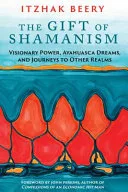
The Gift of Shamanism
 78
78

The Gift of Shamanism
Itzhak Beery’s *The Gift of Shamanism* provides a clear, accessible entry point into shamanic practices, moving beyond the esoteric mystique to offer actionable techniques. Beery’s personal anecdotes, particularly his work helping individuals communicate with deceased loved ones, lend a grounded, compassionate tone to the material. A notable strength is the detailed explanation of shamanic seeing, including candle readings, which offers a tangible method for spiritual diagnosis that many readers might find less abstract than other forms of divination. However, the book occasionally treads a fine line between practical instruction and anecdotal assertion, particularly when discussing the efficacy of soul retrieval for complex traumas. While the intention is clearly to empower the reader, the descriptions of rapid healing could benefit from more nuanced exploration of the challenges involved. Overall, *The Gift of Shamanism* serves as a valuable primer for those curious about engaging with shamanic principles, offering a blend of instruction and inspirational case studies.
📝 Description
78
Itzhak Beery's 2015 book guides readers through core shamanic practices.
The Gift of Shamanism presents a structured approach to shamanic techniques for individuals interested in personal growth and healing. Beery moves beyond theory, offering practical methods for connecting with innate shamanic abilities. The book is for those drawn to exploring non-ordinary states of consciousness, indigenous healing traditions, and communication with the unseen. It addresses spiritual or emotional blockages and provides guidance for understanding animal spirit guides, plant consciousness, and dream work. Readers will find methods for spiritual exploration and healing, making it a useful resource for those seeking deeper self-understanding and connection.
The text introduces readers to the shamanic cosmology and the nature of spirit helpers, including power animals and guides. It details the practice of journeying to non-ordinary reality for purposes such as soul retrieval. Beery explains how to work with plant and animal spirits, interpret dreams, and understand spiritual causes of physical and emotional ailments. A key concept is shamanic 'seeing' as a diagnostic tool, employing techniques like candle readings and remote viewing.
This work emerges from the contemporary resurgence of interest in shamanism, a tradition with ancient roots across many cultures. It builds on the groundwork laid by figures who popularized core shamanism in the West, like Michael Harner. The book reflects a broader trend where ancient spiritual practices are being re-examined and integrated into modern life, often outside established religious or academic structures. It connects with a global movement seeking alternative paths to healing and understanding.
💡 Why Read This Book?
• Learn specific techniques for accessing spirit guides and power animals, as detailed in chapters concerning animal messages, enabling a direct connection to non-physical allies for guidance. • Gain practical understanding of shamanic journeying, a core practice first systematized for Western audiences by Michael Harner, allowing you to explore non-ordinary reality for insight. • Discover methods for spiritual diagnosis through "shamanic seeing," including candle readings, offering a unique approach to identifying and addressing energetic or emotional imbalances.
⭐ Reader Reviews
Honest opinions from readers who have explored this book.
❓ Frequently Asked Questions
What specific shamanic practices does Itzhak Beery explain in The Gift of Shamanism?
The book details practices such as soul retrieval, communicating with spirit animals and plant spirits, intuitive dreaming, and shamanic journeying. It also covers methods for spiritual diagnosis like candle readings and remote viewing, as presented by the author.
When was The Gift of Shamanism first published?
The Gift of Shamanism by Itzhak Beery was first published on March 13, 2015, making it a relatively contemporary guide to shamanic practices.
Can The Gift of Shamanism help with grief or communicating with the deceased?
Yes, the book explores how shamanic techniques can facilitate communication with loved ones who have passed on, aiming to help individuals process grief and find spiritual closure.
What is the shamanic concept of 'seeing' as described by Beery?
Shamanic 'seeing,' as explained in the book, refers to a spiritual diagnostic ability used to perceive the energetic, emotional, or physical causes of ailments through methods like candle readings and journeys into non-ordinary reality.
Are there practical exercises or rituals in The Gift of Shamanism?
The book offers practical guidance and explanations of rituals, including how to conduct shamanic journeys, connect with power animals, and utilize candle readings for spiritual insight, encouraging direct experience.
What are some of the spiritual ailments addressed in the book?
The book addresses spiritual, emotional, and physical ailments by explaining how shamanic practices can diagnose and help release negative energies, trauma, or spiritual blockages affecting well-being.
🔮 Key Themes & Symbolism
Spirit Animal Communication
The work emphasizes the direct communication with spirit animals, often referred to as power animals, as a core part of shamanic practice. Beery illustrates how these animal spirits serve as guides and allies, offering wisdom, protection, and healing. The book details methods for encountering and forming relationships with these entities, suggesting that individuals can receive profound messages and support through this connection, enriching their understanding of the natural and spiritual worlds.
Shamanic Journeying and Non-Ordinary Reality
A central theme is the practice of shamanic journeying, a technique for entering altered states of consciousness to access non-ordinary reality. Beery explains how this practice, often facilitated by drumming, allows practitioners to meet spirit guides, retrieve lost soul parts, and gain insight into complex life issues. The book frames this journeying as a fundamental method for spiritual exploration and personal transformation, accessible to anyone willing to learn.
Spiritual Diagnosis and Healing
The text explores the shamanic approach to diagnosing spiritual, emotional, and physical ailments. Beery details methods such as candle readings and intuitive dream interpretation as ways to "see" the energetic roots of imbalance. The book suggests that by understanding these spiritual causes, individuals can undertake healing processes, including soul retrieval, to restore wholeness and well-being, often with the assistance of spirit allies.
Plant Spirit Medicine
The role and wisdom of plant spirits are highlighted as significant sources of healing and insight within shamanism. Beery discusses experiences with plant medicines, particularly in the Amazonian context, and how these sacred plants can facilitate profound revelations and therapeutic breakthroughs. The book conveys that plants possess their own consciousness and offer unique guidance when approached with respect and intention.
💬 Memorable Quotes
Direct passages from the work, attributed to the author.
“Discover the shamanic powers within each of us”
— This foundational statement suggests that shamanic abilities are not exclusive to ancient traditions but are inherent potentials within modern individuals, waiting to be awakened through practice.
“Explores ayahuasca rituals in the Amazon”
— This points to the book's engagement with potent South American shamanic traditions, indicating a focus on practices involving entheogenic substances for spiritual insight and healing.
“messages from power animals and plant spirits”
— Highlights the book's content on interspecies communication, emphasizing the guidance and wisdom available from the natural world's spiritual dimensions.
“the shamanic way of “seeing” to diagnose spiritual, emotional, and physical ailments”
— This describes a core diagnostic methodology within shamanism, suggesting a holistic approach to health that addresses the spiritual or energetic roots of illness.
“communicate with loved ones who have passed on”
— Indicates that the book offers methods for spiritual connection across the veil of death, potentially aiding in grief processing and maintaining spiritual bonds.
🌙 Esoteric Significance
Tradition
This work fits within the modern, Western interpretation of shamanism, often termed 'core shamanism,' which extracts universal elements from diverse indigenous traditions. It departs from strict adherence to any single culture's cosmology, instead offering a synthesized approach accessible to individuals from any background. It aligns with a broader esoteric movement seeking direct experience of the divine and the unseen, bypassing institutional dogma.
Symbolism
Key symbols include 'power animals,' representing primal forces and spiritual guides offering protection and wisdom; 'plant spirits,' embodying the consciousness and healing intelligence of the botanical world; and the 'shamanic journey,' symbolizing the descent into the unconscious or non-ordinary reality for insight and healing. The 'candle reading' serves as a visual metaphor for spiritual perception, transforming light into symbolic messages.
Modern Relevance
Beery's approach continues to inform contemporary shamanic practitioners, therapists integrating somatic and spiritual approaches, and individuals exploring consciousness expansion outside traditional religious frameworks. His emphasis on practical application and personal empowerment appeals to modern seekers interested in embodied spirituality and direct connection to nature's intelligence, influencing circles focused on eco-spirituality and holistic wellness.
👥 Who Should Read This Book
• Aspiring practitioners of shamanism seeking a practical introduction to core techniques like journeying and spirit communication. • Individuals interested in alternative healing modalities looking to understand how spiritual factors influence emotional and physical well-being. • Those curious about indigenous wisdom traditions and how ancient practices can be integrated into contemporary life for personal growth.
📜 Historical Context
Itzhak Beery’s *The Gift of Shamanism* (2015) emerged during a period of significant global interest in indigenous spiritual practices, a trend that gained momentum throughout the late 20th and early 21st centuries. This era saw a growing disillusionment with purely materialistic worldviews and a concurrent search for alternative paths to healing and meaning. Beery’s work builds upon the foundational efforts of figures like Michael Harner, whose book *The Way of the Shaman* (1980) was instrumental in popularizing core shamanism in the West and establishing the Foundation for Shamanic Studies. Unlike earlier anthropological studies that often viewed shamanism from an outsider perspective, Beery’s book emphasizes direct personal experience and practice. It arrived in a landscape already populated by various shamanic practitioners and organizations, but its accessible style aimed to clarify the practice for a broader audience, potentially distinguishing it from more academic or rigidly defined schools of thought.
📔 Journal Prompts
Your primary power animal's appearance and message.
A recent dream and its potential shamanic interpretation.
The spiritual diagnosis of a personal challenge.
A lesson learned from a spirit guide during a journey.
How candle readings might reveal hidden truths.
🗂️ Glossary
Shamanic Journeying
A technique involving entering an altered state of consciousness, often induced by repetitive drumming, to access non-ordinary reality for guidance, healing, or spiritual exploration.
Power Animal
A spirit helper, often in animal form, that provides protection, guidance, and energy to the practitioner. It is believed to be a spiritual ally unique to the individual.
Soul Retrieval
A shamanic healing technique aimed at recovering lost parts of the soul, often believed to have fragmented due to trauma, illness, or intense emotional distress.
Spirit Guides
Beings from the spirit world who offer wisdom, assistance, and support to the shamanic practitioner. They can manifest in various forms, including human-like figures or animals.
Shamanic Seeing
The ability to perceive spiritual information or diagnose ailments through non-ordinary means, such as visions, intuitive insights, or symbolic readings like candle scrying.
Plant Spirits
The consciousness or essence of plants, believed by shamans to hold healing knowledge and offer guidance when approached with reverence and intention.
Non-Ordinary Reality
A term used in shamanism to describe the spirit world or other dimensions accessible through altered states of consciousness, distinct from everyday consensus reality.