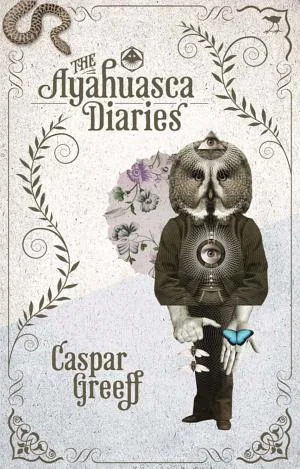
The Ayahuasca Diaries
 75
75

The Ayahuasca Diaries
Caspar Greeff's "The Ayahuasca Diaries" offers a raw, unvarnished account of a Westerner's immersion into the world of Amazonian shamanism. The book shines in its detailed, almost ethnographic descriptions of the ceremonies and the rainforest environment. Greeff’s palpable sense of awe and transformation is compelling, particularly when he describes the "otherworldly songs" that seem to permeate the very fabric of the shamanic experience. However, the narrative occasionally leans towards romanticizing the indigenous elements without fully grappling with the potential pitfalls or complexities of such deep cultural immersion. A specific passage detailing the author’s initial fear before his first ceremony, only to be met with profound calm, encapsulates the book's strength in conveying visceral, transformative moments. It’s a vivid, if at times singular, perspective on a potent spiritual practice.
📝 Description
75
Caspar Greeff's 2019 book chronicles his direct experiences with ayahuasca in the Amazon.
The Ayahuasca Diaries details Caspar Greeff's travels through Peru, Colombia, Brazil, Venezuela, and Ecuador in pursuit of ayahuasca. He participated in numerous shamanic ceremonies within remote indigenous communities, seeking to understand the psychoactive brew known as 'the vine of the dead.' These experiences are presented not just as altered states of consciousness, but as spiritual dialogues informed by local lore and shamanic guidance. Greeff describes the ceremonies as involving potent, ethereal songs and yielding a sense of healing and connection to life.
The book also examines the ritualistic context of ayahuasca use and the role of shamans in preserving this knowledge. Greeff's personal transformation is a significant element, showing how encounters with visionary states can lead to a renewed appreciation for existence. Beyond the individual journey, the text offers insights into the cultural practices of Amazonian shamanism, the indigenous people's relationship with the rainforest, and their spiritual views on plants. It addresses the interactions between Westerners seeking spiritual experiences and traditional practices, presenting a candid view of these cultural exchanges and the esoteric understanding of visionary experiences as paths to healing.
This work sits within the tradition of Westerners documenting their encounters with indigenous shamanic practices, particularly those involving entheogenic substances. It follows in a lineage of accounts exploring altered states of consciousness and their perceived spiritual or healing effects, often framed within the search for alternative forms of spirituality or deeper connection to nature. The book engages with the esoteric interpretation of visionary experiences as direct insights into spiritual realities, a common theme in esoteric literature concerning shamanism and plant-based consciousness alteration.
💡 Why Read This Book?
• Gain an intimate perspective on the ritualistic use of ayahuasca and its purported healing properties, as documented during Greeff's extensive travels through Peru, Colombia, Brazil, Venezuela, and Ecuador. • Understand the role of shamans as guides in these ceremonies, exploring how their 'otherworldly songs' are interpreted as integral to the psycho-spiritual journey described. • Witness a personal "psycho-spiritual odyssey" unfold, illustrating how encounters with indigenous traditions and the "vine of the dead" can foster a renewed "enchantment with life."
⭐ Reader Reviews
Honest opinions from readers who have explored this book.
❓ Frequently Asked Questions
What is the original publication year of "The Ayahuasca Diaries"?
The Ayahuasca Diaries was first published in 2009, marking its entry into the growing discourse on plant medicine and shamanism.
Which South American countries does the author visit in his search for ayahuasca?
Caspar Greeff treks through the rain forests of Peru, Colombia, Brazil, Venezuela, and Ecuador in his quest for ayahuasca ceremonies.
What is ayahuasca referred to as in "The Ayahuasca Diaries"?
Ayahuasca is referred to as "the vine of the dead" within the narrative, highlighting its potent and often awe-inspiring nature.
What role do shamans play in the ceremonies described?
Shamans preside over the ceremonies, guiding participants through their experiences with ayahuasca and interpreting the visionary states.
What is the central theme of Caspar Greeff's "The Ayahuasca Diaries"?
The central theme is the author's psycho-spiritual odyssey in search of ayahuasca and the profound, life-affirming experiences encountered through shamanic practices.
What is the primary focus of the ceremonies described in the book?
The ceremonies are focused on the consumption of ayahuasca, often conducted at night, aimed at achieving altered states of consciousness for healing and spiritual insight.
🔮 Key Themes & Symbolism
Psycho-Spiritual Odyssey
The book centers on Caspar Greeff's personal quest for ayahuasca, framed as a profound psycho-spiritual odyssey. This journey is not merely a physical trek through remote Amazonian landscapes but a deep dive into altered states of consciousness facilitated by shamanic ceremonies. Greeff documents his internal shifts and revelations, presenting ayahuasca as a catalyst for self-discovery and a re-enchantment with life. The narrative emphasizes the transformative potential of confronting one's psyche within the sacred context of indigenous ritual, moving beyond mere curiosity to a genuine search for meaning and healing.
Shamanic Practice and Healing
Central to the narrative is the role of indigenous shamans and their mastery over ayahuasca ceremonies. Greeff portrays shamans not just as guides but as conduits for spiritual energy and profound healing. The "otherworldly songs" are presented as integral components of the ritual, possessing magical and therapeutic qualities that influence the participants' experiences. The book explores the deep connection between these practices and the natural world, suggesting that the efficacy of ayahuasca is intrinsically linked to its traditional context and the wisdom of its custodians.
Amazonian Cosmology
The Ayahuasca Diaries offers glimpses into the cosmology and worldview of the indigenous peoples encountered. Greeff's travels through Peru, Colombia, Brazil, Venezuela, and Ecuador expose him to traditions where the rainforest is seen as a living entity and its plants hold sacred power. Ayahuasca, or "the vine of the dead," is positioned within this framework as a key to understanding spiritual realities and achieving balance. The book touches upon the cultural significance of these rituals, highlighting their importance in maintaining community well-being and spiritual connection.
The Quest for Enchantment
A recurring motif is the author's pursuit of a "new enchantment with life." Greeff suggests that modern existence can lead to a disconnect from primal wonder, and his journey with ayahuasca is an attempt to reclaim this sense of awe. The book illustrates how the potent, often challenging, experiences under the influence of the brew can strip away cynicism and reawaken a deep appreciation for existence. This quest for enchantment is presented as a universal human desire, with shamanic traditions offering a powerful pathway to its realization.
💬 Memorable Quotes
Direct passages from the work, attributed to the author.
“A psycho-spiritual odyssey in search of ayahuasca--a dark, psychedelic brew known as "the vine of the dead."”
— This opening statement sets the stage for Greeff's intense personal journey, highlighting ayahuasca's potent reputation and the profound nature of his quest.
“Trekking through the rain forests of Peru, Colombia, Brazil, Venezuela, and Ecuador in search of enclaves where ayahuasca is taken in the dark of night at ceremonies presided over by shamans.”
— This emphasizes the extensive geographical scope and the specific ritualistic context—night ceremonies led by shamans—that Greeff sought out.
“Shares his experiences with otherworldly songs that are both magical and healing and ignite in him a new enchantment with life.”
— This points to the sensory and spiritual impact of the shamanic ceremonies, particularly the music, and its effect on Greeff's perception of existence.
“The author shares his experiences with otherworldly songs that are both magical and healing”
— This highlights the perceived efficacy of the shamanic auditory elements, framing them as potent forces for both spiritual and physical well-being.
“ignite in him a new enchantment with life and a burge”
— This captures the ultimate outcome of Greeff's journey: a revitalized appreciation for life, suggesting a profound personal transformation.
🌙 Esoteric Significance
Tradition
While not explicitly aligning with a singular Western esoteric tradition like Hermeticism or Theosophy, "The Ayahuasca Diaries" engages with the universal quest for altered states and spiritual insight common to many esoteric paths. It taps into the broader spiritual anthropology and comparative religion movements that view shamanic practices as foundational to human spirituality. The book's focus on the 'vine of the dead' and its visionary properties aligns with traditions that explore consciousness expansion and communion with non-ordinary realities.
Symbolism
The primary symbolic element is ayahuasca itself, representing transformation, healing, and a direct conduit to the spirit world, often termed "the vine of the dead." The shaman acts as a symbolic guide, reading through the often chaotic and overwhelming psychic landscapes that emerge during ceremonies. The 'otherworldly songs' can be interpreted as sonic keys or vibrational talismans, believed to influence the spiritual energies present and facilitate the healing process within the symbolic framework of the rainforest and its indigenous cosmology.
Modern Relevance
Greeff's work remains relevant today as interest in plant-based psychedelics for mental health and spiritual growth continues to surge. Contemporary figures and movements in psychedelic therapy, consciousness studies, and neo-shamanism often draw upon firsthand accounts like "The Ayahuasca Diaries." It provides a historical snapshot of the ayahuasca experience as it was being widely explored by Westerners, informing current discussions about responsible practice, cultural appropriation, and the potential therapeutic applications of entheogens.
👥 Who Should Read This Book
• Individuals curious about Amazonian shamanism and the use of entheogenic plants like ayahuasca, seeking a personal narrative of exploration. • Travelers interested in immersive cultural experiences and the spiritual traditions of South America, particularly the Amazon basin. • Readers exploring themes of consciousness, healing, and personal transformation through non-ordinary states of awareness.
📜 Historical Context
Published in 2009, "The Ayahuasca Diaries" emerged during a period of heightened Western interest in shamanism and entheogenic plants, partly fueled by figures like Terence McKenna and the continued work of ethnobotanists such as Richard Evans Schultes. The late 20th and early 21st centuries saw a significant increase in individuals seeking out ayahuasca experiences in South America, often referred to as 'neo-shamanism' or 'ayahuasca tourism.' Greeff's work entered a literary landscape already populated by earlier accounts, such as those by William S. Burroughs and Allen Ginsberg in the mid-20th century, and more contemporary explorations. While not a purely academic text, it contributed to the popular understanding of ayahuasca's potential for spiritual and psychological exploration, existing alongside burgeoning scientific research into psychedelic therapies that began gaining traction in the early 2000s.
📔 Journal Prompts
The "psycho-spiritual odyssey" described in the book: what elements of your own life might prompt such a quest?
Reflect on the concept of "otherworldly songs" and their potential role in healing or altered states.
Consider the author's "new enchantment with life" – how might such a perspective be cultivated outside of intense ritual experiences?
Analyze the description of "the vine of the dead" and its symbolic implications.
What ethical considerations arise when engaging with indigenous ceremonial practices as an outsider, as depicted in the book?
🗂️ Glossary
Ayahuasca
A psychoactive brew traditionally prepared by indigenous peoples in the Amazon basin, known for inducing visionary states and used in shamanic ceremonies for healing and spiritual purposes.
The vine of the dead
A metaphorical name for ayahuasca, referencing its potent effects and its role in connecting users with spiritual realms or confronting existential themes.
Shaman
A spiritual healer or intermediary in indigenous cultures, believed to possess the ability to communicate with the spirit world and facilitate healing through rituals and altered states of consciousness.
Psycho-spiritual odyssey
A journey undertaken for both psychological and spiritual growth, often involving intense personal exploration, confrontation with inner states, and seeking profound meaning or enlightenment.
Enchantment with life
A state of renewed wonder, appreciation, and deep engagement with existence, often lost through mundane routine or disillusionment, which the author seeks to regain.
Ceremonies
Ritualistic gatherings, often presided over by shamans, where ayahuasca is consumed collectively, typically at night, for purposes of healing, divination, and spiritual communion.
Otherworldly songs
Music or chanting experienced during ayahuasca ceremonies that are perceived as originating from or influencing non-ordinary spiritual realms, often carrying healing or visionary power.
This book appears in 1 collection
🔮 Readers Also Liked
Browse all →









From the “Shamanism” Collection
View all →








More Free Occult Philosophy Books
View all →